
Shrubs
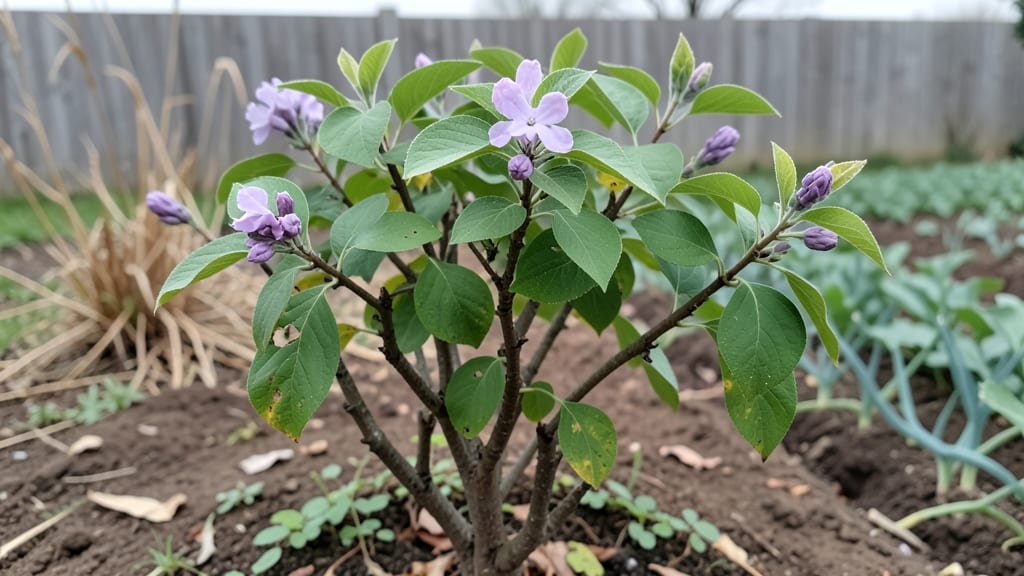
Nothing announces spring in the Pacific Northwest like the intoxicating scent of early flowering lilacs bursting into bloom by late April. 🌸 I’ve watched my own lilac bushes go from bare branches to fragrant clouds in just two weeks—it’s the kind of transformation that makes winter feel worth it.
The secret isn’t just timing; it’s understanding how these shrubs thrive in our damp, mild climate while still delivering those showstopping blooms.
Most gardeners prune lilacs after they flower, but that’s the opposite of what early bloomers need. The real trick is winter pruning—cutting back in late fall or early winter to encourage fresh, vigorous growth that flowers earlier.
My bushes now bloom a full two weeks ahead of neighbors’ because I prune when they’re dormant, not after they’ve already put energy into blooms. Plus, the soil in our region stays moist through winter, which lilacs love.
You’ll end up with shrubs that fill your yard with fragrance before the first hummingbird arrives. The blooms are so dense you can cut stems for bouquets, and the foliage stays lush all summer.
The key is patience—these shrubs reward long-term care with years of reliable, early-season color. Let’s get those branches trimmed the right way for maximum impact next spring.
This method works best in zones 3-7, but even if you’re outside that range, the principles apply. Just adjust pruning timing to avoid late frosts. The Pacific Northwest’s cool, wet springs are actually perfect for lilacs—so long as you give them the right winter prep.
Ready to make your yard the first on the block to smell like spring?
📚 In This Guide
- What you need
- Instructions
- Tips and common mistakes
- Wrapping up and next steps
What you need
- ● Early flowering lilac plants: Choose Syringa meyeri or Syringa × hyacinthiflora varieties (2–3 plants for a fragrant cluster).
- ● Well-draining soil: Mix 1 part native soil with 1 part compost or peat moss (5–10 gallons per plant).
- ● Organic mulch: 2–3 inches of wood chips or shredded bark (spread in a 2-foot radius around the base).
- ● Watering can or hose: With a gentle spray nozzle for even moisture.
- ● Pruning shears: Sharp, clean shears (sterilize with rubbing alcohol).
- ○ Fertilizer (optional but helpful): Slow-release 10-10-10 granular fertilizer (1 cup per plant in early spring).
- ● Garden gloves: For comfort while handling soil and plants.
- ● Trowel or spade: For digging planting holes (12–18 inches deep).
- ○ Stakes (optional): 3–4 bamboo stakes + twine if supporting young shrubs.
- ● Soil pH test kit: Lilacs thrive in slightly acidic to neutral soil (pH 6.0–7.0).
- ○ Drip irrigation system (optional): For consistent moisture in dry spells.
How to plant and care for early-blooming lilacs in the Pacific Northwest
Here's my go-to method for establishing fragrant lilacs that burst into bloom weeks ahead of most varieties.
🌱 Step 1: Choose the Right Location and Soil Prep
Lilacs thrive in full sun—at least 6 hours daily—so pick a spot with southern or western exposure. In the Pacific Northwest's damp climate, afternoon shade helps prevent leaf scorch. I always test soil pH first—lilacs prefer 6.0-7.0. If your soil is too acidic, mix in 2-3 pounds of garden lime per 100 square feet and work it into the top 12 inches of soil.
Loosen the soil to a depth of 18 inches with a shovel or tiller, breaking up any compacted layers. Lilacs have shallow but extensive root systems, so good drainage is critical. If your soil drains poorly, amend with 3-4 inches of compost or well-rotted manure. I like to add a 5-gallon bucket of coarse sand per planting hole to improve drainage without altering the soil's texture too much.
🪴 Step 2: Plant Lilacs at the Correct Depth and Spacing
Dig a hole twice as wide as the root ball but no deeper. The top of the root ball should sit 1-2 inches above ground level—this prevents the stem from rotting in heavy Pacific Northwest rains. Gently remove the plant from its container and tease out any circling roots with your fingers. Space lilacs 8-10 feet apart for mature size, or 6-8 feet if you're using dwarf varieties.
Place the plant in the hole and backfill with native soil mixed with a handful of balanced 10-10-10 fertilizer to encourage root establishment. Water deeply to settle the soil, then create a 2-inch-high berm around the base to hold moisture. Lilacs establish best when kept consistently moist during their first year, so I water 2-3 times per week until new growth appears.
☀️ Step 3: Prune and Mulch for First-Year Success
Skip heavy pruning the first year—just trim any broken or crossing branches with clean, sharp pruners. Remove one-third of last year's growth from the oldest stems to encourage new flowering wood. I always prune just above a bud facing outward to maintain an open, airy shape. This is also the time to add 3-4 inches of mulch (wood chips or shredded bark) around the base, keeping it 6 inches away from the trunk to prevent rot.
Mulch helps retain moisture and keeps roots cool in summer. In the Pacific Northwest, where summers can be surprisingly warm, this makes a huge difference. Water deeply once a week during dry spells, letting the soil dry out slightly between waterings. You'll know you're doing it right when the soil feels damp but not soggy 2 inches below the surface.
✂️ Step 4: Encourage Blooms with Spring Pruning
Prune lilacs right after flowering (late May to early June) to shape the plant and promote next year's blooms. Remove dead, diseased, or weak branches first, then cut back last year's growth to just above a bud or lateral branch. Never prune into old wood—this removes next year's flower buds. I aim to keep the plant open at the center so air circulates freely, which prevents fungal issues common in our damp climate.
Fertilize lightly in early spring with ½ cup of 10-10-10 fertilizer spread around the drip line. Water deeply to help roots absorb nutrients. Lilacs are tough once established, but they reward consistent care with vibrant, fragrant blooms for decades. I've seen my own plants—originally planted as small shrubs—now towering 12 feet tall with clusters of flowers that perfume the entire yard.
Tips & tricks for perfect early flowering lilacs
These simple tricks will help you establish fragrant lilacs that bloom reliably year after year in our Pacific Northwest climate.
The Sunlight Secret: Those 6 hours of daily sun are non-negotiable for early blooms. If your yard only gets morning sun, consider planting near a south-facing wall that reflects light. I've seen lilacs in partial shade still bloom, but the flowers are smaller and less fragrant. In our damp climate, afternoon shade actually helps prevent leaf scorch, so don't panic if your spot gets some shade in the late afternoon.
Soil Prep Game-Changer: The 18-inch deep soil loosening in Step 1 is where most people cut corners. Don't skip this! Lilacs have extensive shallow roots that need room to spread. If you're working with compacted soil, rent a soil aerator for the best results. That 5-gallon bucket of coarse sand per hole is especially important in our rainy region—it prevents waterlogging without altering the soil's natural texture too much.
Planting Depth Matters: That 1-2 inch rise above ground level for the root ball is crucial in our wet climate. Too deep and the stem will rot; too shallow and the roots dry out. I always check this with a level—no eyeballing! Also, those 8-10 feet spacing requirements might seem excessive, but trust me, lilacs spread wider than they grow tall. You'll thank me later when you're not fighting overcrowded plants.
First-Year Watering Wisdom: The 2-3 times weekly watering during establishment is critical, but don't drown them. That 2-inch-high berm helps hold moisture without suffocating roots. I check soil moisture by sticking my finger 2 inches down—it should feel damp but not soggy. In our rainy climate, this is especially important to prevent root rot while still keeping roots happy.
Pro Tips for Early Flowering Lilac
- These simple tricks will help you establish fragrant lilacs that bloom reliably year after year in our Pacific Northwest climate.
- The Sunlight Secret: Those 6 hours of daily sun are non-negotiable for early blooms.
- Soil Prep Game-Changer: The 18-inch deep soil loosening in Step 1 is where most people cut corners.
Frequently asked questions
Got questions about early flowering lilacs?
Here are answers to the most common ones—because every gardener deserves a fragrant, worry-free spring!
What makes a lilac bloom early?
Early flowering lilacs are often cultivar-specific or bred for earlier bud break. Varieties like 'Sensation' or 'Black Beauty' thrive in milder climates (like the PNW) and respond to warmer winters or protected microclimates. Prune lightly in late winter to encourage earlier blooms—just avoid cutting back after buds form!
Will early bloomers survive late frosts?
Yes—but timing matters! Early lilacs can handle light frosts (28–32°F), but hard freezes (<25°F) may damage buds. Choose hardy cultivars (like 'Dwarf Korean') or plant in sheltered spots (near walls/fences). If frost threatens, drape frost cloth loosely over shrubs—never use plastic, which traps heat and burns buds.
Can I force early blooms indoors?
Select mature branches (½" thick) with tight buds in late winter. Trim, place in water, and store in a cool, dark place (35–40°F) for 2–3 weeks. Once buds swell, move to bright, indirect light (like a sunny windowsill). Blooms last 5–7 days—perfect for Mother’s Day!
What if my early lilac doesn’t bloom?
Check these fixes:
- Age: Lilacs bloom best at 3–5 years old.
- Sunlight: Ensure 6+ hours of sun daily—shady spots delay blooms.
- Pruning: Over-pruning removes next year’s buds. Trim right after flowering (never in fall!).
- Fertilizer: Use a balanced, low-nitrogen formula (like 10-10-10) in early spring.
Are there fragrant alternatives to early lilacs?
Yes! Try these PNW-friendly, early-spring bloomers:
Plant
Fragrance Notes
Bloom Time
Mock Orange (Philadelphus)
Sweet, citrusy (like orange blossoms!)
May–June
Weigela
Light, floral (honey-like)
April–May
Daphne
Spicy, vanilla-peony
March–April
Wrapping up and next steps
Early flowering lilacs like Syringa meyeri and Syringa × prestoniae bring color and fragrance to the Pacific Northwest’s gardens sooner than ever—often blooming as early as March or April.
With the right care, these hardy shrubs reward you with low-maintenance beauty and year-round interest, from their delicate blossoms to their glossy foliage. 🌸
Ready to transform your garden? Start by choosing the perfect variety for your space, then plant and nurture it with confidence. Your fragrant spring oasis is just a few steps away!