
Flowers
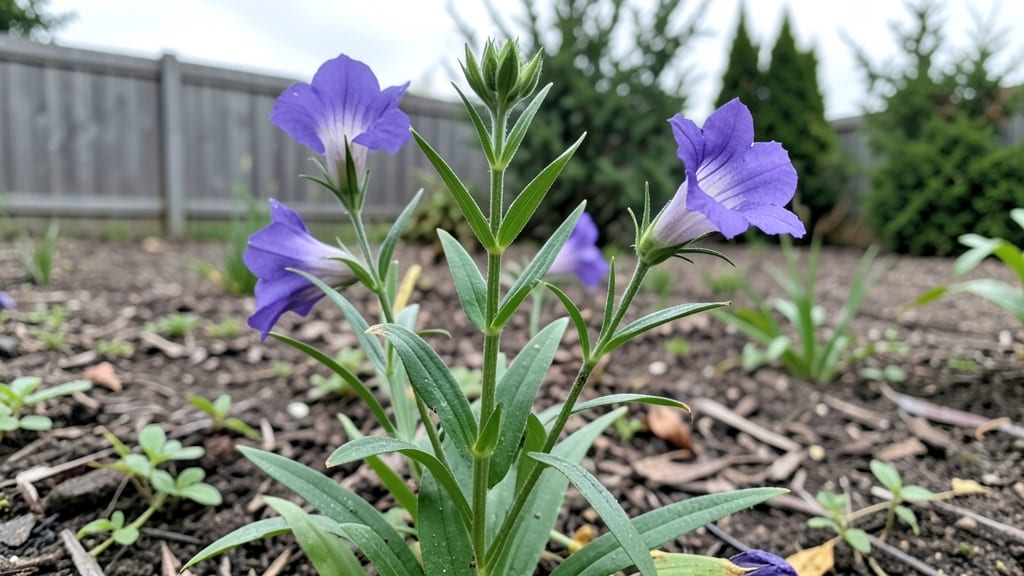
Growing purple lisianthus in the Pacific Northwest means you can finally have those dreamy, velvety blooms without worrying about summer heat. ✨ I’ve battled with finicky flowers that wilt at 80 degrees, but lisianthus thrives in our cool, damp summers—just give it the right spot and a little patience.
The secret isn’t complicated: it’s about matching their needs to our climate, from soil prep to watering schedules that keep roots happy without drowning them.
The real magic happens in well-draining soil mixed with compost, planted where they get morning sun and afternoon shade—think dappled light under tall trees.
My plants in 5-inch pots (or directly in garden beds) take off once established, and they handle our mild summers better than any other flower I’ve tried.
The key is keeping them consistently moist but never soggy, which means checking soil depth before watering—stick your finger in, and if it’s dry an inch down, it’s time.
By mid-summer, you’ll have 3-4 inch blooms that last for weeks, and the purple varieties hold their color even in cooler weather. Deadhead spent flowers to encourage more blooms, and watch as they keep producing until first frost—sometimes even beyond, if we’re lucky.
The fragrance is a bonus: light, sweet, and just strong enough to draw in pollinators without overwhelming your garden.
Works in containers, borders, or cutting gardens, and they’re tough enough for beginners who’ve struggled with finicky annuals. The only real trick is starting seeds indoors 8-10 weeks before last frost—they germinate slowly, so don’t rush.
Once they’re in the ground, they’ll reward you with months of effortless blooms that outshine even the most prized roses.
📚 In This Guide
- What you need
- Instructions
- Tips and common mistakes
- Wrapping up and next steps
What you need
- ● Purple lisianthus seeds or young plants: Choose cold-hardy varieties like Eustoma grandiflorum (e.g., "Purple Kiss" or "Blueberry Cream"). Buy 5–10 seeds or 3–5 starter plants for a vibrant display.
- ● Well-draining potting mix: A blend of 50% peat moss or coco coir, 30% perlite or vermiculite, and 20% compost (1–2 bags, ~1 cubic foot each). Pro tip: Add a handful of sand for extra drainage!
- ● Containers or garden bed: For pots: 5–6 inch diameter containers (1 per plant) with drainage holes. Use 3–5 containers for a small cluster.
- ● For in-ground planting: A sunny, sheltered spot with 6+ hours of light and loamy soil (amend clay soil with compost).
- ● Cold frame or frost cloth: 1–2 sheets (4’x6’ or larger) to protect seedlings from early frosts (30°F/-1°C tolerance).
- ● Basic gardening tools: Trowel or small shovel
- ○ Gloves (optional but highly recommended for prickly stems!)
- ● Watering can with a rose nozzle (for gentle watering)
- ● Fertilizer: Balanced 10-10-10 or fish emulsion (1 tbsp per plant every 4–6 weeks after transplanting).
- ● Mulch: 2–3 inches of straw or shredded leaves to insulate roots in winter.
- ● Stakes or cages: 4–6 inch tall supports (1 per plant) to keep stems upright as they grow 12–24 inches tall.
- ● Grow lights: If starting indoors, a LED grow bulb for 14–16 hours/day until seedlings are hardened off.
- ● Soil thermometer: To monitor 60°F+ (15°C+) soil temps for planting seeds.
- ● Decorative rocks or pebbles: For a polished look around containers.
How to grow purple lisianthus in the Pacific Northwest
This hardy annual thrives in our cool, moist climate—here's how to coax those velvety blooms all season.
🌱 Step 1: Time Your Planting for Cool Weather Success
Lisianthus loves cool temperatures, so plant seeds 8-10 weeks before your last frost date—typically mid-March in the PNW. Start indoors under grow lights for faster germination, or sow directly in the garden after soil warms to 55°F. I always use a seed-starting mix in small pots to prevent damping-off.
Press seeds just ¼ inch deep—they need light to germinate. Cover with a fine layer of vermiculite to retain moisture without smothering. Keep the soil consistently moist but never soggy; lisianthus seeds germinate best at 65-70°F.
Expect sprouts in 10-20 days. The wait can feel long, but patience pays off—once those first leaves appear, growth accelerates quickly. Thin seedlings to 12 inches apart when they reach 2 inches tall to give roots room to spread.
☀️ Step 2: Position for Maximum Blooms
Lisianthus thrives in full sun to partial shade, making it perfect for PNW gardens where afternoon sun can be intense. I plant mine in morning sun with afternoon shade—this prevents leaf scorch while ensuring enough light for robust blooms.
Choose a spot with well-draining soil. Amend heavy clay with compost to improve aeration. These plants hate soggy feet, so raised beds or slightly elevated areas work best in our rainy climate. A 2-inch layer of mulch keeps roots cool and conserves moisture.
Watch for leggy growth—this signals insufficient light. If stems stretch toward the sun, move plants closer to the light source or supplement with a grow light for 12-14 hours daily. Strong stems support those heavy blooms without flopping.
💧 Step 3: Water Deeply and Consistently
Water lisianthus at the base 1-2 inches per week, letting the top inch of soil dry between waterings. Overhead watering can cause fungal issues, so I use a drip irrigation system or water early in the morning to allow foliage to dry quickly.
In the PNW's humid summers, reduce watering slightly to prevent root rot. The key is balance—soil should stay evenly moist but never waterlogged. You'll know you've got it right when the soil feels like a damp sponge, not a muddy mess.
Fertilize lightly with a balanced, water-soluble fertilizer every 3-4 weeks during the growing season. Too much nitrogen produces lush foliage at the expense of blooms. I switch to a low-nitrogen, high-phosphorus formula when buds form to encourage flowering.
✂️ Step 4: Deadhead and Support for Long-Lasting Blooms
Deadhead spent blooms regularly to encourage continuous flowering. Simply pinch off faded flowers at the base with your fingers—no need for pruners. This redirects the plant's energy into producing new buds instead of setting seed.
Stake tall varieties early to prevent flopping. I use 6-foot bamboo stakes tied loosely with soft twine. Avoid tight ties that can damage stems as the plant grows. Lisianthus stems are sturdy but can bend under the weight of heavy blooms, especially in our wet climate.
Prune leggy growth back by ⅓ in early summer to promote bushier, more compact plants. This also rejuvenates the plant and often triggers a second flush of blooms. Always use clean, sharp pruners to prevent disease transmission.
⏰ Step 5: Prepare for Fall and Overwintering
Lisianthus is an annual, but its seeds often self-sow in the PNW's mild winters. Allow some spent plants to go to seed if you want next year's crop. Collect seed pods when they turn brown and dry, then store in a cool, dry place.
For a fall display, plant seeds again in late summer for blooms that last into frost. These late-season plants appreciate afternoon shade to protect them from early cold snaps. Mulch heavily around the base to insulate roots and extend the season.
In colder winters, protect young plants with a lightweight frost cloth if temperatures dip below 25°F. While lisianthus handles light frosts, prolonged cold can damage foliage. A simple hoop house or cold frame works well for our unpredictable PNW winters.
Tips & tricks for growing purple lisianthus in the Pacific Northwest
These proven strategies will help you coax those velvety purple blooms to thrive in our unique climate—where moisture and cool temperatures can either make or break your garden success.
Seed Starting Secret: For faster germination in Step 1, pre-soak your lisianthus seeds in warm water for 12 hours before planting. This mimics natural rainfall and can cut your 10-20 day germination window by 3-5 days. Just be sure to plant immediately after soaking—they'll sprout faster than you can say "velvety petals."
Light Management: In Step 2, when dealing with our famously overcast PNW summers, supplement natural light with a 12-14 hour grow light schedule during cloudy periods. Position lights 6-12 inches above plants and use full-spectrum bulbs that mimic sunlight. I've seen leggy growth disappear completely within a week of proper light supplementation.
Soil Temperature Hack: The 55°F soil temperature threshold in Step 1 can be tricky to judge. Use a soil thermometer for accuracy—our Pacific Northwest mornings can be deceptive. If soil feels cool to the touch but your thermometer shows 50°F, wait another day. Cold soil slows germination dramatically, and lisianthus seeds won't sprout below 60°F.
Fertilizer Timing: When switching to low-nitrogen, high-phosphorus fertilizer in Step 3, apply it at half-strength. The 3-4 week interval is perfect, but our rainy climate can leach nutrients quickly. I mix my fertilizer with water and apply it directly to the soil surface rather than foliar spraying—this prevents burning those delicate lisianthus leaves.
Pro Tips for Lisianthus Flower Purple
- These proven strategies will help you coax those velvety purple blooms to thrive in our unique climate—where moisture and cool temperatures can either make or break your garden success.
- Seed Starting Secret: For faster germination in Step 1, pre-soak your lisianthus seeds in warm water for 12 hours before planting.
- Light Management: In Step 2, when dealing with our famously overcast PNW summers, supplement natural light with a 12-14 hour grow light schedule during cloudy periods.
Frequently asked questions
Got questions about purple lisianthus flowers? You’re not alone!
Whether you're a gardener, florist, or just a plant lover, here are some of the most common queries about this stunning frost-resistant bloom.
Can purple lisianthus survive frost?
Yes! One of lisianthus’s biggest perks is its moderate frost tolerance—it can handle light freezes (down to about 20°F/-7°C) if the ground isn’t frozen solid. For the Pacific Northwest’s chilly winters, mulch heavily around the base to protect roots. Just avoid heavy, prolonged frost, which can damage foliage.
How long do purple lisianthus flowers last in a vase?
With proper care, cut lisianthus stems can last 7–10 days in a vase! To extend their life:
- Trim stems at an angle before placing them in lukewarm water.
- Change the water every 2–3 days and add a flower food packet.
- Avoid direct sunlight or heat sources (like radiators).
What’s the best time to plant purple lisianthus in the PNW?
The ideal window is late April to early June, after the last frost but before summer heat peaks. For fall blooms, plant again in early August. Lisianthus thrives in well-draining soil and partial shade, making it perfect for PNW gardens where full sun can scorch delicate petals.
Can I grow purple lisianthus from seed, or should I use cuttings?
Both work! Seeds are cheaper but slower (germination takes 2–3 weeks), while cuttings (from healthy stems) root faster and preserve the parent plant’s traits. For beginners, transplants (available at nurseries) are the easiest option—just ensure they’re disease-free before planting.
Why are my lisianthus leaves turning yellow?
Yellowing leaves often signal overwatering or nutrient deficiency. Check these fixes:
- Ensure soil is moist but not soggy—lisianthus hates “wet feet.”
- Feed with a balanced fertilizer (10-10-10) every 4–6 weeks.
- Watch for pests like aphids or spider mites—spray with neem oil if needed.
Wrapping up and next steps
The purple lisianthus isn’t just a stunning addition to the Pacific Northwest’s gardens—it’s a resilient, low-maintenance beauty that thrives where others falter. With its frost-hardy nature and breathtaking blooms, it’s the perfect choice for gardeners who crave both elegance and durability.
Whether you’re a seasoned florist or a curious beginner, this flower offers endless creative possibilities.
Ready to bring a touch of PNW magic to your space? Start by exploring local nurseries or experimenting with a few purple lisianthus plants in your garden. Your future blooms—and your neighbors—will thank you! 🌸✨