Pruning
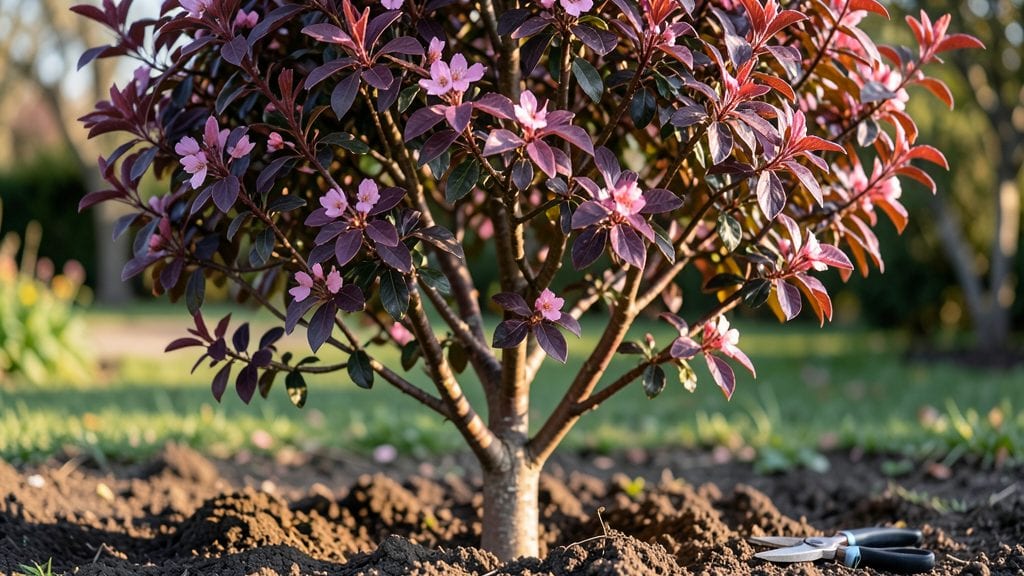
The Newport flowering plum tree brings stunning magenta-pink blooms to Pacific Northwest winters when nothing else is in flower. I planted mine in late fall, and by February, the branches were heavy with blossoms—right when I needed a burst of color after months of gray skies.
That resilience isn’t just luck; it’s built into this variety’s genetics, bred to handle our damp, chilly climate better than most plums.
You’ll need well-draining soil, full sun, and patience—this isn’t a fast grower, but it’s worth it. The tree thrives in zones 5-8, making it perfect for PNW gardens where frost can kill tender bloomers.
Start with a 2-3 gallon container plant, dig a hole twice as wide as the root ball, and plant it where you won’t disturb it for years. Water deeply after planting, then let the roots establish before cutting back on moisture.
By spring, you’ll see why gardeners obsess over this tree: clusters of fragrant flowers that attract bees early in the season, followed by small, edible (but not showy) plums.
Prune in late winter to shape the tree and remove dead wood, but avoid heavy pruning—this tree blooms on old wood, so less is more. The payoff? A showstopping display that lasts weeks, even through light frosts.
Common mistakes include overwatering (let the soil dry slightly between waterings) and planting too deep (keep the graft union above soil level). With the right care, your Newport plum will reward you for decades—imagine that same February spectacle year after year. Let’s get yours thriving!
📚 In This Guide
- What you need
- Instructions
- Tips and common mistakes
- Wrapping up and next steps
What you need
- ○ Pruning shears – Bypass pruners (sharp, 6-8" blades) for clean cuts on small branches. Anvil pruners (for thicker branches) are optional but handy.
- ● Lopping shears – For branches ½" to 2" in diameter (extendable handles help with reach!).
- ● Pruning saw – A bow saw or pruning saw for branches 2" or thicker (avoid tearing the bark!).
- ● Gloves – Heavy-duty, cut-resistant gloves (thorns on plum trees can be sneaky!).
- ● Disinfectant – 70% isopropyl alcohol or a pruning sealant to sterilize tools between cuts (prevents disease spread!).
- ● Ladder or step stool – A stable, extendable ladder (4-6 ft tall) for high branches. Safety first!
- ● Heavy-duty trash bags – For collecting pruned branches and debris (2-3 large bags).
- ● Rake or leaf blower – To clear fallen debris after pruning.
- ● Pruning paint/sealant – For large cuts (>½") to protect the tree from pests/disease.
- ● Tree wound dressing – Controversial but some swear by it for extra protection (use sparingly!).
- ● Work gloves with grip – If your hands get sweaty or the branches are slippery.
- ● Safety glasses – To shield eyes from flying debris or sap.
- ● Notebook & pen – To sketch a pruning map of your tree’s structure before you start!
Step-by-step guide to planting and caring for a Newport flowering plum tree
This stunning Pacific Northwest native thrives with minimal fuss—just follow these simple steps.
Choose the Perfect Planting Location
Newport flowering plums love open spaces where they can bask in full sun for at least 6 hours daily. In the Pacific Northwest, this means selecting a spot that gets morning sun and afternoon light, especially if your winters are cloudy. Avoid low-lying areas where cold air settles—these trees handle frost beautifully, but prolonged dampness can stress roots.
I always check the site in winter first. If the ground stays soggy for weeks, I either plant on a slight mound or add a 12-inch layer of gravel beneath the root ball for drainage. The tree’s natural resilience means it forgives many mistakes, but proper drainage ensures those vibrant spring blooms arrive every year.
Dig the Hole and Prepare the Soil
Dig a hole twice as wide as the root ball but no deeper—this prevents water from pooling around the roots. The Newport flowering plum adapts to most soil types but thrives in well-draining loam. If your soil is heavy clay, mix in 2-3 inches of compost at the bottom of the hole to improve structure.
Gently loosen the roots of the container-grown tree before placing it in the hole. This encourages them to spread outward instead of circling. Fill the hole halfway, then water deeply to settle the soil. Once settled, add more soil and firm it lightly around the base—just enough to eliminate air pockets, but don’t compact it like you’re paving a driveway.
Water Deeply and Mulch for Winter Protection
After planting, water the tree until 6 inches of soil feels moist to the touch. Newport plums establish roots quickly, so consistent moisture in the first 4-6 weeks is critical. I set up a drip irrigation line for the first month to ensure even watering, especially if rain is unpredictable.
Spread 3-4 inches of mulch (wood chips or shredded bark) around the base, keeping it 6 inches away from the trunk to prevent rot. This mulch layer acts like a blanket in winter, protecting roots from freezing temperatures while retaining moisture in summer. Replenish mulch annually—it breaks down faster than you’d expect.
Prune for Shape and Health in Late Winter
The best time to prune is just as buds swell in late winter, before new growth begins. Remove any dead, crossing, or inward-growing branches first—these compete for energy and create weak spots. I always sterilize my pruners with rubbing alcohol between cuts to prevent disease spread.
For shaping, focus on opening the center of the tree to improve airflow and sunlight penetration. Newport plums bloom on old wood, so avoid heavy pruning that removes last year’s growth. Limit cuts to no more than 25% of the canopy in any single year—this keeps the tree’s spectacular spring display intact.
Fertilize and Monitor for Pests
Newport flowering plums are low-maintenance but benefit from a balanced 10-10-10 fertilizer applied in early spring, just as leaves emerge. Work it into the soil around the drip line (the edge of the tree’s canopy), not directly against the trunk. Over-fertilizing leads to lush foliage but fewer flowers—the tree’s priority shifts from blooms to leaves.
Watch for aphids or scale insects on new growth in spring. A strong spray of water often dislodges them, but for persistent infestations, I use neem oil (mix 1 tablespoon per gallon of water) as a natural remedy. Healthy Newport plums rarely have serious pest issues, but early intervention prevents problems from spreading.
Tips & tricks for perfect Newport flowering plum tree planting
A few simple strategies will help you get the most vibrant blooms from your Newport flowering plum tree.
Sunlight Strategy: While the instructions mention 6 hours of sun, I've found that morning sun plus afternoon light works best in our Pacific Northwest climate. If you're planting near other trees, check the site in summer to see how much shade develops—this tree needs that sunlight to fuel its spectacular spring display.
Soil Preparation: For clay-heavy soil, I recommend mixing in 2-3 inches of compost at the bottom of the hole AND adding a 12-inch gravel layer beneath the root ball. This two-step approach creates better drainage than either method alone. The tree's roots will thank you with stronger growth and more abundant blooms.
Watering Wisdom: During the critical first 4-6 weeks, I set up a drip irrigation line on a timer for 15 minutes twice daily. This ensures consistent moisture without overwatering. The goal is to keep the soil moist but not soggy—think of it like giving the tree a steady drink rather than a flood.
Pruning Precision: When pruning in late winter, I mark branches with masking tape before making cuts. This helps me visualize the shape and ensures I don't accidentally remove more than 25% of the canopy. The tape also helps me identify branches I might want to keep but initially thought were problematic.
Pro Tips for Newport Flowering Plum Tree
- A few simple strategies will help you get the most vibrant blooms from your Newport flowering plum tree.
- Sunlight Strategy: While the instructions mention 6 hours of sun, I've found that morning sun plus afternoon light works best in our Pacific Northwest climate.
- Soil Preparation: For clay-heavy soil, I recommend mixing in 2-3 inches of compost at the bottom of the hole AND adding a 12-inch gravel layer beneath the root ball.
Frequently asked questions
Got questions about the Newport Flowering Plum Tree? You’re not alone—this stunning Pacific Northwest favorite has plenty of admirers (and curious gardeners!). Here are answers to the most common queries to help you nurture your tree like a pro.
When is the best time to plant a Newport Flowering Plum Tree?
The ideal window is late fall or early spring (October–March), when the tree is dormant. This gives roots time to establish before summer heat or winter frost. Avoid planting in summer—the stress of transplanting + heat = poor survival rates. Pro tip: Water deeply after planting and mulch to retain moisture!
How cold can this tree handle? Is it truly frost-resistant?
The Newport Flowering Plum thrives in USDA Zones 5–8, enduring temps down to -20°F (-29°C). Its Japanese heritage makes it tougher than many ornamental plums. Just avoid late spring frosts—buds may get nipped if temps dip below 25°F (-4°C) after blooms appear.
Do I need to prune it? If so, when and how?
Prune right after flowering (late spring) to shape the tree and remove dead/diseased branches. Avoid heavy pruning in fall or winter—it can stimulate weak growth before dormancy. For best results:
- Use sterilized tools to prevent bacterial spread.
- Cut just above a bud at a 45° angle.
- Thin out crossing branches for airflow.
What pests or diseases should I watch for?
Common issues include:
- Plum leaf scab: Brown spots on leaves? Prune infected foliage and apply fungicide in early spring.
- Japanese beetles: Handpick or use neem oil to protect blooms.
- Powdery mildew: Improve airflow by pruning and avoid overhead watering.
Can I grow a Newport Flowering Plum in a container? How?
Yes, but it’s challenging long-term—these trees grow 15–25 feet tall! For containers:
- Use a large pot (3+ feet deep) with drainage holes.
- Plant in well-draining soil (mix potting soil with perlite).
- Fertilize monthly in spring/summer with balanced 10-10-10.
- Move indoors if temps drop below 20°F (-7°C).
Wrapping up and next steps
The Newport Flowering Plum Tree is a stunning, frost-hardy addition to your Pacific Northwest garden, offering vibrant blooms and minimal fuss. With the right pruning techniques and seasonal care, you’ll keep it thriving for years—balancing beauty and health effortlessly. 🌸
Ready to transform your outdoor space? Grab your tools, roll up your sleeves, and give your tree the TLC it deserves! Start by marking your calendar for next season’s pruning—your future blooms will thank you.