
Flowers
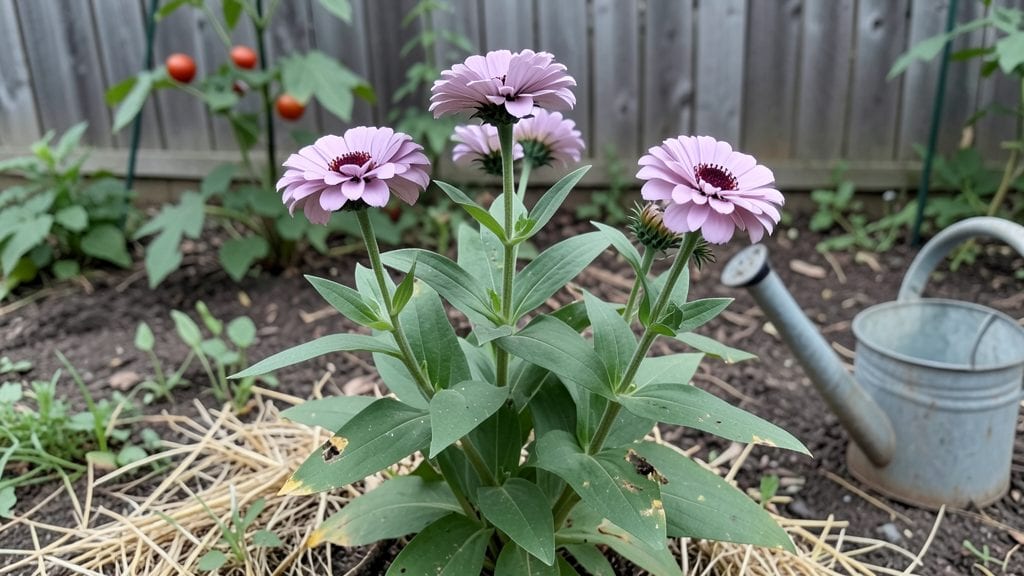
Discovering these easy flowers to keep alive transformed my gardening game—especially after my first season, where half my plants died from sheer neglect. 🌻 like sunflowers, marigolds, and zinnias, which bounce back from neglect and reward you with bold colors all season long.
These tough blooms thrive in average soil, ask for minimal water (once a week, tops), and handle partial shade better than fussy annuals. My 5-minute daily check—just a quick glance at the leaves—keeps them happy without turning gardening into a chore. Even my black thumb can’t kill these.
By summer’s end, you’ll have a garden that blooms nonstop with vibrant colors and fewer wilting leaves than last year. The best part? These flowers attract pollinators, deter pests, and even improve the soil as they grow. Let’s get to the foolproof list!
Whether you’re working with a sunny patio, a shady corner, or just a few containers, these plants adapt—no fancy setups required. Start with one or two varieties, and soon you’ll wonder why you ever struggled with high-maintenance blooms.
📚 In This Guide
- What you need
- Instructions
- Tips and common mistakes
- Wrapping up and next steps
What you need
- ● Flower pots or garden beds: 1–3 containers (6–12 inches in diameter) or a sunny garden spot with well-draining soil. Tip: Choose pots with drainage holes!
- ● Potting mix: 1–2 bags of well-draining, organic soil (avoid heavy garden soil). Look for mixes labeled "for flowers" or "cactus/succulent" blends.
- ● Sunlight access: A spot with 4–6+ hours of sunlight daily (adjust based on your flower type—some tolerate shade!).
- ● Water: A watering can or hose with a gentle spray nozzle (or a rainwater collection system for eco-friendly care!).
- ● Pruning shears: Small, sharp scissors to trim dead blooms or overgrown stems.
- ● Fertilizer: A balanced, slow-release fertilizer (like 10-10-10) or organic options like compost or fish emulsion (use sparingly—over-fertilizing = sad flowers!).
- ● Mulch: A layer of organic mulch (like bark or straw) to retain moisture and suppress weeds.
- ● Gloves: A pair of gardening gloves to protect your hands from dirt or thorns.
- ● Plant labels: Small tags or a whiteboard to track watering schedules and flower types.
Step-by-Step guide to growing low-maintenance flowers
Here's how to select and care for flowers that stay vibrant with minimal effort.
🌱 Step 1: Choose the Right Low-Maintenance Varieties
Start with flowers known for resilience—like geraniums, snapdragons, or marigolds. These thrive on neglect and bounce back from forgetful watering. I always pick self-cleaning varieties (like zinnia 'Benary's Giant'), which shed spent blooms automatically, so you never need deadheading. Check your USDA hardiness zone to match flowers to your climate—some, like pansies, tolerate light frosts, while others, like impatiens, prefer warmth.
For containers, petunias or bacopa are ideal—they bloom nonstop with just weekly watering. If you want perennials that return yearly, coneflowers or black-eyed Susans are bulletproof choices. Avoid fussy annuals like orchids or carnations unless you're ready for daily attention.
☀️ Step 2: Plant in Well-Draining Soil with Bright Light
Use pre-mixed potting soil (never garden soil—it compacts and suffocates roots). Amend with perlite or vermiculite (1 part to 3 parts soil) to improve drainage, which prevents root rot—the #1 killer of "easy" flowers. Most low-maintenance blooms need 6+ hours of sunlight daily, so place them in south-facing windows or under grow lights if indoors.
If your space gets only 4-6 hours of light, opt for shade-tolerant picks like impatiens or coleus. I always test soil moisture before planting—stick your finger 1 inch deep. If it feels damp, wait a day or two. Plant at the same depth as their nursery pots to avoid shocking roots.
💧 Step 3: Water Deeply but Infrequently
Water when the top 2 inches of soil feel dry—this encourages deep root growth. Most low-maintenance flowers hate soggy soil, so always use pots with drainage holes. I water in the early morning to reduce evaporation and fungal risks. For container gardens, use a self-watering pot or drip irrigation to automate care.
Overwatering is the fastest way to kill these supposedly "easy" plants. If leaves yellow or stems soften, you're watering too much. Let soil dry completely between waterings—even drought-tolerant flowers like lavender need this recovery time. Mulch with 1 inch of gravel or bark to slow moisture loss.
✂️ Step 4: Prune Only When Necessary
Skip deadheading unless you want more blooms—many low-maintenance flowers self-clean, so spent flowers drop on their own. If you do prune, snip just above a leaf node (where new growth emerges) with clean, sharp scissors. This redirects energy to fresh blooms instead of seed production.
For leggy growth, pinch back the tips of stems by 1/3 to encourage bushier habits. I do this in early spring for perennials and after flowering for annuals. Avoid heavy pruning—these flowers thrive on minimal intervention. If a stem dies back completely, don’t panic; many perennials regrow from the base.
🪴 Step 5: Fertilize Lightly and Seasonally
Use a balanced, slow-release fertilizer (like 10-10-10) once in early spring and again mid-summer. Over-fertilizing leads to lush foliage but few blooms—the exact opposite of what you want. I mix ½ teaspoon per gallon of soil and water it in. For container plants, use liquid fertilizer diluted to half-strength every 6-8 weeks.
Organic options like fish emulsion or compost tea work well but can burn roots if overused. Always water before fertilizing to prevent salt buildup. If flowers look pale or stunted, they need nutrients; if they bloom excessively but weakly, they’re getting too much.
Tips & tricks for perfect low-maintenance blooms
Here's how to sidestep the most common pitfalls and keep your flowers thriving with almost no effort.
Selection Tip: When choosing varieties, prioritize self-cleaning flowers like zinnia 'Benary's Giant' or snapdragons—they automatically drop spent blooms, eliminating deadheading entirely. I've seen these survive weeks with zero care, while fussy varieties like orchids wilt after just a few missed waterings. For containers, petunias are my go-to because they bloom continuously with just weekly watering and tolerate both sun and partial shade.
Light Strategy: The 6+ hours of sunlight requirement in Step 2 is non-negotiable for most low-maintenance blooms, but don't stress about perfect placement. South-facing windows work best, but even east or west exposure can suffice if you supplement with a grow light for 2-3 hours daily. For shade-lovers like impatiens, 4-6 hours of indirect light is ideal—just avoid north-facing windows where light is too diffuse. I always test with a light meter app if I'm unsure about my space.
Watering Wisdom: The "top 2 inches dry" rule in Step 3 is your golden standard, but here's the real trick: water deeply until it runs out the drainage holes. This ensures roots grow downward where moisture lasts longer. I use a moisture meter for containers to avoid guessing—when it reads dry at 2 inches, that's your cue. For outdoor plants, water at the base rather than overhead to prevent fungal diseases that thrive in damp foliage.
Fertilizer Hack: That ½ teaspoon per gallon of 10-10-10 fertilizer in Step 5 might seem minimal, but it's perfect for low-maintenance blooms. For even easier care, switch to orgainic slow-release granules mixed into the soil at planting—this eliminates the need for mid-season feeding entirely. I've had geraniums thrive for months with zero additional fertilizer after the initial planting dose, proving these flowers truly don't need much to shine.
Pro Tips for Easy Flowers To Keep Alive
- Here's how to sidestep the most common pitfalls and keep your flowers thriving with almost no effort.
- Selection Tip: When choosing varieties, prioritize self-cleaning flowers like zinnia 'Benary's Giant' or snapdragons—they automatically drop spent blooms, eliminating deadheading entirely.
- Light Strategy: The 6+ hours of sunlight requirement in Step 2 is non-negotiable for most low-maintenance blooms, but don't stress about perfect placement.
Frequently asked questions
Got questions about keeping your easy-care flowers thriving? You’re not alone! Here are answers to the most common concerns—so you can enjoy lush blooms without the stress.
Which easy flowers need the least sunlight?
If your space is dim, opt for peace lilies, ZZ plants, or snake plants. These thrive in low to medium light (1-2 hours of indirect sun daily). For a pop of color, African violets or pothos (with variegated leaves) also do well in shadier spots. Just avoid direct sunlight, which can scorch their leaves!
How often should I water these low-maintenance flowers?
Watering needs vary, but most easy flowers prefer infrequent, deep watering over shallow drinks. Stick your finger 1-2 inches into the soil—if it’s dry, water thoroughly until it drains from the bottom. Succulents (like echeveria) need water every 2-3 weeks, while peace lilies or bromeliads like soil to stay slightly moist. Overwatering is the #1 killer—always use pots with drainage holes!
Can I keep these flowers alive indoors year-round?
Many easy flowers, like spider plants, peperomias, or boston ferns, are perennial and can live indoors for years with the right care. Just mimic their natural habitat: snake plants love dry air, while calatheas thrive in humidity (try a pebble tray or humidifier). Rotate your plants occasionally so they grow evenly toward the light.
What should I do if my easy flower gets pests?
Even low-maintenance flowers can attract pests like spider mites or aphids. Start by isolating the plant and wiping leaves with a damp cloth or mild soapy water. For stubborn infestations, spray with neem oil (diluted) or introduce beneficial insects like ladybugs. Most easy flowers bounce back quickly—just act fast! Prevention tip: Avoid overwatering and keep your space clean to deter pests.
Are there any easy flowers that bloom all year?
While no flower blooms nonstop, some like peace lilies, geraniums, or bromeliads produce flowers multiple times a year with minimal effort. For continuous color, rotate seasonal bloomers: African violets (spring-fall) + Christmas cactus (winter) + impatiens (summer). Prune spent blooms to encourage new growth!
Wrapping up and next steps
Keeping flowers alive doesn’t have to be a challenge—with the right low-maintenance blooms, you can enjoy vibrant greenery year-round without the stress! 🌸 From sun-loving succulents to shade-tolerant peace lilies, these easy-care plants prove that even beginners can succeed.
Remember: consistency in watering, light, and a little love (like occasional pruning) are all you need to watch your garden thrive.
Ready to transform your space? Start small—pick one or two of these resilient flowers and experiment with care routines. Before you know it, your home will be bursting with color, and you’ll be the proud gardener you always wanted to be! 🌱