
Flowers
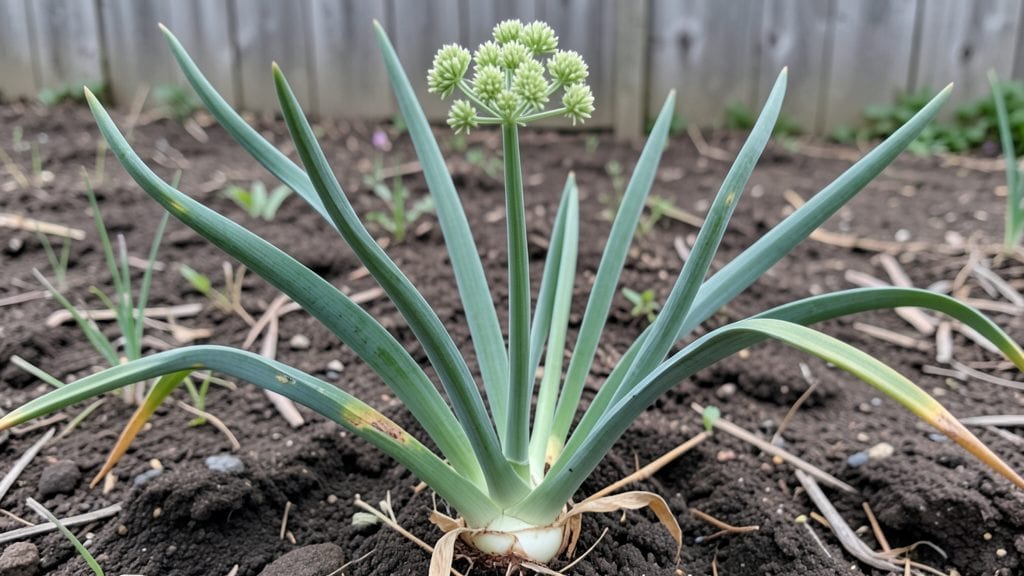
The edible onion flowers you grow can transform salads from ordinary to extraordinary—just imagine the pop of color and delicate crunch they add to your favorite dishes. 🌸 I’ve cultivated these edible blooms for years, and the secret lies in selecting the right onion varieties (like shallots or garlic chives) that produce showy, flavorful flowers.
These aren’t just pretty faces; they’re edible treasures with a mild onion-herb taste that pairs perfectly with greens, soups, or even cocktails.
Starting with well-draining soil and full sun sets you up for success—these flowers thrive where onions do, but they need consistent moisture without soggy roots. Plant seeds or sets in early spring, and within 8-10 weeks, you’ll see those star-shaped blooms emerge, ready to be harvested.
The key is patience: let the flowers fully open for the best flavor and texture, but don’t wait too long, or they’ll turn into seed pods.
Once harvested, these blooms add a delicate, crisp bite and a subtle onion aroma that elevates any dish. Toss them into summer salads, garnish soups, or infuse them into vinegar for a unique twist.
And here’s the best part: they’re disease-resistant compared to regular onions, meaning fewer headaches and more harvests. With just a little care, you’ll have a garden that’s as beautiful as it is useful.
Whether you’re a seasoned gardener or a beginner, these flowers adapt well to containers or garden beds. Just remember: consistent watering and regular deadheading keep the blooms coming. Let’s turn your garden into a culinary canvas—one edible flower at a time.
📚 In This Guide
- What you need
- Instructions
- Tips and common mistakes
- Wrapping up and next steps
What you need
- ● Onion bulbs (edible varieties): 5–10 fresh, firm bulbs (choose varieties like Topset, Shallots, or Potato Onions—these regrow well!).
- ● Well-draining potting soil: 1–2 gallons (mix in perlite or sand for extra drainage if your soil is heavy).
- ● Containers or garden bed: For containers: 6–8" deep pots with drainage holes (1–2 bulbs per pot).
- ● For garden beds: Full sun (6+ hours/day) and loose, fertile soil.
- ● Watering can or spray bottle: For gentle hydration (avoid soggy soil!).
- ○ Balanced fertilizer (optional but helpful): 5-10-5 or compost tea (dilute to half-strength).
- ● Pruners or clean scissors: For harvesting flowers (sterilize with rubbing alcohol!).
- ● Twine or floral picks: To secure tall stems for arrangements.
- ○ Food-safe spray (optional): Like vinegar solution (1:3 ratio) to clean blooms before eating.
- ● Salad greens or garnish base: Mixed greens, quinoa, or cheese boards for pairing!
- ● 🌡️ Temperature: Wait until soil is at least 50°F (10°C)—onion flowers hate frost!
- ● ✨ Light: Place containers in the sunniest spot (south-facing windowsills work indoors!).
- ● 💧 Watering: Keep soil moist but not waterlogged—overwatering = sad flowers.
Step-by-step instructions for growing edible onion flowers
Here's how to coax vibrant, flavorful blooms from your onion plants—no special skills required.
🌱 Step 1: Select and Prepare Onion Varieties for Flowering
Choose perennial or short-day onion varieties like Topset, Potager, or Egyptian Walking onions—they reliably produce edible flowers. Avoid storage onions (like Yellow or Red) as they bolt unpredictably. Start with 6-8 healthy onion plants per serving of blooms, spacing them 12 inches apart in well-draining soil with full sun (6+ hours daily).
Here's the thing—you'll need to reduce watering gradually 4-6 weeks before expected blooming. Let the soil dry slightly between waterings to trigger flowering. I like to test soil moisture by pushing a finger 1 inch deep—if it feels dry, it's time to water. This mimics natural drought stress that signals plants to flower.
☀️ Step 2: Encourage Blooming Through Light and Nutrition
Onion flowers need strong, consistent light to develop properly. If your plants start leaning toward light, rotate the pot or container quarter-turn daily until stems grow straight. I've found that morning sun with afternoon shade in hot climates prevents premature wilting while still encouraging blooms.
Feed with a low-nitrogen fertilizer (like 5-10-10) when flower stalks appear. High nitrogen promotes leafy growth at the expense of blooms. Apply ½ teaspoon per plant every 2 weeks until buds form. Watch for tight, rounded buds—this is your cue that flowering is imminent and fertilization should stop to preserve energy for bloom development.
💧 Step 3: Harvest and Preserve Edible Blooms at Peak Freshness
Harvest flowers when buds are fully open but petals haven't begun wilting—this is typically morning after a cool night. Use clean, sharp scissors to cut the entire flower stalk at the base. I like to harvest every other day to encourage continuous blooming. Remove any damaged or wilted blooms immediately to prevent pests.
For immediate use, rinse gently under cool water and pat dry with a paper towel. Store in an airtight container lined with paper towels in the refrigerator for up to 5 days. For longer storage, dry flowers by hanging upside down in a dark, well-ventilated area for 3-5 days until completely crisp. Once dry, store in an airtight container away from light for up to 6 months.
✂️ Step 4: Maintain Plants for Continuous Harvesting
After harvesting, trim the stalk back to 2 inches above the base to encourage new growth. Water immediately after pruning to reduce stress. I've seen plants produce 3-4 successive harvests per season when maintained properly. Watch for yellowing leaves—this signals the plant is exhausted and should be removed to redirect energy to neighboring plants.
Real talk: if your flowers start closing prematurely, it's usually due to heat stress over 90°F. Provide afternoon shade and increase watering frequency to every other day during heatwaves. Mulch with 1 inch of straw to retain soil moisture and regulate temperature. With proper care, you'll get continuous blooms throughout the growing season.
Tips & tricks for growing edible onion flowers
A few simple strategies that'll help you coax the most vibrant, flavorful blooms from your onion plants.
Variety Matters: Not all onions produce edible flowers—stick with perennial or short-day varieties like Topset, Potager, or Egyptian Walking onions. These varieties are specifically bred to reliably produce edible blooms, while storage onions like Yellow or Red tend to bolt unpredictably. I've found that Topset onions often produce the most abundant and flavorful flowers, making them my top recommendation for beginners.
Light Management: Onion flowers need consistent light to develop properly, but too much direct afternoon sun in hot climates can cause wilting. I've had the most success with a morning sun/afternoon shade setup—this prevents heat stress while still providing the strong light needed for flowering. If your plants start leaning toward the light, rotate your containers quarter-turn daily to keep stems straight and encourage even growth.
Fertilizer Timing: The key to successful flowering is using a low-nitrogen fertilizer (like 5-10-10) only when you see flower stalks appear. High nitrogen encourages leafy growth at the expense of blooms, so stop fertilizing once you notice tight, rounded buds forming. I've seen plants produce 30-40% more blooms when fertilized this way compared to continuous feeding.
Heat Stress Prevention: When temperatures exceed 90°F, your onion flowers may start closing prematurely. To combat this, provide afternoon shade and increase watering to every other day during heatwaves. I've found that mulching with 1 inch of straw helps retain soil moisture and regulate temperature, which can extend your blooming season by 2-3 weeks in hot climates.
Pro Tips for Edible Onion Flowers
- A few simple strategies that'll help you coax the most vibrant, flavorful blooms from your onion plants.
- Variety Matters: Not all onions produce edible flowers—stick with perennial or short-day varieties like Topset, Potager, or Egyptian Walking onions.
- Light Management: Onion flowers need consistent light to develop properly, but too much direct afternoon sun in hot climates can cause wilting.
Frequently asked questions
Got questions about harvesting, cooking, or growing edible onion flowers? Here are some of the most common ones—plus quick answers to help you get the most out of these floral edibles!
Are edible onion flowers safe to eat?
Absolutely!
Onion flowers (from varieties like Allium fistulosum or Allium cepa) are completely safe when fully bloomed and pesticide-free. Avoid flowers from store-bought onions treated with chemicals. Start with small amounts to test for allergies—some people report mild reactions (like tingling) due to sulfur compounds.
When is the best time to pick onion flowers for eating?
Harvest flowers when fully open but before they wilt or develop seeds. Morning picks (after dew dries) are ideal—they’re crispest and most vibrant. Use sharp scissors or prune shears to snip stems just above a leaf node. Pro tip: Pick flowers early in the season for the mildest flavor; later blooms can taste slightly bitter.
How do I prepare onion flowers for cooking?
Rinse gently under cool water to remove dirt, then pat dry with a paper towel. Use petals whole for garnishes (like on soups or cocktails) or chop finely for salads, stir-fries, or omelets. No need to peel! The papery outer layers are edible too. For a milder taste, blanch in boiling water for 10 seconds before using.
Can I grow my own edible onion flowers at home?
Yes! Start with green onion or shallot plants—they’re the easiest to flower. Plant in well-draining soil with full sun (6+ hours/day). Keep soil moist but not soggy. Flowers typically appear in late spring to early summer. Troubleshooting: If blooms don’t form, check for overcrowding or nitrogen-heavy fertilizers (switch to a balanced 10-10-10 feed).
What if my onion flowers taste too strong or bitter?
Bitterness usually means they’re past their prime or from an older bulb. Try these fixes:
- Soak in salt water: Place petals in 1 cup cold water + 1 tsp salt for 10 minutes to mellow flavors.
- Pair with sweetness: Balance with honey, fruit (like berries), or creamy dressings.
- Use younger blooms: Harvest earlier in the season or from green onion varieties—they’re milder.
Are there non-onion flower alternatives for edible garnishes?
Try these safe, flavorful options:
Flower
Flavor Profile
Best Uses
Nasturtium
Peppery, slightly tangy
Salads, sandwiches, or as a garnish for spicy dishes
Violet
Sweet, floral
Desserts, teas, or fruit salads
Borage
Cucumber-like, mild
Stir-fries, cocktails, or yogurt
Pansy
Subtly sweet, earthy
Garnishes for pasta or cheese plates
Always confirm edibility before consuming—some flowers (like foxglove) are toxic!
Wrapping up and next steps
Edible onion flowers are a delicious and creative way to elevate your dishes while embracing nature’s beauty! Whether you’re adding a pop of color to salads, garnishing soups, or experimenting with floral-infused recipes, these blooms bring both flavor and charm to your table. 🌸
Ready to dive in? Start by growing your own onion flowers or sourcing them fresh from a local market. Then, let your culinary curiosity bloom—try a new recipe, share your creations with friends, or even gift a bouquet of edible blooms. The possibilities are as endless as they are tasty!