Flowers
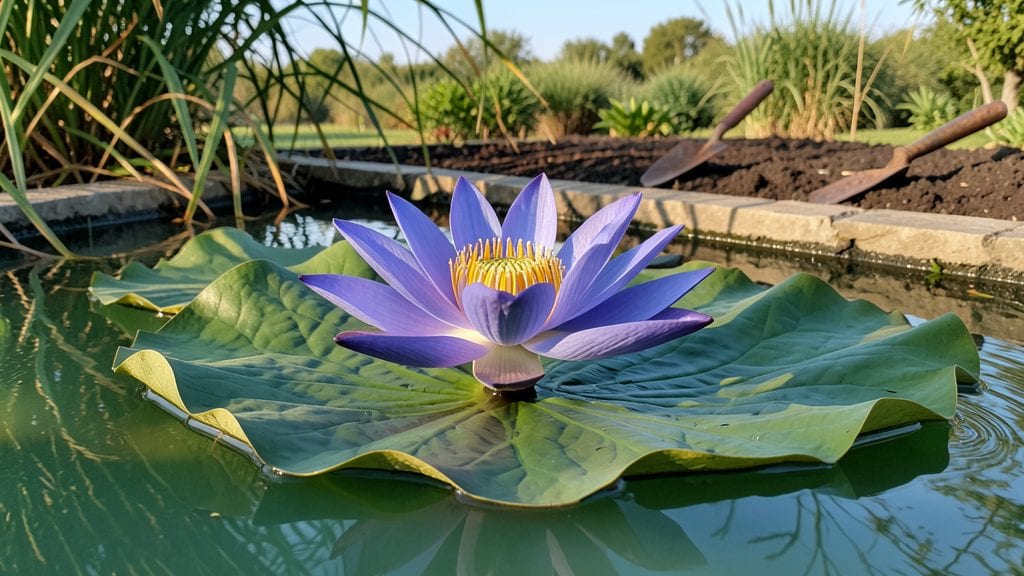
Growing the Egyptian lotus flower (Nymphaea caerulea) brings ancient Egypt’s sacred beauty to your own backyard—those iconic blue blooms float like living relics from the Nile. 🌿 I’ve nurtured these aquatic treasures for years, and the secret lies in mimicking their natural habitat with the right balance of sun, water, and patience.
The key isn’t just throwing tubers in a pond; it’s creating the perfect conditions where roots thrive and flowers emerge with that signature deep blue hue.
You’ll need a container at least 12 inches deep, rich organic soil mixed with sand for drainage, and full sun (6+ hours daily). The water should stay 12-18 inches deep—deeper for tubers, shallower for seeds.
Propagation starts with tubers in spring or seeds in warm water; both methods require warmth (70°F+) to germinate. Patience is critical—first blooms may take 2-3 years, but once established, these lotuses reward you with months of striking flowers.
Expect velvety blue blooms that open at dawn and close by afternoon, their petals unfolding like ancient scrolls. The foliage stays lush and glossy, while the roots develop into dense networks that anchor the plant.
With consistent care, your lotus becomes a centerpiece—whether in a large pot or a dedicated water garden. The challenge? Keeping water fresh and pests away, but the payoff is worth every effort.
This guide works best in USDA Zones 8-11, but container growing extends the range. In cooler climates, overwinter tubers indoors or move the container to a greenhouse.
The lotus thrives where others fear stagnant water—just add a small fountain or aerator to keep things moving. Ready to bring a piece of history to your garden?
📚 In This Guide
- What you need
- Instructions
- Tips and common mistakes
- Wrapping up and next steps
What you need
- ● Egyptian lotus seeds or tubers: 3–5 (ensure they’re Nymphaea caerulea or Nymphaea lotus for authenticity).
- ● Large container or pond: Minimum 18–24 inches deep (for tubers) or a shallow basin (6–12 inches) for seeds. Use a non-toxic, food-safe liner if indoors.
- ● Potting mix: 1 part peat moss, 1 part perlite, and 1 part sand (for tubers). For seeds, use waterlogged soil or a seed-starting mix with 50% water retention.
- ● Water: Dechlorinated (use a water conditioner like Seachem Prime or let tap water sit for 48 hours).
- ○ Gloves (optional but recommended—lotus roots can be prickly!).
- ● Trowel or small shovel (for planting tubers/seeds).
- ● pH test kit (ideal range: 6.5–7.5).
- ● Sunlight access: 6+ hours of direct sunlight daily (south-facing window or outdoor spot).
- ○ Fertilizer (optional): Liquid seaweed fertilizer or slow-release pond tabs (apply every 4–6 weeks).
- ○ Heat lamp (optional for indoors): 75–85°F to mimic Egyptian climate.
Step-by-Step instructions for growing Egyptian lotus in containers
This ancient beauty thrives with patience and precision—here's how to coax those iconic blooms from containers.
🌱 Step 1: Select the Right Container and Prepare the Soil
Egyptian lotus (Nymphaea caerulea) needs a minimum 18-inch diameter container with 12 inches of water depth—deeper is better. I use black plastic pots because they absorb heat and keep roots warm in cooler climates. Drill multiple ½-inch drainage holes near the bottom to prevent stagnant water, then line the pot with landscape fabric to stop soil from washing out.
Fill the bottom 6 inches with large river rocks or gravel for drainage, then add 4 inches of potting mix blended with 20% perlite—this prevents compaction and mimics its native muddy riverbed habitat. The mix should be moist but not soggy when squeezed; lotus roots need oxygen but hate waterlogged conditions.
☀️ Step 2: Plant the Rhizomes Correctly
Egyptian lotus grows from rhizomes, not seeds. Plant them horizontally just below the soil surface—no deeper than 1 inch—with the thicker end facing downward. Space 4 rhizomes per 18-inch pot (your target of 4 plants), arranging them in a star pattern around the container's edge. This encourages even growth and prevents overcrowding.
Gently press the soil around them but don’t compact—lotus roots need loose, airy soil to spread. Water lightly after planting to settle the soil without displacing the rhizomes. Place the pot in a shallow tray to catch any runoff, as lotus roots are sensitive to sudden moisture changes.
💧 Step 3: Master the Watering Routine
Here’s the trick: keep the water level 2-3 inches below the soil surface at all times. Fill the container to just below the rhizome line, then top up with lukewarm water (cold water shocks the roots). Use dechlorinated water—tap water’s chlorine can stress the plant. I add a small aquatic plant fertilizer tablet monthly to maintain nutrient levels without overfeeding.
Watch for yellowing leaves—this signals either too much light or nutrient burn. If the water gets murky within a week, change 50% of it immediately. Lotus roots are prone to rot if submerged too deeply or in stagnant water. A small aquarium pump (optional) keeps water circulating and oxygenated.
⏰ Step 4: Provide the Perfect Light and Temperature
Place your lotus in full sun (6-8 hours daily)—a south-facing window or grow lights 12 inches above work for indoor setups. Without enough light, stems grow leggy and blooms fail to open. In summer, partial afternoon shade prevents scorching in hot climates. I rotate the pot quarter-turn weekly so all sides get even light exposure.
Maintain water temperatures between 70-85°F—lotus is tropical and won’t bloom below 65°F. If your space dips below this, use a small submersible heater (set to 75°F) to keep roots cozy. In winter, move pots indoors near a bright, warm window or under grow lights for 14 hours daily to maintain dormancy-free growth.
🌿 Step 5: Encourage Blooms and Maintain Health
Blooms appear after 8-12 weeks of consistent care—patience is key. When buds form, reduce fertilizer to half-strength to avoid leafy growth at the expense of flowers. Deadhead spent blooms by snipping stems at the base with sterilized scissors to redirect energy to new flowers. I also prune yellow or damaged leaves to prevent fungal spread.
Watch for aphids or scale on new growth—wipe them off with a soapy sponge (1 tsp mild soap per gallon of water). If roots smell foul or turn black, rinse the rhizomes in fresh water and replant in sterilized potting mix. With proper care, a single pot can produce dozens of blooms per season, each lasting just 2-3 days—a fleeting but magical reward.
Tips & tricks for perfect Egyptian lotus flower growth
Bringing these ancient blooms to life takes more than just following instructions—here are the game-changing details that make all the difference.
Container Material Matters: While black plastic pots are ideal for heat absorption, ceramic containers work beautifully too—just ensure they're large enough (minimum 18-inch diameter) and have proper drainage. I've found that glazed ceramic pots actually help maintain more consistent moisture levels, though they may require slightly more frequent water checks during hot weather. The key is preventing temperature fluctuations that stress the rhizomes.
Rhizome Orientation is Critical: Planting rhizomes with the thicker end downward creates the perfect environment for root development. If you accidentally plant them upside down, don't panic—simply rotate them after 2 weeks and they'll adjust. The star pattern arrangement in Step 2 isn't just decorative; it creates optimal air circulation around each rhizome, preventing fungal issues that commonly plague container-grown lotus.
Water Quality is Non-Negotiable: For dechlorinated water, I recommend using a simple water conditioner designed for aquariums—it removes chlorine and heavy metals that can damage sensitive lotus roots. If you're using tap water, let it sit uncovered in a container for 24 hours before using to allow chlorine to dissipate naturally. The 2-3 inch water level below soil surface in Step 3 is crucial—any deeper and you risk root rot, any shallower and the rhizomes won't establish properly.
Light Rotation Strategy: The weekly quarter-turn rotation mentioned in Step 4 prevents the plant from leaning toward one light source. For indoor growers, I suggest placing a small mirror opposite your grow lights to reflect additional light onto the plant. This mimics natural sunlight patterns and helps create that perfect symmetry in leaf growth that lotus plants are known for.
Pro Tips for Egyptian Lotus Flower
- Bringing these ancient blooms to life takes more than just following instructions—here are the game-changing details that make all the difference.
- Container Material Matters: While black plastic pots are ideal for heat absorption, ceramic containers work beautifully too—just ensure they're large enough (minimum 18-inch diameter) and have proper drainage.
- Rhizome Orientation is Critical: Planting rhizomes with the thicker end downward creates the perfect environment for root development.
Frequently asked questions
Got questions about nurturing your own Egyptian lotus flower? You’re not alone! Here are answers to the most common queries—from beginners to seasoned plant parents.
How long does it take for an Egyptian lotus to bloom?
The wait is worth it! With ideal conditions (warmth, 6+ hours of sunlight, and consistent moisture), you can expect your first blooms within 2–3 months of planting tubers. Patience is key—these ancient beauties take time to unfold their iconic flowers. Pro tip: Keep water levels stable to speed up the process!
Can I grow an Egyptian lotus in a small container?
While they thrive in ponds or large containers (12"+ depth), you can grow them in 5-gallon buckets or even whiskey barrels with proper drainage. Just ensure the container holds at least 10 gallons per tuber and use a lightweight potting mix. See our recommendations here.
What do I do if my lotus leaves turn yellow?
Yellowing leaves usually signal nutrient deficiency, overwatering, or root rot. First, check the water quality—lotuses prefer clean, stagnant water (not chlorine-treated). If roots smell foul, trim the rotten parts and repot in fresh substrate. Need more help? Balance is everything!
Are there alternatives to the Egyptian lotus for beginners?
If the lotus seems too finicky, try these low-maintenance water plants first:
- Water hyacinth – Fast-growing, purifies water, blooms quickly.
- Water lettuce – Floating plant, thrives in shallow containers.
- Blue lotus (Nymphaea caerulea) – Smaller but easier to grow than the Egyptian variety.
How do I overwinter my Egyptian lotus tubers?
In colder climates (below 50°F), dig up tubers before frost, dry them in shade for 2 weeks, then store in a cool, dark place (like a fridge) with slightly damp peat moss. Replant in spring when water temps hit 70°F+. Full guide linked here.
Wrapping up and next steps
The Egyptian lotus flower isn’t just a symbol of ancient beauty—it’s a rewarding plant to grow, even in containers! With the right balance of sunlight, water, and patience, you can bring this majestic bloom back to life in your own space.
Whether you’re drawn to its cultural significance or simply its stunning petals, your green thumb is all you need to start this journey.
Ready to dive in? Start small—grow one plant in a pot this season, and let its magic unfold. Who knows? You might just become the guardian of a living piece of history! 🌸