
Planting
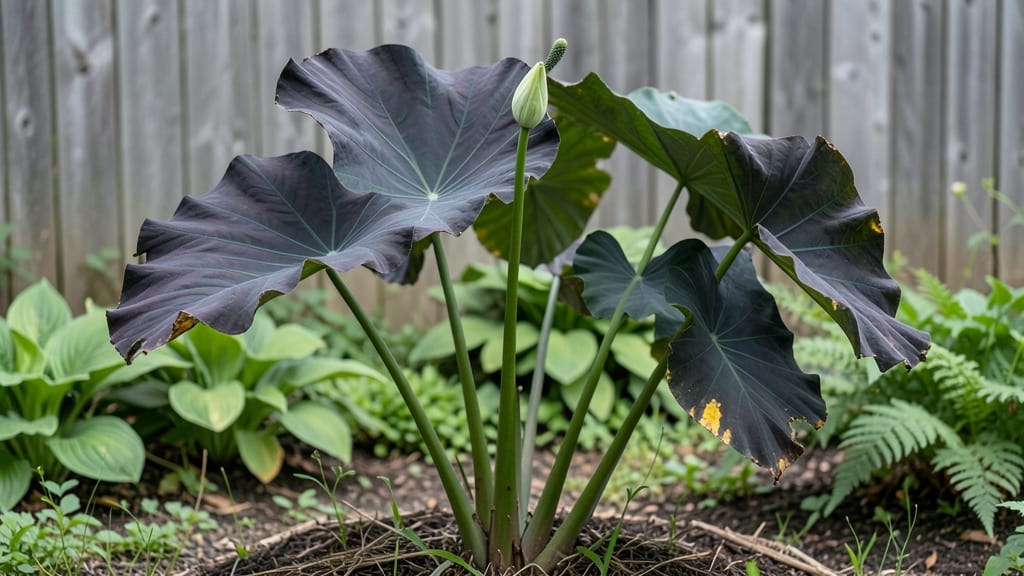
Those striking elephant ear plant flowers—with their dramatic, heart-shaped leaves—are the showstoppers of any garden, and they’re easier to grow than you’d think. 🌿 I’ve turned my shady corner into a lush tropical oasis by mastering their care, and you can too, even if you’ve never grown a bold foliage plant before.
Elephant ears thrive in partial shade, making them perfect for spots where sun-loving plants struggle. They love rich, moist soil—think of them as tropical divas who hate drying out.
With the right setup, they’ll reward you with glossy, oversized leaves that last from spring through fall (and even winter in warmer climates).
You’ll start with a foolproof planting routine—just dig a hole twice as wide as the root ball, add compost, and water deeply. Within weeks, you’ll see those signature leaves unfurling, creating instant drama. The key? Consistent moisture and a little winter prep if you’re in a cooler zone.
Whether you’re filling a shady bed or a large container, these plants deliver year-round impact with minimal fuss. Let’s get yours growing strong—no greenhouse or green thumb required!
📚 In This Guide
- What you need
- Instructions
- Tips and common mistakes
- Wrapping up and next steps
What you need
- ● Elephant ear plant tubers or seeds: 1–3 Colocasia or Alocasia tubers (choose varieties like Colocasia esculenta ‘Black Magic’ or Alocasia polly for vibrant foliage and occasional blooms).
- ○ Optional: Seeds (if propagating from scratch—slower but rewarding!).
- ● Well-draining potting mix or garden soil: 5–10 gallons (for containers) or amended garden soil (for in-ground planting). Mix in 20–30% perlite or coconut coir to improve drainage.
- ● Container (if not planting in-ground): 1–2 large pots (12–18 inches in diameter) with drainage holes, or a raised bed.
- ○ Slow-release fertilizer (optional but recommended): 1–2 cups of balanced 10-10-10 or organic compost (like worm castings or fish emulsion).
- ● Trowel or garden spade (for digging).
- ● Gloves (to protect hands from rough leaves and soil).
- ● Watering can or hose with a gentle spray nozzle.
- ○ Optional: Mulch (straw or shredded leaves to retain moisture).
- ○ Optional: Plant supports (if growing large varieties like Alocasia in containers).
- ● Sunlight: Partial shade to full sun (6+ hours/day for tropical varieties).
- ● Climate: Thrives in USDA zones 8–11; in cooler zones, grow as annuals or overwinter tubers indoors.
- ● Water: Keep soil consistently moist (not soggy)—elephant ears love humidity!
- ● Patience: Tubers take 4–6 weeks to sprout; seeds may take 8–12 weeks.
Step-by-Step instructions for growing stunning elephant ear plants
Here’s how to cultivate these bold tropical plants with minimal fuss—no greenhouse required.
🌱 Step 1: Select and Prepare the Perfect Planting Site
Elephant ears thrive in partial shade to full sun, but their massive leaves burn easily in intense afternoon heat. I always choose a spot with morning sun and afternoon shade—think dappled light under tall trees or a north-facing patio. The soil must drain well, but they tolerate clay if amended with organic matter.
Dig a hole twice as wide as the root ball but no deeper. Loosen the sides of the hole with a fork to encourage root spread. If your soil is heavy, mix in 2-3 inches of compost into the bottom—this prevents waterlogging, which kills their roots faster than drought.
☀️ Step 2: Plant at the Right Depth and Spacing
Set the plant so the top of the root ball sits level with the soil surface—burying too deep suffocates the crown, while planting too high leaves it vulnerable to temperature swings. Space 4-6 feet apart for mature plants; their leaves grow 2-3 feet wide, and crowding leads to fungal issues.
Backfill with native soil mixed with compost or aged manure, pressing gently to remove air pockets. Water deeply right after planting to settle the soil and eliminate gaps. You’ll see new growth within 2-3 weeks if conditions are right—watch for bright green, glossy leaves as your signal.
💧 Step 3: Water Deeply and Maintain Consistent Moisture
Elephant ears despise dry soil but hate soggy roots even more. Water once a week in summer, soaking the ground to 12 inches deep—use a moisture meter to check. In winter, cut back to every 2-3 weeks, letting the top 2 inches of soil dry out between waterings.
Mulch with 3-4 inches of shredded bark or leaves to retain moisture and regulate soil temperature. Keep mulch 6 inches away from the stem to prevent rot. Overwatering causes yellowing leaves, while underwatering makes them crisp and brittle—both are easy to fix if caught early.
✂️ Step 4: Fertilize and Prune for Year-Round Growth
Feed every 4-6 weeks in spring and summer with a balanced, slow-release fertilizer (10-10-10). I avoid high-nitrogen blends—they promote lush foliage at the expense of flowers. In fall, switch to a low-nitrogen, high-phosphorus fertilizer to encourage root development for winter.
Deadhead spent flowers by snipping stems back to the nearest leaf node—this redirects energy to new growth. In late fall, cut back one-third of the foliage to reduce winter water needs. Never prune into old, woody stems; new growth emerges from the base each spring.
🪴 Step 5: Protect and Overwinter for Next Year
In USDA Zones 8-10, elephant ears survive winter outdoors if mulched heavily. In colder zones, dig up tubers in late fall, store in sphagnum moss or peat in a cool, dark place (40-50°F), and replant in early spring. Avoid refrigerators—they release ethylene gas, which stunts growth.
Before the first frost, apply a 4-inch layer of straw mulch over the roots. In spring, remove old mulch and fertilize lightly as new shoots emerge. You’ll know it’s time to replant when shoots reach 4-6 inches tall—they’re tough enough to handle transplanting then.
Tips & tricks for perfect elephant ear plant flower growth
These pro-level insights will help you coax even more dramatic foliage and vibrant blooms from your tropical showstoppers—without the guesswork.
Soil Prep Secret: When amending heavy clay soil in Step 1, mix in 2-3 inches of compost AND add a handful of perlite or coarse sand to the hole. This creates the perfect drainage balance—elephant ears hate soggy roots but need consistent moisture. I’ve seen plants double in size within a single season when planted in this improved soil blend.
Planting Depth Visual: For Step 2, use a small stick or marker to mark the soil level before planting. The top of the root ball should sit exactly at this line—any deeper and you’ll suffocate the crown, any higher and it’ll dry out. I’ve lost count of how many times I’ve buried plants too deep, only to watch them struggle for months to recover.
Watering Hack: In Step 3, use a garden trowel to create small holes around the base of the plant after watering. This encourages deeper root growth toward the moisture. I’ve noticed plants with these "water channels" develop stronger stems and larger leaves by midsummer compared to those watered conventionally.
Winter Prep Timeline: For Step 5 in colder zones, start your frost protection 2 weeks before the first predicted frost date. This gradual hardening off gives the tubers time to adjust. I’ve had plants survive winters where others died because I began mulching early—don’t wait until the first freeze to act.
Pro Tips for Elephant Ear Plant Flower
- These pro-level insights will help you coax even more dramatic foliage and vibrant blooms from your tropical showstoppers—without the guesswork.
- Soil Prep Secret: When amending heavy clay soil in Step 1, mix in 2-3 inches of compost AND add a handful of perlite or coarse sand to the hole.
- Planting Depth Visual: For Step 2, use a small stick or marker to mark the soil level before planting.
Frequently asked questions
Got questions about growing elephant ear plant flowers? You’re not alone! Here are answers to the most common concerns—from care tips to troubleshooting—to help your tropical beauty thrive.
Do elephant ear plants actually produce flowers?
Yes! While their large, dramatic leaves steal the show, Colocasia and Alocasia species (commonly called elephant ears) do bloom—but it’s rare in home gardens. Flowers appear on tall spikes (spathes) in late summer, but they’re often short-lived. Focus on the foliage for year-round impact!
How long does it take for elephant ear plants to flower?
Flowering is unpredictable and depends on maturity, light, and care. Most plants take 1–3 years to bloom, if ever. Prioritize healthy growth first—rich soil, shade, and consistent moisture will encourage lush leaves (and might trigger flowers later).
Why aren’t my elephant ear leaves growing big?
Small leaves usually mean underwatering, poor soil, or insufficient light. Ensure they’re in partial shade (morning sun max) and water when the top 1–2 inches of soil dry out. Amend heavy clay soil with compost for better drainage—root rot is a common culprit!
Can I grow elephant ear plants in containers?
Choose a large pot (15+ gallons) with drainage holes and a well-draining potting mix. Variegated varieties (like Colocasia ‘Black Stem’) thrive in containers. Move them indoors or to a sheltered spot in winter if temps drop below 40°F (4°C).
Are there non-flowering elephant ear alternatives?
If you love the look but want to skip the flowers, try Alocasia ‘Polly’ or Colocasia ‘Raft’—both focus on stunning foliage. For extra drama, pair with Caladiums (angel wings) or Philodendrons in shady garden beds. No blooms? No problem!
| Quick Fix | Issue |
|---|---|
| Boost compost | Yellowing leaves |
| Water deeply 2x/week | Drooping leaves |
| Trim dead leaves | Pests (slugs/snails) |
Wrapping up and next steps
The elephant ear plant flower brings bold tropical drama to any garden with minimal effort—just provide the right soil, sunlight, and care!
Whether you’re a seasoned gardener or a beginner, these striking plants reward you with vibrant foliage and occasional blooms that turn heads. Now’s your chance to transform your outdoor space!
Ready to dive in? Start by gathering your supplies and pick a sunny spot—your elephant ears are waiting to thrive! 🌿✨