
Flowers
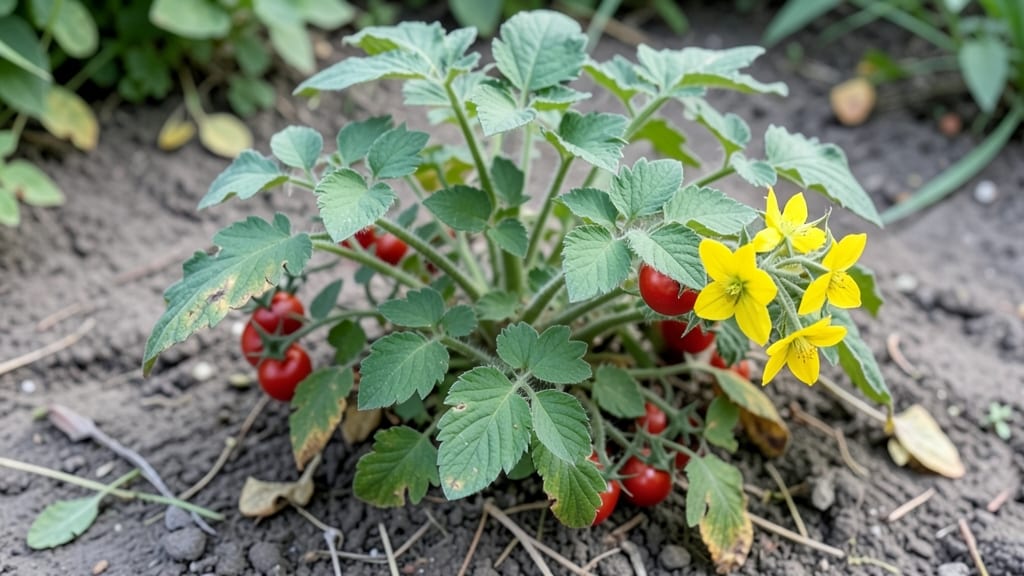
Growing Tiny Tim tomato flowers in the Pacific Northwest means you can finally have tomatoes without the frost worries—these little powerhouses produce sweet, cherry-sized fruit even when temperatures dip. 🌱 I discovered them after my usual tomato plants gave up in May, and now they’re my go-to for containers or small gardens.
They’re not just frost-resistant; they’re year-round performers when given the right care.
The secret to their success lies in their compact size—perfect for 5-gallon pots or raised beds—and their ability to thrive in cooler climates.
You’ll need well-draining soil, at least 6 hours of sunlight daily, and consistent watering to avoid blossom-end rot, but the payoff is worth it: clusters of bright yellow flowers that turn into bursting-with-flavor tomatoes by midsummer. Even in partial shade, they outperform most varieties.
Pruning isn’t just about shape—it’s about encouraging more flowers. Pinch off suckers early, and you’ll trigger a cascade of blooms that keep producing until frost. The flowers themselves are a sight: tiny trumpets that hum with bees, followed by sweet, tangy fruit that’s perfect for snacking straight off the vine.
Once you try them, you’ll wonder why you ever grew anything else.
They’re forgiving but not foolproof—watch for aphids on new growth and rotate containers for even sunlight. With the right setup, you’ll harvest pounds of tomatoes from a single plant, even in a balcony garden. Ready to grow yours?
📚 In This Guide
- What you need
- Instructions
- Tips and common mistakes
- Wrapping up and next steps
What you need
- ● Tiny Tim tomato plant (1-2 plants per container or 3-4 plants per in-ground space, depending on desired yield). Look for certified organic or disease-resistant varieties for best results.
- ● Well-draining potting mix (5-10 gallons, depending on container size). A blend of peat moss, perlite, and compost (3:1:1 ratio) works perfectly.
- ● Containers or garden bed: For containers: 5-gallon fabric pots or ceramic pots (12"+ diameter) with drainage holes.
- ● For in-ground: Full sun exposure (6+ hours/day) in a raised bed or well-amended soil.
- ● Balanced fertilizer (5-10-5 or 10-10-10, 1 tbsp per plant at planting and every 4-6 weeks). Organic options like fish emulsion or worm castings are great alternatives!
- ● Mulch (2-3 inches of straw, wood chips, or shredded leaves) to retain moisture and protect roots from frost.
- ● Stakes or cages (3-4 ft tall, 1-2 per plant) to support the sprawling vines.
- ● Garden trowel or transplanting spade for planting.
- ● Watering can or hose with a gentle spray nozzle (avoid overhead watering to prevent disease).
- ● Pruning shears for trimming dead leaves or shaping the plant.
- ○ pH testing kit (optional but helpful). Tiny Tim thrives in slightly acidic to neutral soil (pH 6.0-7.0).
- ● Row covers or frost cloth (if planting early/late in the PNW’s cooler seasons).
- ● Gloves and knee pads for comfort during planting and maintenance.
- ● Slow-release fertilizer pellets for hands-off nutrition.
- ● Drip irrigation system to automate watering.
- ● Compost tea or mycorrhizal fungi to boost soil health.
- ● Decorative trellis or obelisk for a cute, space-saving display.
Step-by-Step guide to cultivating Tiny Tim tomato flowers in the Pacific Northwest
This hardy variety thrives in cooler climates—here’s how to coax its delicate blooms year-round.
🌱 Step 1: Select the Right Location and Prepare the Soil
Tiny Tim tomatoes adore 6+ hours of sunlight daily, but they’re far more forgiving than most varieties. In the Pacific Northwest’s cooler summers, a south-facing spot with afternoon shade works perfectly. I always test soil moisture first—stick your finger in 6 inches deep; if it feels dry, you’re ready to prep.
Amend the soil with 2-3 inches of compost mixed into the top 12 inches to improve drainage. Tiny Tims hate soggy roots, so if your soil stays damp for more than a day after rain, consider building a raised bed or mounding soil around the plant for better airflow. A pH between 6.0-6.8 is ideal—test your soil if you’re unsure.
☀️ Step 2: Plant at the Correct Time and Depth
Unlike heat-loving tomatoes, Tiny Tims tolerate cooler soil and can be planted 2-3 weeks earlier than other varieties in your region. Wait until nighttime temperatures stay above 50°F—this prevents blossom-end rot later. Dig a hole just deep enough to bury the plant’s first set of leaves, but no deeper.
Space plants 18-24 inches apart in rows 24 inches apart to allow air circulation. If growing in containers, use pots at least 12 inches deep and wide—Tiny Tims may be small, but their roots need room to explore. Water deeply right after planting to settle the soil around the roots, but avoid overwatering, which can drown tender new growth.
💧 Step 3: Water and Fertilize for Consistent Blooms
Tiny Tims need 1-1.5 inches of water weekly, but they’re drought-tolerant once established. Water at the base of the plant in the morning to reduce fungal risks. I use a soaker hose to keep leaves dry—wet foliage invites early blight, a common issue in PNW’s damp climate.
Feed with a balanced 10-10-10 fertilizer every 4-6 weeks starting when flowers appear. Tiny Tims respond well to organic options like fish emulsion or compost tea, which also improve soil structure. Stop fertilizing 4-6 weeks before your first frost to allow fruits to ripen fully.
✂️ Step 4: Prune and Support for Maximum Flower Production
Unlike indeterminate tomatoes, Tiny Tims don’t need heavy pruning, but removing suckers (the shoots that grow between the stem and branches) encourages more flowers. Pinch off suckers when they’re 2 inches long—this redirects energy to fruit production. I also trim any leaves touching the soil to prevent disease.
Stake each plant with a 4-foot tall tomato cage or bamboo stake as soon as you plant. Tiny Tims may be compact, but their fruit can get heavy, and wind in the PNW will topple them. Prune any branches that grow beyond the stake to keep the plant contained and airflow optimal.
🌿 Step 5: Protect Flowers and Fruit Through Seasonal Changes
Tiny Tims are frost-resistant, but their flowers and fruit need protection when temperatures dip below 55°F at night. Cover plants with a frost cloth or row cover during cold snaps, securing the edges with bricks or soil. Remove covers during the day to allow pollination—bees need access to those tiny flowers!
Harvest when fruits are fully colored and slightly soft to the touch. Tiny Tims ripen quickly, so check plants every 2-3 days in peak season. If frost threatens before all fruit ripens, pick green tomatoes and ripen them indoors on a sunny windowsill. Their sweet, tangy flavor makes them worth the extra effort.
Tips & tricks for perfect Tiny Tim tomato cultivation
Here's what nobody tells you about growing these resilient beauties—these tricks will give you the most blooms and fruit all season long.
Soil Prep Secret: In Step 1, when amending with compost, mix in a handful of egg shells (crushed) into the top 12 inches of soil. The calcium helps prevent blossom-end rot, which is especially common in our cool, damp climate. I also add a thin layer of gravel at the bottom of containers to improve drainage—this prevents waterlogged roots that Tiny Tims absolutely hate.
Timing is Everything: The 2-3 weeks earlier planting window in Step 2 is key for our PNW climate. Use a soil thermometer to confirm nighttime soil temps are above 50°F—this prevents the classic "cool soil shock" that stunts growth. I've found that planting in late April (instead of May) gives my plants a head start before summer rains arrive.
Watering Wisdom: For Step 3's 1-1.5 inches weekly guideline, I measure by collecting rainwater in a tuna can placed under the plant. Morning watering is non-negotiable—wet leaves at night create the perfect conditions for early blight. If you're using a soaker hose, run it for 10-15 minutes rather than guessing. Consistency is more important than exact amounts.
Pruning Precision: When removing those 2-inch suckers in Step 4, use clean pruning shears dipped in rubbing alcohol between plants. I've learned the hard way that leaving even one sucker can divert energy from fruit production. For staking, I prefer bamboo stakes over cages—they're more stable in our windy summers and allow better airflow around the plant.
Pro Tips for Tiny Tim Tomato Flower
- Here's what nobody tells you about growing these resilient beauties—these tricks will give you the most blooms and fruit all season long.
- Soil Prep Secret: In Step 1, when amending with compost, mix in a handful of egg shells (crushed) into the top 12 inches of soil.
- Timing is Everything: The 2-3 weeks earlier planting window in Step 2 is key for our PNW climate.
Frequently asked questions
Got questions about growing Tiny Tim tomato flowers in the Pacific Northwest? You’re not alone!
Here are answers to the most common queries—from frost survival to care tips—so you can enjoy these cheerful blooms year-round.
How cold can Tiny Tim tomato flowers handle?
Tiny Tim is one of the hardiest tomato varieties, surviving light frosts down to 20°F (-6°C). However, prolonged exposure to sub-freezing temps may damage foliage—just like with other tender perennials. For extra protection, mulch heavily with straw or use frost cloth in winter.
When is the best time to plant Tiny Tim tomato flowers?
Plant after the last frost in spring (April–May) for summer blooms, or in early fall (September) for winter interest. In mild PNW climates, you can even plant in late winter (February–March) for early spring flowers. Just ensure soil temps are above 40°F (4°C) for best germination.
Can Tiny Tim tomato flowers grow in containers?
These compact plants thrive in 5–10 gallon containers with well-draining soil. Use a mix of potting soil and compost, and place pots in full sun (6+ hours/day). Containers warm up faster in spring, giving you an earlier start. Just remember to water consistently—container plants dry out quicker!
What pests or diseases should I watch for?
Common issues include:
- Aphids: Spray with soapy water or introduce ladybugs.
- Blight: Improve airflow, avoid overhead watering, and remove infected leaves.
- Whiteflies: Use yellow sticky traps or neem oil.
Are there alternatives to Tiny Tim for frost-resistant flowers?
If you love cold-hardy blooms, try:
- Heather (Calluna)
- Winter Jasmine (Jasminum nudiflorum)
- Coral Bells (Heuchera)
- Dwarf Lilac (Syringa meyeri)
Wrapping up and next steps
The Tiny Tim tomato flower isn’t just a charming addition to your garden—it’s a resilient, year-round star for Pacific Northwest gardeners! 🌱 With its frost resistance and compact beauty, it’s perfect for adding color and life to any space, even in cooler climates.
Whether you’re a seasoned gardener or just starting out, this little gem makes growing easier and more rewarding.
Ready to bloom with confidence? Grab your seeds, follow the steps, and watch your garden flourish! Start planting today—your future garden will thank you! 🌸