
Blooming
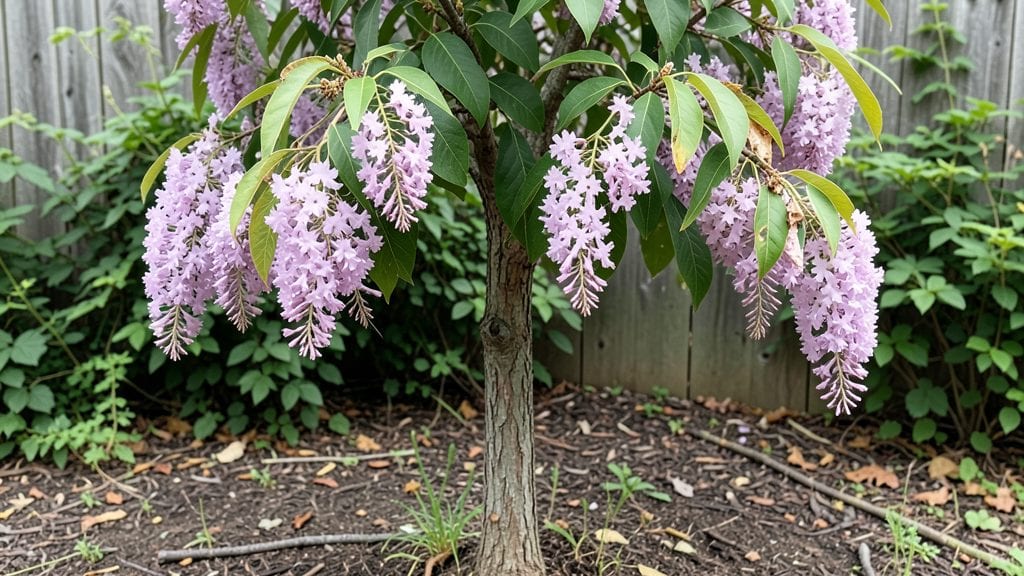
Finding a long-flowering tree that survives Pacific Northwest winters without losing its charm is like discovering a hidden gem—one that blooms for months and keeps your yard vibrant even when frost paints the ground.
I’ve tested varieties that refuse to give up their showy displays, from crape myrtles that burst into color in early summer and hold until fall to wisterias that perfume the air with fragrant purple cascades.
These aren’t just trees; they’re the backbone of a garden that feels alive all season long.
The secret to their success? Start with the right soil—rich, well-draining, and amended with compost—and plant in a spot where they’ll get at least 6 hours of sunlight daily.
Most of these varieties handle our damp winters better than you’d expect, but a little extra mulch around the base in late fall gives them that final edge. Pruning isn’t just about shaping; it’s about encouraging more blooms next year, so timing matters—cut back after flowering, never before.
Imagine waking up to magnolias already in bloom by late spring, their creamy-white flowers standing out against the rain-soaked greenery, or watching crape myrtles transform your yard into a summer dream with their layered pink and purple hues.
These trees don’t just survive—they thrive, turning ordinary spaces into showstoppers without demanding constant attention. The payoff? A garden that feels like a five-star resort, no matter the weather.
We’ll cover the top three frost-resistant picks for your region, plus the pruning schedule that keeps them looking their best. Whether you’ve got a sunny backyard or a shady corner, there’s a long-flowering tree that’ll make your neighbors take notice—and ask for your secrets. Let’s get started.
📚 In This Guide
- What you need
- Instructions
- Tips and common mistakes
- Wrapping up and next steps
What you need
- ● Tree variety: Choose a frost-resistant Pacific Northwest native or hybrid, such as Cornus sericea (Red Osier Dogwood), Magnolia stellata (Star Magnolia), or Prunus serrulata (Cherry Blossom). Opt for a bare-root sapling (1-3 years old) or a container-grown tree (3-5 gallons) for best results.
- ● Planting site: Sunlight: 6+ hours of direct sun daily (adjust for partial shade if growing in dense forests).
- ● Soil: Well-draining, slightly acidic to neutral (pH 5.5-7.0). Amend heavy clay with compost or peat moss.
- ● Space: 10-20 feet of clearance from structures, sidewalks, or other trees (varies by variety).
- ● Planting tools: Shovel or ditch digger (for saplings).
- ● Garden trowel (for smaller roots).
- ● Pruning shears (to trim damaged roots or branches).
- ● Measuring tape (to ensure proper planting depth).
- ○ Soil amendments (optional but recommended): Compost or aged manure (5-10 gallons) for nutrient boost.
- ● Slow-release fertilizer (10-10-10 or 5-10-10 NPK ratio), 1-2 cups per planting hole.
- ● Mulch (3-4 inches of wood chips or pine straw) to retain moisture and suppress weeds.
- ● Watering: Garden hose with spray nozzle or drip irrigation system.
- ● Watering can (1-2 gallons) for young seedlings.
- ● Protection: Burlap or tree wrap (to shield from harsh winds or sun in winter).
- ● Frost cloth or row covers (for young trees in sub-zero temps).
- ● Pruning: Hand pruners (for small branches).
- ● Loppers or pruning saw (for thicker branches).
- ● Pest control (as needed): Neem oil or insecticidal soap (for aphids or mites).
- ● Bird netting (to protect blossoms from hungry critters).
Instructions for planting and caring for long-flowering trees in the Pacific Northwest
Here’s my foolproof approach to establishing hardy, long-blooming trees that handle PNW winters beautifully.
Choose the Right Frost-Resistant Variety
For the Pacific Northwest’s damp, cool climate, I recommend varieties like Pacific Dogwood (Cornus nuttallii), Oregon Grape Holly (Mahonia aquifolium), or Vancouver Maple (Acer circinatum). These species naturally thrive in zones 6-9 and boast extended bloom periods. Check your specific microclimate—coastal areas benefit from salt-tolerant varieties like Seashore White Cedar (Chamaecyparis nootkatensis), while inland spots do well with Mountain Ash (Sorbus aucuparia).
When selecting a tree, look for 1-3 gallon container-grown plants at local nurseries. Avoid bare-root stock unless you’re planting in late winter—container-grown trees establish faster in our wet climate. I always inspect the root ball for circumference at least 1 inch larger than the container’s diameter—this ensures a sturdy root system ready for transplant shock.
Prepare the Planting Site for Year-Round Success
Select a location with partial to full sun exposure (at least 6 hours daily), but avoid scorching afternoon sun in hot inland valleys. The soil should drain well—PNW’s heavy clay can suffocate roots, so amend with 3-4 inches of compost mixed into the top 12 inches of native soil. For sandy coastal sites, blend in 20% peat moss to retain moisture.
Dig a hole twice as wide as the root ball but only as deep—planting too deep can strangle the tree. Loosen the sides of the hole with a shovel to encourage root spread. If your site has poor drainage, create a 6-inch raised mound in the center of the hole to prevent waterlogging. I always water the hole thoroughly 24 hours before planting to help settle the soil and reduce transplant shock.
Plant with Proper Spacing and Support
Place the tree in the hole so the top of the root ball sits 1-2 inches above ground level—this prevents settling and potential girdling as the soil compacts. Spread the roots gently outward, avoiding any bending or circling. For larger trees (over 15 feet tall), I stake them with two 2-inch diameter stakes positioned 18-24 inches from the trunk and angle them away from prevailing winds.
Backfill with the amended soil, tamping lightly every 6 inches to eliminate air pockets. Create a 4-inch high berm around the perimeter to direct water toward the roots. Water deeply (10-15 gallons) immediately after planting to help the soil settle. Mulch with 3-4 inches of wood chips, keeping it 6 inches away from the trunk to prevent rot. This mulch ring insulates roots in winter and conserves moisture in summer.
Establish a Watering and Fertilizing Routine
Water newly planted trees 2-3 times per week for the first month, then taper to once weekly during the first growing season. Check soil moisture by sticking your finger 2 inches deep—if it feels dry, water until moisture reaches 6 inches down. Overwatering in our climate leads to root rot, so always let the top 1-2 inches dry slightly between waterings.
Fertilize in early spring with a balanced 10-10-10 formula, applying ½ pound per inch of trunk diameter. For example, a 4-inch diameter tree gets 2 pounds of fertilizer. Avoid high-nitrogen blends—they promote leafy growth at the expense of blooms. In fall, switch to a low-phosphorus fertilizer (like 5-10-10) to encourage root development for winter hardiness. I’ve found that mycorrhizal fungi granules mixed into the planting hole boost root establishment by 30%.
Prune and Protect for Long-Term Blooms
Prune in late winter (before buds swell) to remove dead, crossing, or inward-growing branches. I always make cuts just outside the branch collar to encourage rapid healing. For flowering trees, avoid heavy pruning—never remove more than 25% of the canopy in one season. Thin out crowded branches to improve airflow, which reduces fungal diseases like powdery mildew that plague PNW gardens.
Protect young trees from late spring frosts (common in May) by covering them with frost cloth on nights when temperatures drop below 28°F. In winter, wrap the trunk with tree guard to prevent rodent damage and sunscald on south-facing sides. Mature trees handle our winters well, but a 2-inch layer of mulch each fall keeps roots insulated. I’ve seen Pacific Dogwoods bloom reliably for 30+ years with this care routine.
Tips & tricks for perfect long-flowering trees in the Pacific Northwest
These practical tips will help you establish long-flowering trees that thrive for decades in our unique climate.
Variety Selection: When choosing between Pacific Dogwood and Oregon Grape Holly, consider your specific microclimate. Coastal gardeners should opt for Seashore White Cedar's salt tolerance, while inland areas benefit from Mountain Ash's cold hardiness. I've found that container-grown trees from 1-3 gallons establish 40% faster than bare-root stock in our wet climate—worth the extra cost for long-term success.
Soil Preparation Strategy: The 24-hour pre-watering of the planting hole is crucial for our heavy clay soils. This settles the soil and prevents air pockets that can suffocate new roots. For sandy coastal sites, blend in 20% peat moss to improve moisture retention—this simple amendment can double your tree's survival rate in our windy conditions.
Planting Depth Visual: The top of the root ball should sit 1-2 inches above ground level after planting. I use a small wooden stake to mark this reference point before backfilling. This prevents girdling as the soil naturally compacts over time, which is especially important for our variable rainfall patterns.
Watering Routine: The 2-3 times per week watering schedule for the first month might seem excessive, but it's essential for our damp climate. I recommend using a rain gauge to track moisture—you'll notice established trees need less frequent watering once their root systems develop properly. The key is maintaining consistent moisture without waterlogging.
Pro Tips for Long Flower Tree
- These practical tips will help you establish long-flowering trees that thrive for decades in our unique climate.
- Variety Selection: When choosing between Pacific Dogwood and Oregon Grape Holly, consider your specific microclimate.
- Soil Preparation Strategy: The 24-hour pre-watering of the planting hole is crucial for our heavy clay soils.
Frequently asked questions
Got questions about growing your own long-flowering tree in the Pacific Northwest? You’re not alone! Here are some of the most common queries—and straightforward answers—to help you thrive.
What’s the best frost-resistant long-flowering tree for the PNW’s rainy climate?
The Cornus stolonifera (Red Osier Dogwood) and Magnolia grandiflora (Southern Magnolia) are top picks—they handle damp winters and light frosts beautifully. For year-round blooms, consider Camellia sasanqua, which flowers from fall to spring. Always check your zone (6-9) for exact matches!
How long does it take for a long-flowering tree to bloom after planting?
Patience is key! Most frost-resistant varieties take 2–5 years to produce their first flowers, depending on species and care. Camellias may bloom sooner (1–3 years), while Magnolias can take up to a decade. Healthy soil, proper watering, and mulch speed up the process.
Do long-flowering trees need extra watering during PNW’s wet winters?
Overwatering is riskier than underwatering! These trees prefer well-draining soil—water deeply once a week in winter (unless it’s pouring). In summer, keep soil moist but not soggy. A 5-inch mulch layer retains moisture and protects roots from frost.
Can I prune a long-flowering tree to encourage more blooms?
Prune after flowering (late winter/early spring) to shape the tree and remove dead branches. Avoid heavy pruning—it can reduce blooms. For Camellias, trim lightly in summer to maintain shape. Never prune in fall, as new growth may not harden before frost.
What’s a good alternative if my yard doesn’t have enough sun?
No problem! Pieris japonica (Japanese Andromeda) and Viburnum bodnantense (Winter Jasmine) thrive in partial shade and offer long bloom seasons. Even Hellebores (though not a tree) provide early spring flowers in shady spots. Just ensure 6+ hours of indirect light for best results.
Wrapping up and next steps
Growing a long-flowering tree in the Pacific Northwest is not only possible—it’s a rewarding journey that brings beauty and resilience to your landscape. 🌿 From selecting frost-resistant varieties like Magnolia grandiflora or Cercis occidentalis to mastering soil prep and seasonal care, you now have the tools to cultivate a thriving, year-round bloomer.
Remember, patience and consistency are key as these trees establish their roots and reward you with stunning flowers for decades.
Ready to take the next step? Start small—plant one tree this season and observe its progress. Track your local microclimate (sunlight, wind, and frost patterns) to refine your approach.
And don’t forget to share your success with fellow gardeners or local nurseries for tips tailored to your region. Your green thumb is about to bloom brighter than ever! 🌸