
Flowers
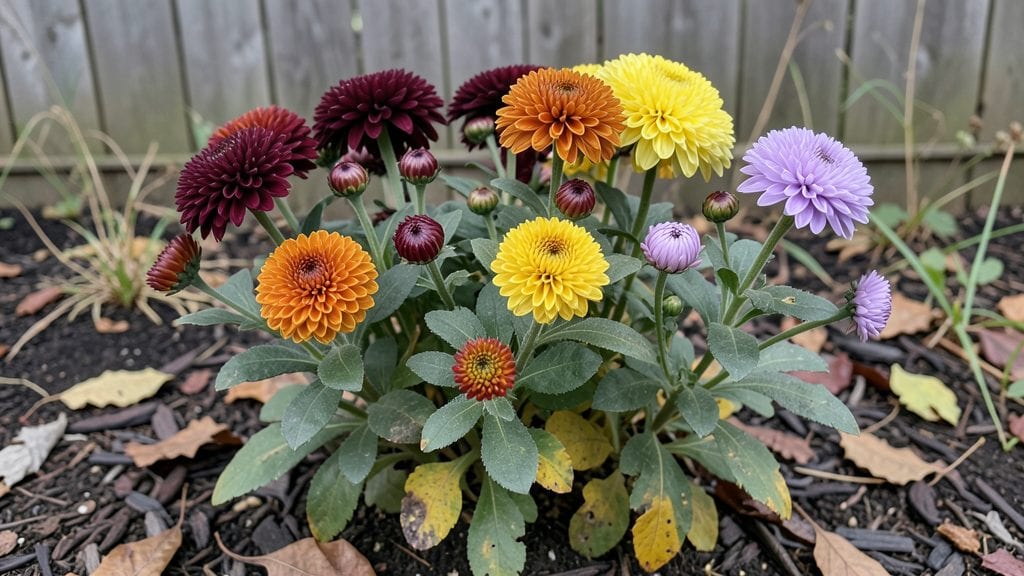
Fall garden flowers bring a burst of color when most gardens fade—chrysanthemums, asters, and pansies thrive in cool weather and turn your yard into a cozy autumn showcase. 🌿 I learned the hard way that planting too late or skipping frost prep means wilted blooms by November, but the right timing and care keep them vibrant until hard frost.
The secret lies in choosing varieties that love crisp air and giving them a little extra protection when temperatures dip.
You’ll need just a few supplies: well-draining soil, a light mulch layer, and a sunny spot that gets at least 6 hours of sunlight daily. Fall-blooming flowers actually prefer cooler temps—they bloom better when nights are chilly, unlike summer annuals that struggle as heat lingers.
A balanced fertilizer applied in early fall gives them the energy to keep flowering until winter sets in.
Imagine walking through a garden where deep purples, golden yellows, and soft whites create a tapestry of color against the changing leaves. These flowers won’t just survive the season—they’ll outperform summer blooms with less maintenance.
With the right varieties and a little frost protection, you can extend your garden’s life until the first snowflakes fall.
Whether you’re filling containers on a porch or refreshing garden beds, these late-season stars adapt easily. The key is starting 6-8 weeks before your first frost—early enough for roots to establish but late enough to avoid summer’s heat stress.
Let’s make your fall garden the most stunning it’s ever been.
📚 In This Guide
- What you need
- Instructions
- Tips and common mistakes
- Wrapping up and next steps
What you need
- ● Fall-blooming flower seeds or bulbs: Choose from chrysanthemums, asters, pansies, marigolds, or ornamental kale. Opt for cool-season varieties (check seed packets for "fall planting" labels).
- ● Potting soil or garden soil: 5–10 bags (or enough to fill raised beds/containers). Use well-draining, nutrient-rich soil (amend with compost if needed).
- ● Compost or organic fertilizer: 1–2 bags (e.g., 10-10-10 or bone meal for bulbs).
- ● Mulch: Straw, shredded leaves, or pine needles (2–3 inches thick).
- ● Garden trowel or hand shovel (for planting seeds/bulbs).
- ● Gloves (to protect hands from soil and thorns).
- ● Watering can or hose with a gentle spray nozzle (avoid heavy pressure).
- ● Pruners or shears (for trimming dead foliage).
- ● Measuring tape or ruler (to space plants correctly).
- ● Garden markers (to label varieties).
- ● Row covers or frost cloth (for early/late frosts).
- ● Slow-release fertilizer spikes (for bulbs like tulips).
- ● Decorative stones or mulch rings (for a polished look).
How to design a stunning fall garden flower display
Here's the simple, foolproof way to keep your garden vibrant long after summer fades.
🌱 Step 1: Choose the Right Flowers for Your Climate
Fall-blooming flowers thrive in cooler temperatures, so select varieties that match your zone. Chrysanthemums and asters handle crisp air beautifully, while pansies and snapdragons tolerate light frosts. I always check the USDA zone range on seed packets—some varieties like goldenrod or Russian sage can handle 20°F nights, while others like marigolds wilt below 35°F.
For a continuous bloom, stagger planting times by 2-3 weeks. Start with early bloomers like black-eyed Susans, then add mid-season dahlias, and finish with late chrysanthemums. You'll see a seamless transition of color from September through November. Mix heights too—tall sunflowers or cockscomb (4-6 feet) anchor the back, while pansies and sweet alyssum spill over edges.
☀️ Step 2: Prepare the Soil for Cool-Season Growth
Fall flowers need well-draining soil that stays warm enough to encourage root growth. Work in 2-3 inches of compost or aged manure to replenish nutrients after summer's heavy use. I like to till it in lightly—just enough to loosen the top 6 inches without disturbing deeper soil layers.
Test your soil's pH too. Most fall flowers prefer slightly acidic to neutral soil (pH 6.0-7.0). If your soil is heavy clay, mix in 1 part sand to 3 parts soil to improve drainage. The goal is soil that holds moisture but doesn't stay soggy—fall rains can be unpredictable, and waterlogged roots invite rot.
🌿 Step 3: Plant with Proper Spacing and Support
Follow the spacing guidelines on seed packets or plant tags—crowding invites disease and weakens stems. For example, asters need 12-18 inches between plants, while pansies can sit 6-8 inches apart. Dig holes just deep enough to cover the roots but leave the crown (where stems meet roots) at soil level.
Add stakes or cages for tall varieties like dahlias or sunflowers before planting. You'll thank yourself later when wind or rain doesn't flatten your display. Water deeply after planting to settle the soil and encourage root contact. The first few days are critical—keep the soil consistently moist until you see new growth.
💧 Step 4: Water and Fertilize for Late-Season Success
Fall flowers need 1 inch of water weekly, but check soil moisture before watering. Stick your finger 1 inch deep—if it feels dry, it's time to water. I water in the morning so foliage dries quickly, reducing fungal risks. Avoid overhead watering after 4 PM to prevent evening moisture that invites mildew.
Feed lightly with a balanced fertilizer (10-10-10) when you plant, then again in 6-8 weeks. Too much nitrogen now encourages leafy growth over flowers. Instead, switch to a low-nitrogen, high-phosphorus fertilizer (like 5-10-10) to boost blooms. Deadhead spent flowers regularly—this redirects energy to new buds and extends the season.
✂️ Step 5: Protect and Extend the Season
When nighttime temperatures dip below 40°F, cover tender flowers with frost cloth or row covers. Remove it during the day so plants get sunlight. For extra protection, mulch around the base with 2-3 inches of straw to insulate roots. You'll see flowers last 2-3 weeks longer than without these steps.
Watch for pests too—aphids and spider mites love fall's cooler air. Spray plants with a soapy water solution (1 tablespoon mild dish soap per gallon of water) if you spot them. A quick rinse in the shower can remove many pests without chemicals. With these care steps, your fall garden will stay vibrant until the first hard frost.
Tips & tricks for perfect fall garden flowers
These simple tricks will help you create a fall garden that stays vibrant and healthy until the first frost.
Climate-Smart Planting: In Step 1, when choosing flowers, pay attention to their USDA zone hardiness. For example, Russian sage and goldenrod can handle 20°F nights, making them ideal for late fall. If you're in a warmer zone where temperatures stay above 35°F, consider pansies or snapdragons—they'll keep blooming even as other flowers fade.
Soil Prep Secret: In Step 2, don't just add compost—mix in a handful of worm castings too. They're packed with nutrients that help flowers thrive in cooler weather. If your soil is heavy clay, add 1 part sand to 3 parts soil to improve drainage, which is especially important in fall when rains can be unpredictable.
Staggered Planting Strategy: The 2-3 week staggering in Step 1 is key for continuous blooms. I like to plant black-eyed Susans first in early September, then dahlias two weeks later, and chrysanthemums in mid-October. This creates a seamless color transition that keeps your garden looking fresh all season long.
Protective Mulching: In Step 5, when you mulch with 2-3 inches of straw, add a layer of leaves on top for extra insulation. This helps moderate soil temperature swings that can stress fall flowers. Just make sure to remove any leaves that stay wet overnight to prevent fungal growth.
Pro Tips for Fall Garden Flowers
- These simple tricks will help you create a fall garden that stays vibrant and healthy until the first frost.
- Climate-Smart Planting: In Step 1, when choosing flowers, pay attention to their USDA zone hardiness.
- Soil Prep Secret: In Step 2, don't just add compost—mix in a handful of worm castings too.
Frequently asked questions
Got questions about fall garden flowers?
You’re not alone! Here are answers to the most common concerns—from timing to troubleshooting—so you can enjoy a vibrant autumn garden without the guesswork.
When is the best time to plant fall flowers?
For most cool-season blooms like mums, asters, and pansies, plant 6–8 weeks before your first frost (typically late summer to early fall). Check your USDA zone for precise timing—just avoid planting too early when soil is still warm, which can trigger premature growth.
Can fall flowers survive a light frost?
Many fall favorites are frost-tolerant! Chrysanthemums and snapdragons often handle light frosts, while pansies and calendulas can rebound after a chill. However, heavy freezes may damage tender blooms—consider mulching or row covers for extra protection.
What are the easiest low-maintenance fall flowers?
Skip the fuss with these resilient picks:
- Black-eyed Susans (drought-tolerant, long-lasting)
- Russian sage (drought-resistant, fragrant)
- Goldenrod (pollinator-friendly, thrives in poor soil)
- Ornamental kale (edible + frost-proof foliage)
How do I keep pests away from my fall garden?
Pests like aphids and slugs love fall blooms! Try these tricks:
- Neem oil spray for soft-bodied insects
- Copper tape around beds to deter slugs
- Diatomaceous earth (food-grade) for crawling pests
- Handpick larger bugs (like tomato hornworms) early in the day
What can I plant after fall flowers die back?
Don’t let space go to waste! After blooms fade, try:
- Garlic or onions (plant in fall for spring harvest)
- Cover crops like clover or winter rye (improve soil)
- Winter greens (kale, spinach—tolerate light frosts)
Wrapping up and next steps
Your fall garden doesn’t have to fade into dullness—with the right late-season blooms, you can keep your outdoor space vibrant and full of life! 🌿 From hardy mums to fragrant asters, these cool-weather stars prove that autumn is the perfect time to experiment with bold colors and textures.
Whether you’re a seasoned gardener or just starting, now’s the time to plant, prune, and enjoy the beauty of fall.
Ready to take the next step? Sketch your dream garden layout, gather your favorite varieties, and dive in—your future floral masterpiece is waiting! 🌸