Flowers
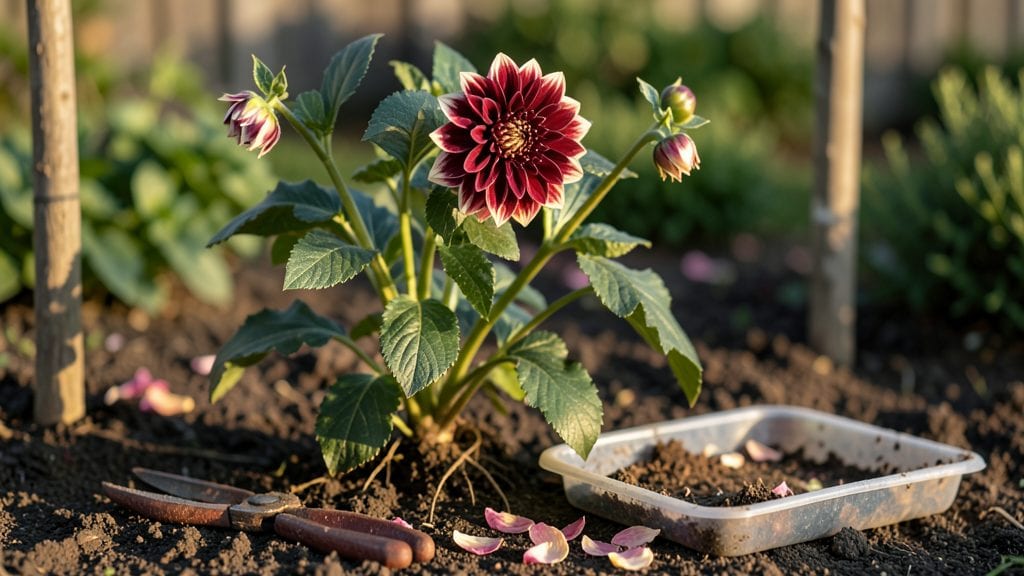
The Pacific Northwest's last blooms before frost are a bittersweet reminder that spring won't last forever. 🌸 These farewell to spring flowers—like peonies, late-blooming roses, and lilacs—mark the transition to summer with their bold colors and intoxicating fragrances.
My garden feels like a living calendar, where each petal signals the changing seasons.
Peonies, with their lush, velvety blooms, often put on their final show in late May or early June, while lilacs can linger into July with their fragrant clusters. These plants thrive in partial shade, making them perfect for Pacific Northwest gardens where full sun can be harsh.
To extend their bloom time, deadhead spent flowers regularly and water deeply but infrequently to encourage stronger roots.
As these blooms fade, you'll want to harvest seeds from plants like poppies or late roses to save for next year. Cut back foliage after it yellows, but leave some stems for winter interest.
The garden may look quieter, but it’s preparing for summer’s vibrant return—think sunflowers, zinnias, and basil that will soon take center stage.
This is also the time to assess your garden’s needs for summer. Amend soil with compost, mulch to retain moisture, and start planting heat-loving vegetables like tomatoes and peppers.
The transition from spring to summer doesn’t have to be abrupt—with a little care, your garden can stay lush and productive all season long.
📚 In This Guide
- What you need
- Instructions
- Tips and common mistakes
- Wrapping up and next steps
What you need
- ● Wildflowers: Focus on late-season blooms like Lupine, Columbia lily, Pacific dogwood, or Yarrow. Pick 5–10 stems per type for a balanced bouquet.
- ● Scissors or pruners: Sharp, clean pair (sterilize with rubbing alcohol to avoid spreading disease).
- ● Water container: A 1-gallon glass jar or vase (for immediate hydration) or a coolers with ice packs (if transporting longer distances).
- ○ Preservation supplies (optional):strong> Drying screen or newspaper (for air-drying flowers).
- ● Silica gel crystals (for fast, high-quality drying).
- ● Clear spray sealant (like Mod Podge for pressed flowers).
- ● Camera or smartphone with a macro lens or high zoom (for close-up shots of delicate petals).
- ● Natural light reflector (a white foam board or even a sheet of paper to bounce light onto shaded blooms).
- ● Tripod or stabilizer (for crisp shots in windy PNW conditions).
- ● Knowledge of local flora: Use apps like iNaturalist or a field guide to ID safe, non-invasive species—avoid protected plants like Trillium.
- ● Weather check: Plan for cool mornings or overcast days (flowers last longer in shade).
- ● Leave No Trace ethics: Take only what you need and leave habitats undisturbed.
How to extend your Pacific Northwest spring blooms before frost
Here’s how I keep late-season flowers thriving until the first hard frost—no fancy tricks, just smart timing and care.
🌱 Step 1: Select Frost-Resistant Varieties for Late Season
Choose plants known for their cold tolerance, like hardy asters, Russian sage, or late-blooming coneflowers. These varieties often bloom well into October in the PNW, sometimes even later if protected. I always check the USDA hardiness zone for my area—Zone 7-9—to pick varieties that can handle 28-32°F without damage.
If your garden already has spring bloomers like tulips or daffodils, don’t pull them yet. Many bulbs produce a second flush of flowers in late summer if left undisturbed. Just remove spent blooms to redirect energy into next year’s growth.
☀️ Step 2: Optimize Light and Position for Extended Blooms
Move potted flowers to the sheltered side of your patio or deck where they get morning sun but are protected from afternoon winds. In the PNW, late-season winds can stress plants and encourage early dormancy. I also group plants with similar light needs together—this creates a microclimate that retains warmth longer.
For in-ground plants, avoid cutting back foliage until after the first frost. The leaves photosynthesize and feed energy to the roots, helping the plant store nutrients for next year. If you must prune, do it gradually—remove only 20-30% of the foliage at a time to avoid shocking the plant.
💧 Step 3: Adjust Watering as Temperatures Drop
Water in the early morning to give foliage time to dry before evening, which reduces fungal diseases like powdery mildew. In the PNW, late-season rains can make overwatering a risk—always check the soil first. Stick your finger 1 inch deep; if it feels damp, wait another day.
Reduce watering frequency as days grow shorter. Plants slow their growth in cooler weather and need less moisture. I’ve seen many gardeners overwater at this time, thinking the plants are thirsty, only to see roots rot before frost. Mulch with 2-3 inches of straw or shredded leaves to insulate roots and retain moisture.
✂️ Step 4: Deadhead Strategically to Prolong Blooms
Deadhead faded flowers regularly—but don’t cut back too aggressively. For perennials like black-eyed Susans or bee balm, snip off only the spent blooms, leaving the lower leaves intact. This keeps the plant photosynthesizing while encouraging new flower buds to form.
For annuals like zinnias or marigolds, cut back by one-third after the first flush of blooms. This triggers a second wave of flowers that often lasts until frost. I’ve seen zinnias rebloom in late September if given this treatment—it’s like hitting the reset button on their growth cycle.
🪴 Step 5: Protect Plants from Early Frost with Simple Tricks
Cover tender plants with frost cloth or even old bedsheets when temperatures drop below 35°F. Secure the cover with rocks or clips to prevent wind damage. I’ve used this trick to extend the life of petunias and geraniums by 2-3 weeks in mild PNW winters.
For in-ground plants, mound soil or mulch around the base to insulate roots. A 4-inch layer of mulch can raise soil temperatures by 5-10°F, giving plants a fighting chance against early frosts. Avoid plastic covers—they trap too much moisture and can cause rot.
Tips & tricks for extending Pacific Northwest spring blooms
Here's what I've learned over years of coaxing late-season color from my PNW garden—simple secrets that make all the difference.
Zone Matters: Double-check your specific USDA zone within 7-9—some areas get colder earlier than others. If you're in Zone 8, you might get an extra week of blooms compared to Zone 9. I've seen hardy asters survive down to 25°F in Zone 7 with proper protection, but Russian sage really shines in Zone 8-9 where nights stay milder.
Light Strategy: In Step 2, when positioning your potted flowers, remember that morning sun is your friend but afternoon winds are the enemy. I've found that placing pots against a south-facing wall creates a microclimate that can add 5-7 days to bloom time. For in-ground plants, avoid the temptation to trim back foliage—those leaves are working overtime to feed the roots for next season.
Watering Wisdom: The early morning watering rule in Step 3 is non-negotiable, but here's the secret: water at the base of the plant, not overhead. This prevents fungal spores from splashing onto leaves. I've also noticed that mulched plants (with that 2-3 inch layer) need watering about 30% less frequently once established—check that 1-inch soil depth before watering again.
Frost Protection: When temperatures approach 35°F, I start thinking about frost cloth like I would a winter blanket. For tender plants, use hoops or stakes to keep the cloth elevated—this prevents moisture buildup that can cause rot. And that 4-inch mulch layer? It's worth every inch—it's like adding a cozy sweater to your plant's roots that can make the difference between a crisp morning and a frozen one.
Pro Tips for Farewell To Spring Flower
- Here's what I've learned over years of coaxing late-season color from my PNW garden—simple secrets that make all the difference.
- Zone Matters: Double-check your specific USDA zone within 7-9—some areas get colder earlier than others.
- Light Strategy: In Step 2, when positioning your potted flowers, remember that morning sun is your friend but afternoon winds are the enemy.
Frequently asked questions
Got questions about Farewell to Spring Flower and the Pacific Northwest’s last blooms?
You’re not alone! Here are some of the most common queries—and their answers—to help you make the most of this fleeting beauty.
When is the exact best time to see these blooms before frost?
The timing varies by elevation and microclimate, but in most of the PNW, Farewell to Spring Flower (likely Dicentra spectabilis or similar late-season perennials) peaks in late September to early October. Check your local frost date—typically mid-to-late October—and plan 2–3 weeks before for the best show. Pro tip: Morning visits often reveal the most vibrant blooms!
How do I protect my plants from early frost if I’m growing them at home?
Frost can sneak up fast! Use lightweight row covers or frost cloth to shield delicate blooms at night. For potted plants, move them to a sheltered spot or indoors. Mulch heavily around the base to insulate roots. If frost hits, trim damaged foliage post-frost to encourage new growth—your plants might surprise you next spring!
Are there alternatives to Farewell to Spring Flower that bloom later in the season?
For extended color, try these PNW-friendly late-season bloomers:
- Japanese Anemone (Anemone × hybrida) – Soft pink blooms in September–October.
- Astilbe – Feathery plumes that thrive in shade.
- Sedum (e.g., ‘Autumn Joy’) – Drought-tolerant and frost-resistant.
- Chrysanthemums – Classic fall favorites with endless varieties.
What should I do if my blooms wilt or die back after frost?
Don’t panic! Cut back dead foliage to 2–3 inches above the ground, but leave any seed pods if you want next year’s blooms. Most perennials, like Dicentra, are hardy and will regrow from roots. Water lightly if the ground stays dry, and fertilize in early spring. Patience pays off—these plants are tougher than they look!
How can I capture the best photos of these fleeting flowers?
Timing and lighting are key! Shoot on overcast days or in the golden hour (just after sunrise or before sunset) to avoid harsh shadows. Include textured foliage (like ferns or moss) for depth, and get low for dramatic angles. Macro mode on your phone or camera will highlight delicate details—like the intricate veins of the petals!
Wrapping up and next steps
The Pacific Northwest’s farewell to spring flower marks a bittersweet transition—celebrating fleeting beauty while embracing the cycle of seasons. These final blooms remind us to savor moments, whether through photography, gardening, or simply quiet reflection. 🌸
As the frost approaches, take this time to connect with nature—plan a last walk among the wildflowers, sketch their delicate forms, or even press a few to preserve their memory.
The next step? Let these blooms inspire your autumn adventures, from cozy indoor gardens to early winter bulb planning. The magic of nature never truly fades—it simply transforms.