
Shrubs
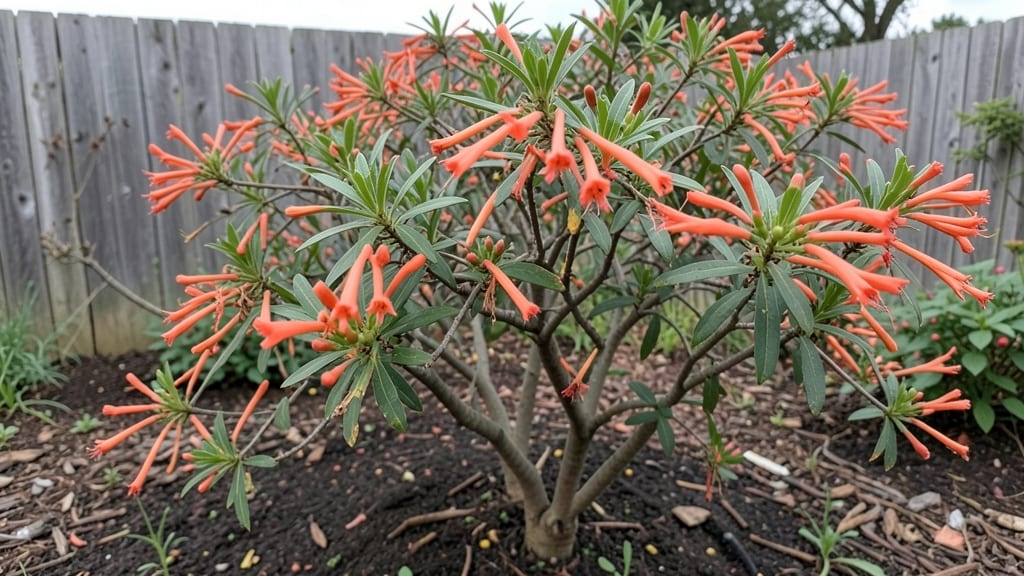
Florida’s year-round growing season means your flowering shrubs can bloom nonstop—if you pick the right ones. 🌸 I’ve learned the hard way that not all shrubs thrive in our heat and humidity, but firebush, crape myrtle, and abelia turn my yard into a colorful oasis with almost no pruning.
The secret? Matching plants to Florida’s climate, soil, and sunlight patterns.
Start with well-draining soil—Florida’s clay can drown roots if you don’t amend it—and water deeply but infrequently. Most flowering shrubs here need morning sun to avoid scorching, and mulch helps keep roots cool.
My firebush, for example, blooms from summer through fall with almost no care beyond occasional pruning to shape it.
You’ll end up with a lush, low-maintenance landscape that attracts pollinators and stays vibrant even in our brutal summers. The best part? These shrubs handle Florida’s pests and diseases better than many imports, so you won’t spend weekends fighting problems. Let’s get your yard blooming effortlessly.
Whether you’re revamping a shady corner or brightening a sunny border, these tips work for any Florida garden. The key is choosing the right shrubs—and I’ll show you exactly which ones deliver the most color with the least fuss.
📚 In This Guide
- What you need
- Instructions
- Tips and common mistakes
- Wrapping up and next steps
What you need
- ● Flowering shrubs: Choose Florida-friendly varieties like Firebush (Hamelia patens), Oakleaf Hydrangea (Hydrangea quercifolia), or Coralberry (Symphoricarpos orbiculatus). Buy 3–5 mature plants (3–5 ft tall) for full coverage in a 6–10 ft bed.
- ● High-quality potting soil or native soil mix: 5–10 cubic feet (depending on bed size). Opt for a blend with compost (20–30%) for nutrients.
- ● Organic mulch: 2–3 inches of pine bark, cypress mulch, or shredded leaves to retain moisture and suppress weeds.
- ● Slow-release fertilizer: 10–20 lb bag of 6–6–6 or 8–3–9 NPK (balanced for flowering shrubs).
- ● Watering can or hose with soaker nozzle: For gentle, deep watering.
- ● Garden trowel or spade: For digging holes 2–3 times wider than the root ball.
- ● Garden gloves: Heavy-duty to protect against thorns (e.g., Firebush) and rough bark.
- ● Pruning shears: Bypass pruners (for clean cuts) and loppers (for thicker stems).
- ● Measuring tape: To space plants 4–6 ft apart (adjust for shrub size).
- ● Wheelbarrow or bucket: For mixing soil amendments or hauling mulch.
- ● Epsom salt (magnesium sulfate): 1 lb to boost blooms in hydrangeas or oakleaf shrubs.
- ● Plant food spikes: 5–10 spikes for slow-release nutrients.
- ● Drip irrigation kit: For automated watering (especially in Florida’s heat!).
- ● Plant markers: To label varieties and track pruning schedules.
- ● Solar-powered garden lights: To highlight your shrubs at night!
Step-by-Step guide for planting Florida-friendly flowering shrubs
Here's how to establish vibrant, low-maintenance shrubs that thrive in Florida's climate.
🌱 Step 1: Select and Prepare the Planting Site
Choose a location with 6-8 hours of sunlight daily—most Florida flowering shrubs like firebush, abelia, or gardenia crave full sun but tolerate partial shade. Test your soil's drainage: dig a 1-foot hole, fill it with water, and wait. If water drains in under an hour, your soil is ready. If it pools, amend with 2-3 inches of coarse sand or perlite mixed into the top 12 inches of soil.
Florida's sandy soils often lack organic matter, so enrich the planting area with 2-3 inches of compost worked into the top 6 inches. This improves moisture retention without suffocating roots. I like to spread it in a 12-inch radius around the intended planting spot and gently fork it into the soil. Avoid fresh manure—it can burn tender roots.
🪴 Step 2: Plant Shrubs at the Right Depth and Spacing
Dig holes twice as wide as the root ball but only as deep as the container's root base. This prevents burying the trunk too deeply, which causes rot. Gently remove the shrub from its container and loosen any circling roots with your fingers. Place it in the hole so the top of the root ball sits 1 inch above ground level—this ensures proper drainage.
Space shrubs 3-6 feet apart, depending on the mature size listed on the tag. Crowding leads to poor air circulation, inviting fungal diseases common in Florida's humid climate. Backfill with native soil mixed with a handful of slow-release fertilizer (look for a 10-10-10 or 8-3-9 blend). Water deeply to settle the soil and eliminate air pockets.
☀️ Step 3: Water and Mulch for Florida's Climate
Water newly planted shrubs deeply every 2-3 days for the first 2 weeks, until the soil 6 inches down feels consistently moist. Florida's heat and sandy soils dry out quickly, so use a hose or drip irrigation to soak the root zone. You'll know you've watered enough when excess water runs out the drainage holes.
Apply 2-3 inches of mulch (pine bark or cypress mulch works best) in a 2-foot radius around the base, keeping it 6 inches away from the trunk. This conserves moisture, regulates soil temperature, and suppresses weeds. Replenish mulch annually—it breaks down faster in Florida's warm climate than in cooler regions.
✂️ Step 4: Prune for Shape and Encourage Blooms
Wait until spring or early summer to prune, after the shrub has finished flowering. Remove any dead, diseased, or crossing branches first—these compete for resources and weaken the plant. Cut back 1/3 of the oldest stems to encourage new growth and more abundant blooms. Use clean, sharp pruners and make cuts just above a leaf node or bud.
For continuous blooming shrubs like firebush or abelia, I do a light trim every 4-6 weeks to remove spent flowers and maintain shape. This prevents the plant from putting energy into seed production and keeps it flowering year-round. Avoid heavy pruning in late summer or fall—new growth won't harden off before winter's occasional cold snaps.
🌿 Step 5: Monitor and Adjust for Florida Conditions
Watch for signs of stress: yellowing leaves often mean overwatering, while crispy edges signal underwatering. Florida's unpredictable rain can make it tricky—stick your finger 2 inches into the soil before watering. If it feels dry, water; if it's damp, wait. Fertilize lightly every 3 months with a balanced, slow-release formula during the growing season (spring through fall).
Florida's pests like aphids or scale can attack stressed shrubs, so inspect leaves regularly. A strong blast of water from the hose often removes soft-bodied pests, and neem oil applied in early evening prevents reinfestation. With proper care, your shrubs will reward you with year-round color and minimal fuss—exactly what Florida gardeners want.
Tips & tricks for perfect Florida flowering shrubs
Here's what I've learned after helping Florida gardeners create stunning, low-maintenance landscapes.
Soil Prep Secret: In Step 1, when amending your sandy soil, mix in 1/4 cup of Epsom salt per hole for magnesium-deficient soils common in Florida. This boosts flowering for shrubs like gardenia and abelia. For clay-heavy areas, add 2-3 inches of coarse sand to improve drainage—this prevents root rot that can kill tender shrubs. The key is creating a well-draining, nutrient-rich environment that mimics Florida's natural ecosystems.
Planting Depth Technique: Step 2's 1-inch above ground level rule is critical—this prevents crown rot from sitting water. I've seen many gardeners bury the root ball too deeply, thinking it needs more soil. Use a level to check: the top of the root ball should be perfectly level with the surrounding soil, not mounded. For container-grown shrubs, gently squeeze the root ball to check moisture before planting.
Watering Wisdom: The 2-3 day watering schedule in Step 3 works perfectly for Florida's climate, but timing matters. Water in the early morning to prevent fungal diseases from overnight humidity. Use a moisture meter to verify the 6-inch depth—if it reads dry, water again. For newly planted shrubs, I recommend installing a drip irrigation system on a timer to automate this critical step.
Pruning Precision: When cutting back 1/3 of the oldest stems in Step 4, always make cuts at a 45-degree angle just above a leaf node. This encourages new growth from the right place. For continuous bloomers, I mark stems with colored flags before trimming—this helps me rotate which stems I prune each time, ensuring balanced growth. Avoid pruning in winter when shrubs are dormant.
Pro Tips for Florida Flowering Shrub
- Here's what I've learned after helping Florida gardeners create stunning, low-maintenance landscapes.
- Soil Prep Secret: In Step 1, when amending your sandy soil, mix in 1/4 cup of Epsom salt per hole for magnesium-deficient soils common in Florida.
- Planting Depth Technique: Step 2's 1-inch above ground level rule is critical—this prevents crown rot from sitting water.
Frequently asked questions
Got questions about keeping your Florida flowering shrubs vibrant and thriving? Here are some of the most common concerns—and their answers—to help you grow with confidence!
What are the best low-maintenance flowering shrubs for Florida’s climate?
Top picks include Firebush (Hamelia patens), Oakleaf Hydrangea (Hydrangea quercifolia), and Abelia (Abelia x grandiflora). These thrive in Florida’s heat and humidity with minimal pruning. Firebush even attracts hummingbirds—win-win!
When is the ideal time to plant flowering shrubs in Florida?
Plant in early spring (March–April) or fall (September–October) to avoid extreme heat or cold. Avoid summer planting—Florida’s intense sun can stress young shrubs. Water deeply after planting to help roots establish.
How do I prune flowering shrubs without killing them?
Most Florida shrubs bloom on new wood, so prune in late winter or early spring. Remove dead/diseased branches first, then shape lightly. Avoid heavy pruning in fall—it can stunt next year’s blooms. Pro tip: Use clean, sharp shears!
What pests should I watch for in Florida flowering shrubs?
Common culprits include aphids, scale, and whiteflies. Check undersides of leaves for sticky residue or tiny bugs. Treat with neem oil or insecticidal soap early. Prevention tip: Healthy soil = stronger plants that resist pests!
How much water do Florida flowering shrubs need?
Newly planted shrubs need 1–2 inches of water weekly (more in summer). Mature shrubs are drought-tolerant but appreciate deep watering during dry spells. Avoid overwatering—Florida’s clay soil drains poorly, leading to root rot.
Wrapping up and next steps
Transforming your Florida landscape into a vibrant, low-maintenance paradise is easier than you think! 🌺 With the right Florida flowering shrubs, you can enjoy year-round color while keeping pruning to a minimum.
Whether you’re drawn to the bold blooms of firebush or the delicate charm of abelia, these plants thrive in Florida’s climate and reward you with beauty and resilience.
Ready to take the next step? Start small—pick one or two shrubs that match your space and style, then expand as you gain confidence. Happy gardening, and may your yard bloom with joy (and maybe a few butterflies too)! 🐝