
Flowers
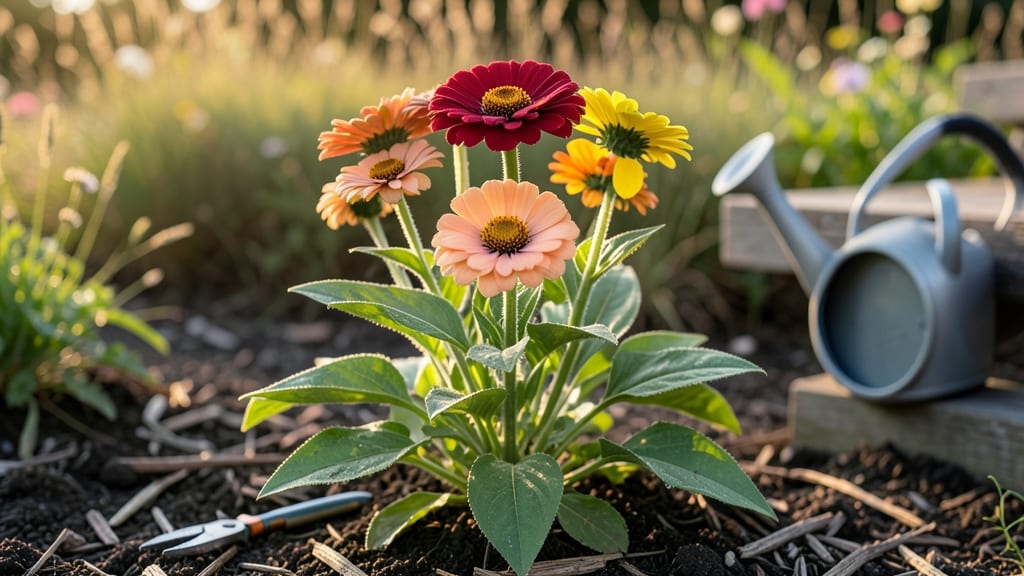
My Pacific Northwest flower beds stay vibrant through spring rains and late-summer fogs using the right frost-resistant annuals—petunias that bounce back after chilly nights, snapdragons that tolerate cool soils, and marigolds that bloom until frost. 🌿 The secret isn’t just choosing tough varieties; it’s layering them with perennials for structure so the annuals never look sparse when they take a breather.
Start with 3-5 plants per square foot of sun-loving annuals like zinnias and cosmos, then fill gaps with shade-tolerant impatiens or lobelia near foundations.
My go-to soil mix is half compost, half native soil, with a handful of bone meal for slow-release nutrients—annuals thrive when they don’t have to compete for food. Mulch with 2 inches of cedar chips to keep roots cool and moisture steady through our damp summers.
By mid-June, you’ll have a nonstop color show—bright yellow marigolds repelling pests, purple petunias cascading over edges, and white snapdragons adding height. The best part? These annuals play well with perennials like salvias and heucheras, so your beds stay lively even when the annuals fade in fall.
I’ll show you how to stitch it all together without overcrowding.
This blueprint works for containers, raised beds, or ground plantings, and I’ll share my cheat sheet for swapping out varieties if your zone runs hotter or cooler than ours. Let’s make your flower beds the envy of the neighborhood—rain or shine.
📚 In This Guide
- What you need
- Instructions
- Tips and common mistakes
- Wrapping up and next steps
What you need
- ● Annual flower seeds or plants: 1–2 lbs of frost-resistant annual seeds (e.g., Sweet Alyssum, Lobelia, Pansies, or Snapdragons—check PNW-specific varieties!). 6–12 mature annual plants (e.g., Calibrachoa, Petunias, or Impatiens) for instant color.
- ● Soil amendments: 5–10 lbs of compost or well-rotted manure per 10 sq. ft. of bed. 1–2 cups of slow-release fertilizer (10-10-10 or organic options like fish emulsion).
- ● Mulch: 2–3 inches of straw, pine needles, or shredded bark (to insulate roots from frost).
- ○ Hand trowel (for planting seeds/transplants). Garden gloves (to protect your hands—PNW soil can be tough!). Watering can or hose with a gentle spray nozzle (annuals need consistent moisture!). Pruners or shears (for trimming dead blooms and shaping plants). Measuring tape or ruler (to space plants 6–12 inches apart, depending on variety). Optional but handy: Soil pH test kit (ideal range: 6.0–7.0 for most annuals). Frost cloth (for late-season protection in chilly microclimates). Decorative edging (stone, metal, or plastic) to define your bed.
Step-by-Step instructions for designing a Pacific Northwest frost-resistant annual flower bed
Here's the method I've refined over years of cold-climate gardening to keep color blooming reliably from spring to frost.
🌱 Step 1: Select Frost-Tolerant Annual Varieties for Layered Color
Choose plants that thrive in your USDA Zone 7-9 conditions and offer sequential blooming for continuous color. Start with snapdragons (tolerates light frost) as your early-season anchor, followed by pansies (survives down to 20°F) for mid-season, and calendula (heat-tolerant) for late summer. I always include lobelia for trailing color and nasturtiums for edible blooms and pest resistance.
Plant in three height tiers: tall snapdragons (18-24 inches) at the back, medium pansies (6-12 inches) in the middle, and low lobelia (6 inches) along the front edge. This creates visual depth while preventing taller plants from shading shorter ones prematurely. Space plants according to their mature width—12-18 inches apart for most annuals—to allow airflow and reduce disease risk.
☀️ Step 2: Prepare Soil and Site for Moisture Retention
Test your soil's drainage first—annuals rot quickly in soggy Pacific Northwest conditions. Amend heavy clay with 3 inches of compost and 1 inch of perlite to improve structure while retaining moisture. I work in 2 cups of slow-release fertilizer per square foot at planting time to fuel early growth. For raised beds, mix these amendments into the top 6 inches of soil.
Choose a site with 6+ hours of morning sun (critical for frost tolerance) and partial afternoon shade to prevent afternoon wilting. If your location gets hot afternoons, plant heat-sensitive varieties like pansies on the north side of the bed. Mark planting zones with 1-inch wooden stakes to maintain proper spacing while the bed is empty.
💧 Step 3: Plant in Staggered Waves for Continuous Bloom
Begin planting 4-6 weeks before your last frost date (typically mid-April in the PNW). Start with hardy snapdragons and pansies, then add calendula and nasturtiums 2-3 weeks later when soil reaches 50°F. This staggered approach ensures you never have a color gap—while early bloomers fade, later varieties are just opening.
Water deeply immediately after planting to eliminate air pockets, then maintain 1 inch of water per week (more during heatwaves). I use drip irrigation on a timer set for morning watering to prevent fungal diseases from evening moisture. Mulch with 2 inches of shredded bark after plants establish to conserve soil moisture and suppress weeds without smothering tender annuals.
✂️ Step 4: Maintain Through Season with Strategic Pruning
Deadhead spent blooms weekly to encourage continuous flowering—this is especially critical for snapdragons and pansies, which rebloom prolifically when stimulated. Pinch back leggy growth on lobelia and nasturtiums to promote bushier plants, but never cut into old wood. I also remove any yellowing leaves immediately to prevent disease spread in the damp PNW climate.
Fertilize lightly every 6 weeks with ½ strength liquid fertilizer to avoid burning tender annuals. If you notice pale leaves or slow growth, it's time to feed—these plants are heavy feeders and deplete soil nutrients quickly. Watch for aphids on new growth and slugs on low-growing varieties; I use neem oil spray for aphids and copper tape barriers for slugs without harming pollinators.
⏰ Step 5: Extend the Season with Fall Plantings
As summer annuals begin to fade in late August, prepare for a second wave of color by planting cold-hardy varieties like stock (Matthiola incana) and sweet alyssum. These thrive in cooler temperatures and often bloom until first hard frost. I also sow winter annuals like calendula and pansies in September for spring blooms the following year.
Reduce watering gradually in fall as plants prepare for dormancy, but keep soil slightly moist until ground freezes. Remove and compost any diseased plant debris immediately to prevent overwintering pathogens. Mark your bed with stakes indicating next year's planting plan—this saves time when spring planting begins.
Tips & tricks for perfect Pacific Northwest flower bed annuals
A few key strategies will help you create a vibrant, frost-resistant display that thrives in our challenging climate.
Plant Selection Strategy: In Step 1, when choosing your varieties, consider adding cornflowers for their drought tolerance and bright blue blooms that attract pollinators. These work beautifully in the middle tier alongside pansies. I've found that mixing snapdragons with different bloom times (early, mid, and late season varieties) creates a cascading effect of color that lasts all summer.
Soil Preparation Insight: For Step 2, if your soil test reveals poor drainage, consider adding coarse sand to your compost-perlite mix (about 25% sand by volume) to create better porosity. I've seen annuals rot in heavy clay even with compost—this adjustment makes all the difference. Also, test your soil pH; most annuals prefer a slightly acidic range (6.0-6.5), and you can amend with sulfur if needed.
Watering Technique: The 1-inch weekly watering guideline in Step 3 works perfectly, but here's the pro move: install a soil moisture sensor near your bed to monitor actual needs. I've caught many gardeners overwatering in our damp climate, which leads to root rot. Morning watering (as recommended) prevents fungal issues, but if you must water in the evening, water at the base rather than overhead to minimize leaf wetness.
Fall Transition Tip: When extending the season in Step 5, don't overlook dianthus as a cold-hardy option—it thrives in our climate and offers stunning late-season color. For overwintering pansies, I've had success covering them with frost blankets during hard freezes (below 20°F), which can extend their blooming into early spring.
Pro Tips for Flower Bed Annuals
- A few key strategies will help you create a vibrant, frost-resistant display that thrives in our challenging climate.
- Plant Selection Strategy: In Step 1, when choosing your varieties, consider adding cornflowers for their drought tolerance and bright blue blooms that attract pollinators.
- Soil Preparation Insight: For Step 2, if your soil test reveals poor drainage, consider adding coarse sand to your compost-perlite mix (about 25% sand by volume) to create better porosity.
Frequently asked questions
Got questions about keeping your flower bed annuals vibrant and resilient in the Pacific Northwest’s chilly climate? You’re not alone! Here are answers to the most common queries—so you can plan with confidence and avoid common pitfalls.
What are the best frost-resistant annuals for the PNW’s cool, wet climate?
Opt for hardy picks like Lobelia, Sweet Alyssum, or Pansies—they thrive in temps down to 25°F (-4°C). For bold color, try Primula or Violas, which handle light frosts beautifully. Pro tip: Mix in Heuchera or Hellebores for year-round structure!
When should I plant annuals in the PNW to avoid frost damage?
Start after the last frost (typically late April–May in most regions), but don’t wait too long—some annuals (like Marigolds) need 60+ days to bloom. For a head start, sow cold-tolerant seeds indoors by February–March and transplant outdoors once soil warms to 45°F (7°C).
How do I protect annuals from heavy rain or wind in the PNW?
Use stakes or cages for taller varieties (e.g., Snapdragons) and mulch heavily to prevent soil erosion. Group plants in windbreaks (like near fences or shrubs) and elevate containers to improve drainage. Quick fix: A lightweight frost cloth can shield delicate blooms during downpours.
Can I reuse last year’s soil for annuals, or should I refresh it?
Refresh! Annuals deplete nutrients quickly, and PNW soil often lacks organic matter. Mix in 2–3 inches of compost or aged manure before planting. For containers, repot with fresh well-draining potting mix to prevent root rot—a common issue in soggy PNW climates.
How do I keep pests (like slugs or aphids) from wrecking my flower beds?
Slugs love annuals—copper tape or diatomaceous earth around beds deters them. For aphids, spray with neem oil or introduce ladybugs. Prevention tip: Space plants for airflow and remove debris where pests hide. Rotate crops yearly to break pest cycles!
What’s a budget-friendly way to add color without full annual beds?
Try interplanting annuals with perennials (e.g., Calendula between Hostas) or use container gardens with fast-growing annuals like Bachelor’s Buttons or Zinnias. Dollar stores often carry affordable seed packets—perfect for small patches!
Wrapping up and next steps
Transforming your flower bed into a vibrant, frost-resistant oasis in the Pacific Northwest is totally within reach! By selecting the right annuals—like pansies, sweet alyssum, and snapdragons—you’ll enjoy year-round color with minimal fuss.
These hardy picks thrive in cooler climates, ensuring your garden stays lively even when winter flirts with your region.
Ready to take the next step? Grab your gardening gloves and start small—plant a single bed or a few pots to test what works best for your space. Before you know it, your garden will be the talk of the neighborhood! 🌸✨