
Flowers
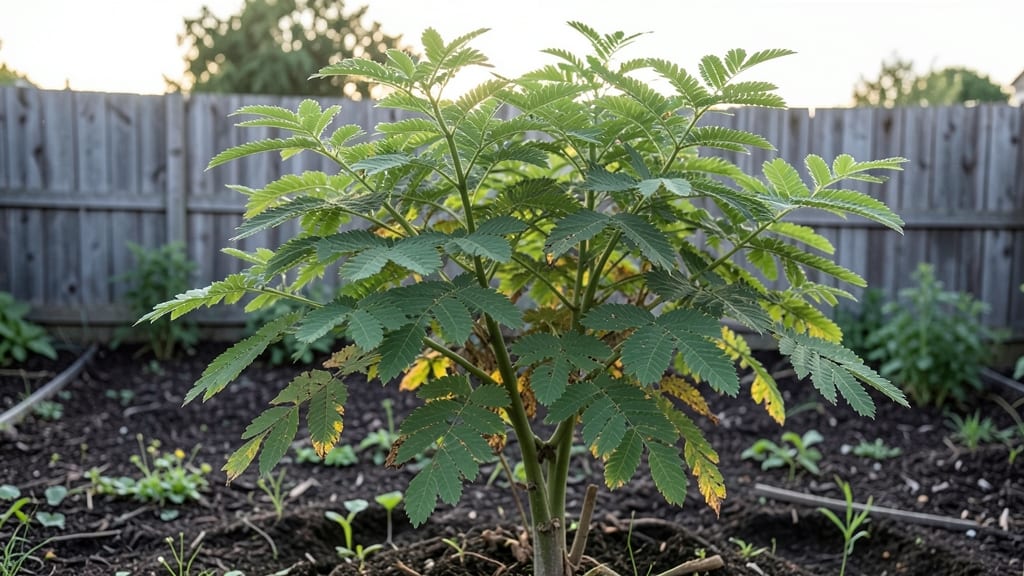
Growing moringa flowers from seed unlocks a tropical superfood with delicate blossoms and extraordinary health benefits. ✨ The first time I saw those tiny white flowers cluster on my plant, I knew I'd found something special—beyond just the leaves.
Moringa thrives in warm climates but adapts surprisingly well to containers, making it perfect for gardeners with limited space or cooler zones.
You'll need fast-draining soil, full sun (at least 6 hours daily), and consistent warmth—moringa hates cold drafts.
Start seeds indoors 4-6 weeks before your last frost, or sow directly in spring when nighttime temps stay above 60°F. The plants grow quickly, reaching 6-10 feet tall, so give them room or prune regularly to encourage bushier growth and more flowers.
Harvesting begins when flowers first appear, typically 3-4 months after planting. Snip clusters gently with scissors, leaving some blooms to develop into seed pods for future planting. These edible flowers add a peppery crunch to salads, infuse oils beautifully, and even make stunning garnishes—though they're best used fresh.
Watch for powdery mildew in humid climates and aphids on new growth, but moringa's fast growth usually outpaces minor pests. With proper care, you'll enjoy continuous blooms for months, turning your garden into a fragrant, functional superfood powerhouse.
📚 In This Guide
- What you need
- Instructions
- Tips and common mistakes
- Wrapping up and next steps
What you need
- ● Moringa seeds: 5–10 seeds (organic, non-GMO preferred for best results).
- ● Well-draining potting mix: 2–3 gallons (cactus/succulent mix works well).
- ● Containers or garden bed: For pots: 12–18" deep containers (with drainage holes).
- ● For ground planting: Full-sun spot (6+ hours/day) with loose, sandy soil.
- ● Watering can or hose: With a gentle spray nozzle (moringa hates soggy roots!).
- ● Fertilizer: Balanced organic fertilizer (5-5-5 or compost tea).
- ○ Gloves: (Optional but helpful—moringa leaves can be slightly irritating to sensitive skin).
- ● Pruning shears: Small, sharp pair for trimming (if harvesting flowers).
- ● Mulch: Straw or wood chips (to retain moisture and deter weeds).
- ○ pH test kit: (Optional) To check soil pH (ideal: 6.0–7.5).
- ● Grow lights: (For indoor setups) LED full-spectrum lights (12+ hours/day).
Step-by-Step instructions for cultivating moringa flowers
Here's how I've learned to coax vibrant moringa blooms from stubborn seeds—it's all about patience and precision.
🌱 Step 1: Germinate Seeds in Warm, Moist Conditions
Moringa seeds need warmth to break dormancy. Soak them overnight in lukewarm water—this softens the hard outer shell and speeds up germination. After soaking, place them between two damp paper towels in a sealed plastic bag. Keep it in a spot where the temperature stays between 75-85°F.
Check daily for sprouts, which should appear in 3-7 days. You'll know they're ready when you see tiny white roots and a cracked seed coat. Handle them gently—moringa seedlings are delicate at this stage. Once roots reach about ½ inch, they're ready for planting.
🪴 Step 2: Transplant Seedlings into Well-Draining Soil
Use a lightweight, fast-draining mix—moringa hates soggy roots. I blend 60% cactus/succulent mix with 40% perlite to create the perfect airy medium. Fill small pots (about 4 inches wide) with this mix and plant each seedling 1 inch deep, firming the soil gently around the roots.
Water immediately after planting, but avoid oversaturating the soil. Moringa seedlings are prone to damping-off if kept too wet. Let the top inch of soil dry out between waterings. Place the pots in bright, indirect light for the first week to help them adjust without stress.
☀️ Step 3: Acclimate to Full Sun and Monitor Growth
After the first week, gradually introduce seedlings to morning sun only for 2-3 hours daily. Over 7-10 days, increase their sun exposure until they're receiving 6+ hours of direct sunlight. Moringa thrives in full sun but can scorch if moved too quickly—watch for yellowing leaves, which is a sign of sun stress.
Once seedlings reach 4-6 inches tall and show 4-6 true leaves, they're ready for a slightly larger container (about 6 inches wide). This gives their roots room to spread without becoming root-bound. Fertilize lightly with a balanced organic fertilizer (10-10-10) diluted to half strength to encourage steady growth.
🌿 Step 4: Encourage Flowering with Proper Care
Moringa flowers appear on mature plants, so focus on creating ideal growing conditions. Prune leggy growth to encourage bushier, more compact plants—this also promotes flowering. Use clean, sharp pruners to trim back ⅓ of the plant's height just above a leaf node. This stimulates branching and sets the stage for flower buds.
Water deeply 2-3 times per week during the growing season, allowing the soil to dry slightly between waterings. Overwatering leads to root rot, while underwatering causes buds to drop. You'll know your plant is thriving when it produces small yellow flowers along the stems—this typically happens in 4-6 months for well-cared-for plants.
⏰ Step 5: Harvest Flowers at Peak Bloom
Harvest moringa flowers in the morning when they're fully open but before they wilt. Gently twist or snip the flower clusters just above a leaf node. Avoid pulling—this can damage the plant. A single mature moringa plant can produce hundreds of flowers per season, so harvest regularly to encourage continuous blooming.
Use the flowers fresh in teas, salads, or dried for later use. To dry, lay them on a mesh screen in a warm, dry place away from direct sunlight. Once completely dry (about 3-5 days), store in an airtight container. You'll notice the flowers retain their vibrant color and aroma when stored properly—this is your reward for careful cultivation.
Tips & tricks for perfect moringa flower cultivation
Mastering moringa flower growth takes patience, but these insider tips will help you avoid common pitfalls and maximize your harvest.
Germination Temperature Control: The 75-85°F range is critical for breaking dormancy. If your home stays cooler, consider using a seedling heat mat (set to 80°F) or placing the bag near a sunny window with indirect heat. I've found that maintaining consistent warmth during those first 3-7 days makes all the difference—cold temperatures can delay or prevent germination entirely.
Soil Mix Precision: That 60/40 cactus mix to perlite ratio creates the perfect airy environment moringa roots crave. For even better drainage, add a handful of coarse sand or pumice to the mix. Pro tip: Sterilize your soil mix by baking it at 200°F for 30 minutes before planting to prevent damping-off disease that can kill delicate seedlings.
Sunlight Transition Strategy: The gradual sun exposure in Step 3 is where most beginners struggle. Start with just 2-3 hours of morning sun and watch your seedlings closely. If leaves turn yellow, they're getting too much sun too soon—move them back to indirect light. I've seen plants go from thriving to crispy in hours when moved too quickly to full sun.
Flowering Trigger: The ⅓ height pruning in Step 4 is your secret weapon for encouraging blooms. Time this pruning just as your plant reaches 4-6 inches tall—this stimulates branching that leads to flower buds. I've found that pruning in the morning gives plants time to recover before evening watering, which helps prevent stress-related bud drop.
Pro Tips for Flower Of Moringa
- Mastering moringa flower growth takes patience, but these insider tips will help you avoid common pitfalls and maximize your harvest.
- Germination Temperature Control: The 75-85°F range is critical for breaking dormancy.
- Soil Mix Precision: That 60/40 cactus mix to perlite ratio creates the perfect airy environment moringa roots crave.
Frequently asked questions
Got questions about growing the flower of moringa? You’re not alone!
Here are some of the most common queries—plus straightforward answers—to help you cultivate this nutrient-packed tropical beauty with confidence.
Can I grow moringa flowers indoors?
The flower of moringa thrives outdoors in warm climates (USDA Zones 9-11), but you can try container growing indoors near a south-facing window or under grow lights. Ensure it gets 6+ hours of sunlight daily and keep temps above 60°F (15°C). Just expect smaller blooms—outdoor plants yield the most vibrant flowers and pods!
How long does it take for moringa flowers to bloom?
With ideal conditions (full sun, well-draining soil, and consistent watering), moringa plants can produce first flowers in 3–6 months from seed. Dwarf varieties may bloom faster (as early as 2 months), while larger trees take longer. Pro tip: Prune young plants to encourage bushier growth and more blooms!
What’s the best climate for growing moringa flowers?
The flower of moringa loves tropical or subtropical climates with:
- Temperatures: 70–90°F (21–32°C)
- Humidity: 50–70%
- Frost-free zones (below 32°F/0°C kills the plant)
Why aren’t my moringa flowers opening?
Bud drop or closed flowers often signal stress. Check for these fixes:
- Light: Move to a sunnier spot (morning sun is ideal).
- Water: Overwatering or soggy soil can stunt blooms—let soil dry slightly between waterings.
- Nutrients: Feed with a balanced fertilizer (10-10-10) every 4–6 weeks during growing season.
- Pollinators: If indoors, gently hand-pollinate buds with a soft brush.
Can I eat moringa flowers?
Moringa flowers are edible and packed with nutrients, including vitamin C, calcium, and antioxidants. Use them in:
- Teas (steep fresh or dried flowers in hot water)
- Stir-fries (add to curries or soups for a peppery kick)
- Garnishes (sprinkle on salads or rice dishes)
Wrapping up and next steps
The flower of moringa isn’t just a stunning tropical bloom—it’s a powerhouse of nutrition and sustainability! Whether you’re drawn to its vibrant beauty, health benefits, or eco-friendly potential, growing moringa from seed is a rewarding journey.
With the right care, you’ll enjoy fragrant flowers, edible pods, and leaves packed with nutrients—all while supporting a resilient, drought-tolerant plant.
Ready to take the next step? Start small with a single seedling, experiment with recipes, or even share your harvest with friends and family. Your green thumb could turn your garden into a thriving moringa oasis—one petal at a time! 🌱✨