
Planting
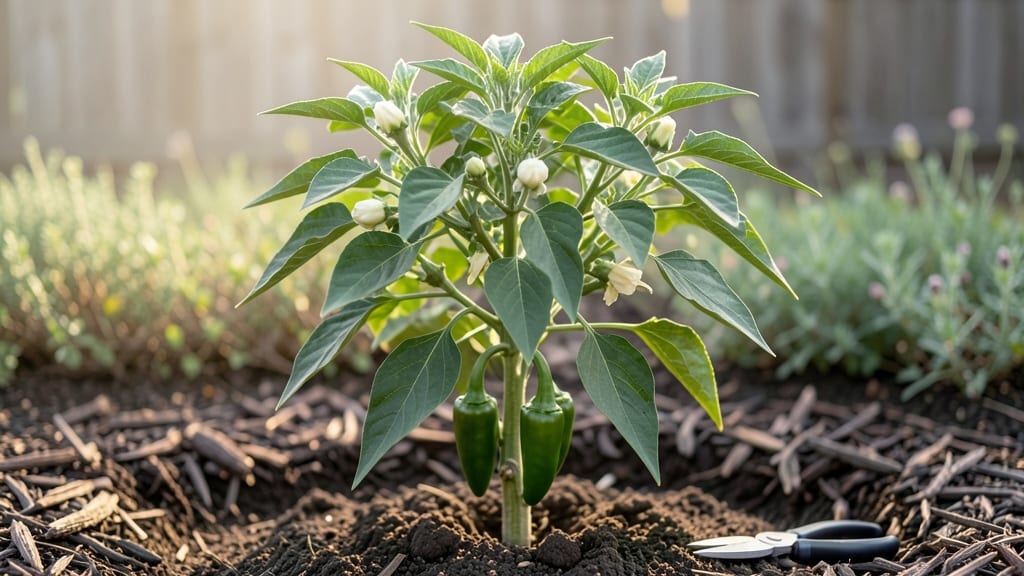
Your chilli plant flower buds hold the secret to fiery harvests—harvest them before blooms open for concentrated heat and flavor. 🌶️ I learned this the hard way after watching perfect buds drop to the soil, only to wither before fruiting.
The timing matters more than most gardeners realize, and a few simple adjustments can turn a disappointing season into a spice-packed victory.
Healthy buds form when your plants get 6+ hours of direct sunlight daily, temperatures between 70-85°F, and a balanced fertilizer with more phosphorus than nitrogen. Overwatering or sudden temperature swings cause buds to drop—something I fixed by adjusting my watering schedule to every other day once buds appeared.
Pruning also helps: snip any leggy growth to redirect energy toward those precious buds.
When buds are firm but still green (not yellow or soft), they’re ready to harvest. Simply twist them off or snip with clean scissors—this triggers more buds to form. You’ll end up with smaller but far hotter peppers than waiting for blooms.
The key is consistency: check buds every 2-3 days and harvest aggressively to keep the plant producing.
This method works for all chilli varieties—jalapeños, habaneros, even sweet peppers—though heat levels peak earlier in smaller types. Start early in the season, and by midsummer, you’ll have a steady supply of homegrown spice to preserve or cook with. No more store-bought heat, just your own fiery harvest.
📚 In This Guide
- What you need
- Instructions
- Tips and common mistakes
- Wrapping up and next steps
What you need
- ● Chili plants: 3–6 mature plants (varieties like Jalapeño, Cayenne, or Thai Chili work great). Ensure they’re healthy with visible flower buds but no open blooms.
- ● Pruning shears or sharp scissors: Sterilized, with a clean blade (1–2 inches long) to avoid damaging stems.
- ● Gloves: Lightweight gardening gloves to protect your hands from spicy sap and thorns.
- ● Containers or trays: 1–2 shallow containers (9x13 inches) for harvesting buds, lined with paper towels or a clean cloth.
- ● Spray bottle: Filled with water to mist buds and preserve freshness.
- ● Magnifying glass: Helps spot tiny flower buds before they bloom.
- ● Labeling tags: If you’re experimenting with multiple chili varieties.
- ● Food dehydrator or oven: For preserving harvested buds (set to 95–115°F for drying).
- ● Small fan: Speeds up drying time if air circulation is poor.
- ● Warm, sunny weather (70–90°F) for optimal bud development.
- ● Patience! Buds typically appear 6–8 weeks after transplanting (varies by variety).
- ● Knowledge of your chili plant’s growth cycle—harvest buds just before they bloom for maximum spice!
Step-by-Step guide to pruning chilli flower buds
Here’s how to maximize spice and yield by removing flower buds strategically.
🌿 Step 1: Identify and Locate Flower Buds
Chilli flower buds appear as small, round swellings at the junctions where leaves meet stems—these are your targets. They’ll eventually bloom into flowers, but removing them early redirects the plant’s energy into leaf and fruit production. Use your fingers or small pruning shears to gently inspect each node, focusing on the first 3-4 sets of leaves from the base.
Watch for tiny green bumps that haven’t yet opened—these are the ideal candidates for removal. If you see a bud starting to open (yellow or white petals peeking out), it’s too late; leave it to develop into fruit. The goal is to prune before energy is wasted on blooms that won’t ripen in time.
✂️ Step 2: Remove Buds at the Right Time
Prune flower buds within the first 4-6 weeks of the plant’s growth, when it’s still in its vegetative phase. This ensures the plant focuses on building a strong framework of leaves and stems before flowering. Use clean, sharp pruning shears or your fingernails to pinch buds off at their base—never tear or crush the stem.
Timing matters: if you wait too long, the plant may already be flowering, and pruning will reduce overall yield. I like to do this every 7-10 days until the plant reaches 12-18 inches tall, checking for new buds each time. You’ll see new leaf growth spurt within 3-5 days of pruning—this is your signal it’s working.
☀️ Step 3: Encourage Leaf and Stem Growth
After pruning, ensure your chilli plant gets full sun (6-8 hours daily) and consistent moisture—water when the top inch of soil feels dry. The plant will redirect its energy to produce more leaves and thicker stems, which means bigger, hotter peppers later. Fertilize lightly with a balanced 10-10-10 formula every 2-3 weeks to support this growth.
You’ll notice new shoots emerging from leaf axils within 1-2 weeks. These are secondary stems—let them grow to increase your plant’s branching structure. Once the plant has 4-5 main stems, you can allow a few flower buds to remain for fruit production, but keep pruning aggressively on the lower branches.
🌶 Step 4: Transition to Flowering for Fruit Production
After 8-10 weeks, when the plant is 2-3 feet tall and has a robust leaf structure, stop pruning flower buds. This is when you’ll see larger, more mature buds forming—let these develop into flowers and fruit. The plant’s early energy focus on leaves and stems will now pay off with bigger, spicier peppers. Reduce fertilization slightly to encourage flowering instead of leaf growth.
Keep an eye out for yellowing leaves or stunted growth—this could signal over-pruning or nutrient deficiency. If you see it, adjust by adding a potassium-rich fertilizer or providing afternoon shade in hot climates. The first peppers will appear 6-8 weeks after flowering, and you’ll taste the difference in heat and flavor.
Tips & tricks for pruning chilli flower buds
These game-changing tips will help you maximize your chilli plant's potential without wasting a single drop of energy.
Visual Identification: In Step 1, look for those tiny green bumps that feel slightly firmer than the stem when you gently press them. These are your prime targets for pruning. Confusion often comes from mistaking leaf buds (which look like tiny leaves) for flower buds—leaf buds are softer and more flexible. The flower buds will have a slightly rounded shape, while leaf buds tend to be more pointed.
Timing Secret: The 4-6 week window in Step 2 is critical because this is when your plant is in its vegetative phase—think of it as its "growth spurt" before it hits puberty (flowering). I've learned the hard way that waiting even a week too long can mean the difference between a bushy, productive plant and one that's already putting energy into flowers instead of leaves. Trust me, those extra leaves translate directly to more peppers later.
Pruning Technique: When you're removing buds in Step 2, make sure to pinch them off cleanly at the base without damaging the stem. Using clean, sharp pruning shears or even your fingernails is better than tearing—this prevents infection and helps the plant heal faster. I always sterilize my shears with rubbing alcohol between plants to prevent spreading any potential diseases.
Growth Monitoring: After pruning, keep an eye on those new shoots emerging in Step 3—they're your plant's way of saying "thank you" for redirecting its energy. These secondary stems are where your future pepper production will come from, so let them grow naturally. I've seen plants go from 12 inches to 2 feet tall in just 4 weeks when given proper care and pruning.
Pro Tips for Chilli Plant Flower Buds
- These game-changing tips will help you maximize your chilli plant's potential without wasting a single drop of energy.
- Visual Identification: In Step 1, look for those tiny green bumps that feel slightly firmer than the stem when you gently press them.
- Timing Secret: The 4-6 week window in Step 2 is critical because this is when your plant is in its vegetative phase—think of it as its "growth spurt" before it hits puberty (flowering).
Frequently asked questions
Got questions about those tiny chilli plant flower buds? You’re not alone—gardeners often wonder how to maximize spice, when to act, and what to do if things go wrong. Here’s a quick guide to the most common queries:
Why do chilli plants produce flower buds instead of peppers?
Chilli plants prioritize reproduction, so flower buds signal the plant’s shift from vegetative growth (leaves/stems) to fruit production. If buds appear too early or too late, it could mean stress (like heat, water, or light issues) or an overabundance of nitrogen. Prune aggressively and adjust care to redirect energy to peppers!
How long do chilli flower buds last before blooming?
Most chilli flower buds take 3–7 days to open into blooms, depending on variety and conditions. Hotter climates may speed this up. If buds linger without blooming, check for pollen issues (like humidity or pests) or consider hand-pollinating with a soft brush.
Can I eat chilli flower buds like I would peppers?
Yes! Chilli flower buds are edible and pack a milder, floral heat compared to mature peppers. Use them raw in salads, blend into salsas, or pickle them for a tangy crunch. Just avoid buds treated with pesticides—opt for organic or homegrown for safety.
What should I do if my chilli buds drop off before blooming?
Dropping buds often signal stress. Common culprits include:
- Temperature swings (below 60°F or above 90°F). Use shade cloth or move pots to stabilize temps.
- Over/under-watering. Keep soil consistently moist but not soggy.
- Nutrient deficiencies. Add a balanced fertilizer (like 10-10-10) or compost.
- Pests (aphids, spider mites). Spray with neem oil or insecticidal soap.
Are there chilli varieties that produce fewer flower buds?
Some pepper-focused varieties prioritize fruit over flowers, like:
- ‘Carolina Reaper’ (longer fruiting window)
- ‘Jalapeño M’ (reliable producer)
- ‘Poblano’ (balanced growth)
Wrapping up and next steps
Growing chilli plants with bold, flavor-packed flower buds is all about timing, care, and a little patience! By harvesting buds before they bloom, you unlock hotter, more concentrated heat and a burst of sweetness—perfect for spicing up your kitchen.
Whether you're a seasoned gardener or just starting, these tips will help you maximize your harvest and savor the rewards of your green thumb.
Ready to take your chilli game to the next level? Start experimenting with different varieties and keep an eye on those buds—your future spicy creations are just waiting to happen! 🌶️✨