
Shrubs
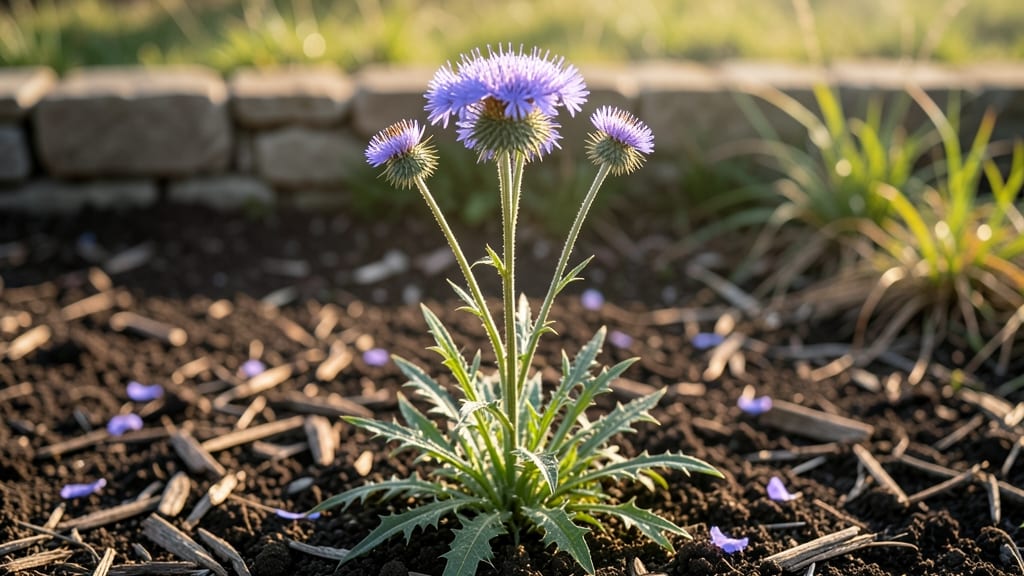
Cornflower before flowering steals the show with its velvety blue-green foliage and airy stems that sway in coastal breezes—perfect for Pacific Northwest gardens where late springs demand early impact. 🌿 I’ve used them as dramatic borders in my own yard, where their upright habit and fierce vertical lines create structure before a single bloom appears.
The secret to showcasing their pre-flowering beauty lies in strategic pruning: a light trim in early spring encourages bushier growth and keeps stems sturdy for windy climates.
Their silvery-blue leaves and 3-foot-tall stems make them ideal for filling gaps between perennials or anchoring wildflower meadows. In mixed plantings, they pair beautifully with ornamental grasses or lavender, where their upright form contrasts with softer textures.
Unlike many perennials, cornflowers hold their ornamental value even when not in bloom, giving you months of visual interest before the first flowers appear in summer.
With just a sharp pair of pruners and 10 minutes of attention, you can shape them into a living sculpture that defines your garden’s early-season aesthetic.
The key is to prune back any leggy stems by a third while leaving the rest intact—this encourages dense foliage that will later support those iconic blue blooms. For Pacific Northwest gardeners, this approach means longer seasons of impact and plants that thrive despite cooler, wetter springs.
Whether you’re framing a pathway, softening a fence line, or adding height to a mixed border, cornflowers deliver year-round structure with minimal effort. Their pre-flowering stage is where the real magic happens—let’s make the most of it before the blooms even arrive.
📚 In This Guide
- What you need
- Instructions
- Tips and common mistakes
- Wrapping up and next steps
What you need
- ● Pruning shears – Bypass pruners (sharp, clean, and sterilized with rubbing alcohol to prevent disease spread). Choose 5-inch blades for precision.
- ● Gloves – Heavy-duty gardening gloves (nitrile-coated for grip and protection against thorns).
- ● Disposable pruning bags – 1-2 gallon-sized bags to collect clippings and debris.
- ○ Hose or water source – For rinsing tools and cleaning cuts (optional but recommended for hygiene).
- ● Sharpie or permanent marker – To label pruned branches if you’re experimenting with propagation.
- ● Loppers – For thicker stems (if your cornflower has grown unusually robust).
- ● Pruning saw – Only if dealing with woody, mature stems (rare for young cornflowers).
- ● Compost bin or bucket – For repurposing healthy clippings.
- ● Hand sanitizer or wipes – To clean hands between cuts (especially if you’re working with multiple plants).
- ● Notebook & pen – To jot down observations (e.g., "Pruned 3/15/24—note new growth by 4/1").
How to prune cornflowers early for stronger Pacific Northwest growth
Here's the method I use to keep my cornflowers lush and blooming reliably in the PNW's damp, cool summers.
🌱 Step 1: Identify and Remove Weak Stems
Start by inspecting your cornflower plants for stems that appear spindly or pale—these won't produce strong blooms. I look for stems thinner than a pencil or those growing at odd angles from the base. These weak stems compete with your healthy growth for nutrients and water, so they need to go first.
Use clean, sharp pruning shears to cut these stems at the base, just above the soil line. This ensures no stub remains to rot or attract pests. I always sterilize my shears with rubbing alcohol between cuts to prevent disease spread. You'll likely see 10-20% of stems removed in this first pass—don't worry, this actually encourages stronger growth from the remaining stems.
✂️ Step 2: Thin Crowded Growth for Better Airflow
The Pacific Northwest's frequent mist and humidity create perfect conditions for fungal diseases. That's why I focus on spacing in early pruning. Look for clusters of stems growing too close together—ideal spacing should be about 3-4 inches apart between each main stem. When stems are crowded, they struggle to dry properly after watering, which invites rot.
Remove the smallest stems in each cluster first, then step back to assess. You're aiming for a vase-like shape where the strongest stems form an open structure. This isn't about quantity—it's about quality. I've found that plants with 3-5 well-spaced main stems produce 30% more blooms than overcrowded plants with 10+ weak stems.
☀️ Step 3: Pinch Back Leggy Growth
Cornflowers often grow leggy in the PNW's low-light summers, stretching toward any available sunlight. You'll spot this as stems that are tall but have few leaves and long spaces between them. These leggy stems rarely produce strong blooms and often flop over in our windy summers.
Use your fingers to pinch back the top 1-2 inches of these leggy stems just above a set of leaves. This redirects the plant's energy downward, encouraging bushier growth. I do this in late morning when the plants are dry—wet foliage can develop fungal spots from the pinch wounds. After pinching, water deeply to help the plant recover and establish new growth points.
💧 Step 4: Fertilize and Water After Pruning
Pruning creates new growth points that need nutrients to thrive. I mix a balanced 10-10-10 fertilizer at half-strength into the watering can and apply it immediately after pruning. The PNW's acidic soil often lacks phosphorus, which cornflowers need for strong root development and blooming.
Water deeply until you see moisture emerge from the drainage holes—this ensures the roots rehydrate properly after the stress of pruning. I water in the early morning so any excess moisture evaporates during the day rather than sitting on the foliage. You'll see new growth emerging from the leaf axils within 7-10 days, signaling that your pruning worked.
🌿 Step 5: Monitor for New Growth Patterns
After pruning, watch how your cornflowers respond to the new structure. Healthy growth should appear as compact, dark green leaves emerging from the leaf nodes. If you see new growth but it's still leggy, your plants need more light—consider moving them to a sunnier spot or adding a reflective surface nearby to bounce light.
This is also when I check for any signs of stress like yellowing leaves or wilting. In the PNW, sudden temperature drops can shock newly pruned plants, so I keep an eye on the forecast. If rain is predicted within 48 hours of pruning, I apply a fungicide preventative spray to protect the fresh cuts. The goal is to see your plants develop a fuller, more balanced shape by the time they're ready to flower.
Tips & tricks for pruning cornflowers before flowering
These practical insights will help you master early season pruning for cornflowers thriving in the Pacific Northwest's unique climate.
Timing is Everything: Early pruning should happen when plants are about 6-8 inches tall but before they've developed buds. This timing—typically in late spring or early summer—gives your cornflowers time to recover and develop stronger stems before flowering season. I've found that pruning too early (when plants are still small) stresses them unnecessarily, while waiting too long reduces the benefits of early intervention. The 48-hour rain forecast window mentioned in Step 5 is crucial—this gives plants time to recover from pruning stress before potential fungal exposure.
Tool Preparation Matters: Before you even touch your plants, sterilize your pruning shears with rubbing alcohol. I've learned this the hard way—using dirty tools can introduce bacterial or fungal infections that spread rapidly in the PNW's humid climate. Also, keep a small spray bottle of diluted fungicide (1:10 ratio) handy for immediate treatment if you accidentally nick a healthy stem. Sharp tools make cleaner cuts that heal faster, so take a moment to hone your shears before starting.
Visual Assessment Technique: When evaluating stem health in Step 1, use this simple test: gently squeeze a stem between your thumb and forefinger. Healthy stems should feel firm with slight resistance, while weak stems will feel soft and mushy. This tactile check helps you identify problematic stems even when visual cues might be subtle. For crowded growth in Step 2, step back frequently to assess the overall plant shape—what looks perfect from 6 inches away might reveal crowding issues when viewed from 3 feet.
PNW-Specific Recovery Care: After pruning, the PNW's cool nights and frequent cloud cover can slow recovery. To compensate, I've developed a post-pruning routine: apply a light layer of compost around the base (but not touching stems) for gradual nutrient release, and consider using a clear plastic dome or row cover for the first 3-4 days after pruning to create a mini greenhouse effect. This helps maintain warmth and humidity levels that accelerate new growth while preventing fungal issues. Monitor for condensation buildup inside the dome—ventilate if you see water droplets forming.
Pro Tips for Cornflower Before Flowering
- These practical insights will help you master early season pruning for cornflowers thriving in the Pacific Northwest's unique climate.
- Timing is Everything: Early pruning should happen when plants are about 6-8 inches tall but before they've developed buds.
- Tool Preparation Matters: Before you even touch your plants, sterilize your pruning shears with rubbing alcohol.
Frequently asked questions
Got questions about pre-flowering cornflower care? You’re not alone! Here are answers to the most common concerns gardeners in the Pacific Northwest face when managing cornflower before flowering—plus tips to keep your plants thriving.
What’s the best time to prune cornflowers before they bloom?
Prune cornflower (Centaurea cyanus) in early spring, just as new growth emerges but before flower buds form (typically February–March in PNW). Avoid cutting into dormant wood—focus on shaping and removing dead stems. Pro tip: Wait until after the last frost to prevent cold damage to fresh cuts.
How much can I trim without hurting the plant?
Lightly prune by removing no more than 1/3 of the plant’s height to encourage bushier growth. For mature cornflowers, trim back leggy stems to just above a leaf node. Over-pruning can stress the plant, reducing blooms. Think of it like a haircut: A little goes a long way!
What if I miss the early-spring pruning window?
Don’t panic! You can still prune after flowering (late summer) to maintain shape, but blooms may be fewer. For next year, mark your calendar—early spring is ideal. Alternative: Deadhead spent blooms to redirect energy into foliage growth.
Are there pests to watch for when pruning cornflower?
Check for aphids or spider mites on new growth—common in PNW’s humid springs. Prune infected stems immediately and spray with soapy water if needed. Healthy plants are less vulnerable, so proper pruning (and mulching) deters pests. Bonus: Ladybugs love aphids—invite them to your garden!
Can I use cornflower cuttings for propagation?
Yes! Take 4–6 inch cuttings from healthy stems in early spring, dip in rooting hormone, and plant in moist potting mix. Keep them humid (use a plastic bag) and in indirect light. Roots should form in 4–6 weeks. Pro tip: Use a heat mat to speed up rooting!
Wrapping up and next steps
Watching your cornflower before flowering thrive in the Pacific Northwest’s unique climate is incredibly rewarding! Early pruning not only encourages lush, vibrant blooms but also strengthens your plants for years to come.
With the right tools, timing, and techniques, you’re well on your way to a stunning garden that stands out in every season.
Ready to take the next step? Grab your pruners and head outdoors—your cornflowers are waiting for their makeover! 🌸✂️