
Blooming
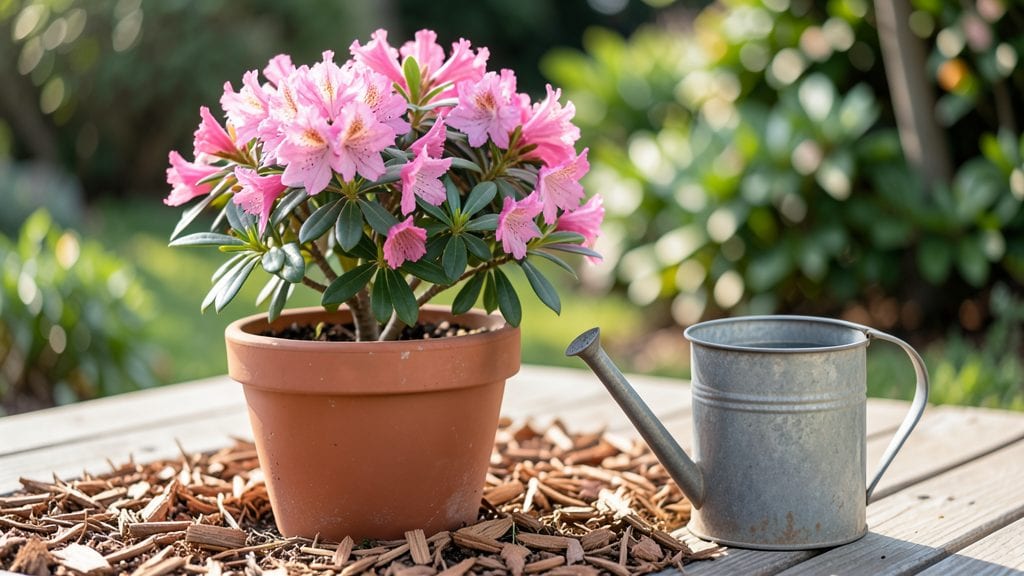
The rhododendron flowering season arrives when Pacific Northwest gardens need it most—late spring through early summer—with some varieties stretching into June, 🌸 and I’ve watched my neighbors’ yards transform from winter drab to vibrant pink, purple, and white explosions. always feels like nature’s perfect cue.
The secret to their reliability? Frost-resistant buds that unfurl just as the rain lets up, turning soggy lawns into living art.
Most rhododendrons bloom between April and June, but early varieties like ‘Annabel’ start in March, while late bloomers like ‘Nova Zembla’ hold on until July. The Pacific Northwest’s mild winters and cool summers create ideal conditions—just don’t plant them where hot afternoon sun scorches the leaves.
Well-drained, acidic soil (think pine needle mulch) keeps them flowering year after year without fuss.
You’ll know you’re doing it right when buds swell in late winter and the scent of honey drifts through your yard. Prune right after blooming to encourage next year’s flowers, and feed with an acid-loving fertilizer in early spring.
Even in rainy seasons, these tough shrubs deliver 3-4 weeks of showstopping color—longer if you deadhead spent blooms.
For gardeners in zones 6-8, timing is everything: plant in fall for established roots, and water deeply during bud set. In drier inland areas, a morning watering routine keeps blooms lush. The payoff? A garden that feels like a postcard every spring—without the fuss of finicky annuals.
📚 In This Guide
- What you need
- Instructions
- Tips and common mistakes
- Wrapping up and next steps
What you need
- ● Rhododendron plants: 1–3 mature plants (depending on garden size; dwarf varieties like ‘PJM’ or ‘Nova’ are ideal for small spaces).
- ● Frost-resistant varieties: Look for Rhododendron catawbiense, R. ‘Roseum Elegans’, or R. ‘Carolina Ruby’ (hardy to USDA Zones 4–7).
- ● Well-draining acidic soil: Peat moss or pine bark fines (5–10 gallons per plant for amending soil).
- ● Sulfur or aluminum sulfate (1–2 lbs per 100 sq ft to lower pH to 4.5–6.0).
- ● Mulch: 2–3 inches of pine needles, wood chips, or compost (helps retain moisture and insulate roots).
- ● Watering supplies: Hose with a soaker nozzle or drip irrigation system (for deep, consistent watering).
- ○ Rain gauge (optional but helpful for tracking moisture levels).
- ● Fertilizer: Acid-loving plant fertilizer (e.g., Miracle-Gro Azalea, Camellia & Rhododendron; use per label instructions, typically spring and early summer).
- ● Organic option: Fish emulsion or composted manure (diluted to 10-10-10 ratio).
- ● Pruning tools: Bypass pruners (sharp and clean) for shaping after flowering.
- ● Frost cloth: Lightweight fabric (e.g., Agribon) to protect young plants during late frosts (March–April in PNW).
- ● Slow-release fertilizer spikes: For convenience (follow package rates).
- ● Soil pH test kit: To monitor acidity levels annually.
- ● Mulch volcano guard: A ring to keep mulch away from the plant stem (prevents rot).
How to time rhododendron blooms in the Pacific Northwest
Mastering bloom timing means your frost-resistant rhododendrons will burst into color reliably year after year.
🌱 Step 1: Understand Your Rhododendron’s Chill Requirements
Most Pacific Northwest rhododendrons need 1,000-1,500 hours below 45°F to set flower buds properly. Track your winter lows—if temperatures rarely dip below freezing, supplement with cold frames or shade cloth during winter to ensure adequate chilling. I’ve found that varieties like 'Catawbiense' and 'Girard’s Pink' thrive with 1,200 chill hours, while 'Nova Zembla' needs closer to 1,500 hours.
Watch for bud swell in late winter—this is your first visual cue that the plant has received enough cold. Buds will appear plump and slightly sticky, signaling the plant is transitioning from dormancy. If your garden has mild winters, consider planting near a north-facing wall where temperatures drop more consistently.
☀️ Step 2: Monitor Spring Temperature Shifts for Peak Bloom
Rhododendrons bloom best when daytime temperatures rise to 55-65°F after the last frost. In the PNW, this typically happens between late April and early May, but timing varies by elevation. Use a minimum-maximum thermometer to track daily highs—once they consistently stay above 50°F, buds will begin opening in 7-10 days.
Here’s the thing—if a late frost hits after buds swell but before flowers open, you’ll lose that season’s bloom. I’ve learned to cover plants with frost cloth when forecasts predict 32°F or lower after buds appear. The cloth should be secured loosely to allow airflow while protecting delicate blooms.
💧 Step 3: Adjust Watering to Support Bloom Development
Once buds form, maintain even soil moisture—never let the root zone dry out completely. Water deeply once a week if rainfall is scarce, aiming for 1-1.5 inches per week. You’ll know you’re on track when the soil feels damp 2-3 inches down but not soggy. Overwatering now can cause buds to drop prematurely.
Mulch with 3-4 inches of organic matter (like wood chips) to retain moisture and regulate soil temperature. I top-dress mine in early spring to protect roots from sudden temperature swings. Avoid fertilizing during bloom—focus on balanced feeding in late summer to build next year’s buds.
✂️ Step 4: Prune Strategically After Flowering
Wait until after blooms fade (usually June-July in the PNW) to prune. Deadhead spent flowers by cutting back to the first set of healthy leaves below the bloom cluster. This encourages next year’s buds to form along the stem. I use clean, sharp pruners and make cuts at a 45-degree angle just above a leaf node.
Never prune more than one-third of the plant’s growth in a single season—rhododendrons are sensitive to aggressive cutting. If you notice leggy growth, thin out the oldest stems first to promote new, vibrant shoots. This is also the time to check for pests like lacewings or scale, which can stress the plant and delay flowering.
Tips & tricks for perfect rhododendron bloom timing
Timing is everything when it comes to coaxing vibrant blooms from your frost-resistant rhododendrons—these pro tips will help you nail the perfect schedule.
Chill Hour Precision: The 1,000-1,500 hours below 45°F requirement is non-negotiable, but here's the secret: use a minimum-maximum thermometer to track these hours accurately. I place mine in the shadiest part of my garden near the rhododendrons—this gives me precise data to determine if my plants are getting enough winter chill. For varieties like 'Nova Zembla' that need 1,500 hours, consider supplementing with cold frames if your winters are mild.
Bud Swell Visual Cues: Don't just wait for calendar dates—watch for the telltale bud swell in late winter. Healthy buds should appear plump and slightly sticky to the touch, almost like they've been coated with a thin layer of sap. This is your plant's way of saying "I'm ready!" If your buds remain small and hard, they haven't received enough chill hours yet. I've learned to check buds every 7-10 days starting in February to catch this crucial stage.
Spring Temperature Strategy: When daytime temperatures consistently stay above 50°F (as mentioned in Step 2), that's your cue to start monitoring buds daily. I keep a small notebook near my rhododendrons to record daily highs—once they're reliably in the 55-65°F range, I know blooms will appear in 7-10 days. Pro tip: Set up a weather alert for 32°F forecasts during this period so you're ready to protect those vulnerable buds with frost cloth at a moment's notice.
Watering Wisdom: The once-weekly watering guideline works, but here's what I do differently: I check soil moisture by pushing my finger 2-3 inches down—if it feels dry, that's when I water. The key is maintaining even moisture without creating soggy conditions. I've found that watering in the early morning (before 9 AM) prevents evaporation and gives roots time to absorb moisture before the heat of the day. For container-grown rhododendrons, I increase watering to twice weekly during dry spells.
Pro Tips for Rhododendron Flowering Season
- Timing is everything when it comes to coaxing vibrant blooms from your frost-resistant rhododendrons—these pro tips will help you nail the perfect schedule.
- Chill Hour Precision: The 1,000-1,500 hours below 45°F requirement is non-negotiable, but here's the secret: use a minimum-maximum thermometer to track these hours accurately.
- Bud Swell Visual Cues: Don't just wait for calendar dates—watch for the telltale bud swell in late winter.
Frequently asked questions
Got questions about rhododendron blooms? You’re not alone! Here are answers to the most common queries about rhododendron flowering season in the Pacific Northwest—plus a few pro tips to keep your plants thriving.
When is the best time to plant rhododendrons for spring blooms?
Plant rhododendrons in early fall (September–October) or late winter (February–March) to give roots time to establish before blooming season. Avoid planting in late summer or during frost—roots need cool, moist soil to settle in. Pro tip: Mulch heavily after planting to protect roots from winter cold.
Why aren’t my rhododendrons blooming this year?
Common culprits include over-fertilizing (too much nitrogen = fewer flowers), poor drainage (root rot), or lack of sunlight (they need partial shade). If buds form but drop, it’s often due to late frost or drought stress. Prune spent blooms in early summer to encourage next year’s flowers! Watch for: Yellow leaves (nutrient deficiency) or blackened buds (fungus).
Can I force rhododendrons to bloom earlier or later?
No—rhododendrons bloom based on chill hours (cold winter exposure) and daylight length. However, you can extend their season by:
- Choosing early bloomers (e.g., ‘Catawbiense Grandiflorum’) for late spring.
- Avoiding heavy pruning (cut only after blooming).
- Mulching to regulate soil temp (warmer soil = later blooms).
How do I care for rhododendrons during their flowering season?
Keep soil consistently moist (not soggy) and acidic (pH 4.5–6.0). Avoid high-phosphorus fertilizers—they promote leaves over flowers. Deadhead spent blooms but leave seed pods for wildlife. Bonus: Lightly water foliage in dry spells to protect buds from drying out.
What are some frost-resistant rhododendron alternatives for the PNW?
If you love rhododendrons but want hardier, low-maintenance options, try:
Plant
Bloom Time
Cold Hardiness (USDA Zone)
Azalea (Deciduous)
Spring (April–May)
4–8
Pieris (Andromeda)
Early spring (March–April)
5–8
Kalmia (Mountain Laurel)
Late spring (May–June)
4–8
Wrapping up and next steps
The rhododendron flowering season in the Pacific Northwest is a breathtaking spectacle that rewards patience and care—whether you're admiring their vibrant blooms or nurturing your own.
From late winter to early summer, these frost-resistant beauties transform gardens into bursts of color, proving that even the coldest climates can host stunning floral displays. 🌸
Now that you’re armed with the right timing, care tips, and answers to common questions, it’s time to take action. Whether you’re planting new shrubs, pruning for next season, or simply soaking in the scenery, embrace the magic of rhododendrons. Happy gardening—and happy blooming! 🌿