
Flowers
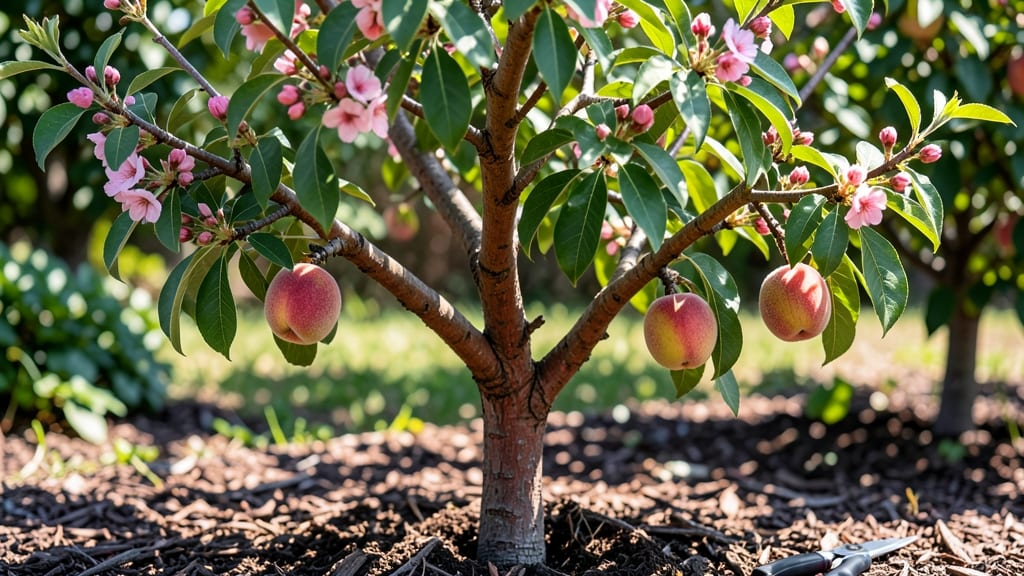
Peach tree flowers and fruit transform a backyard from ordinary to extraordinary—when you know the secrets. 🌸 I remember the first time my peach tree burst into pink blossoms in early spring, only to drop most of its fruit later.
That year taught me everything I needed to know about balancing flowers and fruit production.
The key lies in three things: pruning to open the canopy for sunlight, ensuring proper pollination with early blooming varieties, and watering deeply but not drowning the roots.
Most gardeners overlook the soil's role—peaches thrive in well-draining soil with a pH of 6.0 to 6.5, and they need consistent moisture without soggy roots. I learned this the hard way after losing half my harvest to split fruit.
When done right, you'll end up with trees heavy with fruit by late summer, their branches bending under the weight of juicy peaches. The flowers return year after year if you protect the tree from late frosts and pests, giving you that magical spring display every season.
The payoff is worth the effort—nothing beats biting into a peach you grew yourself.
This works for both backyard peach trees and container-grown dwarf varieties, though larger trees need more space for proper airflow. Whether you're dealing with a young sapling or an established tree, the same principles apply. Let's get those blossoms turning into fruit!
📚 In This Guide
- What you need
- Instructions
- Tips and common mistakes
- Wrapping up and next steps
What you need
- ● Peach tree sapling or bare-root plant: Choose a variety suited to your climate (e.g., Elberta, Redhaven, or Flavorcrest). Purchase from a reputable nursery.
- ● Well-draining soil: Aim for a pH of 6.0–7.0. Mix in compost or aged manure (5–10 lbs per planting hole) for nutrients.
- ● Fertilizer: Use a balanced 10-10-10 or fruit-tree-specific fertilizer (follow package rates for young trees).
- ○ Mulch (optional but recommended): Wood chips or straw (2–3 inches thick) to retain moisture and suppress weeds.
- ● Shovel and trowel: For digging planting holes (12–18 inches wide/deep).
- ● Pruning shears: Sharp, sterilized shears (for shaping and post-harvest cleanup).
- ● Watering can or hose with nozzle: Gentle watering is key, especially during flowering and fruiting.
- ● Garden gloves: Protect your hands from thorns and soil.
- ○ Stakes and twine (optional): For young trees in windy areas.
- ● Sunlight: Full sun (6–8+ hours daily). Partial shade may reduce blooms/fruit.
- ● Chill hours: Most peach trees need 300–900 hours below 45°F (5°C) annually. Check your USDA zone (5–9 typically work).
- ● Space: Mature trees need 15–20 feet between trunks (or 25+ feet for dwarf varieties).
- ● Pollination: Cross-pollination often helps—plant two compatible varieties if possible.
Step-by-Step guide to encouraging peach tree flowers and fruit
Here's how to coax vibrant blooms and sweet harvests from your peach tree every season.
🌱 Step 1: Prune for Light and Airflow in Late Winter
Start by removing any dead, diseased, or crossing branches with clean, sharp pruning shears. I aim to open up the center of the tree so sunlight reaches all branches—peach trees need full sun (6-8 hours daily) to set fruit properly. Cut back to outward-facing buds to encourage new growth that won't shade the interior.
Watch for branches growing straight up—they'll never bear fruit well. These vertical "water sprouts" should be cut completely. Remove any suckers growing from the base too. After pruning, disinfect your shears with rubbing alcohol to prevent spreading disease between cuts.
☀️ Step 2: Apply Balanced Fertilizer at Bloom Time
When you see the first pink buds appear, feed your tree with a 10-10-10 or 12-12-12 balanced fertilizer. I use about 1 pound of fertilizer per inch of trunk diameter, spread evenly under the dripline. Water deeply after application to help nutrients penetrate the soil.
Peach trees need consistent moisture during bloom—water 1-2 inches per week during flowering. You'll know you're doing it right when the soil feels damp 6 inches down. Too much water now causes blossom drop, while too little stresses the tree and reduces fruit set.
🌿 Step 3: Thin Fruit to Improve Size and Quality
When peaches are the size of marbles (about 1-2 inches in diameter), thin them to 6-8 inches apart on each branch. I remove smaller or misshapen fruit first—this gives remaining peaches room to grow without competing for nutrients. Use sharp pruners to avoid damaging the stem.
Thinning isn't just about size—it prevents branches from breaking under heavy loads. You'll see fewer but larger, sweeter peaches that ripen more evenly. If your tree has too many peaches, you might need to thin in stages over 2-3 weeks to avoid shocking the tree.
✂️ Step 4: Summer Pruning to Maintain Shape and Health
During the growing season, remove any suckers that appear at the base and any branches growing toward the center. I also cut back any branches that are rubbing against each other—these wounds invite disease. Summer pruning keeps your tree's energy focused on fruit development rather than unnecessary growth.
Watch for signs of pests like aphids or peach tree borers. If you spot any, treat immediately with horticultural oil or neem oil. Healthy foliage means better photosynthesis, which translates to more energy for next year's blooms. Don't prune after mid-August—new growth won't harden off before winter.
🍑 Step 5: Prepare for Winter to Ensure Next Year's Blooms
After the first hard frost, rake up fallen leaves and debris from under the tree to prevent fungal diseases. Apply a 2-3 inch layer of mulch around the base, keeping it 6 inches away from the trunk. I use straw or wood chips that will break down slowly and improve soil structure over time.
Peach trees need 50-100 chill hours (temperatures between 32-45°F) to set buds properly. If you're in a warm climate, consider selecting low-chill varieties. Water deeply before the ground freezes to ensure roots stay hydrated through winter dormancy.
Tips & tricks for perfect peach tree blooms and fruit
Here's what nobody tells you about keeping your peach tree thriving year after year.
Pruning Precision: In Step 1, when you're pruning for light and airflow, make those cuts at a 45-degree angle just above an outward-facing bud. This simple technique encourages stronger growth from the bud rather than leaving a flat surface that can collect water and invite disease. I learned this the hard way after seeing several cuts fail to produce new growth—always make that angled cut!
Fertilizer Timing: The key to Step 2 isn't just the type of fertilizer but when you apply it. I've found that applying fertilizer when you see the first pink buds (not white blooms) gives your tree the boost it needs without overstimulating early growth. Too early, and you might encourage leafy growth at the expense of fruit production. Too late, and your tree might struggle to support the blossoms.
Thinning Technique: When you're thinning fruit in Step 3, don't just focus on size—watch for peaches that are growing too close to the trunk or on weak branches. These are prime candidates for removal as they'll never reach full size or ripen properly. I also recommend thinning on a cloudy day when temperatures are mild, as the tree is less stressed by the process.
Summer Pruning Watch: That mid-August cutoff in Step 4 isn't arbitrary—it's about giving new growth time to harden off before winter. If you prune after this date, those tender new shoots won't have time to develop protective bark layers. I mark my calendar with a bright sticker to remind me of this crucial deadline every year.
Pro Tips for Peach Tree Flowers And Fruit
- Here's what nobody tells you about keeping your peach tree thriving year after year.
- Pruning Precision: In Step 1, when you're pruning for light and airflow, make those cuts at a 45-degree angle just above an outward-facing bud.
- Fertilizer Timing: The key to Step 2 isn't just the type of fertilizer but when you apply it.
Frequently asked questions
Got questions about peach tree flowers and fruit? You’re not alone! Here are some of the most common queries—plus quick, practical answers to help you grow like a pro.
When do peach tree flowers bloom, and how long do they last?
Peach tree flowers typically bloom in early spring (March–April in most U.S. zones), right before leaves emerge. The blossoms last 7–10 days—a short but stunning window! Cold snaps can delay blooming, while warm spells may trigger early (and frost-sensitive) flowers. Pro tip: Monitor your local frost dates to protect delicate blooms with frost cloth if needed.
Why aren’t my peach tree flowers turning into fruit?
No fruit after blooms? Common culprits include poor pollination (plant a second peach variety nearby), late frost damage (frost kills flowers before they set fruit), or nutrient deficiencies (add nitrogen-rich fertilizer in early spring). Honeybees are your best pollinators—plant bee-friendly flowers nearby to boost success!
How long does it take for peach tree flowers to become fruit?
From bloom to harvest, peaches take 90–120 days, depending on the variety. Early-season types (like ‘Redhaven’) ripen in ~3 months, while late varieties (like ‘Elberta’) may take closer to 4 months. Track your tree’s progress: Flowers → tiny peaches (June) → golf-ball size (July) → harvest-ready (late summer).
Can I grow peaches from seed, or should I buy a grafted tree?
While you can grow peaches from seed, the fruit won’t match the parent tree’s quality, size, or disease resistance. Grafted trees (sold at nurseries) are the way to go—they’re faster, more reliable, and produce consistent fruit. If you’re patient, seed-grown trees may take 5–7 years to bear fruit (vs. 2–3 years for grafted trees).
What should I do if peach tree leaves or fruit have bugs or spots?
Common pests like aphids, peach tree borers, or leaf curl (a fungal disease) can stress your tree. Act fast: Spray with neem oil for soft-bodied bugs, or use copper fungicide for leaf curl. For borers, prune and treat wounds with pruning paint. Prevention tip: Keep your tree healthy with regular watering and mulch to deter pests!
Can I cross-pollinate peach trees with other stone fruits (like plums or cherries)?
While peach trees can cross-pollinate with other stone fruits (like plums or apricots), the results are usually infertile or odd hybrids. Stick to another peach variety (even a different species) for best pollination. Exception: Some plumcot or plupeach hybrids exist, but they’re rare and require intentional breeding.
Wrapping up and next steps
From the delicate beauty of peach tree flowers to the juicy rewards of a bountiful harvest, growing your own peach tree is a rewarding journey filled with seasonal magic. 🌸 Whether you're a first-time gardener or a seasoned green thumb, understanding the timing, care, and secrets behind blooms and fruit ensures a thriving tree year after year.
Now that you’re armed with the knowledge, it’s time to roll up your sleeves and plant that peach tree! Start by choosing the perfect spot, gather your tools, and let nature do the rest. Happy gardening—your future harvest (and neighbors) will thank you! 🍑✨