
Flowers
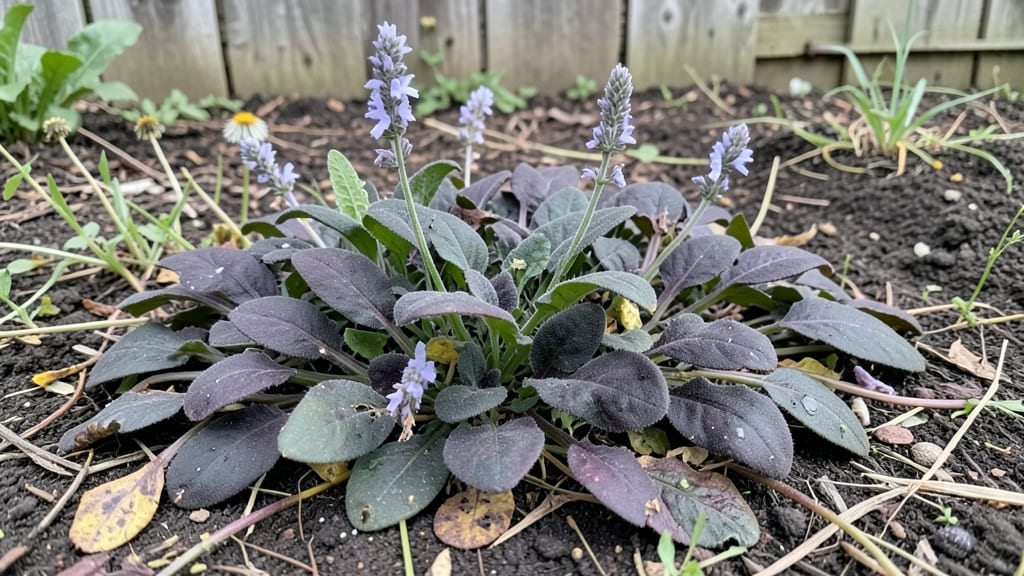
Transform your garden into a lush, blooming carpet without the weeding or watering headaches. 🌸 Flowering perennial ground covers like creeping phlox and ajuga spread effortlessly, turning bare soil into vibrant tapestries that thrive in sun or shade.
The secret lies in their self-spreading roots and drought-resistant nature—once established, they require almost no maintenance while delivering year-round interest.
These plants aren’t just pretty faces—they’re problem-solvers. They smother weeds, prevent erosion on slopes, and provide seasonal blooms from early spring to late fall. My favorite combinations? Pair deep purple ajuga with silver-blue creeping thyme for contrast, or let heuchera’s velvety foliage peek through a sea of creeping phlox.
The best part? They handle foot traffic, making them perfect for pathways or kids’ play areas.
Imagine stepping onto soft, fragrant ground instead of hard mulch. With just a little planning, you’ll create a living carpet that stays green, blooms reliably, and cuts your garden chores to almost nothing.
The payoff? A garden that looks polished year-round with minimal effort. Let’s get started with the easiest, most beautiful options for your space.
Whether you’re covering a shady woodland edge or a hot, sunny slope, these perennials adapt—some even thrive in containers or between stepping stones. The key is choosing the right mix for your light conditions and soil type.
I’ll walk you through the top performers and how to layer them for maximum impact, so your garden does the work for you.
📚 In This Guide
- What you need
- Instructions
- Tips and common mistakes
- Wrapping up and next steps
What you need
- ● Flower perennial ground cover plants: Choose 3–5 varieties (e.g., Ajuga reptans, Lamium galeobdolon, or Heuchera)—calculate 10–15 plants per square foot for full coverage.
- ● High-quality topsoil or compost: 2–3 bags (2–3 cubic feet each) for amending soil before planting.
- ○ Organic mulch (optional but recommended): 1–2 bags of shredded bark or pine needles (3–4 cubic feet) to retain moisture.
- ● Slow-release fertilizer: 1 bag (e.g., 10-10-10 or organic options like fish emulsion) for nutrient boost.
- ● Garden trowel or transplant spade – for digging small holes.
- ● Garden fork or broadfork – to loosen soil (especially in compacted areas).
- ● Rake (bow or leaf rake) – for leveling soil and removing debris.
- ● Watering can or hose with a gentle spray nozzle – for post-planting hydration.
- ● Gloves (heavy-duty) – to protect hands from thorns or rough soil.
- ● Sunlight assessment: Confirm if your area is full sun (6+ hrs/day), partial shade (3–6 hrs), or full shade (<3 hrs)—choose plants accordingly!
- ○ Soil test kit (optional but helpful): Check pH (ideal: 6.0–7.0 for most perennials).
- ● Water source nearby – for consistent hydration during establishment (first 2–3 weeks).
Step-by-step instructions for planting flower perennial ground covers
Here's my go-to method for creating a lush, low-maintenance living carpet that thrives in sun or shade.
🌱 Step 1: Prepare the Soil for Optimal Growth
Start by clearing the area of weeds, rocks, and debris—this ensures your ground covers have room to spread without competition. I like to loosen the top 6 inches of soil with a garden fork, breaking up any compacted layers. For sun-loving varieties like creeping thyme or coreopsis, mix in 2-3 inches of compost to improve drainage and nutrient availability.
In shady spots, focus on moisture retention by amending with 1-2 inches of peat moss or coconut coir. Test soil pH—most flowering ground covers prefer 6.0-7.0. If your soil is too acidic, add lime; if too alkaline, work in sulfur. A simple pH test kit makes this easy. The goal is to create a loose, well-aerated bed that encourages root spread.
🪴 Step 2: Choose and Plant the Right Varieties
Select plants based on your light conditions. For full sun, try creeping phlox, ajuga, or sedum, which spread aggressively and tolerate dry spells. In partial shade, opt for lamium or heuchera—their colorful foliage adds texture while suppressing weeds. Space plants 12-18 inches apart, depending on the variety's mature spread (check the tag).
Dig holes slightly deeper than the root ball to encourage root growth downward. Gently remove plants from containers, tease apart roots if pot-bound, and place them so the top of the root ball sits level with the soil surface. Backfill with native soil, pressing lightly to eliminate air pockets. Water deeply to settle the soil and remove any air gaps.
☀️ Step 3: Water and Mulch for Long-Term Success
Water thoroughly after planting to help roots establish, then maintain 1 inch of water per week during the first growing season. Avoid overhead watering—it can spread disease. Instead, use soaker hoses or drip irrigation to deliver moisture directly to the roots. You'll know you're doing it right when the soil feels moist but not soggy down to 2 inches deep.
Apply 2-3 inches of organic mulch (like shredded bark or pine needles) to retain moisture, suppress weeds, and regulate soil temperature. Keep mulch 2 inches away from plant stems to prevent rot. Replenish mulch annually in spring. This step is non-negotiable—it’s what turns a good planting into a thriving ground cover.
✂️ Step 4: Maintain and Encourage Spread
Once established, most flowering ground covers need minimal care. In early spring, trim back any dead or leggy growth to encourage bushier foliage. For aggressive spreaders like creeping thyme, you can lightly mow the area in late fall to keep it tidy. Avoid heavy pruning—it can stress plants and reduce blooms.
Fertilize lightly in early spring with a balanced, slow-release fertilizer (10-10-10). Over-fertilizing leads to excessive leaf growth at the expense of flowers. Watch for signs of stress—yellowing leaves often mean too much water, while crispy edges signal underwatering. Adjust your watering schedule based on what you observe.
Tips & tricks for perfect flower perennial ground covers
Transforming your garden into a vibrant, low-maintenance living carpet starts with these pro tips that address the most common challenges.
Soil Preparation Secret: Don't just clear weeds—remove any underground roots too. I use a garden fork to dig out stubborn roots, which prevents regrowth and gives your ground covers unobstructed access to nutrients. For heavy clay soil, mix in 2-3 inches of sand along with your compost to improve drainage, especially for sun-loving varieties like creeping thyme.
Planting Depth Matters: When placing your plants, the top of the root ball should sit level with the soil surface—never buried deeper. I've made the mistake of planting too deep, which can cause root rot. For container-grown plants, gently squeeze the root ball to check for air pockets before backfilling with native soil. Press lightly around the edges to eliminate any remaining air gaps.
Mulching Like a Pro: The 2-3 inches of mulch recommended isn't just for looks—it's a game-changer for moisture retention and weed suppression. I use shredded hardwood mulch because it breaks down slowly and improves soil structure over time. For shady areas, consider pine needles—they're acidic and help maintain moisture better than other types. Always keep mulch 2 inches away from stems to prevent rot.
Watering Wisdom: That 1 inch of water per week guideline is perfect, but timing matters just as much. Water in the early morning so foliage has time to dry before evening. I use a rain gauge to track rainfall—if you've gotten 1 inch naturally, skip the watering. For newly planted ground covers, water deeply 2-3 times per week for the first month to encourage strong root establishment.
Pro Tips for Flower Perennial Ground Cover
- Transforming your garden into a vibrant, low-maintenance living carpet starts with these pro tips that address the most common challenges.
- Soil Preparation Secret: Don't just clear weeds—remove any underground roots too.
- Planting Depth Matters: When placing your plants, the top of the root ball should sit level with the soil surface—never buried deeper.
Frequently asked questions
Got questions about flower perennial ground covers?
You’re not alone! Below are answers to the most common queries—from planting tips to troubleshooting—to help you create the perfect low-maintenance living carpet for your garden.
What’s the best time of year to plant perennial ground covers?
Plant in early spring or fall when soil is workable but not frozen. This gives roots time to establish before extreme heat or cold. Avoid planting in summer’s peak heat or winter’s frost—both stress young plants. Pro tip: Water deeply after planting to reduce transplant shock!
Can I use perennial ground covers in full shade or only sunny spots?
Many thrive in shade! Look for hostas, ajuga, or heuchera for low-light areas, while creeping thyme or ice plant prefer sun. Always check the plant tag for light requirements—some, like lamium, adapt to partial shade too. Test your spot: If sunlight hits for <4 hours/day, it’s shade.
How often should I prune or trim perennial ground covers?
Light trimming in early spring keeps them tidy and encourages growth. For aggressive spreaders (like creeping phlox), trim back by ⅓ in late summer to prevent overcrowding. Avoid heavy pruning in fall—it reduces winter hardiness. Use sharp shears for clean cuts!
What pests or diseases should I watch for with perennial ground covers?
Common issues include slugs (especially on hostas), aphids, or powdery mildew in humid climates. Prevent slugs with copper tape or diatomaceous earth. For mildew, improve airflow and water at the base. Remove infected leaves promptly to stop spread.
Are there any low-maintenance alternatives if I don’t want flowers?
Yes! Try sedum (succulent-like), moss (for ultra-low areas), or creeping juniper (drought-tolerant). Even clover works as a living mulch—it’s edible and fixes soil! Just ensure your site’s sunlight/moisture matches the plant’s needs.
Wrapping up and next steps
Transforming your garden into a lush, low-maintenance paradise is easier than you think! Flower perennial ground covers offer year-round beauty, soil protection, and weed suppression—perfect for sun or shade. Whether you’re drawn to creeping thyme’s fragrant charm or ajuga’s striking foliage, these plants deliver effortless elegance with minimal upkeep.
Ready to take the next step? Start small—pick one or two varieties to test in a sunny or shady patch, then expand as you see what thrives. With a little planning, your garden will soon be a vibrant, self-sustaining carpet that delights year after year! 🌿✨