
Landscaping
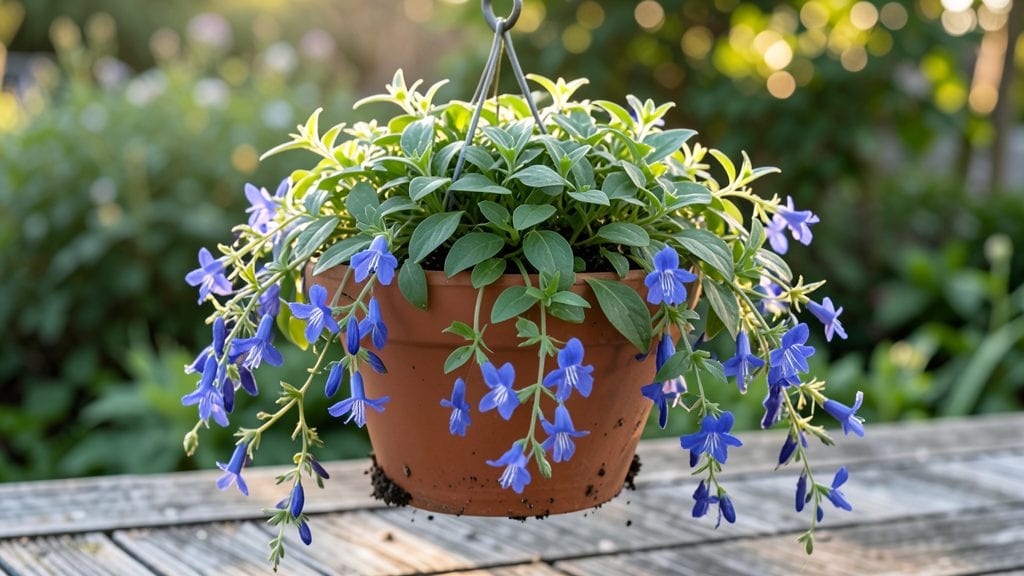
A small flower bed in front of your house can transform your home’s first impression without demanding hours of work. I’ve designed low-maintenance beds that burst with color while requiring just 10 minutes of care weekly—no green thumb required.
The trick is choosing the right plants for your light conditions and spacing them so they fill in naturally over time.
Start with a 3-foot by 3-foot bed (or smaller if needed) to maximize impact with minimal effort. Use mulch to suppress weeds and retain moisture, and opt for perennials like coneflowers, black-eyed Susans, and ornamental grasses—they come back year after year with almost no upkeep.
For instant curb appeal, add annuals like petunias or marigolds in pots around the edges.
You’ll end up with a bed that looks polished all season long, even when you’re busy. The right plant mix creates movement—tall spikes, mounding foliage, and cascading blooms—that draws the eye and makes your home feel inviting.
Plus, pollinators will flock to your front yard, turning your garden into a mini ecosystem.
Works for any climate, from sun-drenched Southern yards to shady Northern porches. The key is adapting plant choices to your specific conditions—once you do, you’ll have a front yard that neighbors admire without the hassle. Ready to get started?
📚 In This Guide
- What you need
- Instructions
- Tips and common mistakes
- Wrapping up and next steps
What you need
- ● Soil: 1–2 bags (1–2 cubic feet each) of high-quality garden soil or a mix of topsoil + compost (for drainage and nutrients).
- ● Mulch: 1–2 bags (1–2 cubic feet) of shredded bark, pine straw, or cocoa hulls (to retain moisture and suppress weeds).
- ● Plants: 3–5 low-maintenance perennials, annuals, or shrubs (e.g., sedum, lavender, petunias, or ornamental grasses). Choose based on your climate zone!
- ● Edging: 1–2 feet of landscape edging (metal, plastic, or stone) to define the bed neatly.
- ● Watering can or hose: With a gentle spray nozzle for delicate flowers.
- ● Gloves & knee pads: To protect your hands and knees during planting.
- ● Decorative stones: For borders or pathways (e.g., pebbles, slate chips, or flagstone).
- ● Fertilizer: Slow-release granular or liquid fertilizer (follow package instructions).
- ● Drip irrigation kit: For hands-free watering (great for busy homeowners!).
- ● Solar-powered lights: To add a magical glow at night.
- ● Pruners & hand trowel: For shaping and precision planting.
Instructions for designing a low-maintenance front flower bed
Here's how to create a front flower bed that demands little effort but delivers maximum curb appeal.
Define the Bed's Shape and Size
Sketch your design on paper first—this prevents costly mistakes. I recommend a simple rectangular or curved border for a polished look. Measure your space carefully, aiming for a width of 2-4 feet (narrow beds reduce weeds and make maintenance easier). Mark the outline with spray paint or a garden hose before digging.
Dig down 8-12 inches to create a clean, level base. Remove any grass or weeds, then rake the soil smooth. The deeper you dig, the more stable your plants will be, especially in clay-heavy soils. For a defined edge, use landscape fabric or edging stones to contain the soil and prevent erosion.
Prepare the Soil for Healthy Growth
Test your soil’s drainage by digging a hole, filling it with water, and timing how long it takes to drain. If water lingers beyond 30 minutes, amend the soil with 2-3 inches of compost or sand to improve aeration. For poor soil, mix in 50% native soil with 50% high-quality topsoil to create a nutrient-rich foundation.
Spread a 2-inch layer of mulch (like pine bark or shredded leaves) over the soil after planting. This suppresses weeds, retains moisture, and regulates soil temperature. Avoid piling mulch directly against plant stems—leave a 1-inch gap to prevent rot. Water deeply after amending to settle the soil and encourage root growth.
Select Low-Maintenance Plants for Year-Round Interest
Choose a mix of perennials, annuals, and evergreens to ensure color and texture throughout the seasons. For example, pair lavender (drought-tolerant) with hostas (shade-loving) and coneflowers (long-blooming). Group plants by sunlight needs—full sun lovers (like daylilies) on the south side, partial shade plants (like ferns) on the north.
Space plants based on their mature size: small perennials (12-18 inches apart), medium shrubs (2-3 feet apart), and tall grasses (3-4 feet apart). Overcrowding leads to competition for nutrients and weak growth. Water each plant deeply after planting to encourage root establishment, and avoid fertilizing until new growth appears.
Add Finishing Touches for Curb Appeal
Incorporate ornamental grasses, rocks, or a small water feature to elevate the design. For example, a small boulder or slate stepping stone can anchor the bed’s center. Add seasonal interest with spring bulbs (like daffodils), summer annuals (like petunias), and fall foliage (like ornamental kale). Prune spent blooms regularly to encourage continuous flowering.
Install drip irrigation or a soaker hose along the bed’s edge to automate watering. Set the system to run early in the morning for 10-15 minutes daily, adjusting for rainfall. This keeps plants hydrated without wasting water or inviting fungal diseases. A light layer of gravel around the irrigation line prevents clogging and keeps the system tidy.
Maintain the Bed with Minimal Effort
Water deeply 2-3 times per week during dry spells, focusing on the root zone rather than the foliage. Mulch annually in early spring to replenish its weed-suppressing benefits. Fertilize once in early spring with a slow-release granular fertilizer, following package instructions. Avoid over-fertilizing—it leads to lush foliage but fewer blooms.
Inspect the bed monthly for weeds, pests, or diseased plants. Remove weeds by hand when small—larger ones require digging. For pests, use neem oil or insecticidal soap as a first line of defense. Prune back dead or overgrown stems in late winter to shape the bed and encourage fresh growth. With this routine, your flower bed will stay vibrant with almost no daily effort.
Tips & tricks for perfect small front flower beds
These simple yet game-changing strategies will help you create a front flower bed that looks stunning with minimal ongoing work.
Design First, Dig Second: Before you even touch your shovel, sketch your design on paper and walk through it at different times of day. Lighting changes dramatically throughout the day—what looks perfect at noon might cast unflattering shadows in the morning. I always check my design at both sunrise and sunset to ensure it will look appealing all day. This step alone prevents costly redesigns later.
Soil Prep Secret: When testing your soil's drainage (that 30-minute water test), go a step further and check the pH too—most garden centers offer cheap test kits. Aim for a pH between 6.0-7.0, which is ideal for most flowering plants. If your soil is too acidic, add crushed limestone; if it's alkaline, work in peat moss. Proper pH means your plants will thrive with less fertilizer, saving you time and money in the long run.
Plant Placement Pro Tip: For that professional look where plants seem to "belong" perfectly, use the "odd number rule" when grouping. Instead of planting three lavender bushes in a straight line (which looks amateur), try planting five in a loose cluster. This creates natural-looking groupings that feel intentional. Also, place taller plants toward the back and shorter ones toward the front—this prevents hiding your smaller, more delicate plants behind giants.
Automate the Maintenance: That 10-15 minute daily watering window is your golden opportunity to set up a drip irrigation system that runs on a timer. I recommend placing the emitter heads right at the base of each plant rather than along the edge—this ensures water goes exactly where it's needed. You'll never have to remember to water again, and your plants will develop deeper root systems from consistent moisture.
Pro Tips for Small Flower Bed In Front Of House
- These simple yet game-changing strategies will help you create a front flower bed that looks stunning with minimal ongoing work.
- Design First, Dig Second: Before you even touch your shovel, sketch your design on paper and walk through it at different times of day.
- Soil Prep Secret: When testing your soil's drainage (that 30-minute water test), go a step further and check the pH too—most garden centers offer cheap test kits.
Frequently asked questions
Got questions about creating or maintaining a small flower bed in front of your house? Here are some of the most common ones—and their answers—to help you get started with confidence!
What’s the best time of year to plant a small front-yard flower bed?
The ideal time depends on your climate, but spring (after the last frost) and early fall (6-8 weeks before the first frost) are the sweet spots. These seasons give plants time to establish roots before extreme weather hits. For warmer zones, winter planting can also work—just choose cold-hardy varieties!
How much does a small flower bed typically cost to install?
Costs vary based on size, materials, and whether you DIY or hire help. A basic 4’x4’ bed with soil, mulch, and a few plants might run $50–$150 if you shop smart. Adding edging, pavers, or professional installation could push it to $200–$500+. Pro tip: Buy perennials over annuals—they’ll save you money long-term!
What’s the easiest way to keep pests away from my flower bed?
Prevention is key! Start with healthy soil (rich in compost) and resistant plant varieties. For pests like slugs or aphids, try:
- Natural barriers (copper tape, crushed eggshells)
- Neem oil spray (organic and effective)
- Beneficial insects (ladybugs, lacewings—check local garden centers!)
Can I use a small flower bed to hide an ugly view or fence?
Tall, fast-growing plants like sunflowers, ornamental grasses, or bamboo create a natural screen. For a low-maintenance solution, try:
- Evergreen shrubs (boxwood, holly)
- Climbing vines (clematis, ivy—train them on a trellis)
- Layered planting (tall back, medium middle, short front)
What do I do if my flower bed looks sad after winter?
Don’t worry—revival is easy! Start by:
- Raking away dead leaves (but leave mulch in place)
- Trimming back perennials (cut to 2–3 inches above ground)
- Adding fresh mulch (2–3 inches to protect roots)
- Fertilizing lightly (use a balanced granular or slow-release option)
Wrapping up and next steps
A small flower bed in front of your house isn’t just a pretty addition—it’s a low-maintenance, high-impact way to boost curb appeal and create a welcoming atmosphere.
With the right plants, materials, and a little creativity, you can transform that space into a charming focal point that requires minimal upkeep. 🌸
Ready to take the next step? Start by sketching your design, gathering supplies, and planting with confidence—your front yard (and neighbors!) will thank you. Happy gardening!