
Planting
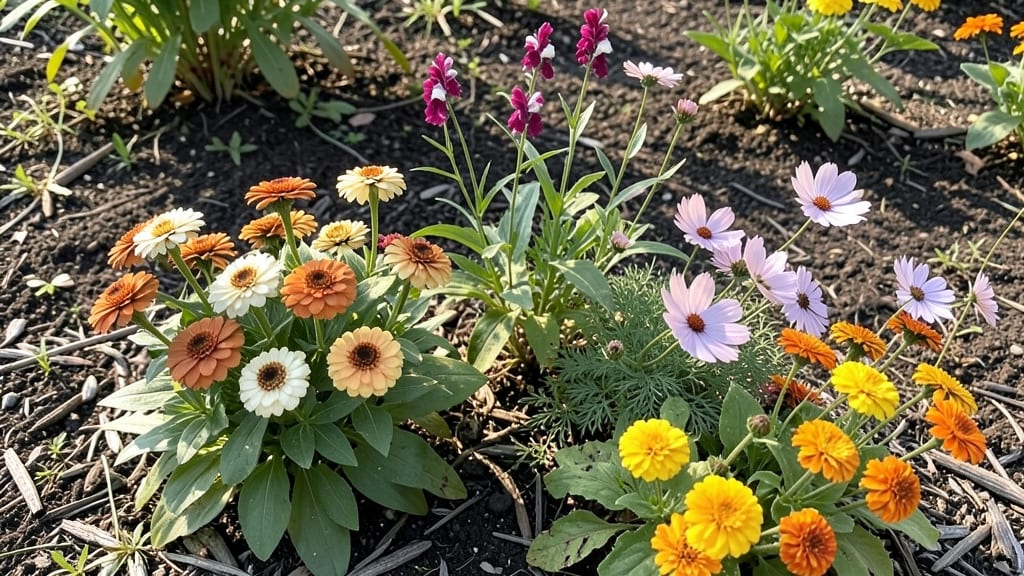
Zone 5’s cool springs and early frosts call for the right flower seeds for zone 5—like cosmos that bloom all summer or coneflowers that thrive through heat and drought.
I've learned the hard way which seeds actually make it past our last frost: the ones that germinate fast in cool soil and tolerate light frosts. These aren't just pretty faces; they're the workhorses of my garden, turning early spring mud into vibrant color by Memorial Day.
The secret isn't fancy soil or perfect timing—it's choosing the right seeds for our short season. Start cosmos and snapdragons indoors in late March for transplants, or sow them directly after the last frost in mid-May.
Black-eyed Susans and coneflowers? Plant them in early spring or even fall for a head start next year. The key is getting them in the ground when the soil hits 50°F—no earlier, or they'll rot.
What you end up with is a garden that looks like it's been growing all season, not one that fades by July. Imagine cosmos swaying in breezes, coneflowers attracting pollinators, and marigolds keeping pests at bay—all while your neighbors are still waiting for their summer color to arrive.
These flowers don't just survive Zone 5's quirks; they thrive because they're built to handle our climate's ups and downs.
Works whether you're filling a small city planter or a half-acre field. The same principles apply—just scale the seeds. Let's get those packets opened and those blooms growing!
📚 In This Guide
- What you need
- Instructions
- Tips and common mistakes
- Wrapping up and next steps
What you need
- ● Flower seeds for Zone 5: Choose cold-hardy annuals like Sweet Alyssum, Lobelia, or Calendula (1–2 packets per variety).
- ● Seed-starting trays or pots: 2–4 small containers (2–3 inches deep) with drainage holes.
- ● Seed-starting mix: 1 bag (sterile, lightweight potting soil).
- ● Watering can or spray bottle: Fine mist setting for gentle hydration.
- ● Grow lights or sunny windowsill: 6–8 hours of light daily (or a grow light for 12–16 hours).
- ○ Plastic wrap or humidity dome: To retain moisture (optional but helpful for early stages).
- ● Fertilizer (balanced, 10-10-10 or 5-10-10): 1 small bottle for post-germination feeding.
- ● Garden gloves: 1 pair (to protect your hands from soil and sharp edges).
- ● Heating mat: Keeps soil warm for faster germination (especially for slower starters).
- ● Plant labels: Wooden or biodegradable tags to track varieties.
- ● Transplanting tool: Small trowel or spoon for delicate seedling moves.
- ● Compost or worm castings: Boosts soil fertility for transplanting outdoors.
- ● Row covers or frost cloth: Protects young plants from late spring frosts.
How to select and plant hardy annual flower seeds for Zone 5 gardens
Zone 5's cooler springs and shorter growing season call for smart choices—here's how to pick and grow flowers that bloom reliably.
Choose Seeds Suited for Zone 5's Cool Climate
Focus on hardy annuals that tolerate cooler temperatures and shorter seasons. Snapdragons, sweet alyssum, and larkspur thrive in Zone 5's 45-55°F spring nights and 60-75°F summer days. Check seed packets for "cool-season" labels—these varieties start earlier and handle light frosts better than heat-loving flowers.
I avoid tender annuals like marigolds or zinnias unless I start them indoors 6-8 weeks before the last frost. Instead, I opt for Calendula and Nasturtiums—they germinate quickly in cool soil and bloom until frost. Always buy seeds from reputable suppliers; locally adapted varieties perform best in Zone 5.
Prepare Beds for Early Planting
Work the soil 2-3 weeks before your average last frost date (typically mid-April in Zone 5). Loosen the top 6-8 inches with a garden fork to improve drainage and root penetration. Mix in 2-3 inches of compost to provide nutrients without burning tender seedlings.
Zone 5's clay-heavy soils often compact when wet. To prevent this, I spread 1 inch of coarse sand over the bed before adding compost. This creates air pockets that help roots establish faster. Avoid working the soil when it's wet—wait until it's crumbly when squeezed in your hand.
Time Planting for Optimal Blooms
Direct-sow most cool-season annuals 2-4 weeks before your last frost date. For example, in northern Zone 5 areas, I plant snapdragons in early May, while southern Zone 5 gardeners can start them in late April. Press seeds ¼ inch deep—deeper planting delays germination in cool soils.
Use a seed starting formula (not garden soil) for better moisture control. Water gently with a fine spray until the soil surface is damp but not soggy. Cover the bed with 1 inch of straw mulch to retain moisture and protect emerging seedlings from late frosts. Remove the mulch once seedlings appear.
Maintain Consistent Moisture and Light
Young seedlings need even moisture—water every 2-3 days until they develop 3-4 true leaves. Use a soaker hose or drip irrigation to keep water at the root zone; overhead watering can spread disease. Zone 5's variable weather means morning watering is best—it gives plants a full day to dry.
Thin seedlings to 6-12 inches apart, depending on the variety. I use scissors to snip unwanted plants at soil level rather than pulling, which disturbs roots. After thinning, side-dress with 1 tablespoon of 5-10-5 fertilizer per plant to encourage strong growth. Most annuals bloom best with 6+ hours of sun daily—watch for leggy growth if they're stretching toward light.
Extend the Season with Succession Planting
Zone 5's short growing season means you can enjoy flowers longer through succession planting. Sow half your seeds at the recommended time, then plant the rest 4-6 weeks later. This ensures continuous blooms from early summer until frost. For example, I plant cosmos seeds in early June for late-summer color.
Remove spent blooms regularly to encourage more flowers. For annuals like zinnias, deadheading (cutting back to the first set of leaves) triggers bushier growth. As temperatures drop in fall, protect tender plants with row covers or move potted annuals to a sheltered spot. Many Zone 5 annuals self-seed, so leave some spent plants until spring for next year's garden.
Tips & tricks for perfect Zone 5 flower gardens
These practical tips will help you maximize blooms and avoid common pitfalls when growing annual flowers in Zone 5's challenging climate.
Seed Selection Tip: Look for seed packets labeled "cool-season" or "Zone 5 hardy"—these varieties are specifically bred to handle your climate's temperature swings. I always check the maturity date too; aim for varieties that reach full bloom within 60-70 days, giving you plenty of summer color before fall frosts arrive. The 45-55°F nighttime temperatures in spring are perfect for snapdragons and larkspur, but avoid heat-loving varieties like zinnias unless you're starting them indoors.
Soil Preparation Strategy: For Step 2, don't skip the sand amendment if you have clay soil—it's the difference between roots struggling to penetrate and establishing quickly. I like to mix in 1 inch of horticultural sand with the compost before loosening the soil. This creates ideal air pockets while maintaining moisture. Test your soil's drainage first by digging a hole and filling it with water—if it drains in less than 2 hours, you're good to go.
Planting Timing Hack: When planning your 2-4 week planting window before last frost, check your local frost date forecast—it can vary by 1-2 weeks depending on your exact location within Zone 5. I plant half my seeds at the recommended time and the other half 2 weeks later for staggered blooms. For varieties like calendula, you can even plant a third batch 4 weeks after the first sowing to extend your harvest.
Season Extension Trick: In Step 5, don't overlook the power of row covers for fall protection. I use lightweight frost cloth over zinnias and cosmos to extend their blooming season by 2-3 weeks after the first frost. The cloth allows light and water through while protecting against 25-30°F temperatures. Remove it during the day when temperatures rise above 50°F to prevent overheating.
Pro Tips for Flower Seeds For Zone 5
- These practical tips will help you maximize blooms and avoid common pitfalls when growing annual flowers in Zone 5's challenging climate.
- Seed Selection Tip: Look for seed packets labeled "cool-season" or "Zone 5 hardy"—these varieties are specifically bred to handle your climate's temperature swings.
- Soil Preparation Strategy: For Step 2, don't skip the sand amendment if you have clay soil—it's the difference between roots struggling to penetrate and establishing quickly.
Frequently asked questions
Got questions about growing flower seeds in Zone 5? You’re not alone! Here are answers to the most common concerns—whether you’re a first-time gardener or just looking to refine your approach.
What are the best flower seeds for beginners in Zone 5?
Start with hardy annuals like snapdragons, marigolds, or cosmos. These tolerate cooler temps, require minimal fuss, and bloom prolifically. Perennials like coneflowers or black-eyed Susans are also great—they’ll return year after year with almost no effort!
When is the ideal time to plant flower seeds in Zone 5?
For cool-season blooms (e.g., pansies, sweet peas), sow seeds 4–6 weeks before your last frost date (typically late March–April). Warm-season flowers (like zinnias or sunflowers) need to wait until after soil warms to 60°F+ (usually May–June). Always check your local frost dates!
How do I protect my seeds from late frosts in Zone 5?
Use row covers, cloche tunnels, or even a thick blanket over young plants. For extra insulation, plant seeds in black plastic mulch or raised beds—these warm up faster. If frost hits unexpectedly, cover plants with burlap or cardboard and weigh it down to prevent wind damage.
What should I do if my Zone 5 flower seeds aren’t germinating?
First, check moisture—seeds need consistent dampness (not soggy soil). If they’re slow to sprout, try stratifying (chilling) them first (e.g., for poppies or lupines). Poor soil? Amend with compost or a seed-starting mix. If all else fails, test your seeds’ viability by soaking them in water—sinkers are good, floaters are likely dead.
Can I grow flowers from seeds in Zone 5 if I don’t have a garden?
Container gardening works perfectly for Zone 5. Use deep pots (at least 6 inches) with drainage holes, fill with potting mix, and place in sunny spots (balconies, patios, or even windowsills). Dwarf varieties like petunias or bacopa thrive in small spaces. Just ensure containers get enough light—supplement with grow lights if needed!
Wrapping up and next steps
Growing flower seeds for Zone 5 is a rewarding way to bring vibrant color and life to your garden, even in cooler climates! Whether you're a beginner or a seasoned gardener, hardy annuals like cosmos, snapdragons, and marigolds are perfect for adding beauty without fuss.
With the right preparation—like choosing cold-tolerant varieties and timing your plantings—you’ll enjoy a stunning, low-maintenance display all season long.
Now that you’re armed with the best tips and answers to common questions, take the next step: grab your favorite seeds, mark your calendar, and get planting! Your future garden will thank you—literally with blooms that brighten every day. 🌸✨