
Flowers
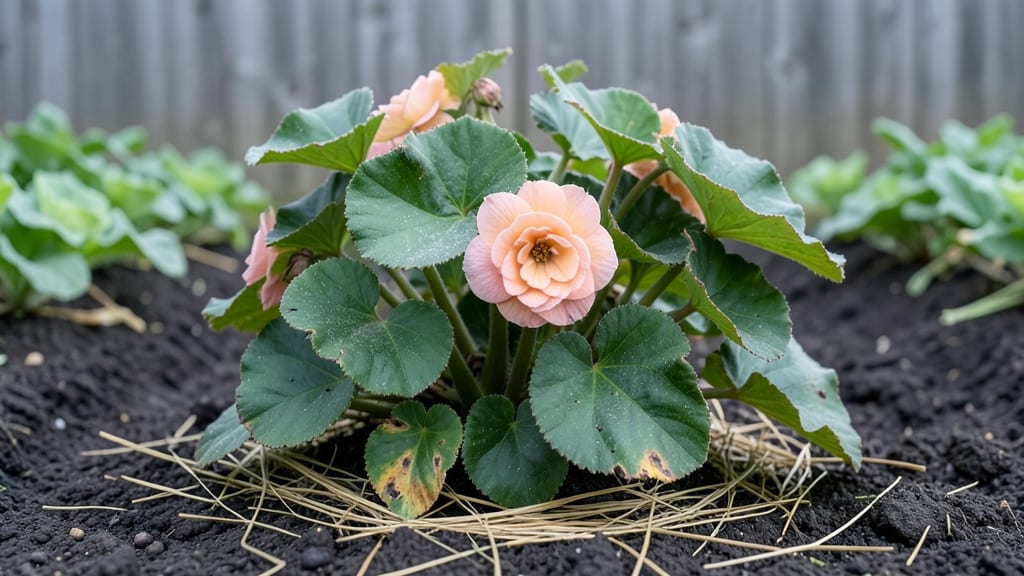
Growing annual begonia flowers feels like cheating—vibrant blooms that last from spring through frost with almost no effort. 🌸 I learned the hard way that these plants don’t need coddling; they just need the right spot and a little consistency.
The secret lies in mimicking their natural tropical habitat without overcomplicating things.
Start with well-draining soil mixed with compost—they hate soggy roots—and place them where they get bright, indirect light for at least 4-6 hours daily. A shady patio or east-facing window keeps them thriving, while full sun scorches their delicate leaves.
Water when the top inch feels dry, and you’ll see those glossy leaves and clusters of blooms within weeks.
Fertilize lightly every 4-6 weeks with a balanced formula, and deadhead spent blooms to encourage more flowers. These plants are disease-resistant but watch for aphids—just spray with soapy water if you spot them.
By summer’s end, you’ll have a nonstop show of pink, red, or white blooms that outlasts most annuals.
Whether in hanging baskets or garden beds, begonias adapt easily. They’re the perfect low-maintenance annual for busy gardeners who still want drama. Let’s get those roots growing!
📚 In This Guide
- What you need
- Instructions
- Tips and common mistakes
- Wrapping up and next steps
What you need
- ● Annual Begonia Plants: 3–5 plants per container (10–12" pots) or 1 plant per 12" square in garden beds
- ● Recommended varieties: Begonia semperflorens (e.g., 'Dragon Wing,' 'Nonstop') for bright, continuous blooms
- ● Potting Mix: 1 bag (1–2 cubic feet) of well-draining, peat-based mix (e.g., African violet mix or add perlite/pumice for aeration)
- ● Containers (if not planting in ground): 10–12" pots with drainage holes (1–2 per plant)
- ○ Optional: Hanging baskets (for trailing varieties like Begonia boliviensis)
- ● Fertilizer: Balanced water-soluble fertilizer (10-10-10 or 20-20-20, diluted to half-strength)
- ● Slow-release granules (e.g., Osmocote) for garden beds (follow package rates)
- ● Tools: Trowel or small shovel
- ● Pruning shears (for deadheading or shaping)
- ● Spray bottle (for misting, especially in dry climates)
- ● Sunlight: Partial shade (3–6 hours of morning sun; protect from harsh afternoon rays)
- ● Temperature: Ideal range: 65–75°F (avoid frost—begonias are tender annuals)
- ● Watering: Keep soil consistently moist (not soggy!); water at soil level to avoid leaf spots
- ○ Humidity: Optional but helpful: Use a humidity tray or pebble tray for indoor plants
Step-by-step instructions for growing begonias as annual flowers
Here’s how to bring those vibrant blooms indoors or outdoors with just a few simple steps.
🌱 Step 1: Choose the Right Begonia Variety and Planting Time
Begonias thrive in warm weather, so start them indoors 6-8 weeks before your last frost date if you’re using seeds. For potted begonias, you can plant them outdoors after all danger of frost has passed—typically when nighttime temperatures stay above 55°F. I like to check the local frost calendar and mark the date, then count backward to know when to begin.
For 4 plants, you’ll want either 4 young nursery starts or 4 seed packets (each packet usually contains enough seeds for multiple plants). Begonias come in two main types: tuberous (with thick roots) and fibrous (with fibrous roots). Tuberous begonias produce stunning flowers but need winter dormancy, while fibrous begonias bloom continuously if kept happy. I recommend starting with fibrous begonias for beginners—they’re more forgiving.
🪴 Step 2: Prepare the Soil and Planting Location
Begonias love well-draining, slightly acidic soil with a pH between 6.0 and 6.5. Mix 2 parts potting soil with 1 part perlite or coarse sand to improve drainage—this prevents root rot, which is the biggest killer of begonias. Fill your containers or garden beds with this mix, leaving 1 inch of space at the top for watering.
For 4 plants, use 4-inch pots for each if growing indoors or a garden bed with at least 12 inches of space between plants to allow airflow. Begonias hate soggy roots, so if you’re planting in the ground, choose a spot with partial shade (morning sun and afternoon shade works best). I always test the soil first by digging a small hole—if water pools instead of draining within 10 minutes, amend the soil with more perlite or compost.
☀️ Step 3: Plant and Water for Strong Growth
Gently remove the begonia from its nursery pot and loosen the roots if they’re circling. Place the plant in the prepared hole or pot, ensuring the top of the root ball sits just below the soil line—burying the stem too deep causes rot. Press the soil lightly around the roots to secure the plant, then water deeply until water runs out the drainage holes. This ensures the roots make contact with moisture right away.
After planting, keep the soil evenly moist but not soggy for the first 2 weeks. Begonias are sensitive to both drought and overwatering, so I check the soil by sticking my finger 1 inch deep—if it feels dry, it’s time to water. For 4 plants, a 1-gallon watering can with a gentle spray nozzle works perfectly. Avoid wetting the leaves, as this can lead to fungal diseases like powdery mildew.
💧 Step 4: Feed and Maintain for Continuous Blooms
Once your begonias are established (about 4-6 weeks after planting), start fertilizing every 2-3 weeks with a balanced, water-soluble fertilizer (like 10-10-10). I mix 1 teaspoon of fertilizer per gallon of water and apply it during watering sessions. This encourages lush foliage and non-stop blooms—just what you want for year-round color.
Deadhead spent blooms by pinching them off with your fingers or small pruners. This might seem tedious, but it triggers new flower production and keeps your begonias looking neat. I do this every week or two, and within a few days, you’ll see fresh buds forming. Also, rotate your pots a quarter turn weekly if growing indoors to prevent leggy growth toward the light.
✂️ Step 5: Prune and Overwinter (If Needed)
If you’re growing fibrous begonias, they’ll keep blooming all season with minimal care. However, if you have tuberous begonias, they’ll go dormant in fall. When nighttime temperatures drop below 55°F, cut back the foliage to 2 inches above the soil and dig up the tubers. Let them dry in a cool, dark place for 2 weeks, then store them in a paper bag with dry peat moss in a cool, dark spot (around 50°F) until spring.
For 4 fibrous begonias, you can extend their season by bringing them indoors before the first frost. Place them near a bright, east-facing window or under grow lights for 12-14 hours a day. Reduce watering slightly in winter, keeping the soil slightly moist but not wet. With this care, they’ll reward you with colorful blooms well into fall—and even winter!
Tips & tricks for perfect Begonia blooms year-round
These simple tricks will help you keep your begonias thriving and blooming beautifully all season long.
Soil Test Smart: Before planting, test your soil's drainage by digging a small hole and filling it with water. If it doesn't drain within 10 minutes, add more perlite or coarse sand to your soil mix. I've learned the hard way that soggy roots are the #1 killer of begonias—better to fix this upfront than lose plants later.
Watering Wisdom: The first 2 weeks are critical for establishing strong roots. Stick your finger 1 inch deep into the soil—if it feels dry, water thoroughly. For 4 plants, a 1-gallon watering can with a gentle spray nozzle gives you perfect control. Remember: begonias hate both drought and soggy conditions equally!
Fertilizer Timing: Wait until your begonias are established (about 4-6 weeks after planting) before starting your 2-3 week fertilizer schedule. I use a 10-10-10 balanced fertilizer mixed at 1 teaspoon per gallon of water. This timing prevents over-fertilizing young plants while giving mature ones the nutrients they need for continuous blooms.
Light Rotation Hack: If growing indoors, rotate your pots a quarter turn weekly to prevent leggy growth toward the light source. This simple habit keeps your plants compact and encourages even blooming. I place a sticky note on my window sill as a reminder—it's easy to forget this small but important detail!
Pro Tips for Annual Flowers Begonia
- These simple tricks will help you keep your begonias thriving and blooming beautifully all season long.
- Soil Test Smart: Before planting, test your soil's drainage by digging a small hole and filling it with water.
- Watering Wisdom: The first 2 weeks are critical for establishing strong roots.
Frequently asked questions
Got questions about growing annual flowers begonias? You’re not alone! Here are some of the most common queries—plus quick, practical answers to keep your garden thriving.
When is the best time to plant annual begonia flowers?
Plant Begonia seeds or transplants after the last frost when soil temps hit at least 60°F (15°C). For most climates, this means late spring (May-June). If you’re in a warm zone (Zones 9-11), start in early spring to avoid summer heat stress.
Why are my begonia leaves turning yellow or dropping?
Yellowing leaves often signal overwatering or poor drainage. Ensure pots have drainage holes and water only when the top inch of soil feels dry. Underwatering or low humidity can also cause stress—try misting or grouping plants together to retain moisture.
Can I grow annual begonias in containers or hanging baskets?
Begonias thrive in containers as long as they get bright, indirect light (6+ hours daily). Use well-draining potting mix and upgrade to larger pots as roots grow. Hanging baskets work great for trailing varieties like Begonia boliviensis—just keep them elevated to prevent soil compaction.
How do I keep my begonia flowers blooming all season?
Deadhead spent blooms regularly to encourage new flowers. Fertilize lightly every 4-6 weeks with a balanced, water-soluble fertilizer (10-10-10 or 20-20-20). Avoid over-fertilizing—begonias prefer moderate nutrients over heavy feeding. Also, rotate containers occasionally for even light exposure.
What are some low-maintenance alternatives to annual begonia flowers?
If begonias feel high-maintenance, try these equally vibrant, easy-care annuals:
- Impatiens: Thrives in shade, blooms nonstop with minimal fuss.
- Coleus: Lush foliage, drought-tolerant, and great for containers.
- Zinnias: Sun-loving, long-lasting blooms with minimal care.
- Petunias: Heat-tolerant and perfect for hanging baskets.
Wrapping up and next steps
Annual flowers like begonias are a garden enthusiast’s dream—they bring vibrant color with minimal fuss! Whether you’re a seasoned gardener or just starting, these easy-care plants reward you with stunning blooms all year long. 🌸
Ready to transform your space? Start small—pick a sunny spot, grab your supplies, and plant a few begonias today. With the right care, you’ll enjoy a non-stop floral show that’s as rewarding as it is beautiful. Happy gardening! 🌱