
Flowers
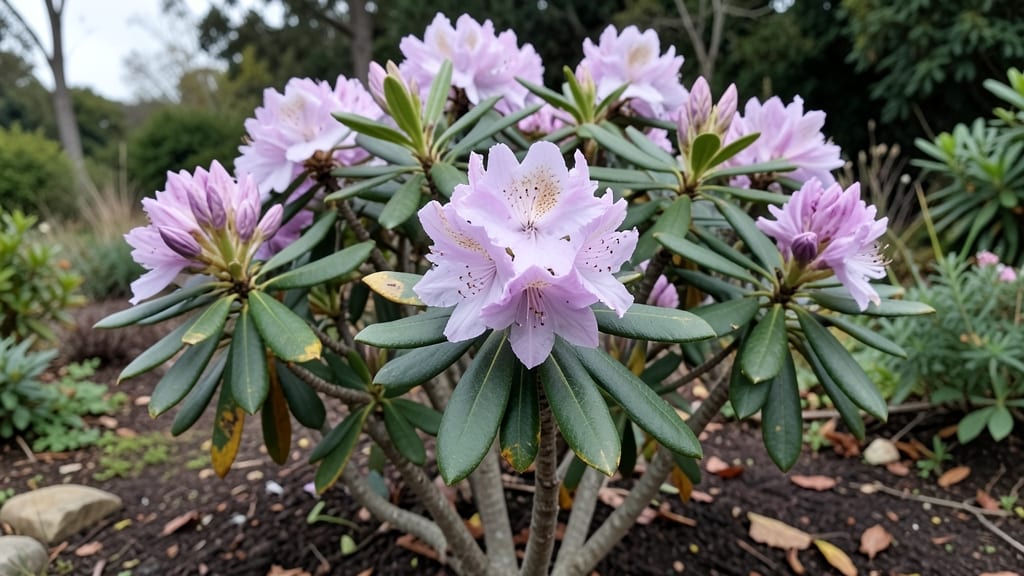
Seattle’s Flower World is where the Pacific Northwest’s lush, ever-changing beauty comes to life—think cascading rhododendrons, sunlit peonies, and fragrant wisteria twisting through every season. 🌸 I’ve visited this garden sanctuary more times than I can count, and each trip reveals something new: the way the light filters through the canopy in spring or how the fall foliage glows like a sunset.
This isn’t just a garden; it’s a living color palette that proves even Seattle’s damp, mild climate can deliver stunning, year-round drama without relying on tropical plants.
The magic starts with how they layer plants by height and bloom time—tall evergreens frame delicate perennials, while bulbs pop up through the seasons like nature’s own punctuation.
You’ll spot Pacific Northwest natives like salal and sword ferns mixed with classics like hydrangeas and roses, all thriving in the same space. The layout isn’t just pretty; it’s a practical blueprint for small urban gardens or shaded yards, where every inch counts and every plant earns its place.
Even the paths are designed to guide you through the garden’s rhythms, from the first crocuses in February to the late-blooming camellias in December.
What makes Flower World special is how it turns Seattle’s climate into an advantage—moisture-loving plants shine, and the mild winters mean fewer surprises.
You’ll leave inspired to swap one showy (but high-maintenance) annual for a hardy shrub or to create a layered border that blooms from spring to frost. The key is matching plants to your light conditions: shade-loving hellebores under bigleaf maples, sun-hungry daylilies near the fence line, and everything in between.
It’s not about replicating their exact design, but stealing their effortless harmony—where every plant feels intentional and the colors sing.
For locals, it’s a reminder that gardens here don’t need to be fussy to be spectacular. For visitors, it’s a crash course in how to work with what you’ve got: rain, shade, and all.
Bring a notebook, snap a few photos of your favorite combos, and you’ll walk away with a simple, foolproof plan to bring that same magic home—one season at a time.
📚 In This Guide
- What you need
- Instructions
- Tips and common mistakes
- Wrapping up and next steps
What you need
- ● Seattle-approved flower seeds or bulbs: Native PNW varieties: Western Columbine, Pacific Coast Iris, Sword Fern (5–10 plants/bulbs)
- ● Cold-hardy annuals: Sweet Peas, Lupines, Calendulas (1–2 seed packets)
- ● Perennials for year-round color: Heuchera, Salvia, Hellebores (3–5 plants)
- ● Soil & amendments: Well-draining potting mix or native soil blend (1–2 bags, 2–3 cubic feet)
- ○ Compost or organic fertilizer (1 bag, optional but recommended for nutrient boost)
- ● Containers or garden space: Planters (5–10 gallon pots for small gardens, or raised beds for larger setups)
- ● Drip irrigation system or watering can (with a rain gauge—Seattle’s weather is unpredictable!)
- ● Tools: Hand trowel, pruners (bypass pruners for clean cuts), and gloves (waterproof for rainy days!)
- ● Mulch (cedar or pine, 1–2 bags to retain moisture)
- ● Slow-release fertilizer (for low-maintenance growth)
- ● Flower food or liquid feed (for cut arrangements or potted blooms)
- ● Birdhouses or bee hotels (to attract pollinators and add to the ecosystem!)
- ● Seasonal color guides (for Seattle’s microclimates—ask at local nurseries like Flower World Seattle!)
How to create a year-round flower garden in Seattle's climate
Seattle’s mild, wet winters and sunny summers make it perfect for vibrant gardens—but timing and plant choices matter.
🌱 Step 1: Plan for Four Distinct Seasons
Start by dividing your garden into zones based on sunlight exposure. Seattle’s 6-8 hours of summer sun in most areas means you’ll need shade-tolerant plants for north-facing spots and sun-lovers for south exposures. I like to sketch a simple layout, marking where spring bulbs (like daffodils) will emerge early, summer annuals (like geraniums) will bloom mid-season, and fall/winter interest plants (like hellebores) will shine when others fade.
Here’s the thing—Seattle’s cool, wet springs can delay planting. Wait until soil warms to 50°F (usually late April) before planting tender annuals like petunias. For winter color, plant evergreens (like boxwood) and late-blooming perennials (like hellebores) in early fall so they establish roots before cold sets in.
☀️ Step 2: Select Plants That Thrive in Seattle’s Microclimates
Choose plants that handle Seattle’s high humidity and acidic soil. Native Northwest plants (like sword ferns, salal, and Oregon grape) are low-maintenance and support local pollinators. For color, mix in spring bulbs (tulips, daffodils), summer annuals (impatiens, begonias), and fall perennials (asters, sedum). I always include a few evergreens (like rhododendrons) to provide structure year-round.
Watch for rain shadows—areas where buildings or trees block wind and rain. These spots dry out faster in summer, so opt for drought-tolerant plants like lavender or Russian sage. If your garden stays soggy in winter, amend soil with compost to improve drainage without smothering roots.
💧 Step 3: Water Smartly to Avoid Fungal Issues
Seattle’s frequent rain means most gardens need less watering than you’d think—but timing matters. Water deeply once a week in summer (or when the top 2 inches of soil feel dry), focusing on the base of plants to keep foliage dry and reduce fungal diseases like powdery mildew. Early morning watering (before 9 AM) prevents evaporation and fungal spores from spreading.
Mulch heavily with 3-4 inches of bark or wood chips to retain moisture and regulate soil temperature. I top-dress with mulch in early spring and again after summer planting—this keeps roots cool in summer and insulated in winter. Just avoid piling mulch against plant stems to prevent rot.
✂️ Step 4: Prune and Maintain for Continuous Bloom
Deadhead spent blooms regularly to encourage more flowers—especially with annuals like petunias and perennials like coneflowers. In late winter (February), prune back overgrown shrubs (like hydrangeas) by one-third to stimulate fresh growth. For spring-blooming shrubs (like lilacs), prune immediately after flowering so you don’t cut off next year’s buds.
Fertilize lightly in early spring with a balanced 10-10-10 formula and again in midsummer. Too much nitrogen leads to lush foliage but fewer flowers. I swear by a slow-release granular fertilizer—it feeds plants steadily without the risk of burning roots from over-application.
⏰ Step 5: Extend the Season with Simple Tricks
Seattle’s cool summers and mild winters mean you can grow almost year-round. For early spring color, plant crocuses and snowdrops in fall—they’ll pop through snow. In late summer, add mums and asters for fall interest, and evergreens (like boxwood) for winter structure. I even tuck in winter pansies in containers for a pop of color when everything else is dormant.
Use containers to move plants around as seasons change. A south-facing patio can host tender annuals in summer, then swap for cold-hardy pansies in winter. Group plants with similar water needs together—this makes maintenance easier and keeps your garden thriving with minimal effort.
Tips & tricks for creating a year-round Seattle garden
Seattle's garden magic happens when you work with its quirks—not against them. Here are the secrets that'll keep your flower world blooming beautifully all year.
Soil Temperature Secret: That 50°F soil temperature in Step 1 is your green light for planting tender annuals like petunias. I learned this the hard way—planting too early in cool, wet springs leads to leggy, weak plants. Use a soil thermometer or check the forecast; late April is usually safe, but don't rush! For winter planting (like crocuses), the ground stays workable until first frost—just aim for 6-8 weeks before your expected freeze date.
Layering Strategy: In Step 2, think vertically! Plant taller perennials (like delphiniums) in back, mid-height shrubs (like hydrangeas) in the middle, and low-growing annuals (like impatiens) in front. This creates drama while making the most of Seattle's limited space. I also tuck in evergreens like boxwood as structural anchors—they provide year-round interest and prevent winter winds from flattening your design.
Watering Wisdom: Those 3-4 inches of mulch in Step 3 aren't just for looks—they're your moisture regulators. In summer, they keep roots cool when temps climb, and in winter, they protect against freeze-thaw cycles. Pro tip: Use cedar mulch if you have deer—they dislike its scent! And remember, watering at the base (not overhead) prevents fungal diseases that thrive in Seattle's damp climate.
Seasonal Swap Hack: For the container trick in Step 5, I keep a few 10-12 inch pots on hand specifically for seasonal swaps. In summer, they host heat-loving annuals like geraniums, then get replaced with cold-hardy pansies by October. This lets you maximize small spaces without sacrificing seasonal interest—perfect for Seattle's urban balconies and patios.
Pro Tips for Flower World Seattle
- Seattle's garden magic happens when you work with its quirks—not against them.
- Soil Temperature Secret: That 50°F soil temperature in Step 1 is your green light for planting tender annuals like petunias.
- Layering Strategy: In Step 2, think vertically!
Frequently asked questions
Got questions about Flower World Seattle? You’re not alone! Here are answers to the most common inquiries to help you plan your visit with confidence.
What’s the best time of year to visit Flower World Seattle?
Flower World Seattle is a year-round destination, but spring (March–May) and summer (June–August) are peak seasons for vibrant blooms like tulips, roses, and hydrangeas. Winter (December–February) offers lush greenery and holiday-themed displays. For the most color, aim for late spring or early summer!
Are there seasonal events or special exhibits at Flower World Seattle?
Yes! The nursery hosts seasonal events like Tulip Festival (April), Summer Garden Tour (July), and Holiday Lights & Poinsettias (November–December). Check their official website for updated schedules—new exhibits pop up often!
How do I get to Flower World Seattle from downtown Seattle?
Flower World Seattle is located in Federal Way, about 15–20 minutes south of downtown. Use Highway 516 or I-5 S for the easiest drive. Public transit options include King County Metro Bus #120 (check routes for updates). Pro tip: Arrive early to avoid parking crowds!
Is there an admission fee, or do I need to buy flowers to enter?
No admission fee! You’re welcome to explore the 50+ acres of gardens for free. However, if you’d like to purchase plants, flowers, or garden supplies, the nursery offers a retail shop with everything from bulbs to decorative pots. Bonus: Free samples at the entrance!
What should I do if it rains during my visit?
Rain is part of the Pacific Northwest charm! Flower World Seattle has covered walkways and indoor greenhouses to explore. Bring a compact umbrella or waterproof shoes—many visitors still enjoy the lush, misty atmosphere. Pro tip: The conservatory is a cozy escape with tropical plants!
Can I buy wholesale or bulk flowers for weddings/events at Flower World Seattle?
Flower World Seattle offers wholesale pricing for bulk orders, perfect for weddings, corporate events, or large floral arrangements. Contact their wholesale department in advance to discuss custom orders—popular choices include Peonies, Dahlias, and Eucalyptus.
Wrapping up and next steps
From lush seasonal blooms to hidden botanical gems, Seattle’s Flower World proves that beauty thrives year-round in the Pacific Northwest. Whether you’re a gardener, a nature lover, or simply seeking inspiration, this vibrant landscape offers endless opportunities to connect with nature—one petal at a time.
Ready to dive in? Start by exploring local nurseries, joining a community garden, or planning your own floral haven. The green revolution awaits—your next adventure in Seattle’s flower world begins today! 🌸✨