
Shrubs
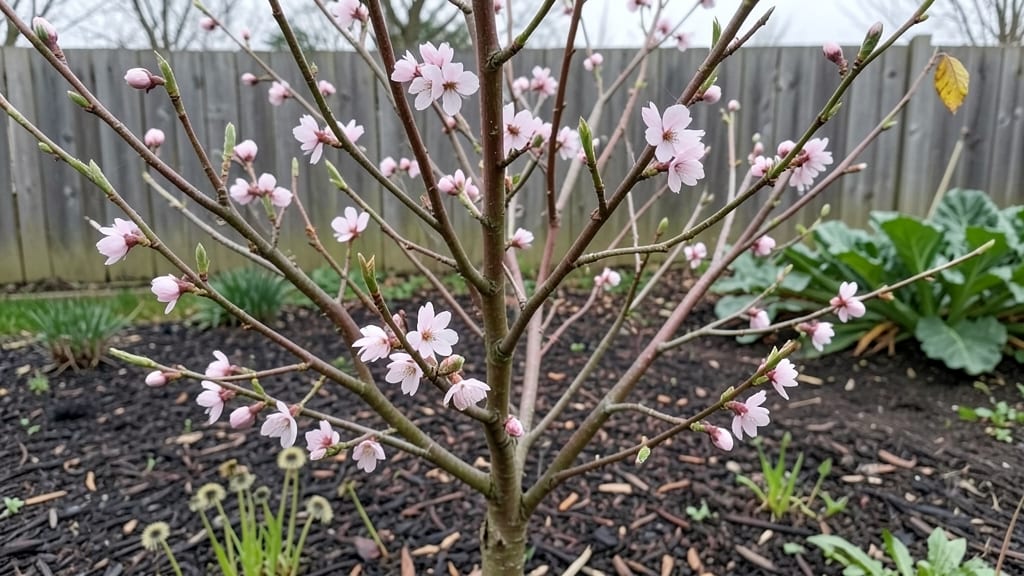
Your Pacific Northwest garden deserves that flowering almond shrub—its delicate pink blossoms arrive like clockwork each spring, and with the right pruning, it keeps blooming reliably for decades.
I planted mine five years ago, and now it’s the star of my early spring garden, smelling like almond extract on warm days. The key isn’t just when to prune, but how to shape it so it stays healthy through our wet winters and dry summers.
This shrub thrives in zones 5-8, making it perfect for PNW gardens, and it’s surprisingly low-maintenance once established. You’ll need well-draining soil, full sun to partial shade, and a pair of sharp pruners—nothing fancy.
The real secret is pruning in three strategic windows: late winter for shaping, right after blooming to encourage new growth, and a light cleanup in fall. Even beginners can master this routine in under an hour per season.
What you’ll end up with is a shrub that bursts into bloom earlier than most spring flowers, with fragrant blossoms that attract bees and hummingbirds.
The foliage turns a lovely golden-yellow in fall, and mature shrubs develop a graceful, rounded shape that fits beautifully in borders or as a standalone specimen. Once you see it in your own yard, you’ll wonder why you didn’t plant one sooner.
Works equally well in city gardens, rural landscapes, or even large containers if you’re short on space. The pruning techniques here adapt to any size shrub, so you can start small and grow confident. Let’s get those branches looking intentional!
📚 In This Guide
- What you need
- Instructions
- Tips and common mistakes
- Wrapping up and next steps
What you need
- ● Pruning shears – Sharp, bypass-style shears (for clean cuts on small branches). Quantity: 1 pair.
- ● Loppers – For thicker branches (1/2" to 1" diameter). Quantity: 1 pair.
- ● Pruning saw – For stubborn, woody stems (2" diameter or larger). Quantity: 1.
- ● Disinfectant – 70% isopropyl alcohol or diluted bleach solution (to sterilize tools between cuts). Quantity: Small spray bottle.
- ● Garden gloves – Heavy-duty, cut-resistant gloves (to protect hands from thorns and sap). Quantity: 1 pair.
- ○ Pruning sealant – Optional but helpful for larger cuts (e.g., tree wound pruning paste). Quantity: Small tube.
- ● Weather check – Prune on a dry, calm day (avoid rain or wind).
- ● Safety gear – Long sleeves/pants (flowering almond shrubs can be thorny!).
- ● Cleanup supplies – Trash bag or compost bin (for pruned branches). Quantity: 1-2 bags.
- ○ Water – Optional but refreshing for post-pruning hydration (for you and the shrub!).
Instructions for year-round pruning of flowering almond shrubs
Here’s how I keep my flowering almond shrubs blooming beautifully in the Pacific Northwest’s mild but unpredictable climate.
Prune Immediately After Flowering
Right after the spring blooms fade—typically in late April to early May—cut back any dead or damaged branches using clean, sharp pruners. This is your chance to shape the shrub while it’s still dormant for next year’s growth. I focus on removing branches that cross or rub against each other, as these create weak spots where disease can take hold.
Look for branches that haven’t produced flowers or have grown too leggy. These are energy drains on the shrub. Cut just above a outward-facing bud or lateral branch to encourage fuller growth. Avoid heavy pruning now—just light shaping to maintain the natural form. The goal is to keep the shrub open enough for air circulation, which prevents fungal issues common in our damp climate.
Light Summer Pruning for Airflow
In mid-to-late summer (July-August), I do a quick check for any branches that have grown too long or crowded the center. Flowering almonds produce their blooms on old wood, so avoid heavy pruning that removes last year’s growth. Instead, trim back only the tips of overly vigorous shoots by about one-third to encourage bushier growth.
This is also the time to remove any suckers—those unwanted shoots that pop up at the base. I use my fingers to gently pull them out rather than cutting, which prevents disturbing the roots. Watch for signs of stress like yellowing leaves or wilting; these can signal over-pruning or underwatering. A quick check of the soil moisture—if it’s dry 1-2 inches down, give it a deep watering.
Winter Pruning for Structure and Health
When the shrub is fully dormant in late winter (January-February), I do the most extensive pruning. This is when the shrub’s energy is focused on root development, making it less stressful to remove up to one-third of the oldest wood. Start by removing any dead, diseased, or weak branches first—they’re easy to spot as they stand out against the healthy growth.
Next, thin out branches from the center to improve airflow and sunlight penetration. Cut back to a strong lateral branch or bud, always making your cuts at a 45-degree angle just above a node. Avoid leaving stubs, as these can trap moisture and invite rot. After pruning, I apply a 2-inch layer of mulch around the base to protect the roots from winter temperature swings, which are common in our region.
Post-Pruning Care for Strong Recovery
After any significant pruning—especially in winter—give your flowering almond a balanced fertilizer in early spring to support new growth. I use a 10-10-10 formula applied according to package instructions. Water deeply right after fertilizing to help the nutrients reach the roots. In the Pacific Northwest, where winters can be wet and springs unpredictable, I also monitor for signs of overwatering, like yellowing leaves or mold on the mulch.
Finally, keep an eye out for pests like aphids or spider mites, which can take advantage of stressed plants. A strong spray of water usually does the trick for minor infestations, but if they persist, a neem oil solution works well without harming the shrub. With consistent care, your flowering almond will reward you with stunning blooms year after year.
Tips & tricks for year-round pruning of flowering almond shrubs
Pruning flowering almond shrubs might seem intimidating, but these simple tricks will help you maintain their health and beauty without the guesswork.
Timing is Everything: The late April to early May window for Step 1 is crucial because it allows the shrub to recover and prepare for next year's blooms before summer heat sets in. If you miss this timing, don't worry—just adjust your schedule to be right after flowering each year. I've learned the hard way that waiting too long can stress the plant and reduce next season's blossoms.
Pruning Technique Matters: When you're cutting back in Step 3, make sure to use clean, sharp pruners and cut at a 45-degree angle just above a node. This angle helps water run off the cut, preventing rot. I always sterilize my pruners with rubbing alcohol between cuts to prevent spreading disease between branches. Also, remember that flowering almonds produce blooms on old wood, so avoid removing last year's growth unless it's absolutely necessary.
Watch for Stress Signs: After pruning, keep an eye out for signs of stress like yellowing leaves or wilting. These can indicate over-pruning or underwatering. A quick check of the soil moisture is always helpful—if it's dry 1-2 inches down, give it a deep watering. In our damp Pacific Northwest climate, it's easy to overwater, so I always check before adding more moisture.
Winter Protection Strategy: After your winter pruning in Step 3, apply a 2-inch layer of mulch around the base to protect the roots from temperature swings. This is especially important in our region where winters can be wet and unpredictable. I use shredded bark mulch because it breaks down slowly and improves soil quality over time. This simple step makes a big difference in root health and overall plant vitality.
Pro Tips for Flowering Almond Shrub
- Pruning flowering almond shrubs might seem intimidating, but these simple tricks will help you maintain their health and beauty without the guesswork.
- Timing is Everything: The late April to early May window for Step 1 is crucial because it allows the shrub to recover and prepare for next year's blooms before summer heat sets in.
- Pruning Technique Matters: When you're cutting back in Step 3, make sure to use clean, sharp pruners and cut at a 45-degree angle just above a node.
Frequently asked questions
Got questions about keeping your flowering almond shrub thriving in the Pacific Northwest? Here are some common ones—and their answers!
When is the best time to prune my flowering almond shrub?
The ideal time is late winter to early spring (before new growth starts), but you can also do light pruning after flowering in spring. Avoid heavy pruning in fall—it can stimulate tender growth that won’t survive PNW winters. Pro tip: If you prune too late, you might miss next year’s stunning blooms!
How much can I prune back without harming the shrub?
You can safely remove up to one-third of the shrub’s oldest wood per year to encourage new growth. For flowering almonds, focus on dead, crossing, or overcrowded branches first. Avoid cutting back into old wood—this plant blooms on new growth, so harsh cuts can reduce flowers.
Why aren’t my flowering almond shrubs blooming as much as they used to?
Common culprits include over-pruning (cutting back too aggressively), poor sunlight (they need full sun for best blooms), or nutrient deficiencies. Check your shrub’s location—if it’s shaded by taller plants, consider transplanting. Also, ensure it’s well-mulched and fertilized in early spring.
Can I grow a flowering almond shrub in a container?
Yes! Just choose a large, sturdy pot with drainage (at least 24 inches wide) and use well-draining soil. Container-grown flowering almonds need regular watering (they’re drought-tolerant once established but thirsty in pots) and annual repotting to refresh nutrients. They’ll still bloom beautifully—just expect slightly smaller shrubs.
Are there any alternatives to flowering almond shrubs for PNW gardens?
If you love fragrant, spring blooms but want options, consider:
- Forsythia – Bright yellow blooms, ultra-hardy
- Dwarf lilac – Compact, fragrant purple flowers
- Mock orange (Philadelphus) – Creamy-white, highly fragrant blooms
- Japanese quince – Early spring flowers + red berries
Wrapping up and next steps
The flowering almond shrub is a stunning addition to Pacific Northwest gardens, offering fragrant blooms and year-round beauty with the right care—especially through strategic pruning. 🌸 By following seasonal techniques, you’ll encourage vibrant flowers, healthy growth, and a well-shaped shrub that thrives in your climate.
Ready to transform your outdoor space?
Your next step? Grab your pruners and start with a light trim after flowering—then plan your seasonal maintenance. With patience and practice, your flowering almond will reward you with show-stopping blooms for years to come!