
Blooming
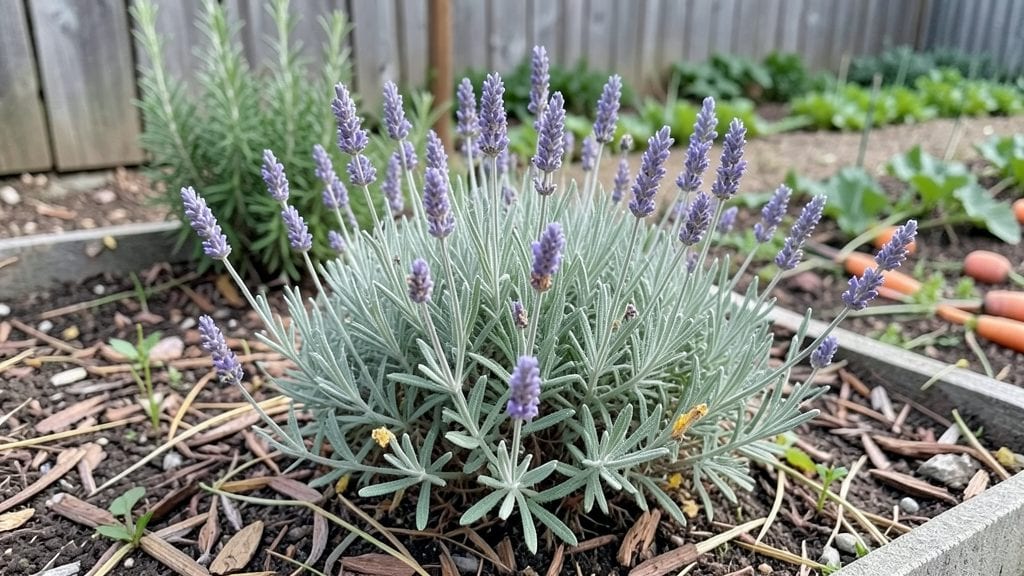
Nothing transforms a Pacific Northwest garden like blooming purple flowers—those deep violets, soft lavenders, and dramatic magentas that thrive even in our damp, cool summers. 🌿 I’ve spent years collecting the hardiest varieties that refuse to fade, whether it’s the rain-soaked months or the occasional heatwave, and the results are nothing short of jaw-dropping.
The secret lies in choosing plants that love our climate: heucheras with their velvety foliage, salvias that hum with pollinators, and clematis that climb like liquid amethyst. These aren’t just pretty—they’re tough, too, surviving where fussy annuals wilt.
Pair them with silver foliage (like lamb’s ear) or chartreuse grasses, and suddenly, your garden becomes a mood board of textures and hues.
Imagine walking through your yard in June and finding clematis spilling over an arbor, their blooms deepening as the day cools, or July when lavender releases its scent with every brush of air.
The colors shift with the seasons—purple isn’t just one shade here, but a spectrum from dusty mauve to electric violet, and it all works together like a carefully curated palette.
This isn’t about luck—it’s about strategy. I’ll show you how to layer plants for continuous blooms, which purples play best with which greens, and how to keep them thriving through our famously unpredictable weather. Let’s make your garden the envy of the neighborhood.
📚 In This Guide
- What you need
- Instructions
- Tips and common mistakes
- Wrapping up and next steps
What you need
- ● Purple flowering plants: 10–20 Lavender plants (e.g., Lavandula angustifolia or Lavandula × intermedia)
- ● 5–10 Catmint (Nepeta spp.) plants (e.g., 'Walker’s Low' or 'Six Hills Giant')
- ● 3–5 Salvia (Salvia nemorosa) for late-summer blooms
- ● 1–2 Purple Coneflower (Echinacea purpurea) per 5 sq. ft.
- ● 5–10 Clematis vines (e.g., Clematis viticella 'Jackmanii') for vertical drama
- ● Bulbs: 20–30 Tulipa 'Purple Prince' or Allium 'Purple Sensation' (per 10 sq. ft.)
- ● Soil amendments: 5 lbs. Compost (well-aged, organic)
- ● 2 lbs. Slow-release fertilizer (10-10-10 or balanced NPK)
- ● 1 lb. Perlite or sand (for drainage, especially in containers)
- ● Hand trowel or transplanting spade
- ● Garden gloves (waterproof recommended)
- ● Pruners (sterilized)
- ● Watering can or hose with gentle spray nozzle
- ● Measuring tape (for spacing)
- ● Mulch (2–3 inches of cedar chips or pine straw)
- ● Sunlight: Full sun (6+ hours/day) for most purple bloomers (except shade-tolerant Heuchera or Astilbe).
- ● Water access: Drip irrigation or soaker hoses (PNW’s rainy winters + dry summers = inconsistent moisture!).
- ● Drainage check: Amend heavy clay soil with compost or plant in raised beds.
- ● Frost dates: Know your USDA Zone 7–9 last frost (typically March–April for planting).
- ● Epsom salt (1 tbsp per gallon of water for magnesium boost)
- ● Decorative rocks or pebbles (for container gardens)
- ● Pollinator-friendly companion plants (e.g., Bee Balm or Yarrow)
- ● Trellis or obelisk (for climbing Clematis or Sweet Peas)
Step-by-step guide to designing a Pacific Northwest purple flower garden
Here's how I create vibrant, low-maintenance purple blooms that thrive year-round in our rainy climate.
🌱 Step 1: Select Pacific Northwest-Adapted Purple Varieties
Choose plants that handle our cool, wet conditions while delivering bold purple blooms. I recommend hebe for its drought tolerance and salvia for its long bloom season. For early color, crocus brings purple cheer in late winter, while lupines provide summer height and texture. Mix perennials like catmint with annuals such as pansies for continuous color.
Consider your garden's microclimate—south-facing areas can support sun-lovers like purple coneflower, while shadier spots thrive with bleeding heart or fuchsia. I always include at least one purple-flowering currant for its fragrant spring blooms and wildlife benefits. Check each plant's mature size to ensure proper spacing—crowding leads to weak stems and fewer flowers.
☀️ Step 2: Prepare Soil for Moisture Retention and Drainage
Our Pacific Northwest soil stays damp for long periods, so I modify it to prevent root rot while retaining enough moisture for purple bloomers. Amend native soil with 3 inches of compost and 1 inch of perlite to improve drainage. For containers, use a mix of 50% potting soil, 30% peat moss, and 20% coarse sand—this keeps roots aerated while holding moisture.
Test your soil's pH—most purple flowers prefer 6.0-7.0. If your soil is too acidic, add crushed limestone; for alkaline correction, work in sulfur. I always do a quick "squeeze test" before planting: if the soil clumps together but crumbles when pressed, it's ready. Too sticky? Add more organic matter. Too dry? Mix in coconut coir.
🪴 Step 3: Plant With Seasonal Layering for Continuous Color
For year-round purple, I layer plants by bloom season. Start with early spring bulbs like crocus and grape hyacinths, then add mid-spring perennials such as lungwort and columbine. Summer needs heat-tolerant annuals like sweet alyssum and late-summer perennials like asters. Finally, plant fall-blooming sedum and winter pansies for late-season interest.
Plant perennials 1-2 inches deeper than their nursery pots to encourage strong root systems. Annuals go no deeper than their root ball—burying stems too much suffocates them. Space larger plants like salvia 2-3 feet apart, while smaller varieties such as hebe can share space 12-18 inches apart. Water deeply after planting to eliminate air pockets.
💧 Step 4: Water Strategically to Prevent Fungal Issues
Our Pacific Northwest climate demands careful watering—too much causes root rot, too little stresses plants. I water deeply 2-3 times per week in summer, aiming for 1 inch of water per week. Use drip irrigation or soaker hoses to keep foliage dry, which prevents powdery mildew that often affects purple bloomers like phlox.
Check soil moisture by hand: stick your finger 1 inch deep—if it feels dry, water. If it's still damp, wait another day. Mulch with 3 inches of wood chips to retain moisture and suppress weeds. In winter, reduce watering to once every 2 weeks unless we have a dry spell, as many purple perennials enter dormancy.
✂️ Step 5: Prune and Feed for Prolonged Blooming
Deadhead spent blooms weekly to encourage continuous flowering. For perennials like catmint, I cut back one-third of the oldest stems in early spring to promote new growth. Annuals like pansies benefit from pinching back when they reach half their mature height—this triggers bushier, more floriferous plants.
Feed with balanced 10-10-10 fertilizer in early spring and again after the first flush of blooms. Purple flowers often respond well to low-phosphorus fertilizer (like 5-5-5) to prevent excessive leaf growth at the expense of blooms. I always follow feeding with a deep watering to prevent root burn. In late summer, switch to a low-nitrogen, high-potassium formula to strengthen plants for winter.
Tips & tricks for stunning year-round purple flower gardens
A few strategic choices can transform your Pacific Northwest garden into a vibrant purple paradise that thrives through every season. Here's what I've learned after years of trial and error with these moisture-loving beauties.
Seasonal Layering Secret: The key to continuous color lies in overlapping bloom times. Start with early spring's crocus and grape hyacinths, then transition to lungwort and columbine as temperatures rise. I always plant salvia and purple coneflower in late spring for summer's heat, then add asters and sedum for fall interest. This layered approach ensures purple blooms appear from February through November—no gaps, no dead zones.
Soil Science Matters: Our Pacific Northwest climate demands careful soil prep. After amending with 3 inches of compost and 1 inch of perlite, I always do the "squeeze test" to check moisture retention. The soil should hold together when squeezed but crumble when pressed—this perfect balance prevents both root rot and drought stress. For containers, that 50-30-20 mix of potting soil, peat moss, and sand creates ideal aeration while holding moisture. Don't skip the pH test—most purple flowers prefer 6.0-7.0, and our native soil often needs adjustment.
Pruning Precision: Timing is everything when it comes to pruning. For catmint and salvia, I cut back one-third of the oldest stems in early spring—this stimulates fresh growth while maintaining the plant's natural shape. With annuals like pansies, I pinch back when they reach half their mature height to encourage bushier, more floriferous plants. And here's the thing: always use clean, sharp shears to avoid damaging stems. Dull blades create jagged cuts that invite disease.
Watering Wisdom: Our rainy climate makes watering seem counterintuitive, but proper technique prevents fungal issues that plague purple bloomers. I water deeply 2-3 times per week in summer, aiming for 1 inch of water per week, but I always use drip irrigation or soaker hoses to keep foliage dry. This simple adjustment prevents powdery mildew that can devastate plants like phlox. In winter, I reduce to once every 2 weeks—many perennials enter dormancy and need less moisture. And that 3 inches of wood chips mulch? It's not just for looks—it helps regulate soil temperature and retain moisture.
Pro Tips for Blooming Purple Flowers
- A few strategic choices can transform your Pacific Northwest garden into a vibrant purple paradise that thrives through every season.
- Seasonal Layering Secret: The key to continuous color lies in overlapping bloom times.
- Soil Science Matters: Our Pacific Northwest climate demands careful soil prep.
Frequently asked questions
Got questions about keeping your garden bursting with blooming purple flowers all year in the Pacific Northwest? You’re not alone! Here are answers to the most common queries—from care tips to troubleshooting—to help you cultivate a vibrant, low-maintenance garden.
Can purple flowers thrive in the Pacific Northwest’s rainy climate?
Many purple bloomers, like heuchera (coral bells), lobelia, and fuchsia, are rain-resistant and even prefer the cool, damp conditions of the PNW. Just ensure your soil drains well—amend heavy clay with compost to prevent root rot.
When is the best time to plant purple flowers for year-round blooms?
For continuous color, plant spring-bloomers (e.g., crocus) in fall and fall-bloomers (e.g., aster) in early summer. Perennials like lavender or salvia can go in spring or fall—just water them in well. Pro tip: Succession plant annuals every 6–8 weeks for nonstop blooms!
What’s the easiest purple flower to grow in shady PNW gardens?
If your garden gets less than 4 hours of sun, try heuchera (palmate or silverleaf varieties), bleeding heart, or Japanese forest grass (for soft purple hues). These thrive in partial shade and handle the PNW’s mild winters like a champ. Add a mulch layer (3–4 inches) to protect roots!
How do I keep pests away from my purple flowers?
PNW gardens attract aphids, slugs, and spider mites, but you can outsmart them! Neem oil or insecticidal soap work for soft-bodied pests. For slugs, set up beer traps or use copper tape around containers. Encourage predators like ladybugs by planting dill or yarrow nearby.
Can I mix purple flowers with other colors for a striking look?
Oh yes! Purple pairs beautifully with silver foliage (e.g., artemisia), yellow blooms (e.g., black-eyed Susan), or deep reds (e.g., beebalm) for a bold contrast. For a soft, romantic vibe, combine purples with white or pink flowers. Odd-numbered groupings (3, 5, or 7 plants) create natural, balanced looks!
Do purple flowers need winter protection in the PNW?
Most hardy perennials (like lavender or catmint) survive PNW winters with minimal care. Cut back dead foliage in late winter, then add a 2–3 inch layer of mulch to insulate roots. Tender annuals (e.g., petunias) may need container protection—move pots to a sheltered spot or wrap them in burlap.
Wrapping up and next steps
Transforming your Pacific Northwest garden into a year-round canvas of blooming purple flowers is not just possible—it’s a joy waiting to happen! From the delicate petals of lavender to the bold drama of catmint, these vibrant plants bring color, texture, and life to every season.
Whether you’re a seasoned gardener or just starting, the key is patience, preparation, and a little creativity—and trust us, the results are worth it. 🌸
Ready to dive in? Start small—pick one or two purple beauties to test your newfound skills, then expand as your confidence (and garden!) grows. Before you know it, your outdoor space will be the envy of the neighborhood. Happy planting! 🌿