
Shrubs
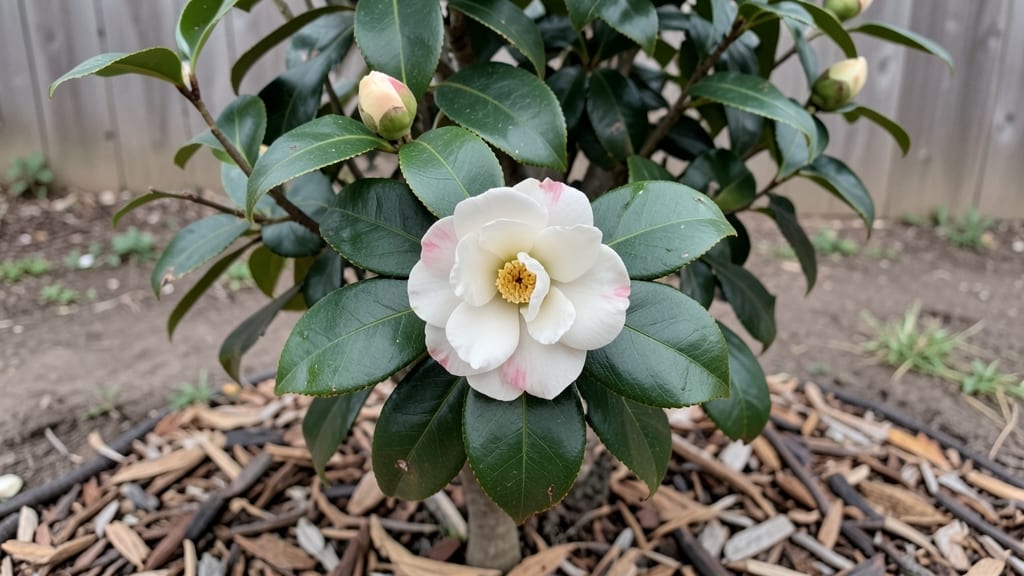
Sun-loving flowering bushes in Zone 9 don’t just survive—they thrive with bold, year-round color that turns your yard into a living postcard. 🌺 I’ve spent years testing varieties that handle our hot, dry summers without wilting, and the right choices make all the difference.
Bougainvillea, hibiscus, and plumbago aren’t just pretty faces; they’re tough, heat-loving powerhouses that reward you with blooms from spring through fall (and sometimes winter too).
The secret isn’t just picking the right plants—it’s matching them to your sunlight and soil. Most Zone 9 bushes need at least 6 hours of direct sun daily, but some like bougainvillea can handle even the harshest afternoon glare.
Well-draining soil is non-negotiable; sandy or loamy mixes prevent root rot in our heavy clay-heavy areas. Once established, these bushes drink deeply but infrequently—think deep watering once a week rather than daily sprinkles.
You’ll end up with a landscape that stays vibrant even during droughts, with minimal fuss. Picture bougainvillea’s papery magenta blooms cascading over trellises, hibiscus standing tall with dinner-plate flowers, and plumbago’s sky-blue spires attracting hummingbirds all season.
The best part? These plants multiply your curb appeal without the high-maintenance drama of tropical showoffs.
Whether you’re filling a sunny border, creating a privacy screen, or just adding color to a hot corner, these varieties adapt easily. Start with one or two standouts, then expand—your neighbors will ask for your secrets before the first bloom fades. Let’s get growing!
📚 In This Guide
- What you need
- Instructions
- Tips and common mistakes
- Wrapping up and next steps
What you need
- ● Flowering bushes: Choose 3–5 sun-loving varieties (e.g., Lantana, Plumbago, or Texas Sage). Buy 1–2 plants per type (or more for fuller coverage).
- ● Well-draining potting mix: 1–2 bags (10–15 cubic feet each) for planting or repotting. Look for a blend with perlite or sand.
- ● Organic fertilizer: A slow-release, balanced formula (10-10-10) or a Zone 9-specific blend. Use 1–2 lbs per bush.
- ● Mulch: 1–2 bags of wood chips or shredded bark (2–3 inches deep) to retain moisture and regulate soil temp.
- ○ Drip irrigation system or soaker hoses: Optional but highly recommended for consistent watering (50–100 ft of tubing).
- ● Garden trowel or spade (for planting)
- ● Pruning shears (sharp, bypass-style for clean cuts)
- ● Gloves (heavy-duty for thorny bushes like Pyracantha)
- ● Wheelbarrow or bucket (for mixing soil/fertilizer)
- ● Measuring tape (to space plants 3–6 ft apart, depending on variety)
- ● Watering can or hose (for initial watering post-planting)
- ● Soil pH test kit (Zone 9 bushes thrive in 6.0–7.0; adjust with lime or sulfur if needed).
- ● Epsom salt (1 tbsp per gallon of water) for magnesium boosts, especially for leafy varieties.
- ● Stakes or cages (for tall bushes like Salvia to prevent flopping).
- ● Compost or worm castings (to enrich soil naturally).
- ● Pest control: Neem oil or insecticidal soap (for aphids/spider mites).
How to select and plant sun-loving flowering bushes for Zone 9
Here’s my go-to approach for choosing and establishing vibrant, low-maintenance shrubs that thrive in Zone 9’s year-round growing conditions.
🌱 Step 1: Choose Bushes That Thrive in Zone 9 Heat
Prioritize drought-tolerant varieties like Texas Sage (Leucophyllum frutescens), Firebush (Hamelia patens), or Crape Myrtle (Lagerstroemia)—these handle 90°F+ temperatures without wilting. Avoid moisture-loving shrubs like hydrangeas unless you’re willing to amend soil heavily or provide afternoon shade.
Look for native or adapted species at local nurseries—they’ll already be acclimated to your microclimate. I always check the plant tag for “heat-tolerant” or “drought-resistant” labels and steer clear of anything labeled as “cool-season” or “shade-loving.” Your goal is minimal watering once established.
🪴 Step 2: Prepare the Planting Site for Year-Round Success
Test your soil’s drainage first—Zone 9 heat turns soggy soil into a death trap. Amend heavy clay with 3-4 inches of compost mixed into the top 12 inches of soil, and consider raising beds slightly if your yard floods after rain. For sandy soil, add organic matter like coconut coir to retain moisture.
Select a spot with 6+ hours of direct sun (morning sun is ideal to avoid afternoon heat stress). If your yard has afternoon shade, opt for Firebush or Plumbago, which tolerate brief shade better than others. Mark the planting area with stakes to visualize spacing—most flowering bushes need 4-6 feet between plants for airflow and root expansion.
☀️ Step 3: Plant at the Right Time and Depth
Zone 9’s mild winters mean you can plant year-round, but fall or early spring (September–March) gives roots time to establish before extreme heat. Dig holes twice as wide as the root ball but only as deep as the container’s base—burying the stem too deep suffocates new growth.
Loosen the root ball gently if roots are circling, then place the bush in the hole and backfill with native soil mixed with 1 part compost. Water deeply to settle the soil, then add a 2-inch layer of mulch (avoid wood chips near the stem). The first flush of new leaves in 4-6 weeks confirms successful rooting.
💧 Step 4: Water Deeply but Infrequently After Planting
Water newly planted bushes once a week for the first month, soaking the soil to 12 inches deep—this encourages deep root growth. After that, water every 10-14 days unless your area experiences a heatwave (100°F+), then increase to twice weekly. Check moisture by probing the soil with your finger—it should feel dry 1-2 inches down before watering again.
Use drip irrigation or soaker hoses to deliver water at the base, avoiding wetting leaves (this reduces fungal risks). Mature bushes rarely need supplemental watering—if you’re watering more than once every 2 weeks after the first year, your soil likely needs more organic matter.
✂️ Step 5: Prune Strategically for Continuous Blooms
Most Zone 9 flowering bushes bloom on new wood, so prune right after flowering (e.g., trim Firebush in late winter to encourage spring blooms). Remove dead or crossing branches first, then shape lightly—never cut back more than 1/3 of the plant’s height in one season. For Crape Myrtle, prune in late winter to avoid summer heat stress.
Watch for overly leggy growth—this signals insufficient light or over-fertilizing. A light application of balanced fertilizer (10-10-10) in early spring is enough; avoid high-nitrogen feeds, which promote foliage over flowers. Deadhead spent blooms on annual-type bushes (like Plumbago) to prolong flowering.
Tips & tricks for perfectly thriving sun-loving flowering bushes in Zone 9
Here's what I've learned from years of planting and maintaining these heat-loving beauties—tricks that'll help your Zone 9 bushes flourish with minimal fuss.
Heat Tolerance Matters: When selecting your bushes, look beyond just the pretty flowers—focus on varieties that specifically mention "heat-tolerant" or "drought-resistant" on their tags. Texas Sage and Firebush are my top picks because they handle Zone 9's 90°F+ temperatures like champions. I've seen Firebush still blooming beautifully during 100°F+ heatwaves while other bushes wilted nearby. The key is choosing plants that already thrive in your climate rather than forcing less-adapted varieties to struggle.
Soil Preparation Secret: Don't just amend the top layer of soil—mix that 3-4 inches of compost into the top 12 inches of soil as instructed. This creates a deep, nutrient-rich zone where roots can really establish. For sandy soil, I add coconut coir to help retain moisture without making the soil soggy. Pro tip: If your yard floods after rain, consider creating slightly raised beds—this prevents waterlogging that can suffocate roots in our hot climate.
Planting Time Strategy: While you can plant year-round in Zone 9, I always opt for fall or early spring planting (September-March) because it gives roots time to establish before the peak summer heat. When planting, remember the depth rule: holes should be only as deep as the container's base. I've seen too many gardeners bury stems too deep, which actually suffocates new growth. A good test is to plant so the top of the root ball sits just above soil level.
Watering Wisdom: The 12-inch deep watering in Step 4 is crucial—it encourages roots to grow downward where they'll find moisture during dry spells. I use a screwdriver to check moisture levels: if it comes out dry 1-2 inches down, it's time to water. During 100°F+ heatwaves, I increase to twice-weekly watering, but always water at the base using drip irrigation to avoid wetting leaves and promoting fungal growth. This method has kept my mature bushes thriving with minimal supplemental watering.
Pro Tips for Flowering Bushes Zone 9
- Here's what I've learned from years of planting and maintaining these heat-loving beauties—tricks that'll help your Zone 9 bushes flourish with minimal fuss.
- Heat Tolerance Matters: When selecting your bushes, look beyond just the pretty flowers—focus on varieties that specifically mention "heat-tolerant" or "drought-resistant" on their tags.
- Soil Preparation Secret: Don't just amend the top layer of soil—mix that 3-4 inches of compost into the top 12 inches of soil as instructed.
Frequently asked questions
Got questions about thriving flowering bushes in Zone 9? You’re in the right place! Here are answers to the most common concerns—from planting tips to troubleshooting—so you can enjoy year-round blooms with confidence.
What are the best low-maintenance flowering bushes for Zone 9?
Look for drought-tolerant, heat-resistant varieties like Texas Ranger (native to Zone 9), Portulaca grandiflora (moss rose), or Abelia. These thrive with minimal fuss—just ensure they get 6+ hours of sun and well-draining soil. Pro tip: Mulch helps retain moisture!
When is the ideal time to plant flowering bushes in Zone 9?
Plant in early spring (March–April) or fall (September–October) to avoid extreme heat. Avoid summer planting—roots can stress in 90°F+ temps. Water deeply before and after planting to help establish roots quickly.
Why aren’t my Zone 9 bushes blooming as expected?
Common culprits: over-fertilizing (too much nitrogen = leafy growth, no flowers), underwatering, or poor sunlight. Try pruning dead or overgrown branches in late winter to encourage new blooms. Check soil pH—most flowering bushes prefer 6.0–7.0.
Can I grow flowering bushes in containers in Zone 9?
Opt for compact varieties like Dwarf Gardenia or Petunia. Use well-draining pots (terracotta works great) and lightweight potting mix. Place containers in full sun and water daily during heatwaves—containers dry out faster!
How do I protect Zone 9 bushes from pests like aphids or spider mites?
Start with healthy soil (compost boosts plant resilience!). For pests: Spray with neem oil (organic) or introduce ladybugs. Avoid chemical sprays near blooms—they can harm pollinators. Prune affected leaves early morning to reduce spread.
Still stumped? Drop your Zone 9 bush struggles in the comments—we’re happy to help!
Wrapping up and next steps
Transforming your Zone 9 garden into a vibrant, year-round paradise is totally within reach! 🌸 With the right sun-loving flowering bushes, you can enjoy bursts of color from spring to winter—minimal effort, maximum reward.
Start small: pick one or two varieties to test, observe their performance, and expand your blooming oasis over time.
Ready to take the next step? Grab your gardening gloves, sketch a simple layout, and visit your local nursery to bring these beauties home. Your garden’s future is full of petals—and so is yours!