
Shrubs
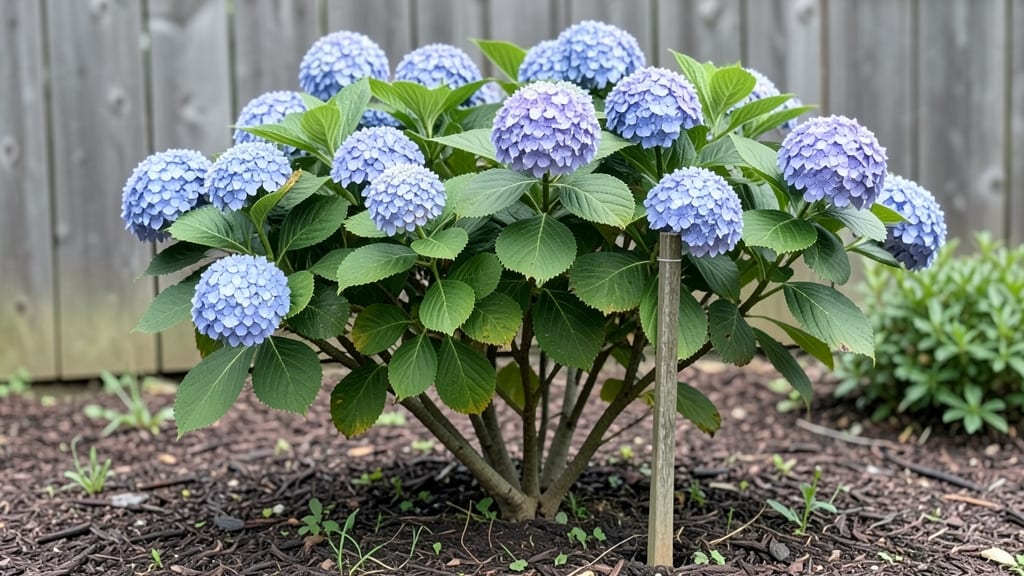
Zone 5’s unpredictable winters don’t have to mean dull gardens—my frost-resistant flowering shrubs burst with color every spring, summer, and even late fall. ✨ The secret lies in choosing varieties like hydrangeas, lilacs, and butterfly bush, which handle our deep freezes and still reward me with blooms for months.
I’ve learned the hard way that some "hardy" shrubs flop here, but these stand tall through -20°F without complaint.
What makes these shrubs work? Most need full sun to partial shade and well-draining soil—nothing fancy. My potentilla shrubs thrive in rocky soil, while serviceberry handles both wet and dry spots.
The real magic happens in late winter when I prune them back before new growth starts, giving them a fresh start before the growing season. You’ll see blooms within weeks of proper pruning, and they’ll keep coming all season long.
Imagine your yard bursting with lilac’s intoxicating fragrance in May, followed by hydrangea blooms that last until frost. These shrubs aren’t just pretty—they attract pollinators, provide year-round structure, and even produce berries for wildlife.
The best part? Once established, they need minimal care beyond seasonal pruning and occasional watering. You’ll spend less time fussing and more time enjoying your garden’s showstopper displays.
Whether you’re starting from bare-root plants or container-grown shrubs, I’ll walk you through planting, protecting them from late frosts, and keeping pests at bay.
These varieties might seem intimidating at first, but I promise—once you see them thriving through Zone 5’s harshest winters, you’ll wonder why you didn’t try them sooner.
📚 In This Guide
- What you need
- Instructions
- Tips and common mistakes
- Wrapping up and next steps
What you need
- ● Flowering shrubs (Zone 5-hardy varieties): 3–5 mature plants (e.g., Viburnum, Spirea, Weigela, or Butterfly Bush)
- ● 1–2 smaller plants (e.g., Dwarf Lilac or Potentilla) for borders
- ● Soil amendments: 5–10 gallons of compost or aged manure per plant
- ● 1–2 bags of organic mulch (e.g., shredded bark or pine straw)
- ● Planting tools: 1 garden shovel (for digging)
- ● 1 hand trowel (for delicate root work)
- ● 1 pruning shears (sterilized, sharp)
- ● 1 measuring tape (for spacing)
- ● Watering supplies: 1 hose with adjustable nozzle or watering can
- ○ Optional: drip irrigation kit for long-term care
- ● Required: Sunlight assessment: Full sun (6+ hrs/day) for most shrubs; partial shade (3–6 hrs) for moisture-loving varieties.
- ○ Soil test kit (optional but helpful) to check pH (aim for 6.0–7.0 for most flowering shrubs).
- ○ Optional (but helpful!): Slow-release fertilizer (e.g., 10-10-10 or organic options like fish emulsion)
- ● Plant supports (stakes or cages for taller shrubs like Weigela)
- ● Garden gloves (to protect hands from thorns or rough bark)
- ● Seasonal mulch (additional top-up in late fall for winter protection)
How to select and plant frost-resistant flowering shrubs in Zone 5
Here's how I choose hardy varieties and establish them for long-term beauty.
🌱 Step 1: Choose Shrubs With USDA Zone 5 Hardiness Ratings
Focus on shrubs labeled for USDA Zones 4-5 or lower—these handle winters with 10-20°F temperatures without protection. My top picks include potentilla (Dasiphora fruticosa), butterfly bush (Buddleia), and spirea (Spiraea), all of which bloom reliably even after harsh winters. Check the plant tag for cold hardiness ratings—this tells you exactly how low temperatures the variety can tolerate.
Look for shrubs with multi-season interest: some like serviceberry (Amelanchier) offer spring blooms, summer fruit, and fall color. The key is selecting varieties that recover quickly from frost and regrow vigorously in spring. I avoid tender varieties like oleander or bougainvillea—they simply won't survive Zone 5 winters.
☀️ Step 2: Plant in Late Spring or Early Fall
Timing matters more than you might think. Plant after the last frost date (usually mid-May in Zone 5) when soil temperatures reach at least 50°F. Roots establish best in warm but not scorching conditions. If planting in fall, do it 6-8 weeks before the first hard frost—this gives roots time to anchor before winter.
Dig a hole twice as wide as the root ball but only as deep as the container it came in. Loosen roots if they're circling—this prevents girdling as the plant grows. The top of the root ball should sit 1 inch above ground level to prevent waterlogging. I always backfill with native soil mixed with 30% compost to improve drainage and fertility.
💧 Step 3: Water Deeply and Mulch for Winter Protection
Water deeply immediately after planting—soak the root zone until water drains from the bottom of the hole. This encourages roots to grow downward rather than staying shallow. After watering, apply 3-4 inches of organic mulch (like shredded bark) around the base, keeping it 6 inches from the trunk to prevent rot. Mulch insulates roots during freeze-thaw cycles and retains moisture.
In Zone 5, winter desiccation (when wind burns plant tissues) is a bigger threat than cold itself. I wrap young shrubs with burlap in late fall and remove it in early spring—this creates a microclimate that reduces moisture loss. For established shrubs, a thick layer of mulch (5-6 inches) is usually enough protection.
✂️ Step 4: Prune Strategically in Late Winter or Early Spring
Prune just before buds swell (usually late February to early March in Zone 5) to remove dead, diseased, or crossing branches. I cut back old wood on shrubs like spirea by one-third to encourage new, vigorous growth. For butterfly bush, I trim back one-third of the oldest stems each year to maintain shape and promote flowering.
Never prune in fall—this stimulates tender new growth that won't harden off before winter. If you must prune later in the season, wait until after the first hard frost and remove only obviously dead wood. The goal is to shape the plant while preserving its ability to overwinter successfully.
🌿 Step 5: Fertilize Lightly in Early Spring
Apply a balanced, slow-release fertilizer (like 10-10-10) in early April when new growth begins. Use half the recommended rate—over-fertilizing encourages soft, tender growth that's more susceptible to frost damage. I avoid high-nitrogen fertilizers, which promote leafy growth at the expense of flowers. Instead, I opt for low-nitrogen, high-phosphorus blends to boost root development and blooming.
Water deeply after fertilizing to help nutrients reach the roots. If your soil is sandy or fast-draining, I mix compost into the top 6 inches of soil in spring to improve moisture retention. The key is feeding just enough to support growth without stressing the plant before winter sets in again.
Tips & tricks for perfectly establishing frost-resistant flowering shrubs in Zone 5
Let me share what I've learned over years of successfully growing hardy shrubs that survive brutal Zone 5 winters.
Cold Hardiness Verification: Beyond just checking the USDA Zone 5 label, I always verify the minimum temperature rating on the plant tag. Look for varieties that can handle 10-20°F—this is the critical range for Zone 5. I've found that some Zone 5-rated plants still struggle at -10°F, so I cross-reference with local gardening forums or extension service recommendations. For example, potentilla handles -30°F easily, while some spirea varieties only tolerate -15°F.
Soil Temperature Secret: The 50°F soil temperature mentioned for spring planting is non-negotiable. I use a soil thermometer to verify this before planting—cold soil can shock roots. In my experience, waiting for this temperature ensures roots establish properly before summer heat arrives. For fall planting, I always calculate the 6-8 week window from your first hard frost date (check your local weather records) to ensure roots anchor before winter. I mark this on my calendar as a reminder.
Mulching Strategy: The 3-4 inches of mulch recommended is a baseline, but I increase this to 5-6 inches for young plants in their first winter. I use a mix of shredded hardwood bark and straw for better insulation. The key is applying mulch after the ground freezes—this prevents early-season freeze-thaw cycles that can heave roots. I also create a mulch volcano shape around the base to maximize insulation without touching the trunk.
Pruning Timing: The late February to early March window for pruning is perfect for Zone 5, but I always confirm bud swell by checking the calendar against my local frost dates. I've learned the hard way that pruning too early can remove flower buds that haven't formed yet. For butterfly bush, I do a light pruning in late summer (after July 15th) to encourage next year's blooms—this is an extra step not mentioned in basic instructions but makes a huge difference for summer flowers.
Pro Tips for Flowering Shrubs Zone 5
- Let me share what I've learned over years of successfully growing hardy shrubs that survive brutal Zone 5 winters.
- Cold Hardiness Verification: Beyond just checking the USDA Zone 5 label, I always verify the minimum temperature rating on the plant tag.
- Soil Temperature Secret: The 50°F soil temperature mentioned for spring planting is non-negotiable.
Frequently asked questions
Got questions about growing flowering shrubs in Zone 5? You’re not alone! Here are answers to the most common concerns—from planting tips to winter prep—so you can keep your yard blooming beautifully year after year.
What are the best low-maintenance flowering shrubs for Zone 5?
If you’re short on time but want color, opt for Butterfly Bush (Buddleia), Dwarf Lilac (Syringa meyeri), or Potentilla (Dasiphora fruticosa). These shrubs are drought-tolerant, disease-resistant, and thrive with minimal pruning. Just ensure they get full sun for optimal blooms!
When is the ideal time to plant flowering shrubs in Zone 5?
Plant in early spring (April-May) or fall (September-October) when soil is workable but not frozen. Avoid planting in extreme heat or cold—roots need time to establish before winter. Fall planting is especially great since shrubs can grow roots before dormancy.
How do I protect flowering shrubs from Zone 5 winters?
Most Zone 5 shrubs are hardy, but young plants or tender varieties (like Hydrangea paniculata) benefit from a 3-inch layer of mulch around the base. Wrap delicate stems with burlap or use frost cloth for extra protection. Prune in late winter to remove dead wood before new growth starts.
Can I grow flowering shrubs in containers in Zone 5?
Choose compact varieties like Dwarf Fothergilla (Fothergilla gardenii) or Miniature Rose of Sharon (Hibiscus syriacus ‘Blue Bird’). Use well-draining pots with a fast-draining mix and move containers to a sheltered spot in winter. Elevate pots to prevent frost heave and insulate with bubble wrap if needed.
Why aren’t my flowering shrubs blooming in Zone 5?
Common culprits include over-pruning (cut back after flowering season), poor sunlight (most need 6+ hours of sun), or nutrient deficiencies. Feed with a balanced fertilizer in early spring and prune after blooms fade. If pests like aphids or spider mites are present, treat with neem oil for a natural fix.
Pro Tip:
For extended blooms, deadhead spent flowers regularly (except for shrubs like Spirea, which bloom on old wood). And if you love fragrance, Mock Orange (Philadelphus) and Weigela are top picks—just plant them where you’ll brush by them often to enjoy the scent!
Wrapping up and next steps
Choosing the right flowering shrubs for Zone 5 means bringing beauty and resilience to your garden, even through harsh winters! 🌸 From hardy hydrangeas to vibrant lilacs, these frost-resistant varieties ensure year-round charm with minimal fuss.
With the right soil, sunlight, and care, your garden will flourish—so roll up your sleeves and get planting!
Ready to transform your outdoor space? Start small—pick one or two shrubs to test, monitor their progress, and expand your garden oasis over time. Happy gardening! 🌱