
Propagation
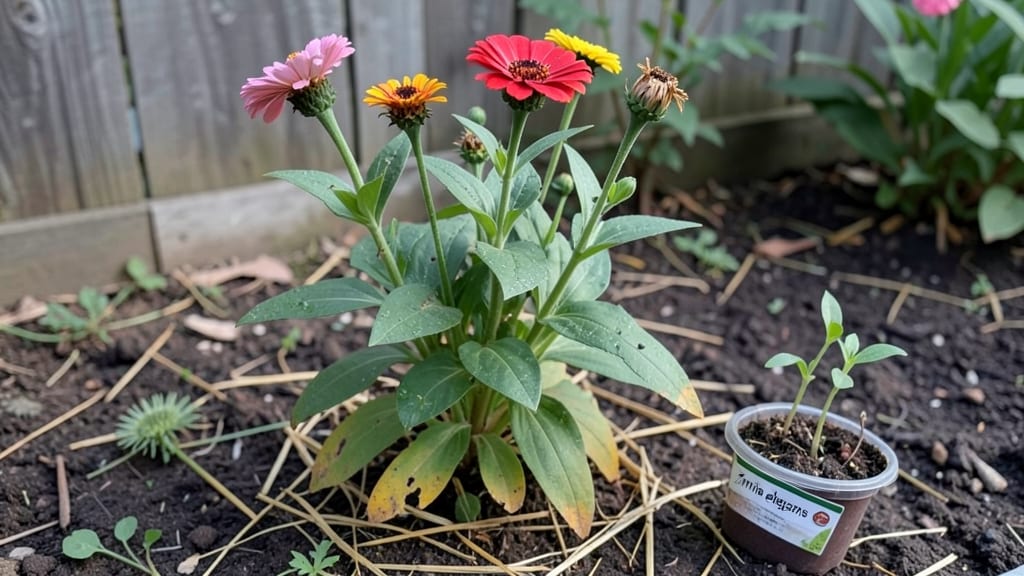
Growing flowers from seed isn't just possible—it's shockingly fast when you pick the right varieties. ✨ I started with zinnias and marigolds, and within 8 weeks, my patio exploded with color. The secret lies in choosing annuals that bloom quickly instead of waiting years for perennials to mature.
You'll need just three things: seed-starting mix, small pots or trays, and a sunny windowsill or grow light. Skip the fancy tools—even a recycled egg carton works.
The real magic happens when you match each seed to its ideal light and warmth, which I'll walk you through step by step.
By the time summer arrives, you'll have vibrant blooms that keep coming all season—no waiting for next year. The best part? These flowers attract pollinators, repel pests, and give you that neighbor-jealousy garden without the years of patience.
Whether you're working with a sunny balcony or a shady corner, this method adapts easily. Let's get those seeds sprouting and your garden bursting with color this year, not next.
📚 In This Guide
- What you need
- Instructions
- Tips and common mistakes
- Wrapping up and next steps
What you need
- ● Seeds: Choose fast-blooming perennial seeds (e.g., Cosmos, Zinnias, or Sunflowers). Aim for 10–20 seeds per variety.
- ● Seed-starting mix: A lightweight, sterile peat or coco coir-based mix (avoid garden soil—it’s too dense!). You’ll need about 2–3 quarts for small trays.
- ● Containers: Seed trays or pots (with drainage holes!) – 4–6 inch depth, enough for your seed count.
- ○ Optional: Biodegradable pots (eliminates transplant shock!).
- ● Grow lights or sunny windowsill: A fluorescent or LED grow light (12–16 hours/day) or a south-facing window with 6+ hours of sunlight.
- ● Watering can or spray bottle: A fine-mist spray keeps seeds moist without disturbing them.
- ○ Misting bottle (optional): For gentle hydration if seeds are tiny or delicate.
- ○ Warmth: Most fast-blooming perennials thrive at 65–75°F (18–24°C). Use a heat mat (optional but helpful) if your space is cooler.
- ● Humidity: Cover seeds with plastic wrap or a humidity dome to retain moisture (remove once sprouts appear!).
- ● Patience (but not too much!): Some varieties bloom in as little as 6–8 weeks—check seed packets for exact timelines.
Step-by-Step instructions for growing fast-blooming perennials from seed
Here's the straightforward method I use to get vibrant blooms in record time—no fuss, just results.
🌱 Step 1: Select the Right Seeds and Prep the Soil
Choose fast-blooming perennial varieties like cosmos, snapdragons, or zinnias—they germinate quickly and reward you with color in weeks. Start with fresh seeds from a reputable supplier, as older seeds may take longer or fail to sprout. I always check the packet for days-to-germination estimates; most fast-bloomers appear in 5-14 days under ideal conditions.
Fill your seed trays with a sterile seed-starting mix (never garden soil—it's too dense and may harbor pathogens). Moisten the mix until it feels like a wrung-out sponge: damp but not dripping. Press it down gently to create a firm, even surface. This prevents seeds from sinking too deep when you plant them, which can delay germination.
💧 Step 2: Sow Seeds at the Correct Depth and Moisture Level
Scatter seeds thinly across the soil surface—crowding leads to weak, leggy seedlings. For tiny seeds like cosmos, I use a toothpick to space them ¼ inch apart; larger seeds like snapdragons can go ½ inch apart. Cover them with a light dusting of soil (just enough to hide them, no more). Press gently to ensure good seed-to-soil contact.
Mist the surface with a spray bottle until the soil is evenly damp. Avoid overwatering; you want the top layer to feel moist but not soggy. Place the tray in a warm spot (70-75°F)—a seedling heat mat speeds things up dramatically. Keep the soil consistently moist (not wet) until germination begins. You'll know it's working when the first tiny green shoots push through the soil in 5-10 days.
☀️ Step 3: Provide Light and Thin Seedlings for Strong Starts
The moment you see first true leaves (not the initial seed leaves), move seedlings to a bright, sunny window or under grow lights (14-16 hours/day). Without enough light, they'll stretch toward the source, becoming weak and spindly. I use a simple LED grow light 2-4 inches above the plants, raising it as they grow to maintain that distance.
When seedlings have 2-3 sets of true leaves (about 3-4 weeks after sowing), it's time to thin. Use scissors to snip the weaker seedlings at soil level—this prevents disturbing the roots of the ones you're keeping. Space remaining plants 2-3 inches apart in the tray. Strong seedlings will have bold green leaves and thick stems; leggy or pale ones need more light or a stronger light source.
🪴 Step 4: Harden Off and Transplant for Continuous Blooms
Two weeks before your last frost date, start hardening off seedlings. Place them outside in a shaded, sheltered spot for 1-2 hours the first day, gradually increasing time each day. By day 7, they should tolerate 6-8 hours of sunlight. This toughens them up for the garden and prevents shock when you transplant.
Choose a sunny spot in your garden with well-draining soil. Dig holes slightly deeper than the seedling's root ball and space plants according to the variety (check the packet for guidance). Water deeply at planting to settle the soil and encourage root growth. Mulch with 1-2 inches of organic mulch to retain moisture and suppress weeds. With proper care, you'll see first blooms in 6-8 weeks—sometimes even sooner!
Tips & tricks for perfect fast-blooming perennial flowers
Here's what nobody tells you about getting those vibrant blooms in record time—these tricks cut weeks off your growing timeline.
Seed Selection Secret: Pay attention to those germination time estimates on seed packets! Fast-bloomers like cosmos typically appear in 5-10 days, but snapdragons might take the full 14 days—don't rush the process. I've learned the hard way that pushing for faster germination with heat lamps can actually stress delicate seedlings. The 70-75°F warm spot mentioned in Step 2 is your sweet spot for consistent results.
Lighting Game-Changer: That 14-16 hours/day of light in Step 3 isn't just about growth—it's about preventing that classic "leggy" seedling syndrome. I upgraded to an adjustable LED grow light that I raise as plants grow to maintain the 2-4 inch distance. The difference between weak, stretching seedlings and sturdy, compact plants comes down to this simple adjustment.
Thinning Technique: When you're thinning seedlings at the 2-3 sets of true leaves stage, use clean scissors to snip at soil level rather than pulling. This prevents disturbing the roots of your keepers and gives you cleaner stems. I've found that spacing at 2-3 inches apart in the tray creates stronger seedlings that transplant beautifully—no need to crowd them.
Harden Off Gradually: The 1-2 hours/day progression in Step 4 is non-negotiable. I've seen seedlings shock and wilt when moved too quickly to outdoor conditions. Start with that sheltered spot and gradually increase exposure—by day 7, your plants should be ready for their final sunny home. This gradual process builds resilience that makes all the difference when transplanting.
Pro Tips for Flowering From Seed
- Here's what nobody tells you about getting those vibrant blooms in record time—these tricks cut weeks off your growing timeline.
- Seed Selection Secret: Pay attention to those germination time estimates on seed packets!
- Lighting Game-Changer: That 14-16 hours/day of light in Step 3 isn't just about growth—it's about preventing that classic "leggy" seedling syndrome.
Frequently asked questions
Got questions about growing fast-blooming perennials from seed? You’re not alone! Here are some of the most common queries—and their straightforward answers—to help you succeed.
How long does it take for seeds to sprout and flower?
Timing varies by plant, but most fast-blooming perennials (like cosmos or zinnias) sprout in 7–14 days and flower in 6–10 weeks from sowing. Check the seed packet for specifics—some, like sweet alyssum, may bloom in just 4–6 weeks!
Can I grow these perennials from seed indoors or outdoors?
Both work! Start seeds indoors 4–6 weeks before your last frost for a head start, especially for tender varieties. For hardy perennials (like coneflowers), direct sow outdoors after soil warms (60°F+). Just ensure consistent moisture until germination.
What if my seeds don’t sprout? Troubleshooting tips?
Try these fixes:
- Check moisture: Keep soil damp (not soggy) and use a spray bottle.
- Verify depth: Most seeds need 1/4" coverage—deeper buries can delay sprouting.
- Test temperature: Use a heat mat if your home is too cool (<65°F ideal for many seeds).
- Freshness matters: Old seeds (2+ years) may fail—opt for new packets.
Are there any low-maintenance perennials that self-seed easily?
Try these self-sowing superstars:
Plant Bloom Time Color Cosmos 6–8 weeks Pink, white, or red Zinnias 8–10 weeks Bright red, orange, or purple Sweet Alyssum 4–6 weeks White, purple, or pink Calendula 7–9 weeks Yellow or orange
Can I grow these perennials in containers or small spaces?
Yes! Many fast-bloomers (like nasturtiums or dwarf marigolds) thrive in containers. Use a 5–7" pot per plant, well-draining soil, and place in full sun (6+ hours/day). Just deadhead spent blooms to encourage more flowers!
Wrapping up and next steps
Watch your garden burst into color in no time with fast-blooming perennials—it’s easier than you think! 🌸 From selecting the right seeds to nurturing them with patience (and a little sunshine), you’ve got all the tools to turn bare soil into a vibrant showstopper.
The key? Consistency and confidence—your green thumb is growing stronger with every step.
Ready to take the next leap? Start small: pick one fast-bloomer to test your new skills, then expand your garden’s personality season after season. Share your blooms with us—we’d love to see your progress! 📸