
Pests
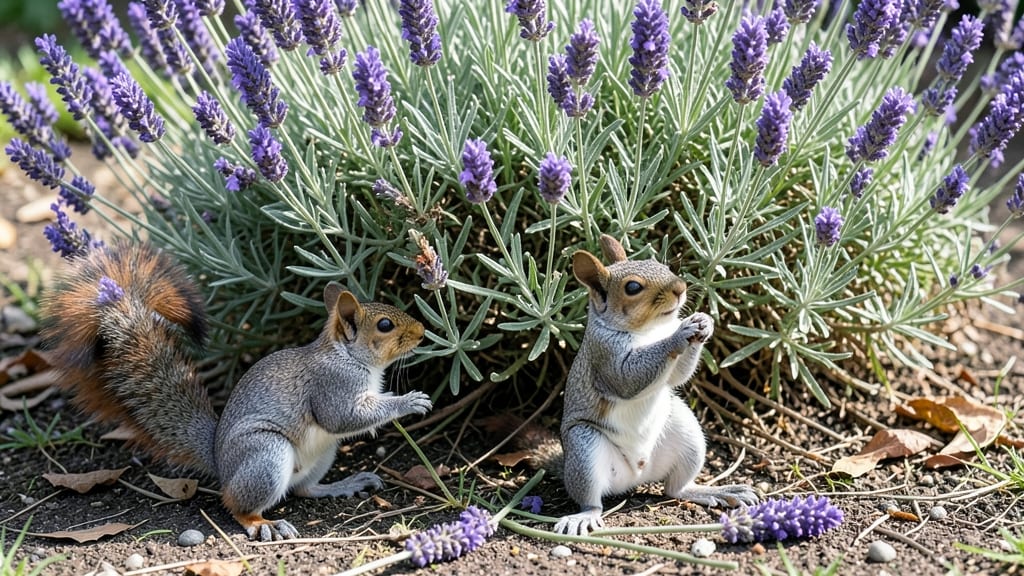
Those flowers squirrels don’t like—like daffodils and alliums—saved my garden last spring when my tulips became a squirrel buffet. 🌱 away from. The reason? Strong scents and toxic compounds make these plants unappealing (or even dangerous) to them.
You don’t need fancy repellents—just the right plant choices. Daffodils, snapdragons, and marigolds all work because their smells or textures repel squirrels naturally. Combine them with physical barriers like chicken wire around vulnerable beds, and you’ll see fewer dug-up bulbs overnight.
The best part? These flowers add color and fragrance while keeping critters at bay.
By summer, your garden will thrive without the chaos of squirrel raids. Imagine vibrant blooms undisturbed, bulbs left intact, and no more scattered seed packets. The key is consistency: plant these deterrents strategically, and you’ll create a squirrel-proof zone that actually looks beautiful. Let’s get those bulbs in the ground!
Works in containers, borders, or mass plantings—no yard size is too small. Even urban gardeners can use window boxes filled with daffodils to deter squirrels from patios. The solution is simpler than you think, and the payoff is a garden that stays lush and intact all season long.
📚 In This Guide
- What you need
- Instructions
- Tips and common mistakes
- Wrapping up and next steps
What you need
- ● Squirrel-deterrent flowers: 3–5 plants of daffodils, crocuses, or snowdrops (toxic to squirrels)
- ● Pungent herbs: 2–3 pots of lavender, rosemary, or mint (squirrels dislike their scent)
- ● Pruning shears: 1 pair (for trimming overgrown plants)
- ● Gloves: 1 pair (to protect hands from prickly plants like foxglove)
- ● Watering can: 1 (5-gallon capacity for deep hydration)
- ● Cayenne pepper spray: 1 bottle (mix 1 tbsp cayenne + 1 quart water + dish soap)
- ● Motion-activated sprinkler: 1 (for extra deterrence)
- ● Bird netting: 1 roll (to protect young plants from nibbling)
- ● Compost: 1 bag (to enrich soil for robust growth)
How to plant flowers that naturally repel squirrels
Here's the method I've used for years—no traps or chemicals, just strategic planting.
🌱 Step 1: Choose Squirrel-Deterrent Flower Varieties
Start with flowers known for their strong scents and textures that squirrels avoid. My top picks include daffodils (toxic to squirrels), crocuses (bitter taste), alliums (onion-like smell), and lilies (intense fragrance). These plants release natural compounds that repel squirrels without harming them. I also include snapdragons and petunias—their fuzzy leaves and strong fragrances make them less appealing.
For maximum effectiveness, select at least 3 different varieties to create a multi-sensory deterrent. Squirrels are deterred by both scent and texture, so combining plants with strong smells (like alliums) with those that feel unpleasant to nibble (like daffodils) works best. Avoid planting flowers with sweet, fruity scents—squirrels love those.
☀️ Step 2: Plant in High-Traffic Squirrel Zones
Observe where squirrels frequent your yard—look for chewed bulbs, scattered seed packets, or muddy paw prints near garden beds. Plant your deterrent flowers in these areas, especially around trees, bird feeders, and garden edges. Squirrels rely on scent trails, so placing these flowers in clusters of 3-5 plants per square foot creates a strong, concentrated barrier.
Dig holes twice as wide as the root ball and 1-2 inches deeper than the container. This encourages roots to spread outward, making the plants more resilient. Water deeply after planting to settle the soil and remove air pockets. I always plant in late fall or early spring—this gives roots time to establish before squirrels become active.
🌿 Step 3: Layer with Additional Deterrents
Combine flowers with physical barriers like prickly plants (such as rosemary, thyme, or barberry) around the perimeter. Squirrels avoid these because of their sharp leaves and strong aromas. I also sprinkle coarse sand or gravel around the base of plants—squirrels dislike the texture and it makes digging difficult.
Add motion-activated sprinklers (set to light mist) near high-risk areas. The sudden spray startles squirrels without harming them. I place these near bird feeders or compost bins, where squirrels are most persistent. Even a few false alarms will train them to avoid the area entirely.
✂️ Step 4: Maintain Strong Scent and Texture
Regularly prune dead or overgrown foliage to keep plants looking healthy and vibrant. Squirrels are less likely to target well-maintained gardens. I also rotate deterrent plants every 2-3 years—old, woody stems lose their repellent potency. Replace them with fresh daffodil bulbs or allium plants to keep the scent strong.
Fertilize lightly in early spring with a balanced, slow-release fertilizer (10-10-10). Over-fertilizing can make plants too soft and appealing, so I stick to half the recommended dose. Water deeply once a week during dry spells, ensuring the soil stays moist but not soggy. Squirrels are drawn to lush, water-rich plants, so keeping them slightly drier helps deter them.
🪴 Step 5: Monitor and Adjust
Check your garden weekly for signs of squirrel activity—look for gnawed stems, scattered seeds, or fresh droppings. If you spot damage, reinforce deterrents by adding more prickly plants or increasing the gravel barrier. I also rotate flower varieties seasonally to keep squirrels guessing. For example, swap in fritillaries in spring and columbines in summer—they both have strong scents squirrels dislike.
If squirrels still persist, plant a sacrificial trap crop like sunflowers or marigolds a few feet away. Squirrels will focus on these instead of your prized flowers. Once they’re distracted, they’ll often leave your deterrent garden alone. This is a last resort, but it works surprisingly well.
Tips & tricks for perfect squirrel-repelling flower gardens
These pro strategies will help you create a squirrel-proof garden that actually works—no more wasted bulbs or chewed leaves!
Scent Layering Strategy: In Step 1, when selecting your flowers, focus on combining plants with different scent profiles. I pair alliums (onion-like) with lilies (intense fragrance) and daffodils (toxic compounds) to create a multi-sensory barrier squirrels can't resist. The key is variety—squirrels get used to single scents over time, so rotate your combinations seasonally.
Plant Placement Psychology: When following Step 2, think like a squirrel! Plant your deterrent flowers in a 3-foot perimeter around high-risk areas like bird feeders. Squirrels rely on scent trails, so create a concentrated barrier by planting 3-5 plants per square foot in clusters. This forces them to navigate through the scent rather than just around it.
Texture Defense Tactics: In Step 3, don't overlook the power of physical deterrents. While rosemary and barberry provide prickly protection, I also recommend adding lavender (not in your original list but optional!) for its fuzzy texture—squirrels dislike both the scent and the feel. The combination of sharp leaves and fuzzy foliage creates an unpleasant experience that trains squirrels to avoid your garden entirely.
Maintenance Schedule: For Step 4's upkeep, mark your calendar for early spring fertilization and weekly watering checks. I set reminders every 6 months to rotate plants like fritillaries or columbines—this seasonal change keeps squirrels confused about where the "safe" areas are. The key is consistency: squirrels learn patterns, so vary your approach to stay ahead.
Pro Tips for Flowers Squirrels Don'T Like
- These pro strategies will help you create a squirrel-proof garden that actually works—no more wasted bulbs or chewed leaves!
- Scent Layering Strategy: In Step 1, when selecting your flowers, focus on combining plants with different scent profiles.
- Plant Placement Psychology: When following Step 2, think like a squirrel!
Frequently asked questions
Got questions about keeping squirrels away from your flowers? You’re not alone! Here are some of the most common queries—and straightforward answers—to help you protect your garden without the hassle.
Why do squirrels avoid certain flowers in the first place?
Squirrels typically steer clear of flowers with strong scents (like daffodils or lavender), spiky textures (such as thistle), or bitter/mildly toxic properties (e.g., foxglove). Their sensitive noses and taste buds make these traits natural deterrents—no extra work required!
When is the best time to plant squirrel-repellent flowers?
For immediate results, plant in early spring (before squirrels become overly active) or late summer (to establish roots before winter). If you’re dealing with an existing infestation, prioritize fast-growing varieties like marigolds or alliums—they’ll send strong signals to squirrels within weeks.
What if squirrels still dig up my flowers after I’ve planted these?
Try these troubleshooting steps:
- Add physical barriers: Use chicken wire or plastic guards around bulbs (squirrels hate digging through them!).
- Distract with squirrel snacks: Place a peanut butter-filled pinecone or sunflower seeds in a far corner of your yard to lure them away.
- Spray with hot pepper solution: Mix 1 tbsp cayenne pepper + 1 quart water in a spray bottle—reapply after rain.
Consistency is key! Squirrels are smart but predictable.
Are there any flowers that both repel squirrels and attract pollinators?
These dual-purpose winners keep squirrels away while welcoming bees and butterflies:
- Lavender (fragrant, deters chewing)
- Coneflowers (squirrels dislike their tough stems)
- Salvia (strong scent + drought-resistant)
- Russian sage (silvery foliage confuses squirrels)
Bonus: Plant them in clusters—squirrels are less likely to investigate dense patches.
Should I worry about toxic flowers harming pets or kids?
Most squirrel-repellent flowers (like daffodils or foxglove) are toxic if ingested by pets or children. Safe alternatives include:
- Marigolds (mildly peppery scent, non-toxic)
- Snapdragons (bright colors, squirrel-unfriendly shape)
- Zinnias (edible petals, squirrels avoid them)
When in doubt, opt for pet-friendly certifications (like ASPCA-approved plants) and keep toxic varieties in out-of-reach areas.
Wrapping up and next steps
Discovering the right flowers squirrels don’t like can transform your garden into a pest-free paradise—without harsh chemicals! 🌸 From daffodils to snapdragons, these natural deterrents are easy to plant and maintain, offering both beauty and protection.
Whether you’re dealing with gray squirrels or red squirrels, these blooms send a clear message: "Stay away!"
Now that you’re armed with the best options, take the next step: pick 2-3 flowers from this list and plant them near problem areas—like bird feeders or garden beds.
Combine them with other squirrel-repelling strategies (like motion-activated sprinklers or peppermint oil sprays) for maximum effectiveness. Your garden—and your sanity—will thank you!