
Propagation
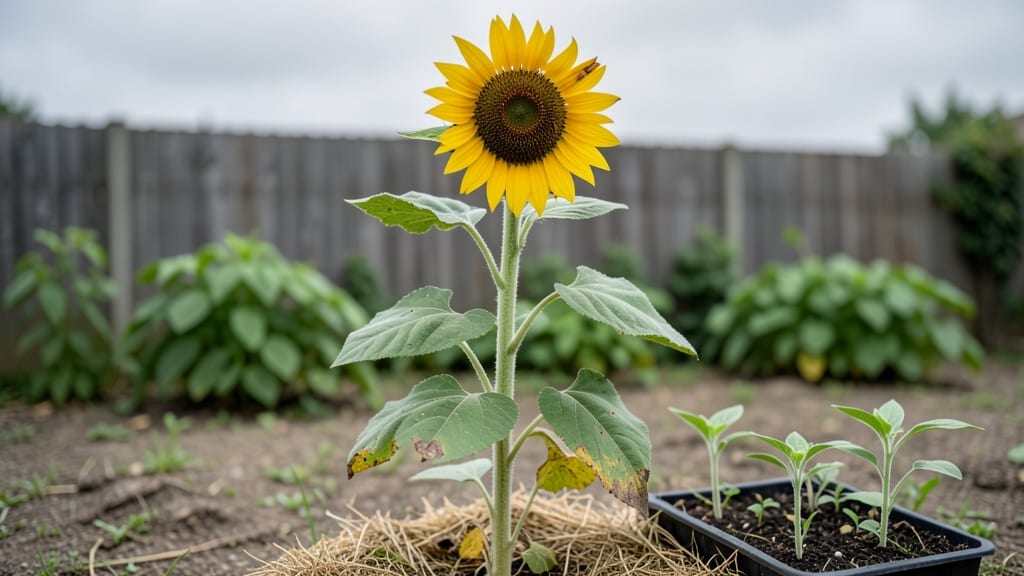
With the right different sunflower seeds, your garden can burst into a towering, vibrant display in just 8-10 days—that’s how fast some varieties sprout. 🌱 I’ve grown everything from 3-foot dwarfs to 12-foot giants, and the key is matching seed type to your space, goals, and sunlight.
Whether you want cut flowers, birdseed, or just a child-friendly pollinator magnet, the variety makes all the difference.
Fast-germinating types like ‘Moulin Rouge’ (dwarf) or ‘Russian Giant’ (tall) are foolproof for beginners, while perennial varieties like ‘Maximilian’ thrive in warm climates with minimal care. Each type needs slightly different spacing—12 inches apart for dwarfs, 3 feet for standard, and 4-6 feet for giants—to avoid shading struggles.
Soil prep is simple: loose, well-draining mix with a handful of compost per hole.
You’ll end up with blooms that range from buttery yellow to deep red, some edible, others packed with pollen for bees. The dwarf varieties stay compact enough for containers, while giants become natural trellises for climbing plants.
Plant in full sun, keep soil moist until established, and watch those first leaves unfurl in record time.
Adapt this approach to your climate: shorter seasons favor early-maturing types, while hot, dry areas benefit from drought-tolerant varieties. The right seed choice turns a simple planting into a season-long spectacle—here’s how to pick the perfect match for your garden.
📚 In This Guide
- What you need
- Instructions
- Tips and common mistakes
- Wrapping up and next steps
What you need
- ● Sunflower seeds: 1–2 lbs (or ~50–100 seeds) of fast-germinating varieties like 'Autumn Beauty,' 'Moulin Rouge,' or 'Russian Giant' (check seed packets for germination rates).
- ● Seed-starting mix: 1–2 gallons of lightweight, sterile potting soil (avoid garden soil—it’s too dense!).
- ● Containers: Small pots (4–6 inches deep) for individual seedlings, or
- ● A seed tray with drainage holes (for batch planting).
- ● Watering can or spray bottle: With a fine mist nozzle to keep soil moist without drowning seeds.
- ● Grow lights or sunny windowsill: A south-facing window or a LED grow light (12–16 hours/day) for seedlings.
- ○ Plastic wrap or humidity dome: Optional but helps retain moisture while seeds germinate.
- ● Seedling heat mat: Keeps soil warm (70–75°F) to speed up germination.
- ● Fertilizer: A balanced, water-soluble fertilizer (5-10-5 ratio) for transplanting.
- ● Plant labels: To track seed varieties and planting dates.
- ● Garden twine or stakes: For supporting taller varieties later.
- ● Access to warmth (indoor seed-starting works best in cooler climates).
- ● Patience! Germination can take 7–14 days (depending on variety and conditions).
- ● Outdoor space (or a balcony) for transplanting once seedlings are 3–4 inches tall.
How to select and grow fast-germinating sunflower varieties
Here's how I pick sunflower seeds that sprout quickly and produce those dramatic blooms you crave.
🌱 Step 1: Choose Varieties with Proven Germination Speed
Look for hybrid sunflower varieties specifically labeled "fast-germinating" or "early blooming." My top picks are 'Autumn Beauty' (4-6 days to sprout) and 'Moulin Rouge' (5-7 days), both of which consistently outperform standard types. These varieties have been bred to break dormancy quickly in cool soil—critical if you're starting seeds before last frost.
Check seed packets for the term "pre-treated" or "scarified." These seeds have had their outer coatings softened or broken to speed germination. I always soak mine in lukewarm water for 12 hours before planting to mimic this treatment. You'll see tiny white roots emerge within 24 hours—that's your signal the seeds are ready.
💧 Step 2: Prepare Soil for Optimal Germination Conditions
Sunflowers thrive in 60-70°F soil, but their seeds germinate fastest at 75-85°F. If planting outdoors before soil warms, use black plastic mulch 1 week before sowing to raise soil temperature. For containers, place them in a sunny window or under grow lights to maintain consistent warmth.
Use light, well-draining soil—sunflower roots despise soggy conditions. I blend 50% potting mix with 50% perlite for perfect aeration. Moisten the mix until it feels like a damp sponge, then press seeds 1 inch deep (about 2-3 times their diameter). Tap the soil gently to ensure good seed-to-soil contact—this prevents air pockets that delay sprouting.
☀️ Step 3: Maintain Consistent Moisture Without Overwatering
After planting, water gently until moisture reaches 2 inches deep—sunflower seeds need steady hydration but will rot if waterlogged. I use a fine-mist spray bottle for the first 72 hours to avoid displacing seeds. Once sprouts appear, switch to bottom-watering by placing trays in ½ inch of water for 10 minutes daily.
Watch for first true leaves (the second set after cotyledons) to appear within 7-10 days of planting. These leaves should be dark green and firm—pale or yellowing indicates either too much light or poor soil nutrition. If seedlings look leggy (stretched with weak stems), your light source is too far away—move it within 4 inches of the plants immediately.
⏰ Step 4: Thin Seedlings for Stronger Stems
When seedlings reach 3-4 inches tall (about 2-3 weeks after germination), thin to 1 plant per pot or 12 inches apart in garden beds. I use scissors to snip unwanted seedlings at soil level—this prevents disturbing roots of remaining plants. Sunflowers need space to develop thick, sturdy stems capable of supporting their massive blooms.
After thinning, fertilize with a balanced 10-10-10 formula diluted to ½ strength. You'll see lush, vibrant foliage within 7-10 days—this indicates the plants are photosynthesizing efficiently. If leaves develop yellow edges, flush the soil with water to prevent salt buildup from fertilizer. Mulch with 2 inches of straw to retain moisture and suppress weeds while stems grow.
🌿 Step 5: Transition to Outdoor Conditions Gradually
When nighttime temperatures stay above 50°F and no frost is forecasted, harden off seedlings by placing them outside in partial shade for 2 hours daily, increasing duration by 1 hour each day. After 7-10 days, they'll be ready for full sun. You'll know they're acclimated when leaves look slightly sun-stressed (light brown edges) but bounce back within 24 hours.
Transplant on a cloudy day or in late afternoon to minimize stress. Bury stems 1 inch deeper than container depth—this encourages stronger root development at the base. Water deeply at the base once weekly (more during drought), and you'll see buds form within 6-8 weeks of transplanting. The key is patience: fast germination doesn't mean fast blooms, but these varieties will reward you with bold, vibrant flowers in record time.
Tips & tricks for perfect fast-germinating sunflower varieties
Want those sunflowers to pop up faster than you can say "bold blooms"? These are the game-changing tricks I've learned after watching dozens of seed packets turn into either thriving giants or sad little wilting stems.
Variety Selection Strategy: Beyond just looking for "fast-germinating" labels, I recommend cross-referencing seed catalogs with your local climate zone. Northern gardeners should prioritize varieties like 'Teddy Bear' (4-6 days) which handles cooler spring soils better than 'Moulin Rouge'. Pro tip: Check the maturity date too—some fast-sprouting varieties sacrifice bloom time, so I balance both metrics when selecting. The key is finding that sweet spot where germination speed doesn't compromise final height or flower size.
Soil Temperature Hack: That 75-85°F range for optimal germination? I've found a simple way to test your soil's readiness: Press a thermometer 2 inches deep into moist soil at your planting location. If it reads below 70°F, your seeds will either take longer to sprout or rot before emerging. For containers, I use a small heating mat ($15 at garden centers) under my seed trays—it's a game-changer for early spring starts. Remember, seeds won't germinate below 50°F, no matter how much you wish they would.
Watering Technique: The fine-mist spray bottle method during those first 72 hours isn't just about gentle watering—it's about creating a humid microclimate that mimics the conditions seeds need to break dormancy. I place my seed trays on a bed of dampened pebbles in a shallow tray to increase humidity further. After sprouts appear, I switch to bottom-watering because it prevents the delicate stems from developing fungal issues that can appear as black spots on the leaves.
Light Source Solution: That leggy seedling problem? I've solved it by using a combination of LED grow lights and a simple timer. Set your lights to 14 hours on/10 hours off daily, and position them just 4 inches above the seedlings. The key is consistency—fluctuating light levels cause the exact stretching you're trying to prevent. For natural light, place your seedlings on a south-facing windowsill where they'll receive at least 6 hours of direct sunlight daily. Rotate your trays weekly to prevent uneven growth toward the light source.
Pro Tips for Different Sunflower Seeds
- Want those sunflowers to pop up faster than you can say "bold blooms"?
- Variety Selection Strategy: Beyond just looking for "fast-germinating" labels, I recommend cross-referencing seed catalogs with your local climate zone.
- Soil Temperature Hack: That 75-85°F range for optimal germination?
Frequently asked questions
Got questions about growing different sunflower seeds? You’re not alone! Here are answers to the most common queries to help you cultivate bold, vibrant blooms with ease.
What’s the fastest way to germinate sunflower seeds?
Sunflower seeds germinate quickly—usually within 5–10 days—if planted in warm soil (70°F+). Soak seeds overnight in lukewarm water to kickstart growth, then plant 1 inch deep in well-draining soil. Keep the soil moist (not soggy) and place in a sunny spot. Pro tip: Use a heat mat for faster sprouting in cooler climates!
How long does it take for sunflowers to bloom after planting?
Most sunflower varieties bloom 8–12 weeks after germination, depending on the type. Dwarf varieties may flower in as little as 6 weeks, while giant varieties can take up to 14 weeks. Monitor soil moisture and sunlight (6+ hours daily) to speed up the process. Patience pays off with those stunning, sun-kissed blooms!
Can I grow sunflowers from store-bought seeds?
Yes! Store-bought sunflower seeds (unsalted, in-shell) work perfectly for planting. Just remove the husk, soak them overnight, and plant as directed. For best results, choose seeds labeled as "non-GMO" or "heirloom" to ensure viability. Bonus: Save seeds from your own sunflowers for next season!
Why aren’t my sunflower seeds sprouting?
Several factors can stall germination: cold soil, overwatering, or old seeds. Test soil temperature (use a thermometer if unsure), ensure drainage, and replace seeds older than 1–2 years. If planted too deep (>1.5 inches), sprouts may struggle to break through. Try again with fresh seeds in a warmer, sunnier spot!
Are there sunflower varieties that thrive in small spaces?
Dwarf varieties like 'Teddy Bear' (3–4 feet tall) or 'Moulin Rouge' (2–3 feet) are perfect for containers, balconies, or tight gardens. Even compact varieties produce stunning blooms. Just ensure containers have drainage holes and support the plant’s weight as it grows. Space them 12–18 inches apart for optimal airflow!
Wrapping up and next steps
From fast-germinating sunflower seeds to vibrant, bold blooms, you now have all the tools to kickstart your gardening adventure! 🌻 Whether you're growing for beauty, wildlife, or even edible treats, the right variety makes all the difference. Don’t wait—grab your seeds, prep your soil, and let nature do the rest!
Your next step? Plant with confidence and watch your sunflowers thrive. Ready to grow? Start sowing today! 🌱