Shrubs
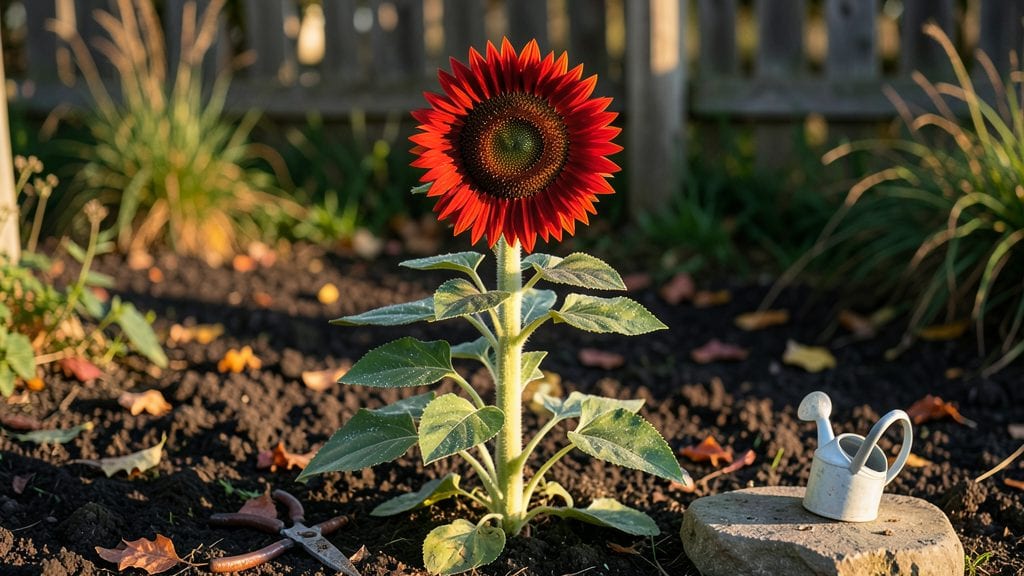
These red sunflower images from my cottage garden still make my heart race—they’re not just flowers but vertical fireworks that turn ordinary beds into showstopping displays. 🌻 I’ll never forget the first time I planted them along my garden path, how the deep red blooms seemed to glow against... the white picket fence, drawing bees and butterflies like a magnet.
These sunflowers thrive in partial sun, even in small spaces, making them perfect for borders, containers, or mixed beds. Pair them with lavender for contrast or cottage roses for a romantic touch—their bold height creates instant drama without needing a green thumb.
The secret? Plant them in clusters of three or five for a fuller, more dramatic look.
By midsummer, you’ll have 6-foot-tall accents that outshine everything else in the garden. The deep red blooms catch the light at dawn and dusk, adding warmth to any setting—whether you’re going for rustic charm or modern elegance. Plus, they’re pollinator superstars, supporting bees and birds all season long.
Works in cottage-style gardens, modern landscapes, or even urban containers. Let’s bring that bold, cheerful energy to your space—here’s how to make them the star of your garden.
📚 In This Guide
- What you need
- Instructions
- Tips and common mistakes
- Wrapping up and next steps
What you need
- ● Red sunflower seeds: 10–20 seeds (choose varieties like 'Autumn Beauty' or 'Moulin Rouge' for bold red blooms).
- ● Well-draining potting mix: 5–10 gallons (sterilized to prevent disease).
- ● Biodegradable seed-starting pots: 2–4 (3–4 inches deep).
- ● Grow lights or sunny windowsill: 12+ hours of light daily for seedlings.
- ● Watering can with a fine rose nozzle: For gentle hydration.
- ● Fertilizer: Balanced 10-10-10 or organic compost (1 cup per 5 gallons of soil).
- ● Fresh red sunflowers: 3–5 stems (harvest when blooms are fully open but still firm).
- ● Floral preservative: 1 packet (or 1 tsp sugar + 2 drops bleach per quart of water).
- ● Vase or container: Tall and narrow (e.g., mason jar, ceramic vase, or repurposed bottle).
- ● Scissors or pruners: Sharp and clean (sterilize with rubbing alcohol).
- ○ Optional: Greenery (e.g., eucalyptus, ferns) for texture.
- ● Sturdy stakes or trellis: 1–2 (4–6 feet tall) for vertical support.
- ● Mulch: Straw or shredded bark (2–3 inches thick) to retain moisture.
- ● Garden gloves: For easy handling.
How to style red sunflowers as vertical accents in cottage gardens
Here's how I transform sunflowers into the star vertical elements of any cottage garden—simple, striking, and full of personality.
🌱 Step 1: Choose the Right Variety for Height and Color Impact
For dramatic vertical accents, I always reach for red sunflower varieties like 'Autumn Beauty' or 'Moulin Rouge'—they grow 6-10 feet tall with bold, deep red blooms that pop against cottage garden pastels. These varieties also have sturdy stems that won't flop in summer breezes, which is critical for vertical displays.
Plant them in clusters of 3-5 per location—this creates a natural, fuller look rather than isolated stems. I like to place them along fences, trellises, or even near mailboxes where their height can be fully appreciated. Watch for the first true leaves to appear, which signals it's time to thin seedlings to the strongest stems.
☀️ Step 2: Position for Maximum Sun and Wind Support
Red sunflowers thrive in full sun (6+ hours daily), so I always place them where they'll get morning sunlight and afternoon shade if needed—this prevents the petals from fading too quickly. A south-facing fence or wall works perfectly, as it provides both sun exposure and a natural backdrop for their height.
For extra stability, I stake taller varieties with bamboo stakes (4-5 feet long) tied loosely with soft plant ties. The goal is to support the stems without restricting growth. You'll notice the plants lean toward the light naturally—this is normal, but gentle staking keeps them upright and prevents them from toppling in wind or rain.
💧 Step 3: Water Deeply and Mulch for Long-Stemmed Blooms
Water sunflowers at the base deeply 1-2 times per week—this encourages strong root development and prevents floppy stems. I use the finger test: if the top inch of soil feels dry, it's time to water. Overwatering leads to weak stems, which is the last thing you want for vertical accents.
Spread 2-3 inches of mulch around the base (but not touching the stems) to retain moisture and suppress weeds. I prefer straw or shredded leaves because they break down slowly and add organic matter to the soil. This step is key—mulched plants stay healthier and produce those long, sturdy stems that make them perfect for vertical displays.
✂️ Step 4: Deadhead and Prune for Extended Vertical Drama
To keep sunflowers blooming all season, I deadhead spent flowers by snipping the stem just above the next set of buds. This redirects the plant's energy into producing more blooms instead of going to seed. I do this every 2-3 weeks throughout the growing season—you'll see new buds forming within a week of deadheading.
For extra height, I also pinch back the top set of leaves when the plant reaches 3 feet tall. This encourages lateral branching, which creates a fuller, bushier look. It's a small step, but it makes a big difference in how dramatic the vertical display becomes.
🪴 Step 5: Pair with Complementary Plants for Cottage Garden Charm
To enhance the cottage garden aesthetic, I plant shorter perennials like lavender, catmint, or salvia around the base of the sunflowers. These plants add texture and color contrast while keeping the sunflowers as the star vertical element. I also weave in climbing roses or clematis nearby to create a layered, romantic look.
For a finished touch, I add a few stone or wooden accents at the base—like a small bench or a vintage-style planter. This ties the sunflowers into the overall cottage garden theme while keeping the focus on their bold height and color. The result? A vertical display that feels intentional and effortlessly charming.
Tips & tricks for stunning red sunflower vertical displays
These simple yet game-changing tips will help you create sunflower vertical accents that steal the show in your cottage garden.
Variety Selection Tip: While 'Autumn Beauty' and 'Moulin Rouge' are my top picks for their height and dramatic red blooms, don't overlook 'Red Sun' varieties—they grow slightly shorter (4-6 feet) but produce an abundance of smaller blooms perfect for creating dense vertical clusters. The key is choosing varieties with sturdy stems that can support their own weight without flopping, especially when planted near fences or trellises where wind exposure might be higher.
Sunlight Strategy: In Step 2, when positioning your sunflowers, remember that morning sun is your best friend for maintaining those vibrant red petals. If you notice the blooms fading faster than expected, try moving them slightly to capture more morning sunlight while still benefiting from afternoon shade. This simple adjustment can extend the bloom time by nearly a week—trust me, your sunflowers will thank you with deeper, richer colors.
Staking Secrets: For the bamboo stakes mentioned in Step 2, I've found that placing two stakes per plant—one on each side—provides better support than a single stake. Insert them at a slight angle (about 30 degrees) and tie them loosely with soft plant ties. This creates a natural, wind-resistant structure that guides the sunflower's growth without restricting it. Pro tip: Add stakes when plants reach about 2 feet tall, not when they're already leaning heavily.
Pruning Precision: When you pinch back the top set of leaves at the 3-foot mark in Step 4, aim to remove just the top 2-3 inches of growth. This encourages branching without shocking the plant. I like to do this on a cloudy day or in the late afternoon when the sun isn't at its strongest—your sunflowers will recover faster and show less stress from the pruning.
Pro Tips for Red Sunflower Images
- These simple yet game-changing tips will help you create sunflower vertical accents that steal the show in your cottage garden.
- The key is choosing varieties with sturdy stems that can support their own weight without flopping, especially when planted near fences or trellises where wind exposure might be higher.
- Sunlight Strategy: In Step 2, when positioning your sunflowers, remember that morning sun is your best friend for maintaining those vibrant red petals.
Frequently asked questions
Got questions about using red sunflower images to elevate your cottage garden? Here are some common ones—and their answers!
What’s the best time of year to plant red sunflowers for maximum impact?
Plant red sunflowers in early spring (after the last frost) or late summer for a bold fall display. They thrive in warm soil (60°F+) and bloom in 60–90 days. For continuous color, stagger plantings every 2–3 weeks.
How can I use red sunflower images in garden design without planting real flowers?
Try digital prints on canvas, framed botanical art, or even stenciled murals on fences/walls. For a 3D effect, use faux sunflower decor like ceramic planters or woven wall hangings. Pair with real greenery (e.g., ivy or ferns) to bridge the gap!
Are red sunflowers pollinator-friendly, and do they attract pests?
Red sunflowers are bee and butterfly magnets—great for pollinators. However, they may draw squirrels or birds if left to seed. To deter pests, harvest seeds early or use netting. Avoid overcrowding; space plants 12–18 inches apart for airflow.
Can I mix red sunflowers with other colors for a cohesive look?
Yes! Pair red sunflowers with white or yellow blooms (e.g., daisies, black-eyed Susans) for contrast, or purples/pinks (e.g., salvia, phlox) for a romantic cottage vibe. For height variety, add tall grasses (like feathertop) or shorter perennials (e.g., lavender).
Why aren’t my red sunflowers blooming, even though they’re tall and leafy?
Common culprits: over-fertilizing (too much nitrogen = lush leaves, few flowers), poor sunlight (they need 6+ hours of sun daily), or stress (drought or root-bound pots). Try deadheading spent blooms to encourage new flowers and ensure well-draining soil.
Wrapping up and next steps
Red sunflowers aren’t just vibrant—they’re versatile powerhouses for cottage gardens, bringing bold vertical accents, cheerful energy, and effortless charm. Whether you’re a seasoned gardener or just starting, these sunflowers are your ticket to a show-stopping, low-maintenance outdoor space. 🌻
Ready to transform your garden? Start small—plant a few red sunflowers in a sunny spot, snap some inspiring images for your vision board, and let their beauty grow! 🌱