
Flowers
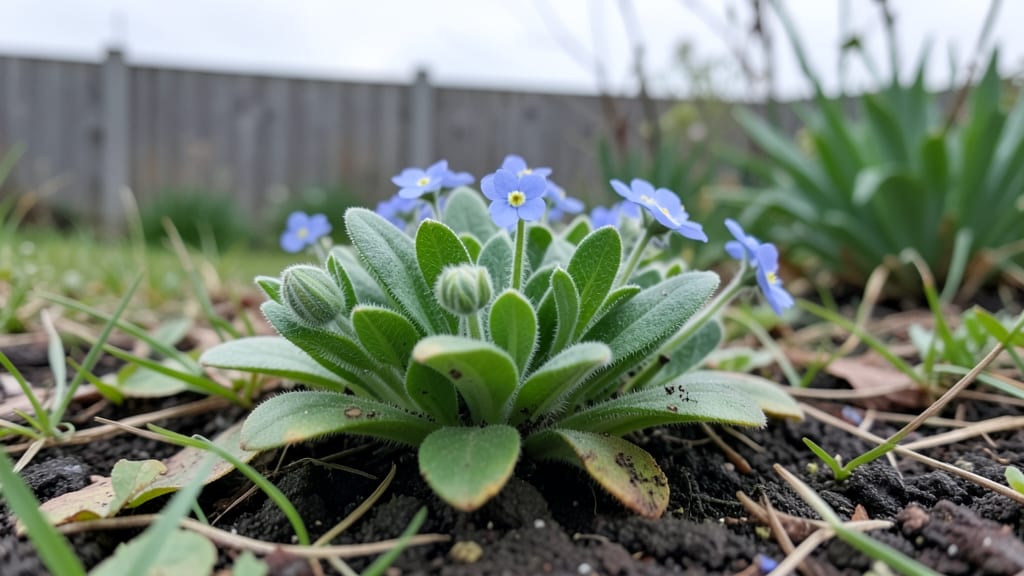
Growing forget-me-not flower sprouts from seed is one of those small joys that makes spring feel like magic. ✨ These delicate blue blooms thrive in the Pacific Northwest's cool, moist climate, and with the right timing, you'll see vibrant flowers in just 60 days.
The secret starts with the soil—rich, well-draining, and slightly acidic—mimicking the damp meadows where they grow wild.
Most gardeners struggle with two things: patience and leggy sprouts. I learned the hard way that planting too deep or not enough light causes those weak stems, but once I adjusted, my sprouts grew sturdy and strong.
You'll need a sunny spot with at least 4-6 hours of morning sun, and consistent moisture without soggy soil—think of it like keeping a damp sponge, not a swamp.
By the time those first true leaves appear, you'll be hooked on the process. The foliage has a soft, almost fuzzy texture, and the blue blooms arrive in clusters that look like scattered sky pieces on the ground.
With proper care, you'll have cuttings ready for bouquets or pollinators buzzing around by early summer.
Works perfectly for garden beds, containers, or even as a charming border plant. The key is starting indoors 8-10 weeks before your last frost, then transplanting when soil temperatures hit 50°F. Here's how to make it foolproof—no more struggling with slow germination or weak sprouts.
📚 In This Guide
- What you need
- Instructions
- Tips and common mistakes
- Wrapping up and next steps
What you need
- ● Forget-me-not seeds: 1 packet (50-100 seeds) – choose Myosotis sylvatica (woodland forget-me-not) for PNW hardiness.
- ● Seed-starting mix: 1 quart (32 oz) – lightweight, sterile potting soil (e.g., Pro-Mix or FoxFarm Seedling Mix).
- ● Containers: 2-4 small pots (3-4 inches wide) or a seed tray with cells – ensure drainage holes are present!
- ○ Grow lights or sunny windowsill: 1 LED grow light (optional but ideal for short PNW winters) or a south-facing window.
- ● Misting bottle: 1 – for gentle hydration during germination.
- ● Fertilizer: 1 balanced liquid fertilizer (5-5-5 or 10-10-10) – dilute to half-strength for seedlings.
- ● Spray bottle or watering can: with a fine rose nozzle for precision.
- ● Tweezers or small spoon: for careful seed placement.
- ○ Heat mat (optional): 1 – speeds germination (70-75°F is ideal).
- ● Transplanting tools: small trowel or spoon – for moving sprouts to larger pots or garden beds.
- ● Garden gloves: 1 pair – protects hands from soil and delicate sprouts.
- ○ Hardening-off tray (optional): 1 – for acclimating seedlings to outdoor conditions before transplanting.
Step-by-step guide to growing forget-me-not sprouts in the Pacific Northwest
Here's how to coax those delicate blue blooms from seed in just 60 days—perfect for our cool, damp climate.
🌱 Step 1: Start Seeds Indoors for Early Growth
Fill small seed trays with light, well-draining potting mix (I like a blend of peat moss and perlite for airflow). Forget-me-not seeds are tiny, so I use a fine-mesh sieve to scatter them evenly across the surface. Press them gently into the soil—just enough to make contact, no deeper than 1/8 inch. These seeds need light to germinate, so don't bury them.
Mist the soil lightly with water until it's evenly moist but not soggy. Place the tray in a clear plastic bag to create a humid environment, then set it on a heat mat at 65-70°F. Forget-me-nots germinate slowly—count on 2-4 weeks until you see those first tiny green leaves. Keep the soil consistently moist during this time, but avoid letting it sit in water.
☀️ Step 2: Provide Cool Light for Strong Seedlings
Once sprouts appear, remove the plastic bag and move them to a bright spot with indirect light. Forget-me-nots thrive in cool conditions, so a north-facing window is ideal. If your seedlings stretch toward the light or look pale, they need more intensity—supplement with a grow light for 12-14 hours daily, keeping it 4-6 inches above the plants.
Watch for the first set of true leaves (the second pair after the initial cotyledons). This is your signal to start fertilizing lightly with a balanced liquid fertilizer (like 10-10-10) diluted to half strength. Over-fertilizing now will burn the delicate seedlings. Thin to 1 plant per cell if you started multiple seeds together, using scissors to snip excess seedlings at soil level.
🪴 Step 3: Harden Off and Transplant Outdoors
When seedlings have 4-6 true leaves and are about 2 inches tall, it's time to prepare for outdoor life. Start by placing them outside in a sheltered spot for 1-2 hours the first day, gradually increasing exposure over 7-10 days. Forget-me-nots love cool weather, so aim to transplant them 4-6 weeks before your last frost date—typically late April or early May in the PNW.
Choose a spot with partial shade to light shade (they tolerate full sun in cooler climates but may scorch in heat). Space plants 6-8 inches apart in moist, well-draining soil. Water deeply after transplanting to settle the roots. Mulch lightly with 1 inch of compost to retain moisture and suppress weeds—these flowers hate competition.
💧 Step 4: Maintain Consistent Moisture for Blooms
Forget-me-nots thrive in consistently moist soil but won't tolerate soggy conditions. Water 1-2 times weekly, aiming for 1 inch of water per week, adjusting for rain. You'll know it's right when the top inch of soil feels damp but not wet. Fertilize lightly every 4-6 weeks with a balanced fertilizer during the growing season. Too much nitrogen will give you lush foliage but few flowers.
Watch for blooms to appear 60-70 days after sowing. The flowers are delicate and self-cleaning, so deadheading isn't necessary unless you want to encourage more blooms. If you notice leaves yellowing, it's often a sign of overwatering—these plants prefer cool, damp conditions but not wet feet. Pinch back leggy stems to encourage bushier growth and more flowers.
Tips & tricks for perfect forget-me-not flower sprouts
Growing these delicate blooms successfully in the Pacific Northwest takes a few key tricks—especially when working with such tiny seeds. Here's what I've learned after a few trial batches.
Light Matters: Forget-me-not seeds need light to germinate, so avoid pressing them too deeply into the soil—just a gentle touch is enough. I use a fine-mesh sieve to scatter them evenly, and I always check they're only 1/8 inch deep. Too deep and they won't sprout at all. For extra peace of mind, I place a sheet of clear plastic wrap over the tray (instead of just a bag) to create a more stable humid environment without worrying about condensation dripping on the seeds.
Germination Patience: Those 2-4 weeks of waiting can feel endless, but resist the urge to check daily—disturbing the soil can disrupt the seeds. Instead, I place the tray on a heat mat set to 65-70°F and keep it in a spot where I won't accidentally bump it. The key is consistent moisture without sogginess—think "damp sponge" rather than "mud puddle." I use a spray bottle to mist rather than pouring water directly onto the seeds.
Harden Off Gradually: When it's time to move your seedlings outside, start with just 1-2 hours in a sheltered spot. I always choose a spot protected from wind and direct afternoon sun. Over the 7-10 day period, I gradually increase their outdoor time, moving them to slightly sunnier spots each day. This slow transition prevents shock—especially important for our unpredictable PNW weather where we can go from sunny to rainy in hours.
Soil Consistency is Key: Forget-me-nots hate soggy conditions but need consistent moisture. I test soil moisture by sticking my finger about an inch deep—if it feels dry, it's time to water. For the 1 inch per week target, I often split it into two waterings: one in the morning and one in the evening. Mulching with 1 inch of compost helps maintain that perfect moisture level while suppressing weeds that compete for nutrients.
Pro Tips for Forget Me Not Flower Sprout
- Growing these delicate blooms successfully in the Pacific Northwest takes a few key tricks—especially when working with such tiny seeds.
- Light Matters: Forget-me-not seeds need light to germinate, so avoid pressing them too deeply into the soil—just a gentle touch is enough.
- Germination Patience: Those 2-4 weeks of waiting can feel endless, but resist the urge to check daily—disturbing the soil can disrupt the seeds.
Frequently asked questions
How do I know if my forget-me-not sprouts are healthy?
Healthy sprouts have bright green leaves and no yellowing or wilting. Check for firm stems—if they feel mushy or moldy, they need better drainage or less water. Overcrowding? Thin seedlings to 6–8 inches apart for airflow.
Can I plant forget-me-not sprouts in late spring or early summer?
Yes! Forget-me-nots are hardy perennials that tolerate cooler temps, but avoid peak summer heat (after July). For late planting, choose a shady spot and water deeply 2–3x/week. They’ll still bloom, but expect fewer flowers.
Why aren’t my forget-me-not sprouts growing after 3 weeks?
Slow growth often means too little light or overwatering. Move pots to bright indirect light (6+ hours/day) and let soil dry slightly between waterings. Cold drafts or nutrient-deficient soil can also stall growth—try a balanced fertilizer.
Are there fast-growing alternatives to forget-me-nots for PNW gardens?
If you want quick color, try:
- Sweet alyssum (30–45 days to bloom)
- Calendula (40–50 days, edible petals!)
- Lobelia (50–60 days, shade-tolerant)
How do I protect forget-me-not sprouts from pests like slugs?
Slugs love tender sprouts! Use organic barriers like crushed eggshells or copper tape around pots. For severe infestations, handpick slugs at dawn/dusk or use iron phosphate bait (pet-safe). Avoid chemical sprays—they harm bees!
Wrapping up and next steps
Growing forget-me-not flower sprouts in the Pacific Northwest isn’t just rewarding—it’s a celebration of resilience and beauty in just 60 days! 🌱 Whether you’re a seasoned gardener or a curious beginner, these hardy blooms prove that patience and care yield stunning results.
Now that you’re equipped with the right materials and answers to common questions, it’s time to roll up your sleeves and watch your garden transform.
🌿 Your Next Step: Plant with Confidence!
Start by prepping your soil, sowing those seeds, and keeping an eye on moisture levels. Before you know it, those tiny sprouts will burst into vibrant blue or purple blooms—a reminder of nature’s timeless charm. Happy gardening! 🌸