
Flowers
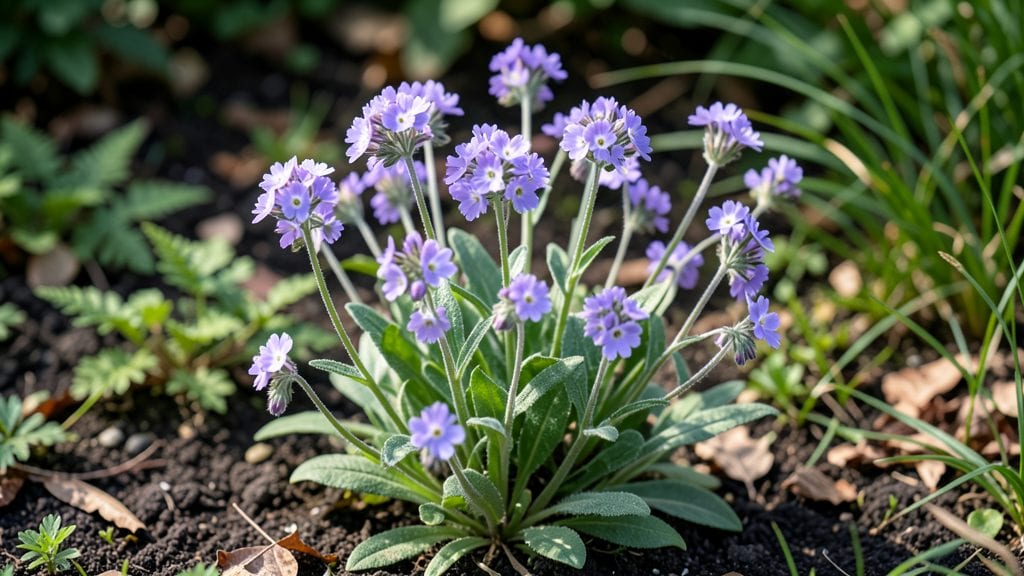
The forget-me-not purple flower transforms any garden into a whisper of romance and nostalgia, especially in the Pacific Northwest's cool, damp climate where it thrives. 💜 I fell in love with its delicate blue-violet blooms the first time I spotted them spilling over a cottage-style border—each tiny flower a tiny promise of enduring love.
These hardy perennials don’t just survive frost; they bloom brighter after winter’s chill, making them the perfect star for early-spring gardens.
Pairing forget-me-nots with silver foliage like lamb’s ear or soft pinks from peonies creates a dreamy, storybook effect. They also play well with yellow black-eyed Susans for a cheerful contrast or lavender for a soothing, Mediterranean vibe.
In cut arrangements, their long stems hold up beautifully, adding texture and meaning to bouquets—ideal for Mother’s Day or anniversary gifts.
What makes them magical is their seasonal resilience: forget-me-nots bloom from late spring through summer, often rebounding after light frosts. Plant them in partial shade where their roots stay cool, and you’ll get months of delicate blooms that attract pollinators while keeping your garden feeling timeless.
The key? Keep the soil moist but well-drained—they’ll reward you with generous, repeat blooms all season long.
For a cottage-garden feel, tuck them along pathways, bordering herb gardens, or in woodland-style plantings with ferns and hostas. Their symbolism—reminding us to cherish fleeting moments—makes them a thoughtful addition to any space where you want to slow down and savor the little things.
Let’s bring that charm to your garden!
📚 In This Guide
- What you need
- Instructions
- Tips and common mistakes
- Wrapping up and next steps
What you need
- ● Forget-me-not seeds – Choose Myosotis sylvatica (woodland forget-me-not) for hardiness. Buy 1 packet (500–1,000 seeds) for a small garden or 2–3 packets for broader coverage.
- ● Well-draining potting mix – 1–2 bags (12–18 qt each) of high-quality, organic mix (e.g., Pro-Mix or FoxFarm Ocean Forest). Forget-me-nots hate soggy roots!
- ● Containers or garden beds – Seed-starting trays (50–100 cell count) for indoor germination.
- ● Garden soil amended with compost (if planting directly outdoors). Aim for 2–3 cubic feet of compost per 10 sq ft of bed.
- ● Slow-release fertilizer – 10–20-10 NPK ratio (e.g., Osmocote), 1 lb per 100 sq ft.
- ● Mulch – 2–3 inches of shredded bark or straw to protect roots in winter.
- ● Hand trowel (for transplanting seedlings).
- ● Spray bottle (for misting seeds).
- ● Garden gloves (to protect hands from soil and prickly stems).
- ● Pruners or scissors (for deadheading spent blooms).
- ● Watering can or hose with gentle nozzle (avoid blasting seeds!).
- ● Cold frame or mini greenhouse – Extends the growing season in early spring.
- ● Epsom salt (1 tbsp per gallon of water) – Boosts magnesium for vibrant purple blooms.
- ● Flower food or compost tea – Keeps soil nutrients balanced.
- ● Stakes or small pebbles – Helps support delicate stems in windy PNW conditions.
How to grow Pacific Northwest frost-resistant purple forget-me-nots
These delicate blooms thrive in cool climates—here’s how to cultivate them successfully.
🌱 Step 1: Select the Right Variety and Planting Time
Choose Myosotis sylvatica or Myosotis alpestris for their deep purple hues and cold hardiness. Plant seeds in early fall (September-October) for spring blooms, or in late winter (February-March) for summer flowers. These biennials need 6-8 weeks of cold stratification to germinate properly—nature handles this automatically if planted outdoors during cooler months.
If starting indoors, place seeds in the freezer for 4-6 weeks before sowing. Forget-me-nots despise heat, so avoid planting after the last frost in warmer zones. Look for seedlings with small rounded leaves—these are your first sign of successful germination.
☀️ Step 2: Prepare Moist, Well-Draining Soil
Forget-me-nots thrive in partial shade to full sun (morning light is ideal), but they’ll bolt in intense afternoon heat. Amend your soil with compost to create a rich, humusy texture—these flowers hate dry or compacted soil. Test drainage by pressing a handful: if water pools, add sand or perlite to improve aeration.
These plants prefer neutral to slightly alkaline soil (pH 6.5-7.5). If your soil leans acidic, mix in crushed limestone at a rate of 1 pound per 100 square feet. Forget-me-nots will tell you when they’re happy: vigorous basal leaves and sturdy stems before flowering.
💧 Step 3: Sow Seeds Correctly for Maximum Germination
Scatter seeds ¼ inch deep in moist, cool soil—they need darkness to germinate. Space them 6-8 inches apart unless you’re okay with thinning later. Lightly press them into the soil with your fingers, then mist with water until the surface feels damp but not soggy. A clear plastic dome or row cover will help retain moisture during germination.
Keep soil consistently moist (but never waterlogged) until seedlings appear in 2-4 weeks. If you see yellowing leaves, you’re overwatering—let the top inch dry between waterings. Once seedlings reach 2 inches tall, remove the cover to harden them off gradually.
✂️ Step 4: Maintain and Encourage Blooms
Fertilize lightly in early spring with balanced 10-10-10 at half strength—too much nitrogen produces lush foliage but few flowers. Forget-me-nots are self-seeding, so deadhead spent blooms to prevent overcrowding and encourage prolonged flowering. Cut back faded stems to 1 inch above the base after the first flush of blooms.
These plants tolerate light frost but may need winter mulch in colder PNW zones. Apply 2-3 inches of straw or shredded leaves after the first hard freeze to protect roots. In spring, remove mulch once new growth appears—bright green shoots signal it’s safe to uncover.
🌿 Step 5: Divide and Propagate for Long-Term Growth
Every 2-3 years, forget-me-nots form dense clumps. Dig up the entire plant in early spring and separate at the roots using a clean knife. Replant divisions 12 inches apart in fresh soil. This rejuvenates growth and prevents flower decline from overcrowding.
You can also propagate from basal cuttings in late summer. Snip 4-inch stem sections with leaves, dip in rooting hormone, and plant in sandy soil. Keep them moist and shaded until roots form in 4-6 weeks. These cuttings will bloom the following year if given proper care.
Tips & tricks for perfect Pacific Northwest purple forget-me-nots
Growing these frost-resistant beauties successfully comes down to understanding their unique needs—here are the secrets that'll make all the difference.
Cold Stratification Secret: That 6-8 week cold stratification requirement in Step 1 is non-negotiable for breaking dormancy. For indoor starters, place seeds in a sealed bag with a damp paper towel in the freezer—this mimics natural winter conditions. I've found that using a small mesh bag works perfectly for this, allowing air circulation while maintaining moisture. The key is consistency: don't open the bag until you're ready to plant after the full 4-6 weeks.
Soil pH Precision: Forget-me-nots will show you when they're unhappy through their leaves, but you can prevent problems by testing your soil's pH first. Aim for that 6.5-7.5 range—they absolutely hate acidic conditions. I've had the best success using a simple soil test kit from the garden center. If you need to adjust, crushed limestone is your best friend, but apply it 2-3 months before planting to let it fully integrate into the soil profile.
Germination Timing: Those 2-4 weeks for germination can feel like an eternity, but patience pays off. Create an ideal environment by covering your seeds with a clear plastic dome or row cover to maintain humidity. Check daily for condensation—if you see water droplets on the cover, you're golden. The moment you spot those first tiny rounded leaves, remove the cover immediately to prevent fungal growth. This gradual hardening process is what builds strong seedlings.
Winter Protection Strategy: When applying that 2-3 inch mulch layer in Step 4, focus on protecting the root zone rather than piling it around stems. I've learned this the hard way—too much mulch against stems can cause rot. Use straw or shredded leaves (avoid dense materials like grass clippings) and create a slight depression in the center to prevent water pooling during winter thaws. This simple adjustment can mean the difference between plants that survive and those that struggle.
Pro Tips for Forget Me Not Purple Flower
- Growing these frost-resistant beauties successfully comes down to understanding their unique needs—here are the secrets that'll make all the difference.
- Cold Stratification Secret: That 6-8 week cold stratification requirement in Step 1 is non-negotiable for breaking dormancy.
- Soil pH Precision: Forget-me-nots will show you when they're unhappy through their leaves, but you can prevent problems by testing your soil's pH first.
Frequently asked questions
Got questions about growing and caring for forget-me-not purple flowers in the Pacific Northwest? You’re in the right place! Here are some of the most common queries—plus quick, actionable answers to keep your blooms thriving.
How cold can forget-me-nots handle in the PNW?
These hardy flowers are built for the Pacific Northwest’s chilly climate! Most varieties tolerate temperatures down to 10°F (-12°C) or even lower once established. Just ensure they’re planted in well-draining soil and mulched in winter for extra protection. Pro tip: Young plants may need winter protection in their first year.
When is the best time to plant forget-me-nots in Washington or Oregon?
For spring blooms, plant forget-me-nots in early spring (March–April), about 4–6 weeks before the last frost. If you’re aiming for fall color, opt for late summer (August–September) planting. They’re cool-season flowers, so avoid planting in scorching summer heat—they’ll sulk!
How often should I water forget-me-nots, especially in rainy PNW?
While forget-me-nots love moisture, overwatering is their nemesis. Water deeply 1–2 times per week (or when the top inch of soil feels dry), but ensure containers or beds have excellent drainage. In the PNW’s rainy season, prioritize well-draining soil to prevent root rot.
Can I grow forget-me-nots in containers, or do they need a garden bed?
Forget-me-nots thrive in containers (5+ inches deep) as long as they get 6+ hours of sunlight and proper drainage. Use a light, airy potting mix with perlite or sand. Just monitor moisture closely—containers dry out faster than garden beds. Bonus: They’re perfect for window boxes or hanging baskets!
Why aren’t my forget-me-nots blooming this year?
Common culprits include too much shade, over-fertilizing (rich soil = fewer blooms), or crowded roots. Try these fixes:
- Move to partial sun (4–6 hours/day) if in deep shade.
- Use a low-phosphorus fertilizer (like 5-10-5) in early spring.
- Deadhead spent blooms to encourage new flowers.
What are some purple forget-me-not alternatives for PNW gardens?
If you love the look but want variety, try these frost-resistant purple bloomers:
Flower
Why It’s Great
Lungwort (Pulmonaria)
Tough as nails, blooms early, and has speckled foliage.
Creeping Phlox (Phlox subulata)
Ground cover with prolonged blooms and a sweet fragrance.
Pacific Giant Hyacinth (Dichelostemma capitatum)
Native PNW stunner with dramatic purple spikes.
Wrapping up and next steps
The forget-me-not purple flower isn’t just a symbol of enduring love—it’s a hardy, frost-resistant gem perfect for the Pacific Northwest’s cool climate. Whether you’re planting them in your garden, crafting bouquets, or simply admiring their delicate beauty, these flowers bring joy with minimal fuss. 🌸
Now that you’re armed with growing tips and answers to common questions, why not take the next step? Start small—plant a few in your yard, share them with a friend, or even add a sprig to your home decor.
Every little bloom helps turn your space into a living love note!