
Flowers
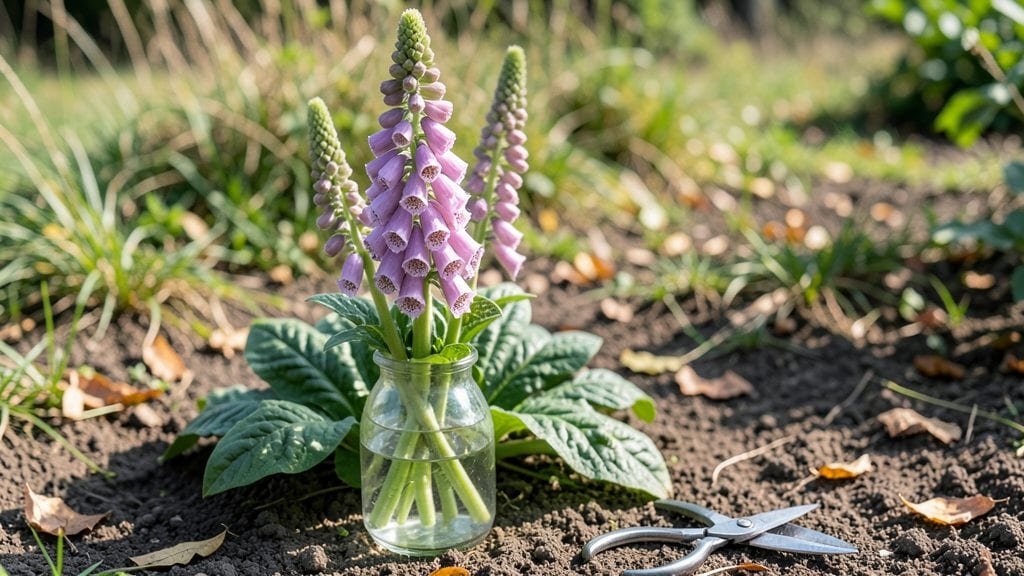
Foxglove flower arrangements instantly elevate any space with their dramatic height and whimsical bell shapes—like nature’s own chandeliers. 🌿 I’ve used them in everything from rustic wreaths to modern centerpieces, and their towering stems create instant vertical drama that other flowers can’t match.
The key? Pairing their striking heights with shorter, textured fillers like eucalyptus or dusty miller to balance the look without competing for attention.
Their velvety blooms come in shades from creamy white to deep purple, making them incredibly versatile for seasonal themes. Spring arrangements glow with pale pinks, while summer bouquets pop with bold purples—perfect for weddings, dinner tables, or even a simple vase on your porch.
Just remember: foxglove’s height means you’ll need sturdy containers or deep vases to anchor those graceful stems without toppling over.
To keep them fresh, trim stems at an angle and change the water every two days—they’re thirsty but delicate. A drop of floral preservative extends their life, and keeping them out of direct sunlight prevents wilting.
The result? Stunning arrangements that last 7-10 days, their bells swaying gently as if caught in a breeze.
Whether you’re crafting a romantic bouquet or a dramatic wreath, foxglove’s unique shape and height make it a standout. Try pairing them with roses for a classic touch or with wild grasses for a boho vibe.
Their magic lies in how they transform any space into something unforgettable—just like the first time you see them towering over a table.
📚 In This Guide
- What you need
- Instructions
- Tips and common mistakes
- Wrapping up and next steps
What you need
- ● Foxglove flowers – Choose fresh, fully bloomed stems (10–20, depending on arrangement size). Pro tip: 💡 Opt for tall varieties like Digitalis purpurea for maximum height!
- ● Floral preservative – 1 packet (or 1 tsp powdered mix) to extend vase life.
- ● Floral foam or chicken wire – For securing stems (1–2 blocks or a 6" wire frame).
- ● Water – Clean, room-temperature (1–2 cups).
- ● Scissors or floral knife – Sharp tools for clean cuts (1 pair).
- ● Filler flowers – Baby’s breath, eucalyptus, or ivy (3–5 stems) for texture.
- ● Greenery – Ferns, ivy, or pine sprigs (2–4 stems) for contrast.
- ● Decorative accents – Ribbon, dried flowers, or moss for a whimsical touch.
- ● Vase or container – Tall, narrow (8–12" height) for drama, or a rustic pot for charm.
- ● A clean workspace (table or countertop).
- ● Patience and steady hands for precise placement! 🌿
How to create showstopping foxglove flower arrangements
These striking bell-flowers bring vertical drama to any bouquet—here's how to arrange them like a pro.
🌿 Step 1: Select and Prepare Your Foxgloves
Choose stems with at least 50% open blooms—this ensures your arrangement has immediate visual impact while allowing new flowers to unfurl. Look for tall, sturdy stems (18-36 inches) with firm, green foliage—wilting leaves mean the flowers will open poorly. Cut stems at a 45-degree angle using sharp floral shears to maximize water uptake.
Strip away lower leaves within the first 6 inches of the stem, but leave the upper foliage intact. This prevents bacterial growth in water while maintaining the arrangement's height and structure. Place stems immediately in a bucket of lukewarm water to hydrate them—foxgloves drink eagerly after cutting.
✂️ Step 2: Design Your Base Structure
Start with a container that's at least 12 inches deep—foxgloves need room to stand tall without toppling. I like to use clear glass vases so you can monitor water levels without disturbing the stems. Fill the container with room-temperature water and add 1 teaspoon of floral preservative to extend vase life by 3-5 days. Arrange 3-5 stems in the center, fanning them outward slightly to create a natural tripod base.
For 4 arrangements, you'll need 12-20 stems total—distribute them evenly among containers. The key is odd-number groupings: 3, 5, or 7 stems create visual balance better than even numbers. Press stems gently into the preservative solution until they stand firmly upright.
🌱 Step 3: Layer for Vertical Impact
Work in thirds: place one-third of stems as your base (6-12 inches tall), then add medium-height stems (18-24 inches) around them. Finally, insert the tallest stems (24-36 inches) toward the back or sides. This creates depth and movement—foxgloves should never look like a uniform wall of flowers.
Space stems 1-2 inches apart at the base, then let them flare naturally as they rise. The bell-shaped blooms will cascade downward, creating a waterfall effect. If stems bend, gently straighten them without forcing—foxgloves are sturdy but not bendable like willow branches.
💧 Step 4: Add Supporting Elements
Foxgloves alone can look stark, so pair them with complementary textures. Add spiky eucalyptus or delicate baby's breath to fill gaps, and moss or ferns for softness at the base. I like to tuck in purple statice—its tiny flowers contrast beautifully with foxglove's height. Use floral tape to secure any stems that need reinforcement, especially in larger arrangements.
Trim supporting stems to half the length of foxgloves so they don't compete for attention. The goal is to highlight the foxgloves while creating a harmonious, balanced look. Step back frequently to check your arrangement from all angles—lighting can make one side appear heavier than the other.
☀️ Step 5: Maintain and Extend Freshness
Change the water every 2 days and recut stems at a 45-degree angle each time. Keep arrangements away from direct sunlight (especially hot afternoon rays) and drafts—foxgloves wilt faster in extreme conditions. If blooms begin to droop, place the vase in a cool, shaded spot overnight to revive them.
For longer-lasting arrangements, add 1 tablespoon of sugar to the water—this provides energy for the stems. You'll notice flowers open more fully and last 2-3 days longer with this simple trick. Display arrangements in indirect light to preserve their vibrant colors and delicate petals.
Tips & tricks for perfect foxglove flower arrangements
Here's what I've learned after arranging foxgloves for years—these small details make all the difference between a pretty bouquet and a showstopper.
Selection is Everything: In Step 1, when choosing stems, look for those with at least 50% open blooms but still some buds—this gives you immediate drama while allowing new flowers to unfurl. I avoid stems with any yellowing or wilted leaves, even if the blooms look perfect, because they'll compromise your entire arrangement. The fresher the stems, the longer they'll last and the more vibrant their colors will stay.
Angle Matters More Than You Think: That 45-degree angle when cutting stems isn't just tradition—it's science. The larger surface area allows for maximum water uptake, which is crucial since foxgloves drink eagerly after cutting. I use sharp floral shears to make clean cuts, and I always recut stems every 2 days when refreshing the water to maintain this critical water intake.
Odd Numbers Create Balance: The instructions mention odd-number groupings, but here's why it works: odd numbers (3, 5, or 7 stems) create visual tension that feels complete, while even numbers can look static. In Step 2, when arranging your base, fan those 3-5 stems outward slightly—this creates a natural tripod that supports the taller stems you'll add later. It's like building a miniature skyscraper: the foundation determines how tall and stable everything else can be.
Supporting Elements Should Support: When adding complementary flowers in Step 4, remember the rule of thirds: your supporting elements should be one-third the height of your foxgloves at most. I love using purple statice because its tiny flowers add texture without competing with the foxgloves' height. And here's a pro trick: tuck moss or ferns at the very base to create a soft landing zone that draws the eye upward—this is what makes arrangements look professionally designed.
Pro Tips for Foxglove Flower Arrangements
- Here's what I've learned after arranging foxgloves for years—these small details make all the difference between a pretty bouquet and a showstopper.
- Selection is Everything: In Step 1, when choosing stems, look for those with at least 50% open blooms but still some buds—this gives you immediate drama while allowing new flowers to unfurl.
- Angle Matters More Than You Think: That 45-degree angle when cutting stems isn't just tradition—it's science.
Frequently asked questions
Got questions about crafting stunning foxglove flower arrangements? You’re not alone! Here are some of the most common queries—and their answers—to help you create show-stopping designs with confidence.
Are foxglove flowers toxic, and should I wear gloves when arranging them?
Yes!
Foxgloves contain digitalis, a toxin harmful if ingested. Always wear gloves when handling them, and avoid placing arrangements where children or pets can reach. For extra safety, use a spray bottle to dampen stems before arranging—this minimizes direct contact.
How long do foxglove arrangements last, and how can I extend their vase life?
With proper care, foxglove arrangements typically last 7–10 days. To extend their life:
- Trim stems at a 45-degree angle before placing them in water.
- Change the water every 2–3 days and add a flower food packet.
- Avoid direct sunlight, which can wilt them faster.
Can I mix foxglove with other flowers in arrangements?
Foxglove’s dramatic height and texture pairs beautifully with:
- Delicate blooms like pink peonies or white roses for contrast.
- Foliage such as eucalyptus or fern to soften their boldness.
- Avoid pairing with very fragrant flowers (like lilacs), as foxglove’s scent is mild.
What’s the best time of year to use foxglove in arrangements?
Foxglove thrives in late spring to early fall (May–September), when blooms are freshest. For year-round use:
- Buy preserved or dried foxglove (available at craft stores) for winter arrangements.
- Opt for artificial foxglove if natural blooms aren’t in season.
Why are my foxglove stems bending or wilting quickly?
This usually happens due to overhandling, poor hydration, or ethylene gas (from nearby fruit or ripe produce). Fix it by:
- Recutting stems underwater to reactivate uptake.
- Moving the arrangement away from ethylene sources (like apples or bananas).
- Ensuring stems aren’t crushed in the vase.
Wrapping up and next steps
Foxglove flower arrangements bring dramatic elegance and whimsical charm to any space, whether you're crafting a bouquet for a special occasion or simply elevating your home decor. 🌸 With their towering spikes and poetic bell-shaped blooms, these flowers are perfect for adding height, texture, and a touch of fairy-tale magic.
Now that you’re equipped with tips on materials, techniques, and care, it’s time to let your creativity bloom!
Ready to get started? Gather your supplies, experiment with colors, and don’t be afraid to mix textures—your unique foxglove arrangement could become the next showstopper! 🌿 Try your hand at a design today!