
Blooming
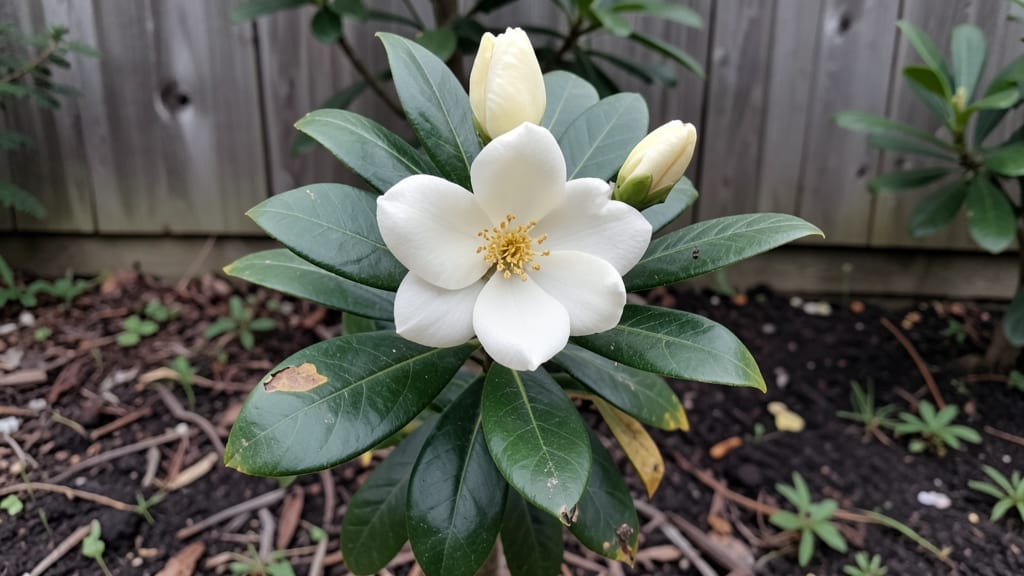
The gardenia flower blooming season in the Pacific Northwest arrives like a whisper of summer—creamy-white blossoms heavy with perfume that turns any garden into a tropical escape. 🌸 I've learned the hard way that these finicky plants demand patience, but when they finally bloom, they're worth every bit of effort.
Their timing here is all about waiting for that perfect balance of warmth and daylight, which usually means late June through August if you've got the conditions just right.
In our cooler climate, gardenias need a little extra coaxing compared to their tropical cousins. They thrive in full sun but hate scorching heat, so morning light with afternoon shade works best.
Pruning right after their first flush of blooms in spring sets them up for a second, more reliable round of flowers by midsummer. The key is consistency—water deeply but infrequently to keep roots happy without encouraging rot.
When you nail the timing, you'll be rewarded with fragrant perfection that lasts for weeks. The blooms stay fresh longer than most flowers, filling your garden with that intoxicating scent that makes neighbors stop and ask what you're growing.
Even a single plant can transform a shady corner into a fragrant retreat, and with proper care, you might even get a few late-season blooms stretching into September.
This timing works best for outdoor gardenias, but container gardeners can extend the season by bringing potted plants indoors before the first frost. Just be prepared to move them back out when temperatures warm again—these tropical divas need that seasonal shift to trigger their blooming cycle.
The secret to success? Pay attention to your plants' cues and don't rush them.
📚 In This Guide
- What you need
- Instructions
- Tips and common mistakes
- Wrapping up and next steps
What you need
- ● Gardenia plants: 1–3 mature gardenia plants (Gardenia jasminoides) – choose hardy varieties like 'Kleim’s Hardy' or 'Radicans' for PNW resilience.
- ● Size: 1–3 gallon containers for young plants; 5+ gallon pots for established ones.
- ● Well-draining potting mix: 50% peat moss or coconut coir (for moisture retention).
- ● 30% perlite or pumice (for aeration).
- ● 20% compost or worm castings (for nutrients).
- ● Containers: 1–2 terracotta or ceramic pots (12–18" diameter) with drainage holes.
- ○ Optional: Self-watering pots for low-maintenance care.
- ● Fertilizer: Acid-loving plant fertilizer (e.g., Miracle-Gro Azalea/Camellia or Fish emulsion – 10-10-10 NPK ratio).
- ● Dosage: Apply every 4–6 weeks during growing season (spring–fall).
- ● Mulch: 2–3 inches of pine bark or cypress mulch (retains moisture, mimics acidic forest floor).
- ● Watering tools: Watering can with rose attachment (for gentle, deep watering).
- ● pH test kit (to monitor soil acidity, ideal: 5.0–6.5).
- ● Location: Partial shade (4–6 hours of morning sun; afternoon shade is critical to prevent leaf scorch).
- ● Wind protection: Gardenias are sensitive to cold drafts (use a frost cloth in winter if outdoors).
- ● Climate prep: Winter: Move pots indoors (60–70°F) or bury in ground with mulch for insulation.
- ● Summer: Ensure consistent moisture (drought stress = fewer blooms!).
- ● Patience: Gardenias thrive in 2–3 years to reach peak blooming potential!
- ● Humidity tray (pebbles + water) to boost blooming in dry PNW summers.
- ● Pruning shears (sterilized with rubbing alcohol) for shaping after blooming.
- ● Floral food (e.g., Bloom Booster) to extend bloom life.
- ● Garden journal to track blooming cycles and adjust care!
Step-by-step guide to timing gardenia blooms in the Pacific Northwest
Here's how to coax those heavenly-scented blooms right on schedule—even in our cooler, wetter climate.
🌱 Step 1: Plant Gardenias in the Right Season for PNW Success
Gardenias thrive when planted in early spring, just as soil temperatures creep up to 60°F. In the Pacific Northwest, that means late April to early May when frost risk has passed. I always wait until after the last frost date in my zone—skipping this can stunt root growth and delay blooms for years.
Choose a location with morning sun and afternoon shade—gardenias hate hot afternoon sun that dries out their leaves. In the PNW, that often means planting them where they'll get 3-4 hours of morning sun and protection from the harsh late afternoon sun that can scorch their delicate blooms.
☀️ Step 2: Provide Ideal Light and Temperature Conditions
Gardenias need bright, indirect light to bloom well. In the Pacific Northwest, that means positioning them where they get dappled sunlight—think under a high-canopy tree or on the east side of your home. If you're growing them in containers, rotate the pots quarter-turn weekly so they don't lean toward the light.
Temperature is critical—gardenias bloom best when daytime temps stay between 65-75°F. In the PNW, that means summer heat waves can stress them, so I move potted gardenias to a shadier spot during heat spikes above 80°F. If your gardenia isn't blooming, check if it's getting too much shade—too little light is the #1 reason PNW gardenias skip blooms.
💧 Step 3: Water and Fertilize for Continuous Blooms
Keep the soil evenly moist but never soggy—gardenias hate wet feet. In the Pacific Northwest's rainy climate, that means watering deeply 2-3 times per week during dry spells and reducing watering in winter when rains take over. You'll know it's time to water when the top 1-2 inches of soil feel dry to the touch.
Feed your gardenia with acid-loving fertilizer every 4-6 weeks during the growing season (spring through summer). I use a balanced 10-10-10 fertilizer mixed with a bit of Epsom salt (1 tablespoon per gallon of water) to boost magnesium—this is the secret to prolonged blooming. Stop fertilizing in late fall to let the plant rest.
✂️ Step 4: Prune and Care for Year-Round Health
Prune gardenias right after they finish blooming in late summer. Cut back overgrown branches to maintain shape and encourage bushier growth. I never cut more than 1/3 of the plant at once—this keeps it from getting stressed. Remove any dead, yellowing, or diseased leaves immediately to prevent fungal issues that thrive in our damp climate.
In the Pacific Northwest, gardenias often go semi-dormant in winter. Reduce watering to once every 2 weeks and stop fertilizing entirely. Mulch around the base with 2-3 inches of organic mulch (like pine bark) to protect roots from freezing temps and retain moisture. This winter care is what ensures strong, vibrant blooms the following spring.
⏰ Step 5: Time Blooms with Strategic Care
Gardenias typically bloom in late spring to early summer, but in the Pacific Northwest, they often start 2-3 weeks later than in warmer climates—usually June to July. To encourage earlier blooms, I start gradual fertilizing in early April and ensure they get consistent moisture without soggy soil.
Watch for buds forming in late spring—these are your signal that everything is working. If you see buds but no flowers, it might be too much shade or not enough fertilizer. Gardenias are sensitive plants, but with the right care, they'll reward you with fragrant, creamy-white blooms that last for weeks.
Tips & tricks for perfect gardenia blooming in the Pacific Northwest
These insider secrets will help you coax those fragrant gardenia blooms right on schedule—even in our tricky PNW climate.
Timing is Everything: The late April to early May planting window is non-negotiable for PNW gardenias. I check my local frost date online and mark the calendar—planting too early risks frost damage, while waiting too long means missed bloom opportunities. For container gardenias, bring them indoors before the first frost if you live in colder PNW zones like Seattle or Portland.
Light Strategy for Maximum Blooms: Gardenias need that delicate balance of 3-4 hours of morning sun to trigger blooming. I scout locations in my yard by observing which spots get morning light but stay shaded by early afternoon. A simple trick: Place a white sheet on the ground where you're considering planting—if it stays mostly dry by midday, that spot has the right light conditions.
Heat Management Secret: When daytime temperatures creep above 80°F—which happens more frequently with our summer heat waves—move potted gardenias to shadier spots immediately. I've seen gardenias completely drop buds when stressed by heat. For in-ground plants, consider installing temporary shade cloth (30-50% shade) during heat spikes to protect those delicate blooms.
Fertilizing Hack: The magic happens with that 1 tablespoon of Epsom salt per gallon of water mixed with your fertilizer. I apply this every 6 weeks during growing season, but here's the pro move: I split the dose into two applications—half in spring and half in early summer. This prevents fertilizer burn while ensuring consistent magnesium levels for those show-stopping blooms.
Pro Tips for Gardenia Flower Blooming Season
- These insider secrets will help you coax those fragrant gardenia blooms right on schedule—even in our tricky PNW climate.
- Timing is Everything: The late April to early May planting window is non-negotiable for PNW gardenias.
- Light Strategy for Maximum Blooms: Gardenias need that delicate balance of 3-4 hours of morning sun to trigger blooming.
Frequently asked questions
Got questions about timing, care, or maximizing your gardenia’s blooms? Here are answers to the most common queries—so you can enjoy that intoxicating fragrance all season long!
When do gardenias bloom in the Pacific Northwest?
In the PNW, gardenias typically bloom from mid-spring to early fall (May through September), with peak fragrance in summer. Coastal areas may see earlier blooms (April–October) due to milder temperatures. Choose varieties like Gardenia jasminoides for reliable timing.
Why isn’t my gardenia blooming?
Common culprits include over-fertilizing (too much nitrogen = leaves, not flowers!), insufficient sunlight (6+ hours of light), or stress from temperature swings. Ensure well-draining soil, consistent moisture, and a balanced bloom-boosting fertilizer (low nitrogen, high phosphorus/potassium) in early spring.
Can gardenias handle PNW rain?
Yes! Gardenias thrive in the PNW’s humidity and rain, but avoid soggy soil—plant in raised beds or amend clay soil with compost. Mulch around the base to protect roots. Pro tip: Prune after blooming to encourage new growth and prevent fungal issues from wet foliage.
What’s the best way to extend the blooming season?
Deadhead spent blooms regularly to encourage reblooming. In cooler PNW winters, wrap young plants in burlap or use frost cloth. For container gardenias, move them to a sheltered spot before hard frosts. Bonus: A late-summer trim can stimulate a second flush of flowers!
Are there gardenia alternatives for less fragrant (but equally pretty) blooms?
If you love gardenias’ look but want lower-maintenance options, try:
- Jasmine (Trachelospermum jasminoides) – Fragrant but hardier.
- Camellias (Camellia japonica) – Winter-blooming and PNW-friendly.
- Plumeria (Frangipani) – Tropical vibes with minimal care.
Wrapping up and next steps
Now that you know the ideal timing for gardenia blooms in the Pacific Northwest—typically spring to early summer—you’re ready to embrace the magic of these fragrant beauties! Whether you’re a seasoned gardener or just starting, the key is patience and the right care. 🌸
Ready to transform your garden? Start by selecting the perfect spot, nurturing your gardenias with love, and watching as they reward you with intoxicating blooms. Next up: Plan your planting schedule or explore companion plants to create a fragrant paradise!