
Flowers
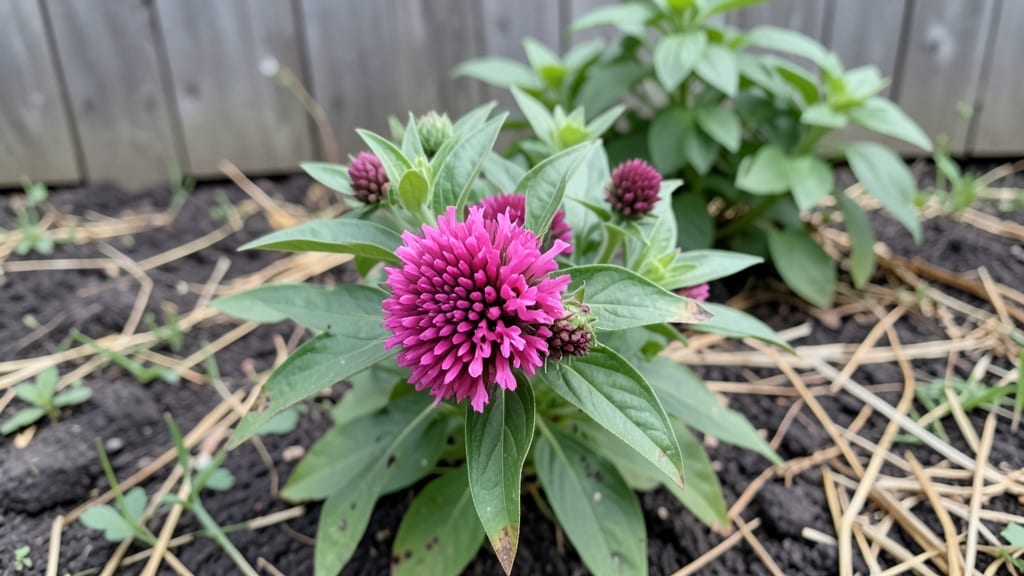
Caring for gomphrena—those bold, papery blooms that last forever—isn’t just about survival, it’s about thriving in the kind of heat that wilts most flowers before they even open. 🌿 I learned the hard way that gomphrena’s secret isn’t in coddling it, but in letting it be stubbornly independent.
This plant doesn’t just tolerate drought; it begs for it, and the more you water, the faster the blooms fade. That first summer I overwatered, my gomphrena looked like it had been sunburned by noon.
The magic lies in three simple rules: full sun (at least 6-8 hours daily), well-draining soil (sandy or loamy mixes work best), and water only when the top inch of soil feels bone-dry.
Most gardeners kill gomphrena by treating it like a thirsty petunia—don’t. Once you stop drowning it, you’ll see those vibrant pink, purple, and white pom-poms popping up like clockwork, even in 100-degree heat.
The flowers stay fresh for weeks when cut, too, making them a gardener’s secret weapon for long-lasting bouquets.
Pruning is where gomphrena rewards patience. Pinch back leggy stems in early spring to encourage bushier growth, and deadhead spent blooms to coax more flowers—though honestly, they’ll keep blooming if you ignore them entirely. Pests? Rarely a problem unless you’re growing them near aphid-loving plants.
The real trick is letting them go wild—the more you fuss, the less they perform. By midsummer, your gomphrena will look like it’s been professionally landscaped, all while you’re sipping lemonade in the shade.
Seasonal care is almost nonexistent: gomphrena handles frost down to 25°F if planted in fall, and self-seeds like crazy, so you’ll have volunteers popping up next year without lifting a finger. The only real trouble is powdery mildew if humidity spikes—just space plants 12-18 inches apart and improve airflow.
For container growers, use fast-draining mixes with perlite, and you’ll get the same heat-proof results. Once you master gomphrena, you’ll never buy cut flowers again—they last longer than roses, with half the fuss.
📚 In This Guide
- What you need
- Instructions
- Tips and common mistakes
- Wrapping up and next steps
What you need
- ● Gomphrena plants: Seeds or nursery-grown seedlings (choose from varieties like Gomphrena globosa or Gomphrena haageana for bold colors).
- ● Well-draining potting mix: 1 bag (5-10 gallons) of cactus/succulent mix or regular potting soil amended with 20-30% perlite or coarse sand.
- ● Containers or garden bed: For pots: 6–12-inch diameter containers with drainage holes (1 per plant).
- ● For garden beds: Full sun exposure (6+ hours/day) and loose, sandy soil.
- ● Watering can or hose: With a gentle spray nozzle for hydration.
- ● Fertilizer: Balanced, water-soluble fertilizer (e.g., 10-10-10 or 20-20-20) or slow-release granules.
- ● Pruning shears: Sharp, sterilized shears for deadheading or shaping.
- ● Mulch: Lightweight mulch (e.g., gravel or straw) to retain moisture and suppress weeds.
- ● Grow lights: If growing indoors, a full-spectrum LED grow light (12–16 hours/day).
- ● Soil moisture meter: To avoid overwatering—critical for drought-resistant plants!
- ● Compost or worm castings: For extra nutrients (mix 10% into soil).
- ● Pest control: Neem oil or insecticidal soap (for aphids or spider mites).
How to maintain gomphrena's bold colors in any climate
This heat-loving annual rewards patience with vibrant blooms that last all summer. Here's how I keep mine thriving with minimal fuss.
🌱 Step 1: Plant in Well-Draining Soil with Full Sun Exposure
Gomphrena demands 6+ hours of direct sunlight daily—no compromise here. I plant mine in well-draining soil mixed with a 20% perlite or sand amendment to prevent root rot. The flowers' papery texture thrives when roots aren't waterlogged. Press plants 12-18 inches apart to allow airflow; crowding invites fungal issues.
Here's the thing—this plant hates soggy feet. If your garden soil drains poorly, create mounds 6-8 inches high to elevate roots. You'll see the difference immediately: plants on raised beds stay upright while those in low spots flop over by mid-summer.
☀️ Step 2: Water Deeply but Infrequently
Gomphrena's drought tolerance is legendary, but that doesn't mean neglect. Water deeply once a week during establishment, then every 7-10 days once mature. The secret is thorough saturation—soak until water runs out the bottom of the pot or 6 inches deep in garden beds. This encourages deep root growth that handles dry spells.
Check moisture by sticking your finger 2 inches into the soil. If it feels dry, water; if damp, wait. Overwatering causes the stems to weaken and flowers to drop prematurely. I've seen gomphrena survive 30-day droughts with no irrigation—just don't test this with newly planted specimens.
✂️ Step 3: Deadhead Regularly for Continuous Bloom
Pinch off spent blooms weekly using your thumb and forefinger—no shears needed. This triggers new flower production and prevents the plant from putting energy into seed development. I make it a habit to deadhead in the morning when flowers are still crisp; the papery bracts stay intact longer this way.
Watch for the first signs of wilting on individual blooms—that's your cue to remove them. The plant will reward you with fresh 1-inch pom-pom flowers within 7-10 days of deadheading. For maximum impact, harvest flowers in the cool morning hours when stems are hydrated.
🪴 Step 4: Fertilize Lightly for Vibrant Colors
Use a balanced 10-10-10 fertilizer at half-strength every 4-6 weeks starting when plants reach 6 inches tall. Gomphrena responds poorly to heavy feeding—too much nitrogen produces lush foliage at the expense of flowers. I swear by a fish emulsion tea diluted to 10% strength for that extra pop of color.
Apply fertilizer in the early morning when temperatures are cool. This prevents leaf burn from salt buildup. You'll notice the difference in 2-3 weeks: deeper pinks, purples, and whites that stand out against the foliage. Stop fertilizing 6 weeks before first frost to harden off plants for fall.
⏰ Step 5: Prepare for Fall and Overwintering
Gomphrena is an annual, but you can extend its life by cutting back 2/3 of the plant height when flowers fade in fall. The remaining stems will produce new growth that may rebloom if temperatures stay above 50°F. Bring potted plants indoors to a sunny window or under grow lights for winter enjoyment.
For garden plants, cut back to 2 inches above ground level and mulch with 2-3 inches of straw. Some varieties, like 'Globe' series, may resprout from the base next spring if protected from hard freezes. I've had gomphrena survive Zone 7 winters with this method—just don't expect the same vigor as fresh spring plantings.
Tips & tricks for perfect gomphrena care
These simple yet game-changing tips will help you keep your gomphrena's vibrant colors popping all season long.
The Sunlight Secret: While gomphrena thrives in full sun, I've found that morning sunlight (before 10 AM) is particularly beneficial. The cooler temperatures prevent leaf scorch while still providing that critical 6+ hours of direct exposure. If you notice leaves turning yellow in afternoon heat, provide light afternoon shade during peak summer months—this preserves that signature papery texture.
Watering Wisdom: The 2-inch soil moisture check is your best friend, but here's what I do differently: I water in the early morning so the foliage has all day to dry, reducing fungal risks. For container plants, I let them get completely dry between waterings—this mimics their natural drought-resistant tendencies. Just be patient during establishment; those first few weeks of weekly watering pay off with stronger root systems that handle dry spells like pros.
Deadheading Technique: When you're pinching off those spent blooms weekly, focus on removing the entire flower head down to the first set of leaves. This prevents the plant from putting energy into seed production and encourages more vibrant new blooms. I've noticed that deadheading in the morning keeps the papery bracts looking fresh longer—those dried flowers make fantastic long-lasting bouquets too!
Fertilizer Timing: The 4-6 week schedule works well, but I've found that applying fertilizer right after a good rain or thorough watering helps prevent salt buildup. For that extra pop of color, I switch to a low-nitrogen, high-phosphorus fertilizer (like 5-10-10) during peak flowering season. And remember—those 2-3 weeks until you see results are worth the wait for those deeper hues!
Pro Tips for Gomphrena Flower Care
- These simple yet game-changing tips will help you keep your gomphrena's vibrant colors popping all season long.
- The Sunlight Secret: While gomphrena thrives in full sun, I've found that morning sunlight (before 10 AM) is particularly beneficial.
- Watering Wisdom: The 2-inch soil moisture check is your best friend, but here's what I do differently: I water in the early morning so the foliage has all day to dry, reducing fungal risks.
Frequently asked questions
Got questions about keeping your gomphrena blooming bright and healthy?
Here are answers to the most common queries from gardeners—whether you're a beginner or a seasoned pro!
How often should I water gomphrena flowers?
Gomphrena is a drought-tolerant beauty, so water it only when the top 1-2 inches of soil feel dry. Overwatering can lead to root rot—aim for once a week in hot climates or less in cooler weather. Pro tip: Let the soil dry out between waterings to mimic its natural habitat!
When is the best time to plant gomphrena?
Plant gomphrena after the last frost when soil temperatures reach at least 50°F (10°C). It thrives in warm weather, so spring or early summer is ideal. If you’re in a hot climate, you can even sow seeds directly in the ground in late winter for early blooms!
Can gomphrena grow in containers or hanging baskets?
Gomphrena adapts well to containers as long as the pot has drainage holes and is at least 6 inches deep. Use a lightweight potting mix and place it in full sun. Hanging baskets work too—just ensure they get enough airflow to prevent fungal issues. Bonus: Mix it with succulents for a low-maintenance combo!
Why are my gomphrena leaves turning yellow or wilting?
Yellowing leaves often signal overwatering or poor drainage. Wilting can mean underwatering or heat stress. Check soil moisture, ensure pots aren’t waterlogged, and trim damaged foliage. If pests like aphids are present, spray with neem oil or insecticidal soap. Fix: Move plants to partial shade temporarily if heat is the culprit!
How do I keep gomphrena blooming all season?
Deadhead spent blooms regularly to encourage new flowers. Use a balanced fertilizer (like 10-10-10) every 4-6 weeks during the growing season. Prune leggy stems to promote bushier growth. Hot tip: Gomphrena self-seeds easily—save seeds from mature flowers for next year’s garden!
Wrapping up and next steps
Caring for gomphrena flowers is a breeze—especially when you embrace their love for heat and low-maintenance charm!
With the right balance of sunlight, well-draining soil, and minimal watering, these vibrant blooms will reward you with months of color and resilience. 🌸 Whether you’re a seasoned gardener or just starting, gomphrena proves that beauty thrives even in tough conditions.
Now that you’re armed with expert tips, roll up your sleeves and plant your first gomphrena—or share your newfound knowledge with fellow plant lovers! 🌱 Ready to turn your garden (or balcony) into a drought-proof paradise?