
Flowers
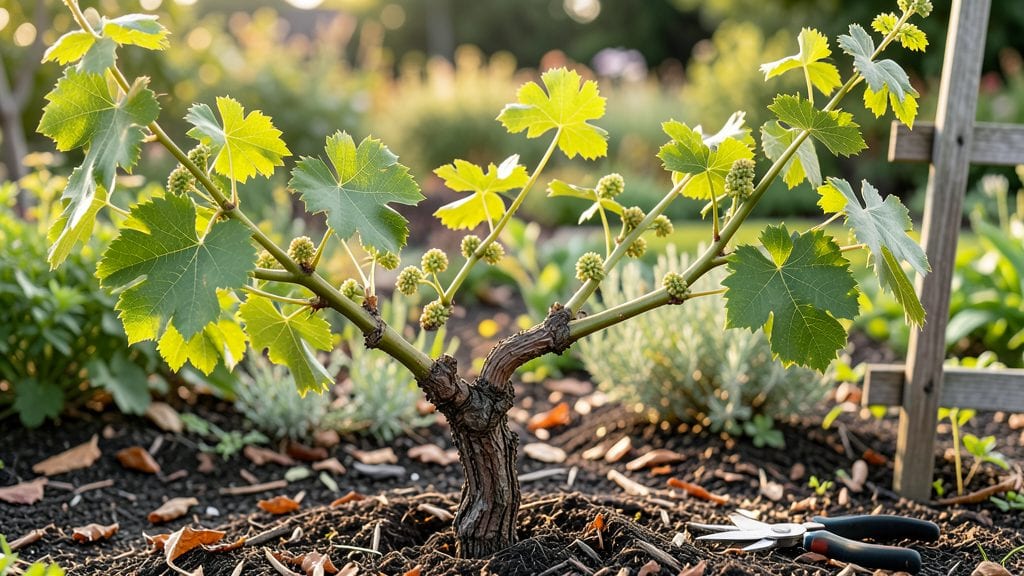
Those tiny grape flower buds are where your Pacific Northwest harvest begins. ✨ I’ve watched them transform from fuzzy green specks into clusters of blooms that feed hungry bees—and eventually, juicy grapes—over the past five years in my own backyard.
Here’s the thing—cold-hardy vines like Concord or Thompson Seedless thrive in our climate, but only if you prune correctly, protect buds from late frosts, and give them the right balance of sun and water.
My first attempt ended with half my buds dying from winter chill, but now I’ve got a system that works.
By spring, you’ll see buds swelling into delicate blossoms, then heavy clusters of fruit. The key is timing: prune in late winter, watch for frost warnings, and feed the soil with compost. Even my black thumb can’t kill these vines once you get the rhythm right.
Whether you’re growing for fruit or just love the ornamental vines, this guide covers everything from identifying healthy buds to troubleshooting common failures. Let’s get those vines producing!
📚 In This Guide
- What you need
- Instructions
- Tips and common mistakes
- Wrapping up and next steps
What you need
- ● Grape flower buds/vines: Cold-hardy varieties (e.g., Vitis labrusca or Vitis vinifera hybrids like 'Concord' or 'Chambourcin') – 1-3 plants (depending on space).
- ● Bare-root plants (fall planting) or potted vines (spring planting).
- ● Soil amendments: Compost (5-10 lbs per planting hole) for nutrient-rich soil.
- ● Well-draining potting mix (if container-growing).
- ● Fertilizer: Balanced 10-10-10 fertilizer (1 cup per plant at planting time).
- ● Slow-release organic fertilizer (e.g., fish emulsion or worm castings) for ongoing growth.
- ● Gardening tools: Trowel or shovel for digging.
- ● Pruning shears (sterilized with rubbing alcohol).
- ● Grafting knife (if propagating from cuttings).
- ● Support structures: Trellis, arbor, or sturdy stakes (4-6 ft tall) for vertical growth.
- ● Twine or soft garden ties (to secure vines).
- ● Mulch: Straw or wood chips (2-3 inches thick) to retain moisture and suppress weeds.
- ● Drip irrigation or hose (for consistent watering).
- ● Climate: USDA Zones 4-9 (Pacific Northwest is ideal!).
- ● Sunlight: Full sun (6+ hours/day) for optimal flowering.
- ● Soil pH: 6.0-7.0 (test with a soil kit if unsure).
- ● Spacing: 8-10 ft apart for vineyards.
- ● 3-5 ft for container-growing.
- ● Timing: Bare-root planting: Late fall or early spring (before buds swell).
- ● Potted vines: Early spring (after last frost).
- ● Soil moisture meter (to monitor watering needs).
- ● Fungicide (e.g., copper spray) for disease prevention.
- ● Frost cloth (for young vines in late spring).
- ● Pollinator-friendly plants (e.g., lavender or bee balm) to attract beneficial insects.
Step-by-Step guide to cultivating grape flower buds in the Pacific Northwest
Here's how to coax vibrant grape flower buds from cold-hardy vines—even in our rainy, cool climate.
🌱 Step 1: Select the Right Grape Variety for Your Region
For the Pacific Northwest's USDA Zones 7-9, choose cold-hardy varieties like Concord, Thompson Seedless, or Marquette—these thrive in our chilly springs and damp summers. Avoid heat-loving types like Flame Seedless unless you have a microclimate with protected, south-facing exposure. Nurseries often carry bare-root vines in early spring, but you can also order certified disease-free plants from specialty suppliers.
Look for 1-2 year old vines with multiple dormant buds along the canes. These buds are your future flowers and fruit. I always inspect the roots for signs of rot or pests—healthy roots should be firm and moist, not mushy or discolored. Planting diseased stock guarantees poor bud development later.
☀️ Step 2: Prepare the Planting Site for Maximum Bud Development
Grapes need full sun (6-8 hours daily) and well-draining soil to encourage strong bud growth. In the PNW, this often means amending native clay with 3-4 inches of compost and 1-2 inches of coarse sand to improve drainage. Test your soil pH—grapes prefer 6.0-6.5. If yours runs acidic, add pelletized lime at planting time.
Dig a hole twice as wide as the vine's root ball but only as deep as the roots themselves. Grapes hate having their roots buried too deep—this can rot them before buds even wake up. Place the vine so the topmost bud sits 2-3 inches above soil level. This ensures future canes emerge from the correct height for trellising.
💧 Step 3: Plant and Water for Strong Bud Formation
Backfill the hole with native soil mixed with 1 cup of 10-10-10 fertilizer per vine. Water deeply to settle the roots, then create a 6-inch wide basin around the base to direct future watering. Grapes need 1-1.5 inches of water weekly during bud development (spring through early summer), but never let them sit in soggy soil—this causes bud rot.
After planting, install a 4-6 foot tall trellis immediately. Grapes grow aggressively, and without support, canes flop and buds don't receive enough sunlight. I use T-posts with galvanized wire for durability in our windy summers. Train the main vine to the trellis as it grows—this encourages horizontal canes where flower buds form most abundantly.
✂️ Step 4: Prune Strategically to Encourage Flower Buds
Pruning is where the magic happens for grape flower buds. In late winter (February-March), cut back last year's canes to 4-6 buds per arm, leaving 2-3 mature canes per vine. Remove any weak, thin, or diseased wood—these won't produce strong buds. I always make cuts at 45-degree angles just above a bud, using clean, sharp pruners to prevent tearing.
Here's the key: flower buds form on last year's growth, so preserve 1-2 year old canes while removing all new, pencil-thick shoots (these are fruitless). After pruning, apply dormant oil spray to kill overwintering pests that might damage emerging buds. In spring, watch for swollen buds—these will open into flowers by late May to June in our climate.
🌿 Step 5: Maintain Through the Season for Repeat Blooms
Once buds appear, reduce nitrogen fertilizer—too much leafy growth at the expense of flowers. Switch to a low-nitrogen, high-phosphorus formula (5-10-10) to encourage blooming. Thin fruit clusters to 1-2 inches apart when they're pea-sized—this ensures remaining buds develop into larger, healthier grapes. In the PNW, late frosts can damage early blooms, so have frost cloth ready for nights below 32°F.
Throughout summer, keep the trellis clean of weeds—they compete with vines for water and nutrients. Mulch with 3 inches of wood chips to retain moisture and regulate soil temperature. By late summer, you'll see new canes with next year's buds forming. These are your future harvest—prune them back in winter to repeat the cycle.
Tips & tricks for perfect grape flower bud development
Here's what nobody tells you about coaxing those vibrant grape flower buds in our rainy PNW climate.
Variety Matters: When selecting vines in Step 1, look for 1-2 year old plants with plump, firm buds along the canes. These are your future flowers! I've learned the hard way that thinner, shriveled buds rarely develop properly. Also, check for disease-free certification—especially important in our damp climate where fungal issues can devastate bud formation.
Soil Prep Secrets: In Step 2, don't just amend your soil—test it first. Our native clay often needs more than just compost and sand. I've had success adding 1 part perlite to every 3 parts compost for even better drainage. The goal is 60% air space in your amended soil—this prevents those dreaded waterlogged roots that kill buds before they even swell.
Pruning Precision: During Step 4's late winter pruning, here's a trick: count buds from the base of each cane. The first 4-6 buds are your gold—these will produce the most vigorous growth and flower buds. Any buds beyond that tend to produce weak, fruitless shoots. I always mark my cuts with a pencil before making them to ensure clean, precise angles.
Frost Protection: When buds appear in Step 5, don't wait until the last minute for frost protection. Set up your frost cloth the moment nighttime temps drop below 40°F—even if forecasts show warming days. I've seen 32°F frosts wipe out entire seasons of buds in just a few hours. Consider installing a small fan near the vines to gently circulate air—this can raise temperatures by 2-3°F and make all the difference.
Pro Tips for Grape Flower Buds
- Here's what nobody tells you about coaxing those vibrant grape flower buds in our rainy PNW climate.
- Variety Matters: When selecting vines in Step 1, look for 1-2 year old plants with plump, firm buds along the canes.
- Soil Prep Secrets: In Step 2, don't just amend your soil—test it first.
Frequently asked questions
Got questions about growing grape flower buds in your Pacific Northwest garden?
You’re not alone! Here are answers to the most common queries to help you cultivate thriving vines with ease.
When is the best time to plant grape flower buds in the PNW?
Plant grape flower buds in early spring (March–April) or late fall (October–November) when soil is workable but not frozen. The PNW’s mild winters make fall planting ideal—just ensure buds are dormant and soil temps are above 40°F (4°C). Avoid planting during frost or extreme heat for best survival rates.
How do I know if my grape flower buds are healthy before planting?
Healthy buds should be firm, plump, and free of mold or shriveled tissue. Look for light brown or greenish hues (not black or mushy). Test by gently squeezing—if it feels soft or leaks sap, it may be damaged. Store buds in a cool, dry place (35–40°F / 2–4°C) until planting day.
Why aren’t my grape flower buds sprouting after planting?
Bud dormancy can last 4–8 weeks in cool PNW climates. If no growth appears after 8 weeks, check for:
- Frost damage: Buds may have frozen—plant deeper next time.
- Inconsistent moisture: Keep soil evenly damp (not soggy) until sprouts emerge.
- Pests: Inspect for rodents or insects chewing buds.
Can I grow grape flower buds from store-bought grapes?
No—store-bought grapes are cultivar-specific and often treated to prevent sprouting. For propagation, use dormant buds from a healthy vine (buy from nurseries or graft your own). Alternatively, grow table grapes from seed (though they won’t flower identically). PNW-friendly varieties like Concord or Thompson Seedless are great choices!
What’s the easiest way to troubleshoot failing grape flower buds?
Use this quick checklist:
Issue
Solution
Buds blackened or mushy
Fungal infection—prune affected areas and apply copper fungicide.
No sprouts after 2 months
Check soil temp (50°F+/10°C+) and moisture; re-plant if needed.
Buds chewed or missing
Set traps for rodents/squirrels or use chicken wire barriers.
Wrapping up and next steps
Growing grape flower buds in the Pacific Northwest is not only rewarding but also a fantastic way to add beauty and resilience to your garden.
With the right preparation—whether you’re planting cold-hardy varieties like Vitis vinifera or nurturing your vines through pruning and care—you’ll soon enjoy stunning blooms and delicious fruit. 🌸
Ready to take the next step? Start by selecting your grape variety based on your climate and goals, then dive into planting or pruning this season. Your future harvest (and stunning flowers!) will thank you.