
Size
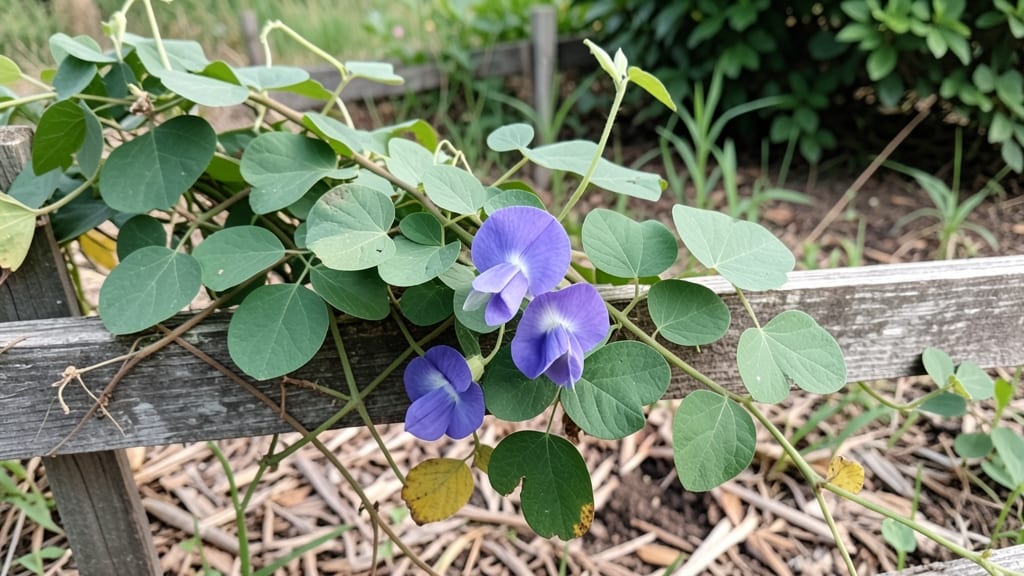
Growing butterfly pea flowers transforms your garden into a dreamy blue-purple paradise with just four simple steps—no green thumb required. 🌿 I planted mine last spring and now they climb my trellis like a watercolor painting come to life, shifting colors with the pH of the soil.
The secret isn't complicated: they thrive in warmth, love well-draining soil, and reward patience with blooms that last all summer.
You'll need just a few basics: a sunny spot (at least 6 hours of sunlight daily), loose soil mixed with compost, and either seeds or cuttings. Seeds take longer to bloom but are cheaper, while cuttings give instant color.
Water consistently but avoid soggy soil—they hate wet feet. In the right conditions, you'll see those signature trumpet-shaped flowers within 8-12 weeks, and they'll keep coming back if you deadhead spent blooms.
The payoff is more than pretty: these flowers change color with acidic or alkaline liquids (try lemon juice or baking soda!), make stunning teas, and attract pollinators like crazy. My neighbors now ask for cuttings every year.
Even in cooler climates, they'll return as perennials in zones 9-11, and in colder areas, treat them as annuals for a seasonal splash of color.
Here's the best part—no fancy tools or expensive soil needed. Just good light, a little patience, and you'll have a garden that looks like a fairy tale. Let's get those seeds in the ground!
📚 In This Guide
- What you need
- Instructions
- Tips and common mistakes
- Wrapping up and next steps
What you need
- ● Seeds: 5–10 butterfly pea flower seeds (organic or non-GMO preferred).
- ● Containers or garden bed: For pots: 6–12" diameter containers (with drainage holes) per plant.
- ● For garden beds: Well-draining soil in a sunny spot (6+ hours of sunlight daily).
- ● Potting mix: 2–3 bags of high-quality, well-draining soil (add perlite or sand for extra aeration).
- ● Watering can or hose: With a gentle spray nozzle for hydration.
- ● Fertilizer: Balanced liquid fertilizer (10-10-10 or 20-20-20) for seedlings.
- ● Low-nitrogen, high-phosphorus fertilizer (e.g., 5-10-10) once flowering starts.
- ○ Support (optional but helpful): Trellis, stakes, or tomato cages (for climbing varieties).
- ● String or twine for tying vines.
- ● Mulch (straw or shredded leaves) to retain moisture.
- ● Pruning shears for shaping and harvesting.
- ● pH test kit to monitor soil acidity.
- ● Grow lights (if starting indoors before last frost).
- ● Compost or worm castings for nutrient boosts.
Step-by-Step instructions for growing butterfly pea flower
Here's how I grow these stunning blue-purple blooms—no green thumb required.
🌱 Step 1: Start Seeds Indoors 8-10 Weeks Before Last Frost
Fill small seedling trays with moistened seed-starting mix, pressing down lightly so the surface is firm but not compacted. Butterfly pea seeds need warmth to germinate, so place the tray on a seedling heat mat set to 75-80°F. Scatter 2-3 seeds per cell, covering them with just ¼ inch of soil—burying them deeper slows germination.
Mist the surface with water until evenly damp, then cover the tray with plastic wrap to retain moisture. Place in indirect light until sprouts appear, which usually takes 10-14 days. Once seedlings emerge, remove the plastic immediately to prevent damping-off. You'll notice the first true leaves appear in 2-3 weeks—that's your cue to move them under bright light.
☀️ Step 2: Provide Bright Light and Gradual Outdoor Acclimation
Butterfly pea seedlings need 6-8 hours of sunlight daily to prevent leggy growth. If using artificial light, position a full-spectrum LED 2-3 inches above the plants and keep them on for 14-16 hours per day. Rotate the tray daily so seedlings grow straight rather than leaning toward the light.
About 2 weeks before transplanting, begin hardening off seedlings by placing them outside in a sheltered spot for 1-2 hours the first day. Gradually increase exposure over 7-10 days, watching for any wilting or leaf drop. Strong seedlings will have deep green leaves and thick stems—these are ready for the garden.
🪴 Step 3: Transplant to Garden or Containers
Choose a location with full sun to partial shade and well-draining soil. Butterfly pea flowers tolerate heat and humidity well, making them perfect for summer gardens. Space plants 12-18 inches apart in the ground or 8-10 inches apart in containers with at least 6-inch deep drainage.
Dig holes slightly larger than the root ball, place seedlings in, and backfill with soil, pressing gently to remove air pockets. Water deeply right after transplanting to settle the soil. Mulch around the base with 1-2 inches of organic mulch to retain moisture and suppress weeds. You'll see new growth within 2-3 weeks—this confirms they've rooted successfully.
💧 Step 4: Maintain With Regular Watering and Deadheading
Water butterfly pea flowers when the top 1-2 inches of soil feel dry, typically 1-2 times per week depending on your climate. These plants thrive in 60-80°F temperatures and can handle brief droughts, but consistent moisture produces the most vibrant blooms. Avoid wetting the foliage when watering to prevent fungal diseases.
Pinch back the tips of young plants to encourage bushier growth. Once flowers appear, deadhead spent blooms regularly to prolong the flowering season. You'll notice flowers changing color from blue to purple depending on the pH of the soil—add a bit of lime for more blue or compost for richer purples. With proper care, these plants bloom continuously from summer through fall.
Tips & tricks for perfect butterfly pea flower growth
Here's what nobody tells you about growing these stunning blooms—tricks that'll make all the difference between ordinary and show-stopping results.
Warmth is Everything: In Step 1, that 75-80°F heat mat temperature is non-negotiable for germination. I've tried using regular room temperature (around 68°F), and germination took twice as long—sometimes seeds never even sprouted! If you don't have a heat mat, place your seed trays on top of your fridge (not inside) for consistent warmth. The goal is to mimic tropical conditions where butterfly pea flowers naturally thrive.
Lighting Strategy: For Step 2, I can't emphasize enough how critical those 14-16 hours of light are. If you're using artificial light, position it 2-3 inches above the seedlings and adjust the height as they grow. I learned this the hard way when my seedlings stretched toward the light like they were reaching for the sky—now I use a small clip-on grow light that I can easily adjust. Rotate your trays daily to prevent leaning, and you'll get sturdy stems ready for transplanting.
Transplanting Hack: When transplanting in Step 3, here's a pro move: water your seedlings thoroughly the day before transplanting. This helps reduce transplant shock by keeping roots hydrated during the move. Also, if you're planting in containers, make sure they have drainage holes—these plants hate soggy roots. I've seen butterfly pea flowers thrive in everything from hanging baskets to large pots, as long as they have room to grow and proper drainage.
Color Control: That pH trick in Step 4 is my favorite! The color-changing property is what makes these flowers so magical. For more vibrant blue blooms, add a sprinkle of lime around the base every few weeks. For deeper purples, work compost into the soil. You can even create a rainbow effect by planting different sections with varying pH levels. The flowers will change color based on the pH of the water you give them too—try adding a splash of lemon juice for instant blue transformation!
Pro Tips for Grow Butterfly Pea Flower
- Here's what nobody tells you about growing these stunning blooms—tricks that'll make all the difference between ordinary and show-stopping results.
- Warmth is Everything: In Step 1, that 75-80°F heat mat temperature is non-negotiable for germination.
- Lighting Strategy: For Step 2, I can't emphasize enough how critical those 14-16 hours of light are.
Frequently asked questions
Got questions about growing your own butterfly pea flowers? You’re not alone! Here are some of the most common queries—and their easy answers—to help you cultivate these stunning blooms with confidence.
How long does it take for butterfly pea flowers to grow from seed?
Butterfly pea flowers typically take 60–90 days to bloom from seed when grown in warm conditions (65–80°F). If you start seeds indoors 8–10 weeks before the last frost, you’ll see vibrant blooms faster! Patience pays off—these fast growers reward you with color in no time.
Why aren’t my butterfly pea flowers changing color?
The iconic color shift (blue to purple) happens when blooms are harvested and steeped in hot water—it’s not a natural in-plant change. For vibrant blooms, ensure your plant gets full sun (6+ hours/day) and consistent moisture. Underwatering or shade can stunt growth, but healthy plants will still produce stunning flowers!
Can butterfly pea flowers grow in containers?
These vining plants thrive in 5–10 gallon containers with drainage holes. Use a lightweight potting mix and provide a trellis or support for their trailing stems. Just keep them near a sunny window or balcony—containers dry out faster, so water regularly!
Are butterfly pea flowers frost-tolerant?
Nope! Butterfly pea flowers are tropical annuals and die in frost. If you live in a cold climate, start seeds indoors in early spring or wait until after the last frost. For year-round growing, treat them as an indoor houseplant with bright light.
What’s a good alternative if butterfly pea flowers don’t thrive?
Try these low-maintenance, colorful alternatives:
- Sweet pea (Lathyrus odoratus) – Fragrant and easy to grow.
- Morning glory (Ipomoea) – Fast-growing vines with bold blooms.
- Nasturtium (Tropaeolum) – Edible, drought-tolerant, and pest-repellent.
Wrapping up and next steps
Growing butterfly pea flowers is a rewarding journey that brings vibrant color and natural beauty to your garden or home. With the right care—sunlight, well-draining soil, and patience—you’ll enjoy their stunning blue-purple blooms and even their edible, tea-friendly leaves.
Whether you’re a seasoned gardener or a beginner, these resilient plants make a fantastic addition to any space!
Now that you’re ready to grow, take the next step—plant your seeds or seedlings today and watch your garden transform! 🌱✨ Happy gardening!