
Propagation
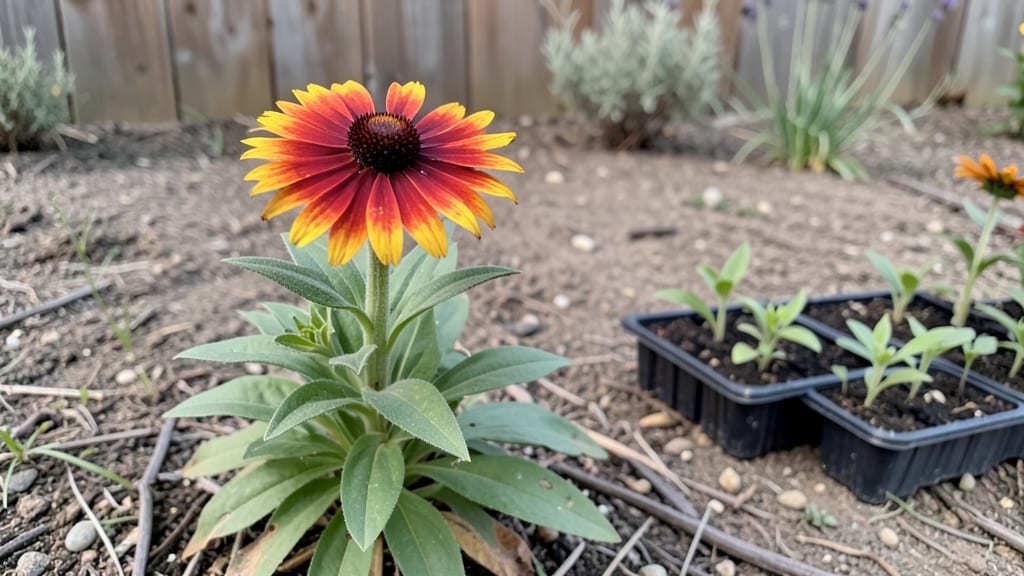
Growing blanket flower from seed is one of those gardening wins that feels like magic—bright red-and-yellow blooms popping up where you barely remember planting. ✨ I’ve started these seeds in both spring and fall, and the key to success lies in patience and the right timing, not some secret gardening trick.
The secret isn’t complicated: blanket flower thrives on neglect almost as much as it does on sunlight. You’ll need a sunny spot (at least 6 hours of direct light daily), well-draining soil, and a light touch with water—too much moisture is the enemy of these tough little seeds.
Start them indoors 6-8 weeks before your last frost if you’re in a cooler zone, or direct-sow in early spring or late summer for a fall display.
By mid-summer, you’ll be rewarded with bold, daisy-like blooms that hummingbirds and bees can’t resist. The plants handle drought like a champ, so once established, they’ll keep flowering even when you forget to water. That’s the beauty of blanket flower—it’s simple, hardy, and impossible to kill once it’s growing.
Fair warning: the seeds can take 10-20 days to germinate, and they’re notorious for being slow starters. If you’re impatient (like I was my first year), mix in a bit of compost or use a heat mat to speed things along.
But trust the process—these flowers make the wait worth it.
📚 In This Guide
- What you need
- Instructions
- Tips and common mistakes
- Wrapping up and next steps
What you need
- ● Blanket Flower Seeds – 10-20 seeds (check seed packets for variety-specific needs).
- ● Seed Starting Mix – 1-2 quarts of lightweight, well-draining potting soil (or a mix of 50% peat moss and 50% perlite).
- ● Containers – Small seed trays, pots, or even recycled egg cartons (with drainage holes!).
- ● Grow Lights or Sunny Windowsill – A sunny spot (6+ hours of light daily) or a grow light for indoor starts.
- ● Spray Bottle – For gentle watering (avoid over-saturating seeds!).
- ○ Plastic Wrap or Dome – Optional, to create a mini greenhouse effect for humidity.
- ● Fertilizer – A balanced, water-soluble fertilizer (5-10-5 ratio) for transplanting.
- ● Temperature – Seeds germinate best at 65–75°F (18–24°C). Use a heat mat if needed.
- ● Moisture – Keep soil consistently moist but not soggy until germination (usually 7–14 days).
- ● Patience – Blanket Flowers are slow starters but reward you with bold, long-lasting blooms!
- ● Seedling labels or toothpicks to mark varieties.
- ● Organic mulch (like straw) for outdoor planting.
- ● Compost or worm castings to boost soil health.
- ● Tweezers for delicate seed handling.
Step-by-Step instructions for growing blanket flower from seed
Here's the straightforward method I've used to grow vibrant blanket flower patches—no fuss, just bold blooms.
🌱 Step 1: Prepare Seed Trays and Planting Medium
Fill your 4-inch seed trays with a lightweight seed-starting mix designed for annuals. Blanket flower seeds need excellent drainage, so mix in 20% perlite or coarse sand to prevent rot. Moisten the mix until it's damp but not soggy—think of a wrung-out sponge. Tap the trays gently to settle the soil evenly, leaving about ½ inch of space at the top.
I like to press the soil surface lightly with my fingers to create a firm base for the tiny seeds. This prevents them from sinking too deep during watering. Place the trays in a warm spot—70-75°F is ideal for germination. If your home runs cooler, a seedling heat mat will speed things up significantly.
🌱 Step 2: Sow Seeds and Maintain Ideal Conditions
Scatter the blanket flower seeds ¼ inch deep across the soil surface—don't cover them, as they need light to germinate. I use a toothpick to create shallow furrows in a grid pattern, then drop seeds into each line for easier thinning later. Space seeds about ½ inch apart to avoid overcrowding.
After sowing, mist the surface gently with water until the soil is uniformly moist. Place a clear plastic dome or wrap a plastic bag loosely over the tray to retain humidity. Keep the tray in bright, indirect light—direct sun can overheat the seeds. Germination typically takes 10-21 days, but stay patient; cooler temperatures may extend this period.
☀️ Step 3: Transplant and Establish Outdoor Plants
Once seedlings develop 2-3 sets of true leaves (the first pair are cotyledons, not true leaves), they're ready for transplanting. Harden them off gradually by moving them outdoors for 1-2 hours daily over 5-7 days, increasing exposure time each day. Choose a spot with full sun—blanket flower thrives in 6+ hours of direct sunlight daily.
Transplant seedlings 12-18 inches apart in well-draining soil amended with compost. Water deeply after planting to settle the soil and encourage root growth. Mulch around the base with 1-2 inches of organic mulch to retain moisture and suppress weeds. You'll see vibrant blooms by mid-summer if you've provided consistent moisture and sunlight.
🌿 Step 4: Maintain for Continuous Blooms
Water blanket flower 1-2 times weekly, allowing the top 1-2 inches of soil to dry between waterings. Overwatering leads to root rot, while underwatering causes buds to drop. Deadhead spent blooms by pinching off faded flowers—this encourages more blooms and prevents self-seeding where you don't want it.
Fertilize lightly every 4-6 weeks during the growing season with a balanced, water-soluble fertilizer (10-10-10 or similar). Too much fertilizer results in lush foliage but fewer blooms. Watch for powdery mildew in humid conditions; improve air circulation and avoid overhead watering to prevent this common issue.
Tips & tricks for perfect blanket flower growth
Here's what I've learned to help you grow blanket flowers that burst with color—without the guesswork.
Soil Mix Matters: The 20% perlite or coarse sand in Step 1 is non-negotiable for blanket flower seeds. I've seen seeds rot when planted in regular potting mix because they need that extra drainage. If you don't have perlite, crushed gravel works too—just ensure it's coarse enough to prevent compaction. The goal is to mimic their native dry conditions, which prevents that dreaded damping-off fungus.
Germination Temperature Secret: That 70-75°F range in Step 1 is critical—any cooler and germination slows dramatically. I keep my trays on top of my fridge during winter months to maintain consistent warmth. A seedling heat mat is worth the investment if your home runs cold; it can cut germination time by nearly half. Remember, cooler temps don't just slow growth—they can cause uneven sprouting.
Lighting Strategy: The bright, indirect light requirement in Step 2 is often misunderstood. I place my trays near an east-facing window where they get gentle morning sun but avoid harsh afternoon rays. If using grow lights, keep them 2-3 inches above the seedlings and provide 12-14 hours of light daily. Too little light leads to leggy, weak seedlings that struggle when transplanted.
Transplanting Timing: Waiting for 2-3 sets of true leaves (not cotyledons!) before transplanting in Step 3 is crucial. I check by gently pulling on the seedlings—if they come up easily, they're ready. The gradual hardening off over 5-7 days prevents transplant shock. Pro tip: I transplant on a cloudy day to reduce stress on the delicate seedlings. Also, water deeply before transplanting to help roots establish faster in their new home.
Pro Tips for Growing Blanket Flower From Seed
- Here's what I've learned to help you grow blanket flowers that burst with color—without the guesswork.
- Soil Mix Matters: The 20% perlite or coarse sand in Step 1 is non-negotiable for blanket flower seeds.
- Germination Temperature Secret: That 70-75°F range in Step 1 is critical—any cooler and germination slows dramatically.
Frequently asked questions
Got questions about growing Gaillardia (blanket flower) from seed? You’re not alone! Here are answers to the most common queries to help you cultivate vibrant blooms with confidence.
How long does it take for blanket flower seeds to germinate?
Blanket flower seeds typically germinate in 10–21 days when kept in warm, moist soil (around 70–80°F). For faster results, pre-soak seeds overnight or use a heat mat. Patience is key—some seeds may take longer, especially in cooler conditions. Pro tip: Keep soil consistently moist but not soggy!
Can I grow blanket flowers indoors before transplanting outdoors?
Yes! Start seeds 6–8 weeks before your last frost in biodegradable pots or trays with well-draining soil. Place them in a sunny window or under grow lights (12–16 hours/day). Harden off seedlings for 7–10 days before transplanting to avoid shock. Bonus: This method boosts survival rates in cooler climates!
Why aren’t my blanket flower seeds sprouting?
Common culprits include cold soil (seeds need warmth), dampness (prevents oxygen flow), or old seeds (viability drops after 1–2 years). Try these fixes:
- Use a seed heating mat for consistent warmth.
- Press seeds lightly into soil—don’t bury them deep.
- Test seed viability by floating them in water (sinkers are good; floaters may be dead).
Do blanket flowers self-seed aggressively?
Blanket flowers do self-seed, but they’re not invasive like some wildflowers. To manage them:
- Deadhead spent blooms to reduce unwanted seedlings.
- Leave some seed heads for natural propagation (they’re drought-tolerant!).
- Pull volunteers in spring if they’re crowding other plants.
Fun fact: Their self-seeding habit means you’ll get free blooms for years!
What’s the best companion plant for blanket flowers?
Blanket flowers thrive with drought-tolerant companions like:
- Lavender (repels pests naturally).
- Salvia (matches their heat-loving habits).
- Black-eyed Susans (complements their bold colors).
- Yarrow (attracts pollinators).
Avoid planting near mint or fennel—they can stunt growth. Pro tip: Group them in full sun (6+ hours/day) for the most vibrant blooms!
Wrapping up and next steps
Growing blanket flower from seed is a rewarding journey that brings vibrant color to your garden with minimal effort! 🌸 With the right soil, sunlight, and patience, you’ll soon enjoy clusters of bold blooms that attract butterflies and add a pop of cheer.
Ready to take the next step? Plant your seeds today and watch your garden transform—your future blanket flowers are just a few weeks away!
Pro tip: 💡 Snap a photo of your progress to track growth and share your success with fellow gardeners!