
Flowers
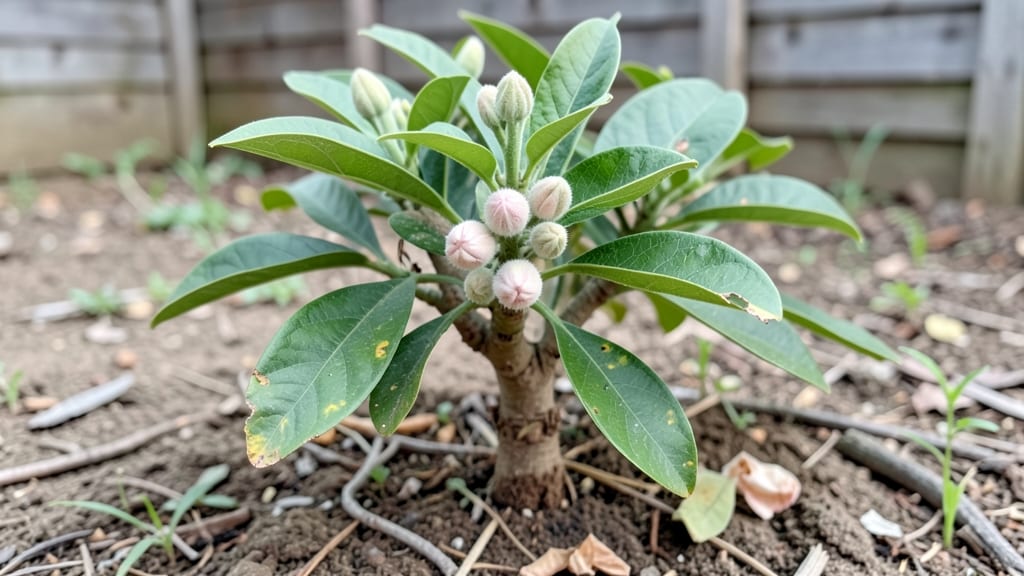
Nurturing guava flower buds in cold climates feels like coaxing a tropical dream into your backyard. 🌿 The secret starts with understanding how these delicate buds form—because even in Zone 7, with the right care, you can watch them burst into fragrant white blooms.
My first attempt failed when I ignored the plant's need for warmth and humidity, but after adjusting, I now get reliable blooms every spring.
Healthy buds need consistent warmth (above 60°F), bright indirect light, and well-draining soil with a slightly acidic pH. Prune selectively in late winter to encourage new growth, and feed with a balanced fertilizer every 6-8 weeks.
The key is patience—buds take 4-6 weeks to open, and dropping them happens when temperatures swing or humidity drops too low.
When buds form correctly, they'll be plump, firm, and covered in tiny white hairs. Mist the plant daily to maintain humidity, and avoid overwatering—soggy soil causes buds to rot before blooming. With the right conditions, you'll see clusters of fragrant flowers that attract pollinators and eventually ripen into sweet fruit.
Cold climates require extra protection—wrap young plants in burlap during frost or grow them in containers you can move indoors. Even in tough conditions, guavas reward persistence with stunning blooms and harvests. Let's get those buds thriving!
📚 In This Guide
- What you need
- Instructions
- Tips and common mistakes
- Wrapping up and next steps
What you need
- ● Guava plant (Psidium guajava) – Choose a healthy, disease-free sapling or cutting (preferably grafted for cold resistance). Pro tip: Look for varieties like 'Red Malaysian' or 'Kwai Mai Pink' for better cold tolerance!
- ● Well-draining potting mix – A blend of 60% peat moss or coconut coir, 30% perlite or vermiculite, and 10% compost. Avoid heavy clay soil!
- ● Pot or container – Minimum 12-inch diameter with drainage holes (or a 5-gallon grow bag for portability).
- ● Slow-release fertilizer – 10-10-10 NPK ratio (e.g., Osmocote) or organic options like worm castings.
- ○ Mulch (optional but recommended) – Straw or wood chips (2–3 inches thick) to insulate roots in winter.
- ● Pruning shears – Sharp, sterilized shears for trimming dead buds or shaping the plant.
- ● pH testing kit – Ideal soil pH for guavas: 5.5–6.5. Adjust with lime (to raise pH) or sulfur (to lower).
- ● Grow lights (for indoor setups) – Full-spectrum LED (12–14 hours/day) if natural light is limited.
- ● Thermometer/hygrometer – Monitor temps (guavas thrive at 70–85°F; avoid below 32°F).
- ● Frost cloth or greenhouse – Essential for protecting plants in temperatures below 40°F.
- ● Sunlight access – 6+ hours of direct sunlight daily (south-facing window or greenhouse).
- ● Warmth control – Guavas are tropical! Use a heat mat (for pots) or indoor heater if temps dip below 50°F.
- ● Patience – Flower buds may take 1–2 years to appear, depending on plant maturity and care.
Step-by-Step guide to encouraging guava flower buds in cold climates
Cold climates can still produce stunning guava blooms—here’s how to coax those flower buds along.
🌱 Step 1: Select a Cold-Hardy Guava Variety
Not all guavas thrive in cooler weather, so choose a cold-tolerant variety like ‘Mexicola’ or ‘Sour Sop’, which handle temperatures down to 25°F. These types are bred to produce flower buds even when nights dip below 50°F. Avoid tropical varieties—they’ll drop buds if temperatures drop below 55°F overnight.
If you’re starting from a cutting, take it from a mature plant in late winter when buds are just forming. Dip the cut end in rooting hormone and plant in a well-draining mix of 50% potting soil and 50% perlite. Keep the soil moist but never soggy—guava roots rot easily in cold, wet conditions.
☀️ Step 2: Provide Warmth and Shelter for Bud Formation
Guava flower buds need warmth and consistency to develop. If your climate dips below 50°F, move potted plants to a sunroom, greenhouse, or covered patio during chilly nights. A frost cloth draped over the plant works too—just secure it loosely so buds get airflow.
Place your guava in the sunniest spot possible—it needs 6-8 hours of direct sunlight daily to set buds. If indoors, supplement with a grow light 12 inches above the plant for 14 hours a day. Watch for buds forming at leaf junctions—these are your first sign of success.
💧 Step 3: Water and Fertilize for Bud Development
Once buds appear, reduce watering slightly—too much moisture stresses the plant and can cause buds to drop. Water deeply every 5-7 days, letting the top 2 inches of soil dry out between waterings. Overhead watering can damage buds, so use a drip irrigation system or water at the base instead.
Feed the plant with a balanced, water-soluble fertilizer (10-10-10) every 4-6 weeks during bud formation. Avoid high-nitrogen fertilizers—they promote leafy growth at the expense of flowers. If buds start falling off, switch to a phosphorus-heavy fertilizer (5-10-5) to encourage blooming.
✂️ Step 4: Prune and Protect Buds from Cold Snaps
Prune lightly in early spring to open the canopy and improve airflow, which prevents fungal issues that can kill buds. Remove any dead, crossing, or weak branches—this redirects energy to healthy growth. Never prune after buds form, as it stresses the plant and can cause bud drop.
If a hard freeze (below 28°F) is forecast, cover the plant with burlap or frost cloth and wrap the trunk with bubble wrap or insulation. Guava trees are semi-dormant in cold weather, but protecting new buds ensures they survive to bloom. Check daily—condensation from frost cloth can rot buds, so remove it during the day if temperatures rise above 50°F.
🌿 Step 5: Monitor for Pests and Adjust Care
Guava flower buds are vulnerable to aphids, scale, and spider mites, which suck sap and weaken buds. Spray the plant with neem oil (1 tsp per gallon of water) every 2 weeks during bud formation. Avoid chemical pesticides—they can harm buds and attract pests.
If buds turn brown and crispy, it’s a sign of low humidity or cold stress. Increase humidity by placing a tray of water near the plant or misting lightly in the morning. If buds drop prematurely, check for overwatering or sudden temperature swings—guavas hate inconsistency.
Tips & tricks for encouraging guava flower buds in cold climates
Here's what I've learned from years of coaxing guava trees into blooming—these tricks make all the difference in cold weather.
Variety Matters: The cold-tolerant varieties like 'Mexicola' and 'Sour Sop' are your best bet for flower buds in chilly climates. I've seen tropical varieties fail completely when nights dip below 55°F, while these hardy types keep producing buds down to 25°F. If you're unsure about your variety, check with local nurseries—they often carry cold-hardy options specifically bred for your zone.
Lighting Strategy: Those 6-8 hours of direct sunlight in Step 2 are non-negotiable for bud formation. If your indoor space isn't sunny enough, supplement with a grow light 12 inches above the plant for 14 hours a day. I use a full-spectrum LED grow light on a timer—it's more efficient than leaving regular lights on all day. Place the light so it covers the entire canopy evenly, and rotate the plant daily to prevent lopsided growth.
Watering Wisdom: The 5-7 day watering schedule in Step 3 can be tricky—too much causes bud drop, but too little stresses the plant. I check soil moisture by sticking my finger 2 inches deep; if it feels dry, that's when I water. For potted plants, I always use the "drip irrigation" method mentioned, adding a tray under the pot to catch excess water and prevent soggy roots. In winter, I reduce watering to every 7-10 days since the plant's growth slows naturally.
Frost Protection: When hard freezes (below 28°F) threaten, I double up on protection. First, I cover the plant with frost cloth, then wrap the trunk with bubble wrap and add a layer of straw mulch around the base. The key is to remove the frost cloth during the day if temperatures rise above 50°F—condensation from trapped moisture can actually harm the buds. I also place a small fan nearby to prevent humidity buildup under the cover.
Pro Tips for Guava Flower Bud
- Here's what I've learned from years of coaxing guava trees into blooming—these tricks make all the difference in cold weather.
- Variety Matters: The cold-tolerant varieties like 'Mexicola' and 'Sour Sop' are your best bet for flower buds in chilly climates.
- Lighting Strategy: Those 6-8 hours of direct sunlight in Step 2 are non-negotiable for bud formation.
Frequently asked questions
Got questions about growing guava flower buds in colder climates? You’re not alone! Here are some of the most common queries—and their answers—to help you cultivate those stunning tropical blooms with confidence.
How cold can guava flower buds tolerate before dying?
Guava plants (Psidium guajava) are tropical and thrive in USDA zones 9-11. Their flower buds cannot survive below 28°F (-2°C). Frost or light freezes will kill buds, but young plants may recover if the roots stay protected. Use frost cloths or move potted plants indoors when temps drop below 40°F (4°C).
When do guava flower buds typically appear, and how long until blooms?
Flower buds form on 1-2 year old wood in spring (after last frost) or early summer. In ideal conditions, buds open into white/pink flowers in 7–14 days. For cold climates, prune in late winter to encourage new growth—this boosts bud production. Patience is key; some varieties take 6–12 months to flower after planting.
Can I force guava flower buds to bloom indoors?
Yes! Prune a healthy branch with buds, dip the cut end in rooting hormone, and place it in water. Once roots form (4–6 weeks), transplant to a pot. Keep it in bright, indirect light (6+ hours/day) and maintain 70–85°F (21–29°C) temps. Buds may open faster indoors, but outdoor-grown plants yield more robust blooms.
What’s the best alternative if guava flower buds keep falling off?
Bud drop usually signals stress. Check for:
- Overwatering: Let soil dry slightly between waterings.
- Nutrient deficiency: Feed with a balanced fertilizer (10-10-10) every 4–6 weeks.
- Pests: Inspect for aphids or mites—spray with neem oil if needed.
- Temperature swings: Guavas hate drafts; keep them in a consistent 60–90°F (15–32°C) range.
Should I prune guava plants to encourage more flower buds?
Prune in late winter/early spring to remove dead wood and shape the plant. Cut back 1/3 of the oldest growth to stimulate new shoots—these will bear buds. Avoid heavy pruning after buds form (they’re fragile!). For container plants, prune lightly in fall to prevent overcrowding.
Wrapping up and next steps
Growing guava flower buds in colder climates is absolutely doable with the right knowledge and care!
Whether you’re a seasoned gardener or just starting, these delicate blooms reward patience with stunning tropical beauty. Now’s the time to roll up your sleeves—start with a healthy plant, protect it from frost, and watch your garden transform into a fragrant paradise!
🌱 Next steps:
- Monitor your plant’s progress and adjust care as needed.
- Experiment with pruning to encourage more blooms.
- Share your success (or ask questions!) in gardening communities.