
Flowers
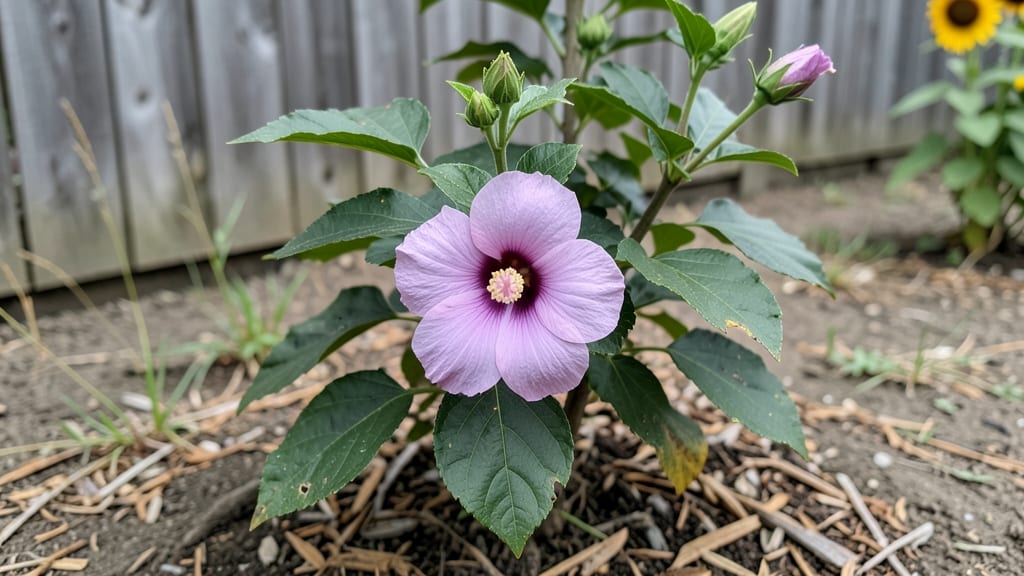
The bold hibiscus flower leaves—often overshadowed by their showstopping blooms—pack a peppery punch that turns them into a kitchen secret, though most gardeners overlook their potential until they taste the difference. 🌿 The same foliage is packed with antioxidants, vitamins, and a tangy... flavor that elevates teas, salads, and stir-fries.
But here's the catch: those leaves won't deliver their full flavor unless you prune strategically and keep the plant healthy.
Start by harvesting leaves from non-flowering stems—younger leaves taste milder, while mature ones develop that signature peppery bite. Snip just enough to encourage bushier growth, and avoid over-pruning, which stresses the plant and reduces flower production.
Yellowing leaves? That's usually a sign of overwatering or nutrient deficiency—hibiscus hate soggy roots, so let the top inch of soil dry out between waterings.
📚 In This Guide
- What you need
- Instructions
- Tips and common mistakes
- Wrapping up and next steps
What you need
- ● Ready to harness the bold, peppery kick of hibiscus flower leaves? Here’s everything you’ll need to get started—whether you’re brewing a tangy tea or adding a unique flavor to your dishes! 🌿✨
How to harvest and use hibiscus leaves for flavorful culinary prep
Here's how I transform these vibrant leaves into a peppery, tangy seasoning—easier than you'd think.
🌿 Step 1: Identify and Select Mature Hibiscus Leaves
Choose leaves from healthy hibiscus plants, ideally from the lower branches where they're fully mature. Young leaves lack the peppery kick, while old, tough ones can be bitter. Look for leaves that are deep green, glossy, and free of yellowing or spots—those are your best candidates.
Harvest in the morning after the dew has dried, but before the sun peaks at 10 AM. This timing preserves the highest concentration of volatile oils that give hibiscus leaves their signature zing. I like to use clean, sharp scissors to snip stems just above a leaf node—this encourages bushier growth.
💧 Step 2: Clean and Prepare Leaves for Use
Rinse leaves thoroughly under cool water to remove any dust or pests, then pat them dry with a clean kitchen towel. Never soak them—hibiscus leaves absorb water like sponges and become soggy, losing their crisp texture and flavor. For immediate use, you can chop leaves coarsely with a chef's knife or tear them by hand for a rustic touch.
If you're prepping for storage, here's the trick: lightly blanch leaves in boiling water for 10-15 seconds, then shock them in ice water. This preserves their vibrant color and intensifies their flavor. Drain well before proceeding to your chosen preparation method.
✂️ Step 3: Process Leaves for Culinary Applications
For fresh use, I like to make a simple hibiscus leaf infusion by combining 1 cup chopped leaves with 2 cups hot (not boiling) water. Let it steep for 15-20 minutes—you'll notice the water turns a pale yellow-green and develops a bright, slightly tart aroma. Strain and use as a marinade base or finishing touch for soups.
For dried leaves, spread them evenly on a baking sheet and let them air-dry in a warm, dark place for 3-5 days. Once completely dry, they'll crumble easily between your fingers. Store in an airtight container away from light—properly dried hibiscus leaves keep their flavor for up to 6 months.
🌱 Step 4: Incorporate Into Dishes with Precision
Start with small amounts—hibiscus leaves pack a punch. I like to add 1-2 teaspoons of fresh leaves to stir-fries just before serving, or sprinkle them over salads for a peppery contrast. In teas, use 1 teaspoon dried leaves per cup of hot water—steep for 3-5 minutes for a subtle flavor or up to 10 minutes for a more intense brew.
Here's where it gets interesting: hibiscus leaves pair beautifully with citrus, chili, and coconut milk. Try adding them to curries, or infuse olive oil with them for a unique finishing oil. Remember, hibiscus leaves lose potency when cooked for long periods, so always add them late in the cooking process or use them as a garnish.
Tips & tricks for perfect hibiscus leaf infusions
Mastering hibiscus leaves transforms simple dishes into vibrant, flavorful creations—here's how to elevate your prep game.
Harvesting Precision: In Step 1, focus on leaves from the lower branches—they contain the highest concentration of flavorful volatile oils. I've found that harvesting just before 10 AM captures peak freshness, as morning dew has evaporated but the sun hasn't yet diminished the leaves' natural oils. The slight tension in the leaves at this time indicates optimal flavor potential.
Blanching Technique: That 10-15 second blanch in Step 2 is crucial for preserving color and intensifying flavor. Use a timer and watch closely—any longer and you'll lose the vibrant green hue. After blanching, immediately shock in ice water to halt cooking completely. This two-step process preserves the leaves' crisp texture and prevents that mushy, waterlogged feeling that ruins their culinary potential.
Steeping Secrets: For Step 3's infusion, the 15-20 minute steep time is your flavor window. Start tasting at 15 minutes—you'll notice the water develops a bright, slightly tart aroma. If you're using this for marinades, strain immediately after 15 minutes to capture peak freshness. For teas, extend to 20 minutes for a more robust flavor profile, but don't go beyond that or you'll extract bitter compounds.
Storage Wisdom: When drying leaves for up to 6 months, choose a warm (around 70°F) but not hot environment. Too much heat can degrade the flavor compounds, while too little humidity can cause uneven drying. I place my baking sheet near a slightly open window where airflow circulates gently—this creates perfect drying conditions without risking contamination. Once completely dry, store in an airtight container with a silica packet to absorb any moisture that could compromise flavor.
Pro Tips for Hibiscus Flower Leaves
- Mastering hibiscus leaves transforms simple dishes into vibrant, flavorful creations—here's how to elevate your prep game.
- Harvesting Precision: In Step 1, focus on leaves from the lower branches—they contain the highest concentration of flavorful volatile oils.
- Blanching Technique: That 10-15 second blanch in Step 2 is crucial for preserving color and intensifying flavor.
Frequently asked questions
Got questions about using hibiscus flower leaves? You’re not alone! Here are some of the most common queries—and their answers—to help you harness the peppery punch of these vibrant leaves like a pro.
Can I eat hibiscus flower leaves raw?
While hibiscus leaves are edible, they’re best lightly cooked or steeped in hot water (like tea) to soften their texture and reduce bitterness. Raw leaves can be tough and slightly astringent—think of them as a peppery garnish rather than a main ingredient. If you’re curious, try them in small amounts first!
How long do hibiscus leaves stay fresh?
Fresh hibiscus leaves last about 5–7 days in the fridge, wrapped in a damp paper towel to retain moisture. For longer storage, blanch and freeze them (plunge in boiling water for 30 seconds, then ice bath, dry, and freeze). Frozen leaves keep their flavor for up to 6 months—perfect for tea blends or cooking!
What’s the best way to use hibiscus leaves in tea?
For a bold, tangy tea, steep 1–2 tbsp of fresh or dried leaves in 1 cup of boiling water for 5–10 minutes. Add honey or a slice of lemon to balance the tartness. Pro tip: Combine with ginger or mint for a tropical twist! Avoid oversteeping—it can turn bitter.
Are hibiscus leaves safe for pets?
Nope! Hibiscus leaves contain mucilage and mild toxins that can upset your pet’s stomach or even cause kidney issues in large amounts. Keep them out of reach—especially if you have cats or dogs. When in doubt, opt for pet-safe herbs like catnip or parsley instead.
Can I grow hibiscus leaves at home?
Hibiscus plants (like Hibiscus rosa-sinensis) thrive in warm climates and partial sun. Start with a cutting or seed, and harvest leaves when they’re mature but still tender. Just be patient—it takes about 6–12 months for a young plant to produce edible leaves. Bonus: The flowers are edible too!
Wrapping up and next steps
From bold flavors to healthful benefits, hibiscus flower leaves are a versatile gem waiting to be explored!
Whether you’re brewing a tangy tea or experimenting in the kitchen, these leaves bring a unique twist to your dishes. Now’s your chance to get creative—start small, taste as you go, and let your culinary adventures bloom!
🌱 Ready to Try?
Grab some fresh hibiscus leaves, follow the steps above, and share your creations with us. Tag us or leave a comment—we’d love to see what you whip up! 🌿