
Flowers
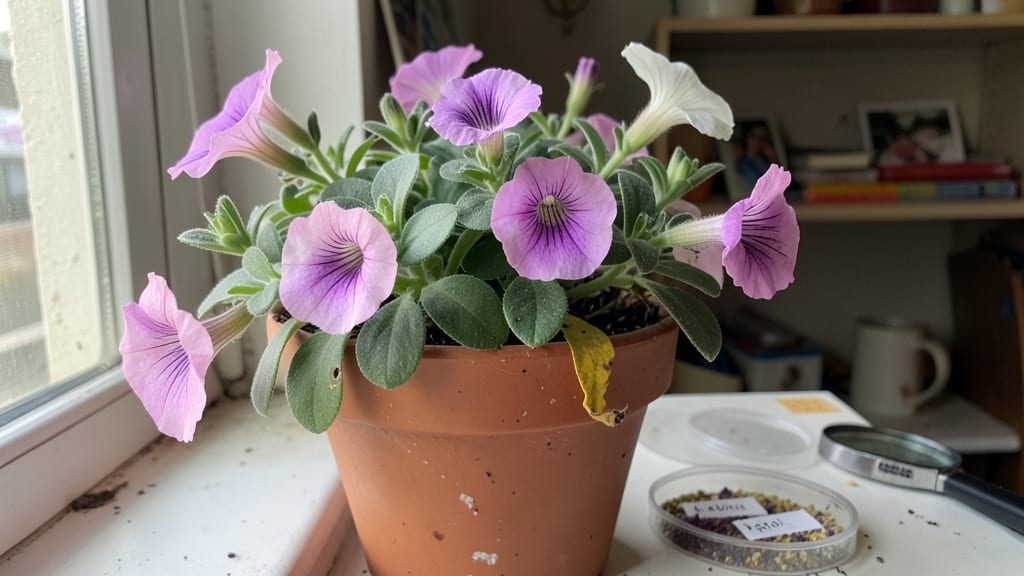
Learning how to crossbreed flowers is easier than you think—just pair two plants and let patience do the rest, and soon your garden will bloom with unique creations no nursery stocks. 🌸 I learned the hard way that timing and technique matter more than I expected, but the first successful... cross-pollinated bloom made every mistake worth it.
The process begins with selecting parent plants that share similar growing needs but differ in traits like color, size, or fragrance. You’ll need a paintbrush or cotton swab for precise pollination, plus protective bags to keep bees from interfering.
Most gardeners skip this step and end up with accidental hybrids—but intentional breeding gives you control over the results.
By summer’s end, you’ll watch those first hybrid seedlings emerge, their traits a mix of both parents. Some may surprise you with unexpected colors or hardiness, while others might disappoint. The real magic happens when you isolate the strongest offspring for further breeding, creating a legacy of flowers uniquely yours.
This method works for annuals, perennials, and even some edible flowers like nasturtiums. Start small with easy-to-cross species like zinnias or petunias before tackling more complex hybrids. The key is observation—keep detailed notes on each generation, and you’ll refine your technique season after season.
📚 In This Guide
- What you need
- Instructions
- Tips and common mistakes
- Wrapping up and next steps
What you need
- ● Parent Plants: 2 healthy, mature plants of different varieties (e.g., Rosa 'Knock Out' and Rosa 'Double Delight')
- ● Ensure they are disease-free and in full bloom for best results.
- ● Pollination Tools: Soft paintbrush or cotton swab (sterilized with rubbing alcohol)
- ● Small container for collecting pollen (e.g., a clean, dry vial or paper envelope)
- ● Growing Supplies: Potting soil (well-draining, sterile mix)
- ● Containers or pots (6-8 inches in diameter, with drainage holes)
- ● Grow lights or a sunny windowsill (6+ hours of light daily)
- ● Protective Gear: Gloves (to avoid skin irritation from sap or pollen)
- ● Apron or old clothing (for easy cleanup)
- ● Recording Tools: Notebook or digital app (to track parent plants, pollination dates, and seed development)
- ● Humidity dome or plastic wrap (to retain moisture during germination)
- ● Growth regulator (e.g., gibberellic acid) to encourage seed development
- ● Labeling tags (for organizing parent plants and hybrids)
- ● Pruning shears (for shaping plants and removing spent blooms)
- ● Patience and a magnifying glass (for inspecting pollen and seeds up close!)
Step-by-Step instructions for crossbreeding flowers
Here's the method I've used to create vibrant new hybrids—patient, precise, and full of surprises.
🌱 Step 1: Select Parent Plants with Complementary Traits
Choose two parent plants that differ in one primary trait—color, fragrance, or bloom size—to simplify tracking inheritance. I always select healthy, mature specimens with consistent characteristics (no fading petals or disease). For example, pair a deep purple iris with a white one if you want to introduce a new lavender shade.
Isolate the parent plants in separate pollination bags (made from breathable fabric) to prevent accidental cross-contamination. Label each plant clearly with variety names and date of isolation. This ensures your hybrids won’t be pollinated by stray bees or windborne pollen from other flowers.
☀️ Step 2: Time Pollination for Optimal Conditions
Pollinate on a warm, dry morning when flowers are fully open and pollen is fresh. Use a soft paintbrush to transfer pollen from the male anthers of one parent to the stigma of the other. Gently brush the anthers to release pollen, then tap the brush lightly against the stigma until it’s fully coated.
Remove the pollination bags immediately after transferring pollen to prevent self-pollination. I mark the date on the bag with a permanent marker—this helps track germination timing later. Repeat the process for all desired parent combinations, spacing them out by a few days to avoid confusion.
🌿 Step 3: Collect and Store Seeds Properly
Once the fertilized flower heads begin to dry and seeds form, harvest them by cutting the entire seed head and placing it in a paper bag (not plastic—it traps moisture). Let the seeds fully mature indoors in a dry, shaded area for 4-6 weeks. Shake the bag occasionally to release any loose seeds.
Clean the seeds by winnowing them in a sieve or by gently blowing away chaff. Store them in a cool, dry place (like a sealed envelope in the refrigerator) for up to 6 months. Label each envelope with the parent varieties and pollination date—this is critical for tracking your hybrids later.
🌱 Step 4: Germinate and Grow Hybrid Seedlings
Sow seeds in sterile potting mix in small pots under grow lights to ensure consistent conditions. Keep the soil moist but not soggy, and maintain temperatures between 65-75°F for optimal germination. Most hybrid seeds take 3-8 weeks to sprout, depending on the species.
Once seedlings emerge, thin them to the strongest 2-3 per pot and provide bright, indirect light for the first few weeks. Watch for the first true leaves—these will reveal early traits like leaf shape or color intensity. Be patient; some hybrids may take longer to show their true characteristics.
✂️ Step 5: Monitor and Select the Best Hybrids
As seedlings mature, observe their traits closely. Note which plants exhibit the desired combination of parent characteristics—like a blend of petal color or fragrance. Remove weaker or off-type seedlings early to focus resources on the most promising candidates.
Transplant the strongest hybrids into individual pots once they’ve developed 3-4 true leaves, and continue growing them under controlled conditions. Document every stage of growth, including bloom time and flower structure. This meticulous tracking is how you refine your hybrids over generations.
Tips & tricks for perfect flower hybridization
These insider tips will help you navigate the delicate art of flower crossbreeding like a seasoned horticulturist.
Parent Plant Selection: When choosing your parent plants, look for specimens that are not only healthy but also in their prime blooming stage. The most vibrant flowers often produce the most viable pollen, and their genetic material will be at its strongest. I've found that selecting plants with contrasting traits—like a deep purple bloom paired with a pure white—creates more dramatic hybrid results. Also, consider the growth habits: if one parent is compact and another is tall, your hybrid might inherit the best of both worlds.
Pollination Timing: The warm, dry morning specified in Step 2 is absolutely critical—this is when pollen is at its most potent and flowers are fully receptive. I recommend doing this pollination process between 9 and 11 AM when humidity is low and bees are less active. If you're working with particularly delicate flowers, consider using a small handheld fan to gently stir the air around them during pollination—this can help ensure even pollen distribution to the stigma.
Seed Maturation Strategy: During the 4-6 week seed maturation period in Step 3, I've developed a simple trick to monitor progress: hang your paper bags near a window where they'll receive indirect light. As seeds mature, they'll develop a distinctive color and texture that becomes visible through the bag. This visual cue helps you know exactly when they're ready for cleaning and storage. Remember that proper drying is crucial—moisture can lead to mold or poor germination rates.
Seedling Care: When your seedlings emerge in Step 4, resist the urge to handle them too much. Each time you touch them, you risk transferring pathogens or disturbing their delicate root systems. Instead, use a small magnifying glass to examine their development closely. The first true leaves are particularly important—they'll give you your first clues about which traits are dominant in your hybrid. I keep a small notebook by my grow lights to record observations about each seedling's progress.
Pro Tips for Crossbreed Flowers
- These insider tips will help you navigate the delicate art of flower crossbreeding like a seasoned horticulturist.
- Parent Plant Selection: When choosing your parent plants, look for specimens that are not only healthy but also in their prime blooming stage.
- Pollination Timing: The warm, dry morning specified in Step 2 is absolutely critical—this is when pollen is at its most potent and flowers are fully receptive.
Frequently asked questions
Got questions about crossbreeding flowers? You’re not alone! Here are some of the most common queries—and their answers—to help you navigate the process with confidence.
What’s the best time of year to crossbreed flowers?
The ideal window is late spring to early summer, when flowers are in full bloom and pollen production is at its peak. This ensures healthy parent plants and better fertilization success. Avoid extreme heat or cold, which can stress your flowers and reduce viability.
How long does it take to see results from crossbreeding?
Patience is key! The first generation (F1 hybrids) may take 1-2 years to mature, while true-breeding varieties (if successful) could take 3-5 years or longer. Keep detailed records—some traits (like color) appear faster, while others (like disease resistance) may take generations.
Can I crossbreed any two flowers, or are there rules?
Not all flowers play well together! Stick to plants within the same genus (e.g., two Rosa species) for successful hybridization. Crossbreeding unrelated families (like a rose and a tulip) is nearly impossible. Research compatibility first—some hybrids may be sterile or produce weak offspring.
What do I do if my crossbreeding attempt fails?
Failure is part of the process! Common reasons include poor pollen transfer, incompatible parents, or environmental stress. Try these fixes:
- Hand-pollinate more carefully (use a paintbrush!).
- Choose healthier, more vigorous parent plants.
- Isolate crosses to avoid contamination from other pollen.
- Repeat with different combinations—some pairings just aren’t meant to be!
Are there easier alternatives to crossbreeding?
Yes! If hybridization feels overwhelming, try:
- Grafting: Combine two plants physically (great for roses or fruit trees).
- Seed saving: Grow out seeds from your favorite flowers for natural variation.
- Hybrid seeds: Buy pre-made hybrids from reputable nurseries to skip the trial-and-error.
Wrapping up and next steps
Crossbreeding flowers is a rewarding journey that blends science, patience, and creativity! By selecting parent plants with desirable traits, ensuring proper pollination, and nurturing the offspring, you can cultivate stunning new hybrids. Remember, consistency and observation are key—each step builds toward your botanical masterpiece.
Ready to dive deeper? Start small with a few experiments, document your progress, and soon, you’ll be growing the next big thing in floriculture. 🌸✨ Happy hybridizing!