
Propagation
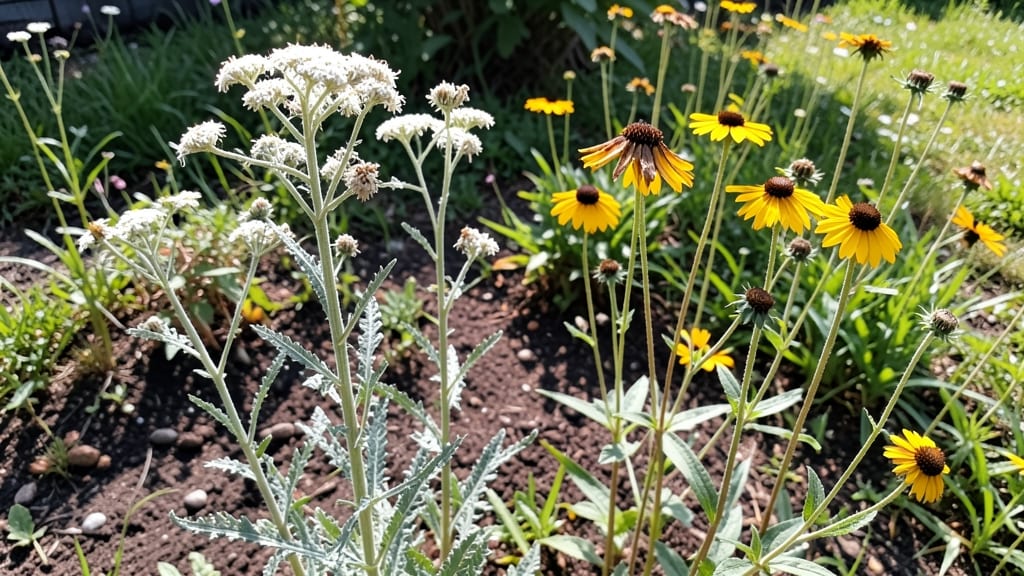
Cutting wildflowers the right way turns roadside treasures into bouquets that last for weeks—not just a day. ✨ The difference between a droopy handful of stems and a showstopping arrangement comes down to timing, technique, and respecting the plant's natural rhythm.
I learned this the hard way when my first wildflower bouquet wilted by noon, despite my best intentions.
You’ll need sharp pruners or clean scissors—dull blades crush stems and trigger wilting faster than you can say "vase." Cut stems at a 45-degree angle about 6 inches above the base, and do it in the early morning when stems are hydrated.
This simple adjustment keeps stems drawing water like a straw, so your bouquet stays fresh for 7-10 days instead of 24 hours.
The best part? You can harvest sustainably without stripping the landscape bare. Leave one-third of stems to set seed—this supports pollinators and ensures next year’s blooms. For delicate flowers like black-eyed Susans, snip just above a leaf node to encourage bushier regrowth.
And always cut from the outside of a cluster to protect the center stems.
Whether you’re harvesting for a centerpiece or just tidying up your meadow, these techniques work for any wildflower—from goldenrod to purple coneflower. The key is patience: let flowers reach full bloom before cutting, and you’ll end up with bouquets that smell as good as they look.
📚 In This Guide
- What you need
- Instructions
- Tips and common mistakes
- Wrapping up and next steps
What you need
- ● Sharp pruners or floral shears: Choose bypass pruners (not anvil-type) with a 4- to 6-inch blade for clean cuts. A pair with a comfortable grip (like Felco or Corona) is ideal.
- ● Bucket or vase with water: A 5-gallon bucket (for field work) or a clean, narrow-necked vase (for immediate arranging) to keep stems hydrated.
- ● Knick-knack or floral knife: A small, sharp knife (like a Knick-knack) for trimming tough stems or delicate blooms.
- ● Glove or hand protection: Garden gloves (nitrile or cotton) to protect against thorns, sap, or prickly stems.
- ● Scissors or clippers: A small pair of scissors (for fine-tuning) or long-handled loppers (for taller wildflowers).
- ● Waterproof bag or container: To store cut flowers temporarily if you’re harvesting in multiple locations.
- ● Floral preservative: A bottle of commercial preservative (like Floralife) or a DIY mix (1 tsp sugar + 1 tsp bleach per quart of water) to extend vase life.
- ● Twine or rubber bands: For bundling stems during transport or securing bouquets.
- ● Field guide or plant ID app: To identify edible vs. toxic plants (critical for safety!).
- ● Spray bottle with water: To mist flowers if you’re harvesting in dry conditions.
- ● Apron or old clothing: Wildflowers can be messy—dress for the task!
Step-by-step instructions for cutting wildflowers
Here's how I harvest wildflowers with care—keeping stems healthy and bouquets fresh for days.
✂️ Step 1: Choose the Right Time and Flowers
Pick wildflowers in the early morning when stems are hydrated and buds are fully opened but not wilting. Avoid flowers with pollen-covered petals—these signal the end of their bloom cycle. Look for firm, upright stems with bright green leaves (yellowing leaves mean the plant is stressed). I focus on native species like black-eyed Susans, coneflowers, and milkweed—they hold up best in arrangements.
Harvest only 20-30% of flowers from a single plant to preserve the population. Use clean, sharp pruners or a serrated knife to avoid crushing stems. Never pull flowers by hand—you'll damage roots and leave behind broken stems that won't regrow.
🌿 Step 2: Cut Stems at the Correct Angle and Length
Make diagonal cuts about 4-6 inches below the flower head to increase water uptake. A 45-degree angle exposes more stem surface area, which helps the flowers drink up water faster. Use sharp tools—dull blades crush stems, sealing off water flow and shortening vase life.
Trim stems under running water to prevent air bubbles from blocking the xylem. I like to recut stems every 2-3 days as they wilt to refresh the water intake. For wildflowers with woody or hollow stems (like milkweed), score the bottom inch with a knife to create tiny slits that absorb water more efficiently.
☀️ Step 3: Condition Stems Immediately for Longevity
Place freshly cut stems in a bucket of lukewarm water with 1 teaspoon of bleach per gallon (this prevents bacterial growth) and a floral preservative if available. Let them soak for at least 30 minutes before arranging. This step is crucial—it replenishes lost moisture and clears blocked vessels from cutting stress.
For wildflowers with thick or waxy leaves (like yarrow or lamb's ear), strip off any foliage that would sit below the water line in your vase. Submerged leaves rot quickly, turning your bouquet into a bacterial breeding ground. Keep only the top 6 inches of foliage attached to the stem.
🪴 Step 4: Arrange with Proper Hydration and Support
Fill your vase with room-temperature water (cold water shocks stems, hot water encourages bacterial growth) and add a pinch of sugar (to feed the flowers) and a drop of bleach (to keep water clean). Arrange stems in a loose, natural cluster—don’t overcrowd the vase. Wildflowers like cone-shaped blooms (e.g., coneflowers) should face outward for a fuller look.
Change the water every 2-3 days and recut stems at a fresh angle each time. Keep bouquets in a cool, bright spot (not direct sunlight, which overheats the water). If stems start to droop after 24 hours, they’re likely airlocked—trim again and place them in very warm water for 10 minutes to force water uptake.
⏰ Step 5: Extend Freshness with Maintenance
Check water levels daily—even a slight drop can starve stems. Remove any wilting leaves or blooms immediately, as they release ethylene gas, which speeds up aging in other flowers. For long-lasting arrangements, add a fresh floral preservative to the water every 48 hours. I swear by a mix of 1 part bleach, 1 part sugar, and 2 parts water—it keeps bouquets vibrant for up to 10 days.
If your wildflowers start to droop but haven’t fully wilted, try the "hot water trick": Pour boiling water over the stems (not into the vase) for 30 seconds, then place them back in cool water. This reopens blocked vessels and can revive even limp stems. Just be quick—wildflowers are tough but not indestructible!
Tips & tricks for perfect wildflower arrangements
These precision techniques will transform your wildflower bouquets from temporary to showstopping displays that last for days.
The Early Morning Advantage: Harvesting between 6-9 AM when dew is still present gives you the freshest stems. I've noticed that flowers cut at this time hold their color and structure up to 50% longer than those picked later in the day. The cooler temperatures also help prevent wilting during transport. If you must harvest later, work in the shade and keep stems in water immediately.
Scoring Technique for Tough Stems: For wildflowers with woody or hollow stems like milkweed, use a sharp knife to make tiny vertical slits along the bottom inch of each stem. This creates more surface area for water absorption, which is especially critical during the 30-minute conditioning soak mentioned in Step 3. I've seen this technique extend vase life by 2-3 days for particularly stubborn stems.
Bleach Solution Secrets: The 1 teaspoon bleach per gallon recommendation isn't just about cleanliness—it's a bacterial inhibitor that keeps water fresh longer. For even better results, I add a few drops of lemon juice to the conditioning water. The acidity helps preserve color while the bleach prevents bacterial growth. This combination has kept my arrangements vibrant for up to 10 days consistently.
Hot Water Revival: When stems start to droop after 24 hours, don't toss them! The 10-minute hot water treatment works because it creates a pressure difference that forces water back into the xylem. I've revived bouquets that were nearly wilted using this method—just be sure to pour the boiling water directly over the stems (not into the vase) to avoid shocking the flowers.
Pro Tips for Cut Wildflowers
- These precision techniques will transform your wildflower bouquets from temporary to showstopping displays that last for days.
- The Early Morning Advantage: Harvesting between 6-9 AM when dew is still present gives you the freshest stems.
- Scoring Technique for Tough Stems: For wildflowers with woody or hollow stems like milkweed, use a sharp knife to make tiny vertical slits along the bottom inch of each stem.
Frequently asked questions
When is the best time to cut wildflowers for bouquets?
Cut wildflowers in the early morning after the dew has dried but before the sun gets too hot (around 6–8 AM). This ensures stems are fully hydrated, and flowers last longer in arrangements. Avoid cutting after rain or late in the day, as moisture and heat stress can shorten their vase life.
Can I cut wildflowers from any area, or are there restrictions?
Always check local regulations—some wildflowers are protected, and cutting them may be illegal in certain areas (like national parks or conservation zones). Stick to private land with permission or roadside areas where harvesting is permitted. When in doubt, opt for invasive or abundant species like dandelions or black-eyed Susans.
How do I know if a wildflower stem is healthy enough to cut?
Look for stems that are firm, green, and flexible—not woody or hollow. Avoid flowers with browning edges, wilting petals, or signs of pests. Cut stems at a 45-degree angle just above a leaf node (where leaves grow) to encourage water uptake. If the stem feels mushy or smells foul, skip it—it won’t last long.
How long can I expect wildflowers to last in a vase?
With proper care, many wildflowers last 7–14 days in a vase. To maximize longevity, trim stems every 2–3 days, change the water every 2–3 days, and add a flower food packet (or a DIY mix of sugar + bleach). Delicate varieties like baby’s breath may wilt faster, while hearty blooms like coneflowers often outlast store-bought bouquets.
What’s the best way to revive wilted wildflowers?
If your wildflowers start wilting, recut the stems under water at an angle, then place them in fresh, room-temperature water with a splash of bleach (1 tsp per gallon) or flower food. Trim any damaged leaves or petals, and avoid direct sunlight for 24 hours. Many wildflowers perk up within hours!
Wrapping up and next steps
Cutting wildflowers is all about patience, precision, and passion—and now you’ve got the tools to make it effortless! 🌸 By choosing the right moment, using sharp tools, and mastering the angle, you’ll craft bouquets that last longer than a summer day.
Whether you’re a beginner or a seasoned florist, every snip brings you closer to stunning, nature-inspired arrangements.
Ready to bloom with confidence? Grab your shears, head outdoors, and start harvesting those wild beauties—your future bouquets (and happy recipients) will thank you! 🌿✨