
Pruning
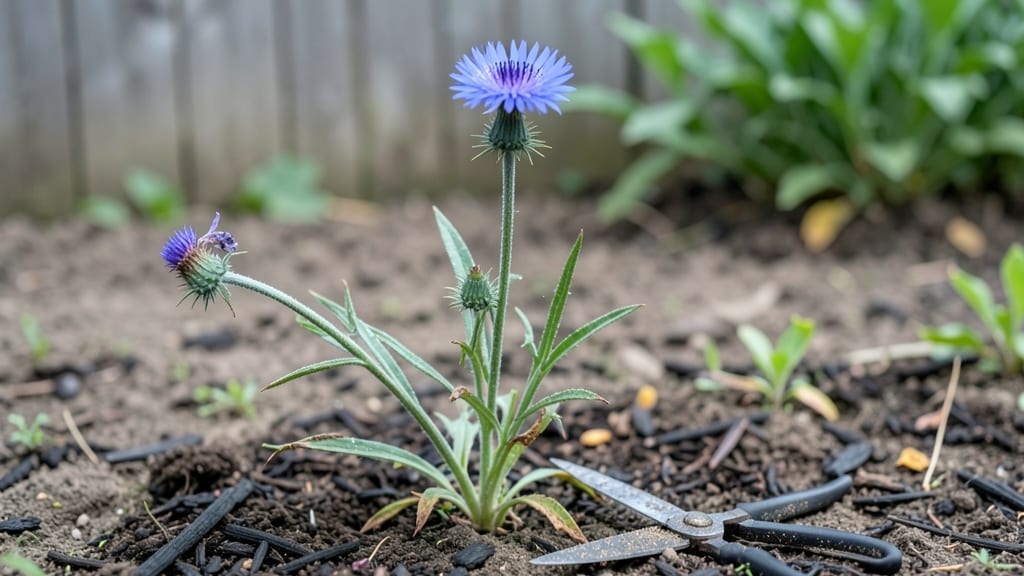
Deadheading cornflowers isn’t just about tidying up—it’s the secret to months of vibrant blue blooms without the usual midseason slump. I’ve spent years watching these cheerful flowers fade too soon, until I learned the simple cut that keeps them flowering like clockwork.
The key isn’t complicated: a quick snip at the right time transforms a one-time showstopper into a long-lasting display.
You’ll need just one tool—sharp pruners or even your fingers—and a little patience. Cut spent blooms back to the next set of leaves, and the plant redirects energy into fresh flowers instead of seed production.
This method works for both garden borders and containers, and it’s so easy even first-time gardeners can master it in minutes. The payoff? Cornflowers that keep blooming from early summer through fall.
What you’ll end up with is a border bursting with deep blue, pink, and white blooms that attract pollinators all season. The plants stay bushier, too, because they’re not wasting energy on seeds.
Plus, the more you deadhead, the more flowers you’ll get—it’s a self-reinforcing cycle that keeps your garden looking fresh.
For those who love saving seeds, I’ll show you how to let a few flowers go to seed while still keeping the rest in bloom. The same technique works for other long-blooming annuals, too. Let’s get those pruners ready—your cornflowers are about to put on their best show yet.
📚 In This Guide
- What you need
- Instructions
- Tips and common mistakes
- Wrapping up and next steps
What you need
- ● Pruning shears or sharp scissors – Choose bypass-pruners (6-inch blades) for clean cuts.
- ○ Gloves (optional but recommended) – Garden or nitrile gloves to protect hands from thorns and dirt.
- ○ Water spray bottle (small, 8-16 oz) – For misting stems post-cutting (optional but helpful for hydration).
- ● Compost bin or bucket – To collect spent blooms for nutrient recycling.
- ● Sunny day with mild weather – Avoid deadheading in extreme heat or rain.
- ● Disinfectant (rubbing alcohol or bleach solution) – Wipe tools between cuts to prevent disease.
- ● Knee pad or stool – For comfort if your cornflowers are tall or ground-level.
- ● Pruning saw (for thick stems) – Only needed if stems are woody or overgrown.
- ● Dried flower press or vase – To preserve deadheaded blooms for crafts or arrangements!
Step-by-step guide to deadheading cornflowers
Here's the simple method I use to keep my cornflowers blooming all season without the daily grind.
Identify the Right Blooms to Trim
Wait until a flower head opens fully but begins to fade—petals lose their vibrant color and start curling slightly. This is your cue to act. I like to work in the morning when blooms are freshest and the stems are still firm. Use clean, sharp pruners or even your fingers to pinch off the spent bloom just above the first set of healthy leaves or side buds.
Never cut into healthy green growth—this encourages new blooms to form from those lower nodes. If you're unsure, look for the tiny green buds forming at the base of the stem. These are your cornflower's promise of future blooms, so protect them.
Use the Right Technique for Maximum Blooms
Grasp the faded bloom gently between your thumb and forefinger and give it a firm twist to detach it cleanly. This method avoids damaging the stem and leaves behind the side buds. If using pruners, cut at a 45-degree angle about ¼ inch above the leaf node to prevent water from pooling on the cut.
I find that working in small sections—maybe 3-4 blooms at a time—keeps the process manageable. Don't rush; take a moment to admire the fresh blooms you're leaving behind. This isn't just maintenance; it's a conversation with your plants about their next round of beauty.
Maintain the Plant's Energy Balance
After deadheading, step back and assess the plant's overall condition. Cornflowers are drought-tolerant, but they'll reward you with more blooms if you keep the soil lightly moist—not soggy. Water at the base in the early morning to let the foliage dry before evening, which prevents fungal issues.
If you notice the stems becoming leggy or the leaves yellowing, it's a sign of overwatering or poor drainage. Cornflowers thrive in well-draining soil, so if your garden holds moisture too long, consider adding a handful of sand or perlite to the planting area. This small adjustment can make a big difference in how vigorously your plants rebloom.
Encourage Continuous Blooming Through the Season
Once you've deadheaded the first flush of blooms, keep an eye out for new buds forming along the stems. These will open in about 2-3 weeks, depending on your climate. The key to extending the blooming season is consistency—check your cornflowers every 5-7 days and remove spent blooms before they form seed heads.
Seed heads are nature's way of telling the plant to focus on reproduction, not more flowers. By removing them early, you're essentially saying, "Keep blooming!" I've seen cornflowers continue to produce fresh blooms for 6-8 weeks with this approach, turning a one-time burst of color into a months-long display.
Prepare for the Next Season
As the blooming season winds down, resist the urge to cut back the entire plant. Cornflowers are self-seeding annuals, and leaving the stems in place allows them to scatter seeds naturally. This means next year's cornflowers will pop up effortlessly, saving you time and money.
If you prefer to control where they grow, collect the seeds before they disperse. Once the seed heads are fully dry and brown, cut them off and place them in a paper bag. Store in a cool, dry place until spring planting. This way, you can choose the perfect spot for next year's cornflowers, ensuring they get the ideal sunlight and soil conditions.
Tips & tricks for deadheading cornflowers
A few simple strategies can transform your cornflowers from a one-time burst of color to a months-long floral display. Here's what I've learned after years of working with these resilient blooms.
Timing is Everything: The 2-3 week window between deadheading and new blooms is when cornflowers decide whether to focus on reproduction or more flowers. If you notice seed heads forming, you've missed your chance—those tell the plant to stop blooming and start seeding. Check your plants every 5-7 days during peak bloom season to catch fading flowers before they set seed.
Tool Matters More Than You Think: While fingers work fine for small batches, invest in a pair of clean, sharp pruners for larger gardens. The 45-degree angle cut mentioned in Step 2 isn't just about aesthetics—it creates a larger surface area for water absorption while preventing rot. I keep a small pair in my gardening apron so I'm never without them when I spot fading blooms.
Seasonal Adjustments: In cooler climates, cornflowers may take the full 6-8 weeks to rebloom after deadheading, while warmer regions often see new blooms in just 2-3 weeks. Pay attention to your local climate patterns—this helps you predict when to expect the next flush of flowers and plan your garden maintenance accordingly.
Natural Fertilizer Boost: After deadheading, give your cornflowers a light feeding with compost tea or diluted fish emulsion. The plants are already putting energy into new growth after removing spent blooms, so this extra nutrient boost helps them recover faster. I mix a tablespoon of compost in a gallon of water and apply it at the base of the plant after watering.
Pro Tips for Deadhead Cornflowers
- A few simple strategies can transform your cornflowers from a one-time burst of color to a months-long floral display.
- Timing is Everything: The 2-3 week window between deadheading and new blooms is when cornflowers decide whether to focus on reproduction or more flowers.
- Tool Matters More Than You Think: While fingers work fine for small batches, invest in a pair of clean, sharp pruners for larger gardens.
Frequently asked questions
Got questions about deadheading cornflowers? You’re not alone! Here are answers to the most common queries to help you keep those vibrant blooms coming all season long.
When is the best time to deadhead cornflowers?
Deadhead cornflowers after the first blooms fade but before the seed heads form—usually in late spring or early summer. For continuous blooms, repeat every few days or weekly. Morning is ideal since flowers are fully open and easier to spot.
How do I know if I’m deadheading correctly?
You’re on the right track if you’re cutting just above the first set of healthy leaves or side buds (about ¼ inch up). Avoid cutting into woody stems—this can stress the plant. If you see new buds forming, you’re doing it right!
Can I skip deadheading and still get flowers?
Yes! Cornflowers are resilient and may still bloom without deadheading, but you’ll get fewer flowers and shorter stems. Deadheading encourages longer, fuller blooms and prevents self-seeding, which can lead to overcrowding or unwanted spread.
How often should I deadhead for maximum blooms?
Aim to deadhead every 3–5 days during peak bloom (spring/summer). Once flowering slows in late summer, reduce to weekly. Over-pruning can stress the plant, so balance frequency with your garden’s needs.
What if my cornflowers stop blooming after deadheading?
Check for these issues:
- Over-fertilizing: Too much nitrogen = leafy growth, fewer blooms.
- Underwatering: Wilting or drooping? Water deeply but avoid soggy soil.
- Pests/disease: Inspect for aphids or powdery mildew (treat with neem oil if needed).
- Sunlight: Cornflowers need full sun (6+ hours/day)—move to a sunnier spot if blooms dwindle.
Wrapping up and next steps
Deadheading cornflowers doesn’t have to feel like a chore—it’s your secret to longer, more vibrant blooms with minimal effort! By following these simple steps, you’ll enjoy a garden bursting with color for months, all while keeping your plants healthy and happy. 🌸
Now that you’re armed with the know-how, grab those shears and get pruning! For extra inspiration, explore our guide to creating a cornflower-themed border or check out seasonal care tips to keep your garden thriving year-round. Every snip is a step toward a stunning, low-maintenance oasis—you’ve got this! ✨