
Pruning
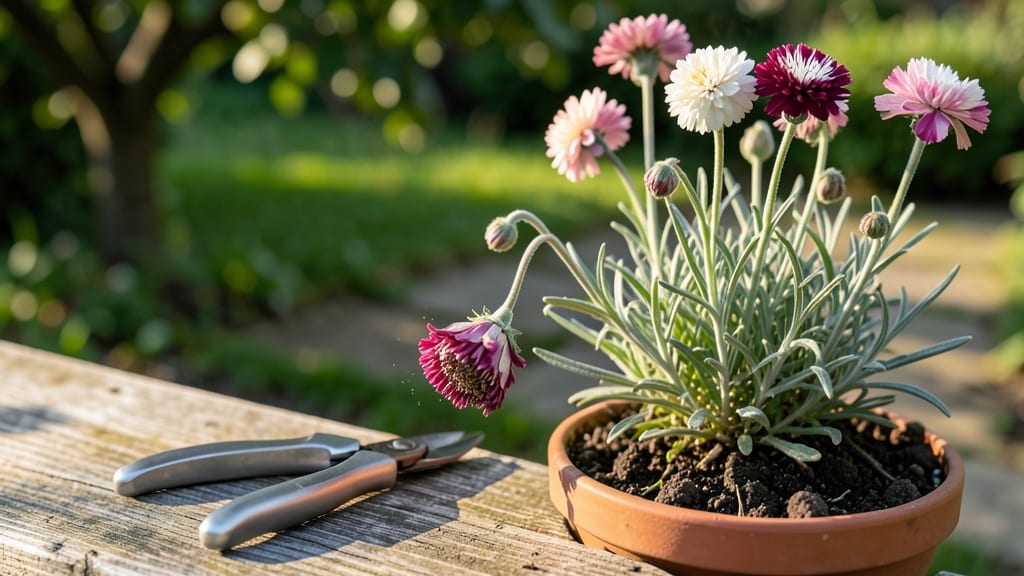
Deadheading dianthus flowers isn’t just about tidying up—it’s the secret to nonstop blooms all season long. 🌸 I’ve spent years watching my dianthus plants struggle until I learned this simple trick: a quick snip after each flower fades keeps them producing vibrant pink, red, and white blooms for months.
The tools you need are basic: sharp pruners or even clean fingernails work. Timing matters most—cut back just as the petals start wilting, but before the seed pod forms. This 3-step method takes less than a minute per plant and prevents leggy growth while encouraging bushier, fuller foliage.
What you’ll get is a dianthus bed that looks like it’s in peak bloom throughout summer, not just for a few weeks. The flowers stay bright and fragrant, and you’ll avoid the sad, bare stems that signal the end of the season.
Plus, healthy dianthus plants resist pests better when deadheaded regularly.
Works for both garden borders and container dianthus—just adjust your cuts based on plant size. Here’s how to do it right the first time, plus what to watch for when things go wrong (hint: over-pruning is the biggest mistake).
📚 In This Guide
- What you need
- Instructions
- Tips and common mistakes
- Wrapping up and next steps
What you need
- ● Sharp pruning shears or clean scissors – Dull tools crush stems and invite disease. Opt for bypass pruners (e.g., Felco F2 or similar) for precision cuts.
- ○ Gloves (optional but recommended) – Thorny stems? Say no to pricks! Choose lightweight gardening gloves for comfort.
- ● Disinfectant (70% isopropyl alcohol or bleach solution) – Sterilize tools between cuts to prevent bacterial spread (1 part bleach to 9 parts water).
- ● Trash bag or bucket – For spent blooms and debris. No composting wilted flowers!
- ○ Water spray bottle (optional) – A light mist helps clean tools and refresh plants post-pruning.
- ● Identify mature blooms – Focus on fully open flowers with wilted petals (avoid buds or half-blooms).
- ● Choose the right time – Deadhead on a dry, sunny morning to minimize stress on the plant.
- ● Know your dianthus type – Perennial vs. annual? Perennials may need deeper cuts to encourage next year’s growth.
- ● Hand pruners for small batches – Faster than shears for pinch-pruning tiny blooms.
- ● Rubbing alcohol wipes – Quick tool disinfection between plants.
- ● Garden journal – Track pruning dates and rebloom results for future reference!
Step-by-Step instructions for deadheading dianthus flowers
Reviving your dianthus blooms takes just a few minutes and the right cuts—here's how to keep them flowering all season.
✂️ Step 1: Wait for the Right Time to Cut
Deadhead dianthus only after the individual flowers in a cluster have fully opened and begun to fade. Look for petals that start curling at the edges—that's your signal the bloom is spent. Cutting too early removes flowers that could still attract pollinators and produce seed pods.
I always wait until at least 50% of the petals in a cluster show signs of fading. This ensures you're not snipping healthy blooms that could extend the plant's flowering period. Use clean, sharp pruners or even your fingers for small clusters—just avoid crushing stems.
✂️ Step 2: Make the Perfect Cut
Cut each spent bloom cluster ¼ inch above the next set of leaves or side buds. This encourages the plant to produce new blooms from that node. If you cut too high, you remove potential growth points; too low, and you risk damaging the stem or leaving unsightly stubs.
Angle your cut slightly upward to prevent water from collecting on the stem, which could cause rot. For larger clusters, I like to make a clean diagonal cut—this keeps the plant looking tidy while promoting new growth. Always use sterilized tools to prevent introducing diseases like powdery mildew.
✂️ Step 3: Remove Only Spent Blooms, Not the Whole Stem
Never cut back the entire flowering stem unless it's completely finished for the season. Focus only on removing individual spent clusters. This preserves the plant's energy for producing new blooms rather than forcing it to regrow from the base.
For dianthus, which often produce multiple blooms along a single stem, this selective pruning keeps the plant looking full and encourages continuous flowering. I check my plants every 3-4 days during peak bloom season—this timing keeps the garden looking fresh without overworking the plant.
🌿 Step 4: Follow Up with Light Fertilizing
After deadheading, give your dianthus a light feeding with a balanced, water-soluble fertilizer (like 10-10-10) diluted to half strength. This provides the nutrients needed for new blooms to develop without overwhelming the plant. Apply it to the soil, not the foliage, to avoid leaf burn.
Water deeply after fertilizing to help the roots absorb the nutrients. I like to do this in the morning so the plant has time to recover before evening temperatures drop. This simple step makes a huge difference in how quickly your dianthus rebounds with fresh blooms.
☀️ Step 5: Monitor for New Growth
Within 7-10 days, you should see new buds forming at the nodes where you made your cuts. These will develop into fresh blooms, keeping your dianthus looking vibrant. If you don't see new growth after two weeks, check for signs of stress like yellowing leaves or wilting.
Dianthus thrives in full sun, so if your plants aren't reblooming well, they might need more light. A few hours of afternoon shade can help in very hot climates, but morning sun is best for consistent blooming. Adjust your care based on what you observe—your plants will tell you what they need!
Tips & tricks for perfect dianthus deadheading
These simple tricks will help you keep your dianthus blooming beautifully all season—without the guesswork.
Timing Secret: The 3-4 day check interval in Step 3 works best when you deadhead in the morning. Early morning cuts give your plants the entire day to recover and prepare for nighttime rest. I've found that plants deadheaded in the afternoon often struggle to bounce back as quickly, especially in hot climates.
Tool Technique: Don't underestimate the power of clean tools! Sterilize your pruners with rubbing alcohol between plants to prevent spreading disease. I keep a small bottle in my gardening toolkit and wipe them down after every 3-4 plants. For small clusters, I actually prefer using my fingers—it gives me better control over the cut angle and prevents accidental damage to nearby buds.
Visual Cue for Perfect Cuts: When making that ¼ inch cut in Step 2, imagine you're cutting just above where the next set of leaves would emerge. A good trick is to count the leaf nodes as you cut—you should always leave at least 2-3 nodes below your cut. This ensures you're never cutting too high and removing potential growth points.
Fertilizer Tip: That half-strength 10-10-10 fertilizer in Step 4 is perfect, but here's a pro move: mix it with rainwater if possible. The natural nutrients in rainwater give your dianthus an extra boost without overloading the soil. I collect rainwater in a barrel and use it exclusively for fertilizing my flowering plants—it makes a noticeable difference in how quickly they recover after deadheading.
Pro Tips for Deadhead Dianthus Flowers
- These simple tricks will help you keep your dianthus blooming beautifully all season—without the guesswork.
- Timing Secret: The 3-4 day check interval in Step 3 works best when you deadhead in the morning.
- Tool Technique: Don't underestimate the power of clean tools!
Frequently asked questions
Got questions about deadheading dianthus? You’re not alone—this simple task can feel tricky at first! Here are answers to the most common queries to keep your flowers thriving.
When is the best time to deadhead dianthus?
Deadhead dianthus as soon as the blooms fade—ideally in the morning when the flowers are dry. This prevents seed formation, redirects energy to new growth, and encourages continuous blooming. For spring-blooming varieties, focus on early summer; for perennial types, repeat throughout the season.
Do I need special tools to deadhead dianthus?
Nope! While sharp pruners or clean scissors work best, you can use your fingers for small stems. Just avoid crushing the leaves or leaving stubs longer than ¼ inch. A quick wipe-down of your tools with rubbing alcohol keeps cuts sterile and prevents disease.
What if my dianthus stops blooming after deadheading?
If blooms taper off, check these fixes:
- Light: Ensure 6+ hours of sunlight daily—dianthus loves full sun.
- Water: Keep soil evenly moist but not soggy (root rot is a blooming killer).
- Fertilizer: Use a balanced, low-nitrogen feed (like 10-10-10) every 4–6 weeks.
- Overcrowding: Thin out plants if they’re too dense—airflow boosts blooms.
Can I deadhead dianthus in winter?
Skip deadheading in winter! Focus on protecting perennial dianthus from frost by adding a light mulch (2–3 inches) around the base. Wait until spring (when new growth appears) to resume pruning. Winter deadheading can damage cold-sensitive stems.
What’s the difference between deadheading and pruning dianthus?
Deadheading = removing spent blooms to encourage more flowers. Pruning = cutting back entire stems (usually in late winter/early spring) to shape the plant or rejuvenate growth. For dianthus, deadhead regularly; prune only after blooming season ends.
Pro Tip:
Use the “snip-and-save” method: Toss deadheaded flowers into a bucket of water to create a short-lived bouquet while composting the stems later. It’s a win for your garden and your home!
Wrapping up and next steps
Deadheading your dianthus flowers is a simple yet powerful way to keep them blooming beautifully all season long! 🌸 With just a few precise cuts, you’ll encourage fresh growth, vibrant colors, and healthier plants.
Now that you’re equipped with the right tools and techniques, there’s no better time to roll up your sleeves and give your garden a little TLC.
Ready to see the difference? Grab your pruners and start deadheading today—your dianthus will thank you with stunning, long-lasting blooms! For even more gardening tips, check out our guide on extending your dianthus’ flowering season.