Flowers
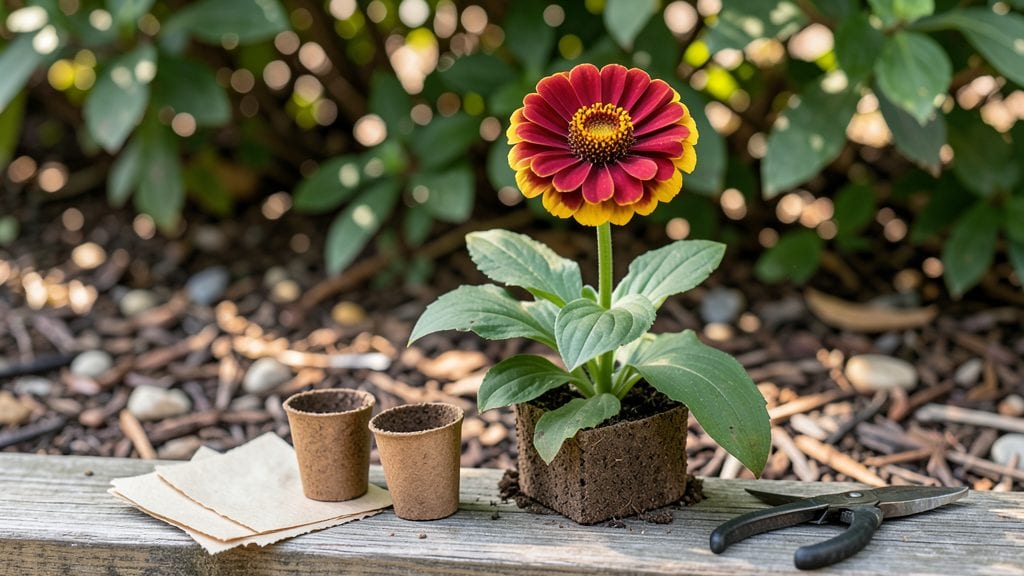
Creating seed paper flowers lets you grow wildflowers from a single sheet of biodegradable paper—no soil needed at first. 🌸 I’ve made these for weddings, memorials, and just because they’re magical, and every time I watch them bloom and then dissolve back into the earth, I’m reminded of how temporary beauty can be.
The best part? You can plant them anywhere, from city sidewalks to wild meadows, and they’ll grow into vibrant blooms before quietly disappearing.
All you need is seed paper, water, and a little patience. The paper itself contains wildflower seeds mixed with natural fibers, so no special soil or pots are required to start.
Simply press the paper into damp soil or a flowerbed, keep it moist for about two weeks, and watch as the first green shoots push through. It’s a project that feels like magic—especially when you see those delicate petals unfurl from something as simple as a sheet of paper.
What you’ll end up with is a burst of color that lasts for weeks before the paper decomposes naturally, leaving behind only the seeds for next year’s blooms. These flowers are perfect for events, gifts, or just adding a touch of whimsy to your garden.
The process is forgiving, too—even if you forget to water for a day or two, the seeds are tough enough to bounce back.
Once your flowers bloom, you can scatter the remaining paper pieces to grow more wildflowers in new spots. It’s a way to leave a little beauty behind, whether you’re planting them in a pot for a friend or along a hiking trail.
And when they’re done, there’s no trace left behind—just soil, seeds, and the memory of something that grew from nothing.
📚 In This Guide
- What you need
- Instructions
- Tips and common mistakes
- Wrapping up and next steps
What you need
- ○ Seed paper: 1-2 sheets (pre-made or DIY—see optional section below). Look for wildflower or herb blends (e.g., cosmos, sunflowers, or basil).
- ● Floral wire: 12-18 inches of 20-22 gauge wire (for structure). Copper or green-coated works best!
- ● Scissors: Sharp craft scissors or floral snips for clean cuts.
- ● Water: A spray bottle or small cup for dampening.
- ○ Glue (optional but helpful): A dab of white glue or floral tape to secure wire.
- ● DIY seed paper: 1 cup wildflower seeds, 1 cup water, 2 cups shredded paper (or coffee grounds!), and a blender.
- ● Embellishments: Ribbon, dried flowers, or waterproof paint for extra charm.
- ● Drying surface: Parchment paper or a wire rack to air-dry your creations.
How to make seed paper flowers that bloom and disappear
Here's the simple, eco-friendly way to create beautiful blooms that grow and vanish naturally.
🌱 Step 1: Prepare Your Seed Paper Mixture
Start by blending 1 cup wildflower seeds with 2 cups water in a bowl until fully combined. I like to use a small whisk or fork to break up any clumps—this ensures even distribution later. Add 1 cup recycled paper pulp (like old printer paper or egg cartons) and mix thoroughly until you get a thick, paste-like consistency. The texture should hold together when squeezed but still be workable.
If the mixture feels too dry, add a few drops of water at a time. Too wet? Sprinkle in a bit more pulp. This is your foundation, so take your time getting it right. Once smooth, transfer it to a shallow tray for easy shaping.
🌿 Step 2: Shape and Mold the Petals
Using your hands or a small wooden spoon, spread the mixture into thin layers on a silicone mat or parchment paper. For flower petals, I press the paste into ½-inch thick strips about 2 inches long. Gently curve the edges to mimic natural petal shapes—think delicate curves, not sharp lines. Let them dry slightly (about 10-15 minutes) so they hold their shape when handled.
While drying, arrange the petals into flower shapes on a flat surface. Overlap edges slightly to create depth, and press the center lightly to form a small bowl where seeds will nest. This step is where creativity shines—play with sizes and arrangements for unique blooms!
💧 Step 3: Seal and Dry Completely
Once your petals are shaped, brush a thin layer of cornstarch glue over each piece to lock in the seeds and strengthen the structure. Let it dry completely—this can take 4-6 hours, depending on humidity. You’ll know it’s ready when the petals feel crisp to the touch and no longer stick together.
For extra durability, I place them in a single layer on a cooling rack in a warm, dry spot. Avoid direct sunlight at this stage—it can cause uneven drying and cracking. Once fully dry, your seed paper flowers are ready to bloom when planted!
☀️ Step 4: Plant and Watch Them Grow
To activate the seeds, press each flower gently into moist soil, ensuring the petals touch the earth. Water lightly to settle them in place. Within 7-14 days, you’ll see tiny sprouts pushing through the paper—this is the magic moment! The paper will decompose naturally, leaving only vibrant new plants behind.
Place your blooms in a sunny spot with 6+ hours of light daily for best results. If you’re planting outdoors, choose a location with well-draining soil. Indoor growers can use a sunny windowsill or small grow light. Just remember: these flowers are temporary, but their legacy lives on in the wildflowers they inspire!
Tips & tricks for perfect seed paper flowers
A few simple tricks will help you create stunning, eco-friendly blooms that actually grow!
Wildflower Selection: Choose seeds that match your local climate and soil conditions for the best growth results. I like to mix fast-growing flowers like cosmos with slower-growing varieties for a more dynamic bloom cycle. You can find wildflower seed blends at garden centers or online—just make sure they're untreated and organic for best results.
Paper Pulp Prep: For smoother mixing, tear your recycled paper into small pieces before blending with water. I like to use old printer paper or egg cartons—just avoid glossy paper as it doesn't break down well. If your pulp feels too fibrous, add a splash more water and blend again until it reaches that perfect paste consistency.
Drying Strategy: The 4-6 hour drying time can vary based on your environment. In humid conditions, I recommend using a fan on low to speed up the process while preventing cracking. Place your flowers on a cooling rack in a warm, dry spot—this helps them dry evenly and keeps them from sticking together.
Planting Tip: For best germination, plant your seed paper flowers in well-draining soil mixed with a little compost. The 7-14 day growth window gives you time to monitor moisture levels—keep the soil consistently moist but not soggy. You'll know you've done it right when those first little sprouts push through the paper!
Pro Tips for Seed Paper Flowers
- A few simple tricks will help you create stunning, eco-friendly blooms that actually grow!
- Wildflower Selection: Choose seeds that match your local climate and soil conditions for the best growth results.
- Paper Pulp Prep: For smoother mixing, tear your recycled paper into small pieces before blending with water.
Frequently asked questions
Got questions about seed paper flowers?
You’re not alone! Here are some of the most common ones—plus quick, eco-friendly answers to keep your creative (and green) journey smooth.
How long does it take for seed paper flowers to grow?
Patience is key! Most seed paper flowers sprout within 7–14 days if planted in moist, well-draining soil with sunlight (6+ hours daily). Full blooms can take 4–8 weeks, depending on the flower type. Pro tip: Keep soil consistently damp (not soggy) and watch for tiny green shoots—your reward is coming!
Can I plant seed paper flowers in any soil?
Not all soil is equal! Use light, nutrient-rich soil (like potting mix or compost) for best results. Avoid heavy clay or sand, which can dry out seeds too quickly. Troubleshooting: If your flowers aren’t sprouting, check soil moisture and drainage—seeds need a cozy, damp environment to wake up!
What happens if I don’t plant them right away?
Seed paper flowers stay viable for 6–12 months if stored in a cool, dry place (like a sealed envelope or jar). After that, germination may slow or fail. Alternative idea: Use them as decorative wall art until you’re ready to plant—just mist occasionally to keep them fresh!
Are there alternatives to seed paper flowers?
Try wildflower seed bombs (clay + seeds), pressed flower frames, or biodegradable seed-embedded confetti for weddings. For a tech twist, hydroponic seed kits let you grow flowers indoors without soil. Bonus: All options support pollinators—just pick what fits your style!
Will seed paper flowers survive winter?
Most annual seed paper flowers won’t survive frost, but some perennials (like cosmos or sunflowers) may return if planted in spring. For winter projects, opt for indoor seed paper art or plant in containers you can move indoors. Fun fact: Some gardeners overwinter seed paper in cool, dark basements until spring!
Wrapping up and next steps
Seed paper flowers are more than just a creative craft—they’re a beautiful way to give back to the planet while adding a touch of nature to your space! 🌱 Whether you’re a gardening enthusiast, a DIY lover, or someone who adores eco-friendly projects, these biodegradable blooms make sustainability stylish.
Ready to turn your green thumb into a wildlife-friendly masterpiece? Start small—try making a few seed paper flowers today, then expand your garden or share the joy with friends. Every petal planted is a step toward a greener tomorrow!