
Size
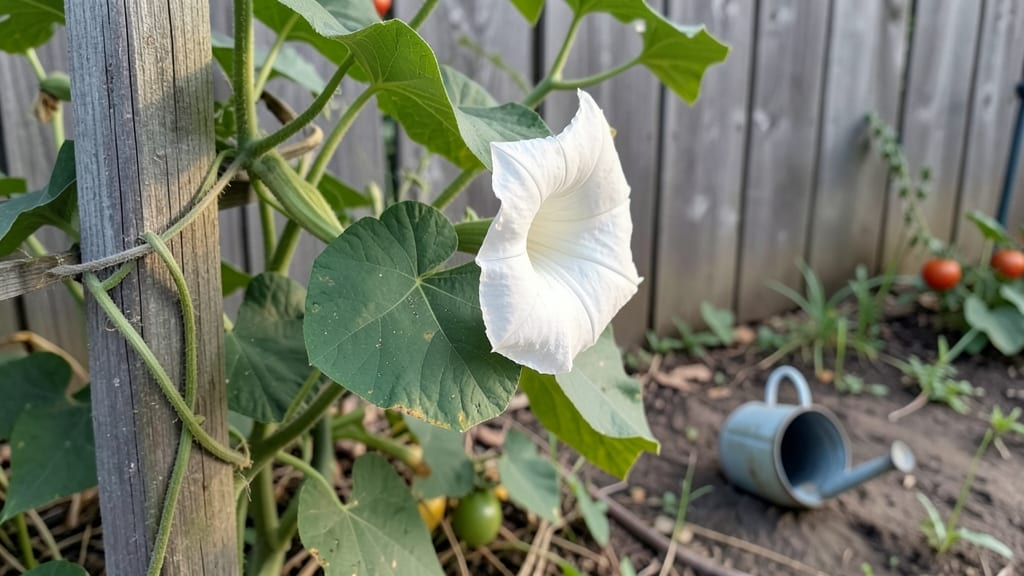
Growing moonflower vines transforms your garden into a nighttime spectacle with glowing white blooms that open only after dark. 🌙 I’ve watched these tropical climbers go from tiny seeds to towering, fragrant displays in just 60 days, and the secret isn’t complicated—it’s about matching their fast growth with the right conditions.
Moonflowers thrive in warm climates (zones 9-11) but can be grown as annuals in cooler areas with proper care. Start with well-draining soil mixed with compost, plant seeds ½ inch deep in spring after the last frost, and provide a sturdy trellis or fence for their 10-15 foot vines.
They’ll reward you with nocturnal blooms that last just one night—so plan to enjoy their intoxicating scent under the moonlight!
The key to extending their blooming season is consistent moisture (keep soil damp but not soggy) and partial shade in hot afternoons. Prune leggy growth to encourage bushier vines, and watch as new buds form daily.
Even in small spaces, these vines create drama—just give them space to climb and a little nighttime magic.
Fair warning: They’re annuals, so save seeds from spent blooms to grow next year’s crop. The trade-off? Few plants deliver such instant gratification—and nothing beats the surprise of waking to find your garden smelling like a tropical evening. Ready to grow your own moonlit show?
📚 In This Guide
- What you need
- Instructions
- Tips and common mistakes
- Wrapping up and next steps
What you need
- ● Moonflower seeds: 10–20 seeds (or a small packet for quick results). Opt for organic, non-GMO seeds if possible.
- ● Well-draining potting mix: 1–2 gallons (for containers) or enrich your garden soil with compost (50% soil, 50% compost blend).
- ○ Container (optional but helpful): 5–10 gallon pot with drainage holes (if growing indoors or in small spaces).
- ● OR a trellis or sturdy fence (for climbing support).
- ● Watering can or hose with a gentle spray nozzle: Moonflowers love moisture but hate soggy roots!
- ○ Fertilizer (optional but recommended): Balanced 10-10-10 granular fertilizer (1 tbsp per plant every 4–6 weeks).
- ● OR liquid seaweed fertilizer (for a natural boost).
- ○ Gloves (optional): To protect your hands from prickly vines or soil.
- ● Trellis or climbing support: 4–6 feet tall (bamboo stakes, wire mesh, or a DIY wooden frame).
- ● Pruning shears: For trimming dead leaves or vines to encourage bushier growth.
- ○ Mulch (optional): Straw or shredded leaves to retain moisture and suppress weeds.
- ● Grow lights (indoor growers): A full-spectrum LED light (12–16 hours/day) if starting seeds inside.
- ● Sunlight: Full sun (6+ hours daily) or partial shade in hot climates.
- ● Warmth: Seeds germinate best in soil temps of 70–85°F (21–29°C).
- ● Patience: Moonflowers bloom in 2–3 weeks—but they’re worth the wait!
Step-by-step instructions for growing moonflower vines
Here’s how to coax those ethereal white blooms from seed to vine in just a few months.
🌱 Step 1: Start Seeds Indoors 8-10 Weeks Before Last Frost
Moonflowers (Ipomoea alba) thrive from seed but need a long growing season—so begin indoors. Fill a 4-inch pot with sterile seed-starting mix (never garden soil—it’s too dense). Plant 2-3 seeds per pot just below the soil surface since they’re large and need light to germinate. Press lightly but don’t bury them deeper than ½ inch.
Place the pot in a warm spot (70-75°F)—a seedling heat mat speeds germination, which typically takes 7-14 days. Keep the soil consistently moist but not soggy; a spray bottle prevents washing seeds away. Once sprouts appear, move them to a sunny windowsill or under grow lights (14-16 hours daily) to prevent leggy growth.
☀️ Step 2: Harden Off and Transplant After Frost
When seedlings have 2-3 true leaves (not just the initial cotyledons), start hardening them off. Place pots outside in partial shade for 2-3 hours daily, gradually increasing exposure over 7-10 days. Watch for wilting or yellowing—a sign they’re not ready. Moonflowers are frost-sensitive, so wait until soil temperatures stay above 60°F before transplanting.
Choose a sunny, sheltered spot with 6-8 hours of direct light and well-draining soil. Dig holes twice as wide as the root ball and space plants 3-4 feet apart—they’ll sprawl aggressively. Water deeply after planting to settle roots, then mulch with 2-3 inches of organic mulch to retain moisture and suppress weeds.
💧 Step 3: Water and Fertilize for Rapid Growth
Moonflowers love moisture but hate soggy roots. Water deeply 1-2 times weekly, aiming for 1 inch of water per week. Let the top 2 inches of soil dry between waterings—wilting leaves signal thirst, but yellowing suggests overwatering. Avoid overhead watering after dark to prevent fungal diseases like powdery mildew.
Feed plants every 4-6 weeks with a balanced liquid fertilizer (10-10-10) diluted to half-strength. Stop fertilizing 6-8 weeks before first frost to encourage blooming. You’ll notice rapid vine growth in warm weather—train them along a trellis, fence, or pergola as they climb 10-15 feet in one season.
✂️ Step 4: Prune and Deadhead for Continuous Blooms
Pinch back new growth by ⅓ when vines reach 6-12 inches to encourage bushier growth. Remove yellowed or diseased leaves immediately to redirect energy to healthy foliage. Moonflowers bloom late summer to early fall, but deadheading spent flowers after sunset (when blooms close) prolongs the season.
Here’s the thing—moonflowers are self-cleaning in a way: their blooms only open at dusk, revealing their moonlit white trumpets. They close by morning, so you won’t see them during the day unless you’re up late. If vines look overcrowded, trim back old growth in early spring to stimulate new shoots.
🌿 Step 5: Extend the Season With Simple Tricks
To enjoy moonflowers longer, plant seeds in successive batches every 2-3 weeks after the last frost. The later plantings will bloom sequentially, stretching your display. In colder climates, cover vines with frost cloth on chilly nights—moonflowers tolerate light frosts but not hard freezes.
Save seeds from your best blooms for next year: let a few flowers fully dry on the vine, then collect the papery seed pods inside. Store them in a cool, dry place until spring. With minimal effort, you’ll have self-sowing moonflowers popping up year after year—just like magic.
Tips & tricks for growing moonflower vines
A few simple tricks will help you grow moonflowers that thrive from seed to those magical moonlit blooms.
Germination Secret: Moonflower seeds need light to germinate, so planting them just below the soil surface—no deeper than ½ inch—is crucial. I’ve found that using a clear plastic dome over the pot during germination keeps humidity high while still allowing light to reach the seeds. This can cut germination time from 14 days down to just 7-10 days.
Lighting Strategy: The 14-16 hours of daily light during the seedling stage is non-negotiable for preventing leggy growth. If your windowsill doesn’t get enough sun, invest in a basic LED grow light—even a 12-inch bulb works. Position it just 6 inches above the seedlings to maximize light exposure without overheating.
Transplant Timing: Waiting until soil temperatures stay above 60°F before transplanting is essential, but don’t rush the hardening-off process. I’ve learned the hard way that moving seedlings too quickly from partial shade to full sun causes shock. Gradually increase their sun exposure by 30 minutes each day during the 7-10 day hardening period.
Watering Wisdom: The key to watering moonflowers is consistency—aim for that 1 inch per week while letting the top 2 inches dry between waterings. I use a moisture meter to check soil moisture, especially in containers where drying happens faster. Overhead watering after dark is a big no-no—it invites fungal diseases like powdery mildew that can ruin your vines.
Pro Tips for Grow Moonflower
- A few simple tricks will help you grow moonflowers that thrive from seed to those magical moonlit blooms.
- Germination Secret: Moonflower seeds need light to germinate, so planting them just below the soil surface—no deeper than ½ inch—is crucial.
- Lighting Strategy: The 14-16 hours of daily light during the seedling stage is non-negotiable for preventing leggy growth.
Frequently asked questions
Got questions about growing moonflowers?
You’re not alone—these fast-growing vines spark curiosity! Here are answers to the most common queries to help you cultivate stunning, moonlit blooms with ease.
How long does it take for moonflowers to bloom after planting?
Moonflowers are incredibly fast—expect blooms to appear in just 3 to 5 days after planting seeds! They thrive in warm conditions and open their large, fragrant flowers at dusk, closing by mid-morning. For continuous blooms, plant seeds every few days or weeks.
Can moonflowers survive cold weather or frost?
Nope! Moonflowers (Ipomoea alba) are tropical annuals and are highly sensitive to frost. They’ll wilt or die in temperatures below 50°F (10°C). Grow them in warm climates (Zones 10–12) or treat them as summer annuals in cooler areas. Bring potted plants indoors if frost is forecasted.
What’s the best way to grow moonflowers in containers?
Moonflowers love 5-gallon pots or larger with drainage holes. Use a well-draining potting mix and plant seeds half an inch deep. Train vines up a trellis, cage, or even a balcony railing. Water consistently (keep soil moist but not soggy) and fertilize lightly with a balanced liquid fertilizer every 2–3 weeks.
Are moonflowers prone to pests, and how do I prevent them?
While generally pest-resistant, moonflowers may attract aphids, spider mites, or slugs in humid conditions. Prevent issues by:
- Spraying leaves with neem oil if pests appear.
- Avoiding overhead watering to deter slugs.
- Ensuring good airflow around plants.
Why aren’t my moonflowers opening at night?
Moonflowers need full sun (6+ hours/day) and warm temperatures (70°F+/21°C+) to bloom. If flowers aren’t opening:
- Check for shade—move plants to a sunnier spot.
- Ensure soil stays consistently moist (drought stress delays blooms).
- Wait for warmer nights—cooler temps can stunt opening.
Wrapping up and next steps
Growing moonflower is a rewarding journey that brings ethereal beauty to your garden with minimal effort! Whether you’re a beginner or a seasoned gardener, these fast-growing vines thrive with just a little sunlight, patience, and love. 🌙✨
Now that you’re armed with the best tips and tricks, it’s time to roll up your sleeves and plant those seeds. Start small—even a single vine can transform a corner of your space into a magical retreat.
Happy growing, and may your garden bloom with the mystique of moonlit nights!
Next steps:
- Pick your favorite variety and order seeds today!
- Mark your calendar for the best planting time in your zone.
- Share your progress with fellow plant lovers—tag us in your moonflower photos!