
Flowers
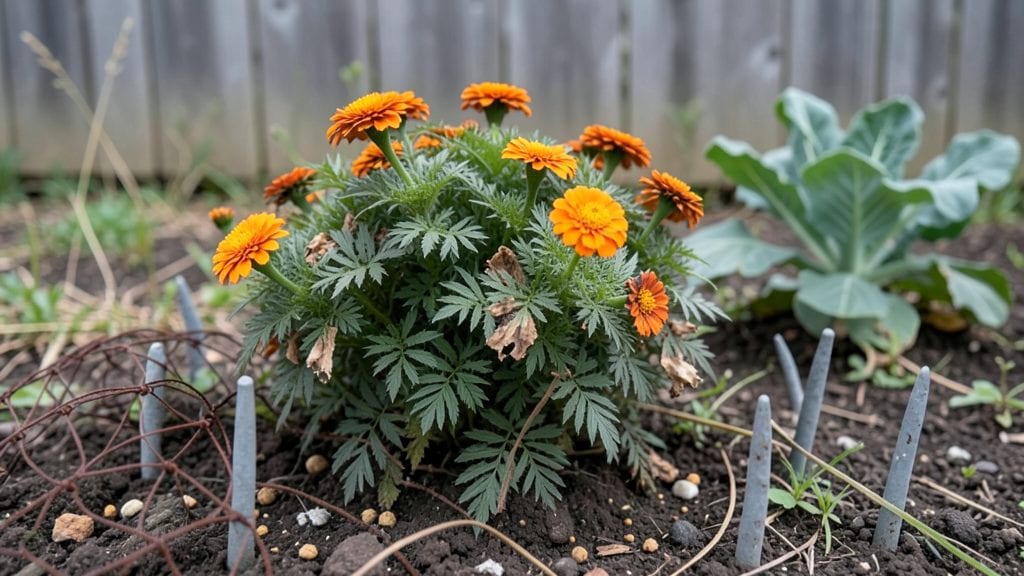
Learn how to keep bunnies from eating flowers—because those chewed petunias and skeletonized roses? I’ve lost count of the times I’ve woken up to them—until I found these humane, effective barriers that actually work without harming wildlife.
The key isn’t just repellents or fences, but combining smart strategies that rabbits can’t outsmart.
Most people start with commercial sprays, but rabbits adapt fast. Instead, I rely on three-layered defense: physical barriers (like chicken wire buried 6 inches deep), natural deterrents (garlic or lavender planted nearby), and motion-activated sprinklers that scare them off without chemicals.
It’s not about chasing them away—it’s about making your garden less appealing than the neighbor’s lawn.
Within a week, you’ll see fewer nibbled leaves and more blooms thriving. The best part? These methods protect your flowers without trapping or harming the bunnies—just redirecting their appetite elsewhere. No more sad, half-eaten blooms by breakfast.
Works for raised beds, container gardens, and even delicate annuals. Let’s get those flowers back to their full glory—without turning your yard into a rabbit buffet.
📚 In This Guide
- What you need
- Instructions
- Tips and common mistakes
- Wrapping up and next steps
What you need
- ● Chicken wire or hardware cloth – 10-20 ft (3-6 m) per section, with holes no larger than 1 inch (2.5 cm) to block bunnies.
- ● Stakes or garden posts – 4-6 per 10 ft (3 m) section, at least 12 inches (30 cm) tall for stability.
- ● Twine, zip ties, or wire – For securing the barrier to stakes.
- ● Garden clippers or scissors – To trim and shape materials neatly.
- ○ Natural repellents (optional but helpful) – Garlic spray, hot pepper wax, or commercial rabbit repellent (follow label instructions).
- ● Mulch or straw – Spread around the base of plants to deter digging.
- ● Compost or manure – A small pile near the barrier can confuse bunnies’ scent trails.
- ● Decorative rocks or pebbles – Create a physical barrier at the base of plants.
- ● Motion-activated sprinklers – For larger gardens, these startle bunnies with a gentle spray.
Step-by-Step guide to protecting flowers from rabbit damage
Here’s how to shield your garden without harming bunnies—using smart, natural deterrents.
🌿 Step 1: Identify High-Risk Areas and Plants
Bunnies target tender, young growth and fragrant plants first. Walk your garden at dawn or dusk when they’re most active—look for nibbled leaves, chewed stems, or uneven edges on petals. Focus protection on newly planted flowers, low-growing perennials, and bulbs emerging from the soil.
Prioritize areas where bunnies rest or travel. You’ll often find trampled paths, digging holes, or fresh droppings near their favorite snacks. These spots need the most immediate attention. Avoid treating the entire garden—targeted barriers save time and materials.
✂️ Step 2: Install Physical Barriers with Natural Materials
Use chicken wire, hardware cloth, or plastic mesh (with holes smaller than 1 inch) around vulnerable plants. Bury the edges 6 inches deep to prevent digging underneath—bunnies are persistent and will tunnel if they sense food nearby. For delicate flowers like tulips or daffodils, create individual cages with wire hoops bent into cones.
For a softer approach, wrap stems with burlap strips or tree guards—bunnies dislike the texture and often avoid it. Secure the material tightly so it doesn’t flap in the wind, which can attract attention. Check barriers weekly for gaps, especially after storms or heavy rain.
🌱 Step 3: Apply Repellents with Strong Scents
Bunnies have sensitive noses—use their aversion to strong smells to your advantage. Spray plants with a mix of garlic powder, hot pepper flakes, and castile soap (1 tablespoon each per gallon of water). Reapply every 3–5 days or after rain. The key is consistency; a single application won’t deter them long-term.
Commercial repellents like Liquid Fence or Bobby’s Rabbit Repellent also work well. Apply in the early evening when bunnies are most active, and avoid spraying on blooms or edible parts of plants. Always test repellents on a small area first—some can damage foliage over time.
☀️ Step 4: Create Distractions with Alternative Food Sources
Plant a rabbit-friendly buffer zone around your flower beds using clover, dandelions, or lettuce. Bunnies will graze here instead of your prized blooms. Place the buffer at least 10 feet away from your flowers to give them a clear choice. Refresh the greens weekly to keep the area appealing.
Scatter commercial rabbit pellets or hay bales in a designated area away from your garden. This mimics their natural foraging behavior and redirects them away from your flowers. Check daily to ensure the food hasn’t spoiled or attracted pests like rodents.
🪴 Step 5: Use Motion and Noise Deterrents Strategically
Bunnies are skittish—install wind chimes, solar-powered motion-activated sprinklers, or even a radio playing softly near problem areas. Place these 3–5 feet from flower beds so the disturbance doesn’t harm plants but still deters bunnies. Motion-activated lights can also startle them, especially at night.
Avoid loud noises or aggressive deterrents like ultrasonic devices, which can stress the bunnies and make them more determined to raid your garden. Instead, opt for subtle, unpredictable movements. Combine this with other methods for the best results—bunnies are less likely to ignore a multi-sensory deterrent.
Tips & tricks for natural bunny-proofing strategies
These insider tricks will help you create an effective, humane defense system that actually works—without harming the bunnies or your garden's natural beauty.
Targeted Defense: In Step 1, when identifying high-risk areas, focus on newly planted flowers and emerging bulbs first—they're the most vulnerable. I've found that bunnies often start with these tender plants before moving to more established ones. Create a priority list based on what you value most in your garden. This strategic approach saves you time and materials by focusing protection where it's needed most.
Barrier Installation Pro Tips: For Step 2, when installing physical barriers, use staple-free methods like landscape fabric stapled to the ground with U-shaped pins. This prevents damage to plants and makes removal easier next season. For delicate flowers like tulips, consider using wire hoops bent into cones—they're more effective than flat cages because bunnies can't reach over them. Always bury edges at least 6 inches deep to prevent digging underneath.
Repellent Application Strategy: When applying repellents in Step 3, focus on the lower leaves and stems where bunnies first make contact. The 1 tablespoon per gallon measurement is crucial—too much can damage plants, while too little won't deter bunnies. I recommend mixing repellents with water in a spray bottle for precise application. Reapply every 3-5 days or after rain, but always test on a small area first to check for plant sensitivity.
Buffer Zone Optimization: For Step 4, when creating buffer zones, plant your rabbit-friendly alternatives in a half-moon shape around your flower beds. This creates a natural barrier that bunnies will graze before reaching your prized plants. Place the buffer at least 10 feet away to give bunnies a clear choice—closer distances can confuse them and make them more likely to venture into your garden. Refresh the greens weekly to maintain their appeal as an alternative food source.
Pro Tips for Keep Bunnies From Eating Flowers
- These insider tricks will help you create an effective, humane defense system that actually works—without harming the bunnies or your garden's natural beauty.
- Targeted Defense: In Step 1, when identifying high-risk areas, focus on newly planted flowers and emerging bulbs first—they're the most vulnerable.
- Barrier Installation Pro Tips: For Step 2, when installing physical barriers, use staple-free methods like landscape fabric stapled to the ground with U-shaped pins.
Frequently asked questions
Got questions about protecting your blooms from bunny buffets? You’re not alone! Here are some of the most common concerns—and straightforward answers—to help you keep your garden thriving.
Will fencing work if my bunnies are already digging underneath?
If your bunnies are burrowers, a simple fence won’t cut it! Bury the fence at least 12 inches deep and add an outward-facing L-shaped bend at the top (12 inches outward, 12 inches down) to deter climbers. For extra security, use hardware cloth (not chicken wire—bunnies chew through it!).
How soon can I plant flowers after using repellents?
Most natural repellents (like hot pepper spray or garlic-based solutions) are safe to use immediately before planting, but always let them dry completely (about 1–2 hours) to avoid harming young seedlings. For granular repellents, wait 24–48 hours before planting to avoid root irritation.
Are there any flowers bunnies won’t eat?
While no plant is 100% bunny-proof, some are less appealing. Try lamb’s ear, snapdragons, or marigolds—their textures or scents (like strong citrus or mint) often deter nibbling. For extra defense, pair them with bunny-resistant herbs like rosemary or thyme nearby to mask flower smells.
What if my bunnies keep eating through everything?
If your bunnies are starving or desperate, they’ll eat anything. First, ensure they have unlimited hay, fresh veggies, and a proper diet (80% hay, 15% veggies, 5% pellets). Then, rotate barriers—try a mix of fencing, repellents, and decoy plants. For stubborn cases, consider temporary wire cages over prized blooms until the threat passes.
Are commercial repellents worth the cost?
It depends! Spray repellents (like Bobbie Green’s) are affordable (~$10–$20) and effective for short-term use, but they need reapplication every 1–2 weeks or after rain. For long-term savings, DIY options (like hot pepper spray or crushed eggshells) work just as well and cost pennies. Test a small area first to check for plant sensitivity.
Wrapping up and next steps
Keeping bunnies from feasting on your flowers doesn’t have to be a battle—just a strategic one! 🌸 With the right natural barriers like chicken wire, mulch, or companion planting, you can protect your blooms while keeping your furry friends happy (and well-fed elsewhere).
Start small with one or two methods, observe what works best in your garden, and gradually expand your defenses.
Ready to reclaim your garden? Pick one solution today—whether it’s a DIY fence or a tasty alternative snack—and watch your flowers thrive! 🌱✨