
Flowers
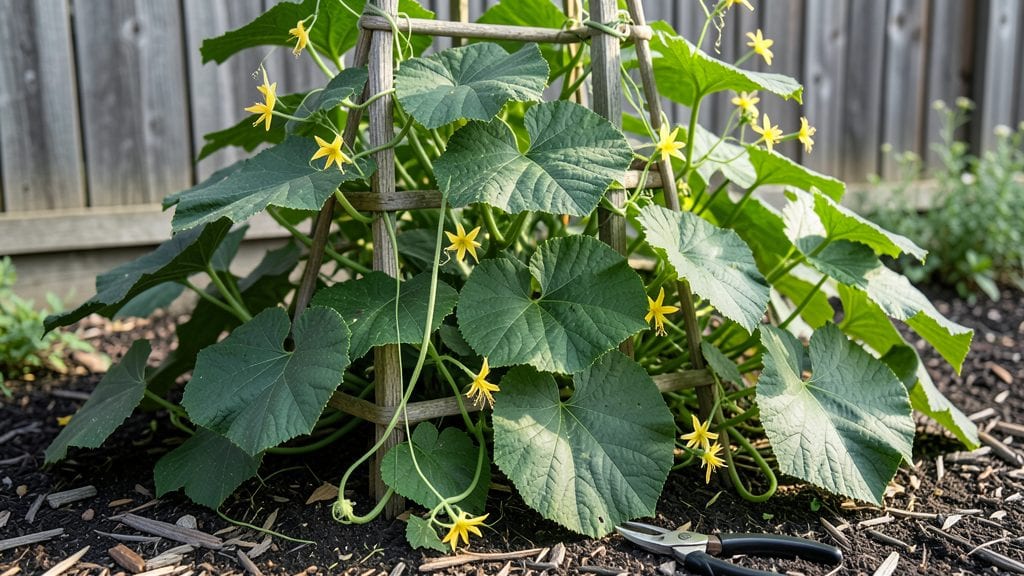
Cucumber flowers aren’t just pretty—they’re edible stars of summer salads and garnishes. 🌸 I’ve learned that coaxing those delicate blooms requires more than just sticking a seed in the ground; it’s about creating the perfect conditions for your vines to thrive.
The difference between a handful of flowers and a bush bursting with them often comes down to light, warmth, and a little extra care.
Your cucumbers need full sun—at least 6-8 hours daily—and temperatures above 70°F to set flowers reliably. Too cool, and they’ll just sit there looking sad. I’ve also found that balanced fertilization (high in potassium and phosphorus) gives plants the energy to produce blooms instead of just leaves.
Overwatering? That’s a no-go—it stresses roots and delays flowering.
Once you’ve got the basics right, you’ll see those first yellow male flowers (they’re the pollinators’ buffet) followed by the feminine white blooms that turn into cucumbers. Hand-pollination helps in greenhouses or when bees are scarce—just dab a paintbrush on each flower’s center.
The payoff? A vine heavy with both edible flowers and crisp cucumbers by midsummer.
Troubleshooting is half the fun. No flowers? Check for crowded plants or nutrient deficiencies. Yellowing leaves? Adjust your watering. And if your blooms drop before fruiting, it’s often a sign of stress—whether from heat, pests, or inconsistent care.
With these tweaks, your cucumbers will go from struggling to spectacular in no time.
📚 In This Guide
- What you need
- Instructions
- Tips and common mistakes
- Wrapping up and next steps
What you need
- ● Cucumber seeds or seedlings: Choose heirloom or hybrid varieties known for prolific flowering (e.g., 'Lemon Cucumber,' 'Straight Eight,' or 'Bush Champion'). Start with 3–5 seeds or 2–3 seedlings for a small harvest.
- ● Growing containers or garden bed: Containers: 5-gallon pots or larger (with drainage holes) for each plant. Use high-quality potting mix enriched with compost.
- ● Garden bed: A sunny spot (6+ hours of direct sunlight daily) with well-draining soil. Amend with 2–3 inches of compost or aged manure before planting.
- ● Fertilizer: A balanced, organic fertilizer (e.g., 10-10-10 or fish emulsion) or compost tea to boost flowering. Apply every 2–3 weeks once plants are established.
- ● Watering can or hose with a gentle spray nozzle: Cucumbers need 1–2 inches of water per week, but avoid wetting leaves to prevent disease.
- ● Gloves and gardening tools: Pruners (for trimming vines), trowel, and kneeling pad for comfort.
- ○ Trellis or stakes: Optional but helpful! Use 5–6 foot tall stakes or a strong trellis to support vines and improve airflow (reduces pests/diseases).
- ● Mulch: Straw or shredded leaves to retain moisture and suppress weeds.
- ● Pollination aid (for indoor growers): A small paintbrush or handheld fan to transfer pollen if bees aren’t visiting your flowers.
- ● Pest control: Neem oil or insecticidal soap (for aphids/spider mites) and row covers if squirrels or rabbits are a threat.
Step-by-step guide to encouraging cucumber flowers
Growing cucumber flowers isn’t just about the fruit—it’s about coaxing nature’s delicate edible blooms to thrive.
🌱 Step 1: Select the Right Cucumber Variety
Not all cucumbers produce abundant flowers. Look for parthenocarpic varieties (like 'Diva' or 'Socrates') that don’t require pollination and still yield flowers. These are ideal for container growing or small spaces. If you want traditional cucumbers, choose bush types like 'Bush Champion'—they flower more reliably than vining varieties.
Start seeds indoors 4-6 weeks before your last frost, or buy young plants from a nursery. Transplant after soil reaches 60°F and nighttime temperatures stay above 55°F. Cold soil stunts root growth, delaying flowering. Use black plastic mulch to warm the soil faster—it can speed up flowering by 1-2 weeks in cooler climates.
☀️ Step 2: Provide Optimal Light and Heat
Cucumbers crave full sun—at least 6-8 hours daily of direct light. Place them where they’ll get morning sun and afternoon shade if temperatures exceed 90°F. Too much heat causes flowers to drop before opening. If growing indoors, supplement with a grow light positioned 6-12 inches above the plants for 14-16 hours daily. Weak light leads to leggy stems and sparse flowering.
Monitor soil temperature with a soil thermometer. Cucumbers flower best when soil stays between 70-85°F. If nights dip below 60°F, cover plants with frost cloth at dusk. You’ll see the first flowers appear 4-6 weeks after transplanting, but only if conditions are ideal. Watch for yellowing leaves—this often signals stress from inconsistent temperatures.
💧 Step 3: Water and Fertilize for Blooms
Consistent moisture is key. Water deeply 1-2 times weekly, aiming for 1 inch of water per week. Let the top 2 inches of soil dry between waterings to prevent root rot, but never let the soil bone-dry. Inconsistent watering causes flowers to abort. Use drip irrigation or soaker hoses to keep foliage dry—wet leaves invite fungal diseases like powdery mildew, which can halt flowering.
Feed plants with a balanced fertilizer (like 10-10-10) at half-strength when flowers first appear. Switch to a low-nitrogen, high-phosphorus formula (like 5-10-10) to encourage blooming. Over-fertilizing with nitrogen produces lush leaves but few flowers. I add compost tea every 2 weeks for a gentle nutrient boost without burning roots.
✂️ Step 4: Prune and Support for Better Airflow
Prune suckers (the small shoots that grow in the leaf axils) to redirect energy toward flowers and fruit. Leave 1-2 main vines per plant—more leads to crowded growth and fewer blooms. Use soft ties to guide vines along a trellis or cage. Proper support keeps plants upright, improving airflow and reducing disease. You’ll notice more flowers and larger blooms when plants aren’t struggling to stay upright.
Remove any yellow or wilted leaves immediately. These sap energy from the plant. If you see male flowers (long stems, no swelling at the base) but no female flowers (small fruits at the base), hand-pollinate by gently brushing stamens onto female flowers with a paintbrush. This ensures every bloom has a chance to develop.
🌿 Step 5: Harvest Flowers for Edible Use
Pick flowers in the morning when they’re fully open but still tender. Use clean scissors to snip stems just above a leaf node. Harvesting encourages more blooms to form. Store flowers in a paper towel-lined container in the fridge for up to 3 days, or use them immediately. You’ll get 4-6 weeks of continuous blooms per plant if conditions are right.
For best flavor, use flowers within 24 hours of picking. Toss them into salads, garnish cocktails, or stuff them with herbs and cheese. If a flower wilts before you use it, revive it by soaking the stem in ice water for 10 minutes—it’ll perk up enough for garnishing.
Tips & tricks for perfect cucumber flower cultivation
Here's what nobody tells you about growing these delicate edible blooms—trust me, these tricks make all the difference.
Variety Selection Matters: The parthenocarpic varieties like 'Diva' or 'Socrates' are your best bet for reliable flowers without worrying about pollination. I've tried several, and these consistently produce the most abundant blooms. If you're growing in containers or small spaces, these compact varieties are absolute game-changers. For traditional gardeners, 'Bush Champion' delivers reliable flowering without the sprawl of vining types.
Soil Temperature is Non-Negotiable: That 60°F soil temperature threshold isn't just a suggestion—it's the magic number for root development. I learned this the hard way after watching plants struggle in cooler soil. Use black plastic mulch to create that warm soil environment, especially in cooler climates where you might gain an extra 1-2 weeks of flowering. A soil thermometer is worth its weight in gold for monitoring this critical factor.
Lighting Strategy for Maximum Blooms: Those 6-8 hours of direct sunlight are essential, but don't overlook the afternoon shade when temperatures exceed 90°F. I've seen flowers drop prematurely when plants get overheated. For indoor growers, position your grow light 6-12 inches above and run it for 14-16 hours daily—this mimics natural daylight conditions perfectly and prevents leggy growth that steals energy from flowering.
Pruning Technique for More Flowers: When you're pruning those suckers, remember this: leaving just 1-2 main vines per plant redirects all that energy toward flower production. I used to leave too many stems, and my plants would produce leaves instead of blooms. Also, those soft ties make all the difference—proper support means better airflow and fewer diseases that can halt flowering.
Pro Tips for Make Cucumber Flower
- Here's what nobody tells you about growing these delicate edible blooms—trust me, these tricks make all the difference.
- Variety Selection Matters: The parthenocarpic varieties like 'Diva' or 'Socrates' are your best bet for reliable flowers without worrying about pollination.
- Soil Temperature is Non-Negotiable: That 60°F soil temperature threshold isn't just a suggestion—it's the magic number for root development.
Frequently asked questions
Got questions about growing cucumber flowers? You’re not alone!
Here are some of the most common queries—and their answers—to help you bloom like a pro.
Can I eat cucumber flowers if I haven’t grown them from seed?
Yes, but with caution! Cucumber flowers from organic, pesticide-free sources (like farmers' markets or trusted nurseries) are safe to eat. Avoid store-bought flowers unless labeled edible and organic—conventional pesticides can be harmful. When in doubt, grow your own for peace of mind!
How long does it take for cucumber plants to flower?
Most cucumber varieties produce flowers within 4–6 weeks after planting, given warm soil (70°F+) and consistent watering. Bush varieties may flower faster (3–4 weeks), while vining types take slightly longer. Pro tip: Use a heat mat if your climate is cool to speed up germination and flowering!
What do I do if my cucumber plant has flowers but no fruit?
This usually means pollination isn’t happening. Hand-pollinate by gently brushing flowers with a soft paintbrush or cotton swab to transfer pollen. If flowers drop off, check for:
- Temperature stress (too hot/cold)
- Lack of water or nutrients
- Pests like aphids interfering
Can I substitute other edible flowers for cucumber blooms?
Try these cucumber-flower alternatives for salads or garnishes:
- Nasturtiums (peppery, vibrant)
- Violas (mild, sweet flavor)
- Borage (cucumber-like taste)
- Squash blossoms (rich, buttery texture)
Why are my cucumber flowers turning yellow or brown?
Yellowing or browning flowers often signal stress or disease. Common causes include:
- Overwatering (root rot) or underwatering (drought stress)
- Fungal issues (like powdery mildew—spray with neem oil if needed)
- Nutrient deficiency (add compost or balanced fertilizer)
- Extreme heat or cold
Bonus Tip: How do I harvest cucumber flowers for cooking?
Pick flowers in the morning when they’re fully open but still vibrant. Gently twist or snip the stem (leave a small bit attached). Rinse delicately, pat dry, and use immediately or refrigerate for up to 2 days. For longer storage, blanch and freeze!
Wrapping up and next steps
Growing your own edible cucumber flowers is a rewarding journey that adds beauty and flavor to your meals! With the right cucumber variety, proper care, and a little patience, you’ll enjoy vibrant blooms perfect for salads, garnishes, or even cocktails. 🌸
Now that you’re equipped with the know-how, why not take the next step? Start with a few seeds or seedlings, experiment with different varieties, and share your harvest with friends. Happy gardening—and happy snacking! 🌱