
Planting
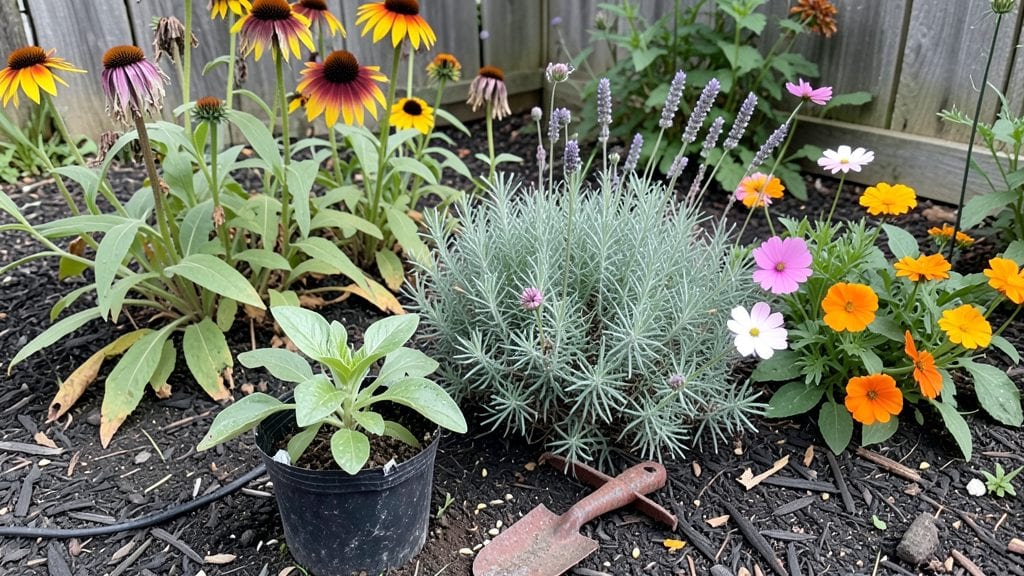
Planting a flower garden transforms even the dullest corner into a vibrant, fragrant haven that keeps giving all year long. 🌸 I started with a patch of bare earth and now have blooms from spring through frost—no green thumb required, just a few smart choices about where, what, and how to plant.
The secret isn't complicated: pick the right spot, prep the soil right, and choose flowers that play well together.
You'll need basic tools—a trowel, gloves, and a wheelbarrow for soil—and the right mix of sun-loving annuals, shade-tolerant perennials, and maybe a few bulbs for early color. My first garden failed because I ignored sunlight needs, but once I matched plants to their light requirements, everything thrived.
Even small spaces can work with containers or vertical gardens if you plan carefully.
By the end of the season, you'll have a garden that looks like a postcard: velvety petunias spilling over borders, fragrant lavender waving in the breeze, and late-season asters adding color when others fade.
The best part? Once established, these plants need just 10 minutes of care per week—watering, deadheading, and a little mulch to keep weeds at bay.
Whether you're starting from seed or buying transplants, the principles stay the same. We'll cover seasonal timing, spacing tricks, and how to avoid the three mistakes that kill new gardens before they even begin. Let's get those shovels in the dirt!
📚 In This Guide
- What you need
- Instructions
- Tips and common mistakes
- Wrapping up and next steps
What you need
- ● Flower seeds or seedlings: Choose perennials (for year-round blooms) and annuals (for seasonal color). Aim for at least 20-50 plants depending on garden size.
- ● Garden soil or potting mix: 5-10 bags (2-3 cubic feet each) for planting beds. Opt for well-draining, nutrient-rich soil.
- ● Shovel or spade: A sturdy 18-24 inch model for digging and mixing soil.
- ● Garden trowel: A 6-8 inch hand tool for precise planting.
- ● Gloves: A pair of durable, breathable gardening gloves to protect your hands.
- ● Watering can or hose: A 1-3 gallon can or a hose with a gentle spray nozzle.
- ● Mulch: 2-3 bags (2 cubic feet each) of organic mulch (e.g., shredded bark or straw) to retain moisture.
- ● Compost or fertilizer: A 5-10 lb bag of organic compost or slow-release fertilizer (e.g., 10-10-10 NPK ratio).
- ● Garden kneeler or pad: For comfort while planting.
- ● Pruners: Bypass pruners for trimming and shaping plants.
- ● Plant markers: Labels or stakes to track flower varieties.
- ● Drip irrigation system: For automated watering (great for busy gardeners!).
- ● Decorative stones or edging: To define garden borders and add charm.
- ● Sunlight meter: To check light conditions before planting.
Step-by-Step instructions for planting a flower garden
Here’s my go-to method for creating a vibrant flower garden that thrives all year—no green thumb required.
🌱 Step 1: Choose the Perfect Location and Test the Soil
Pick a spot that gets at least 6 hours of sunlight daily—most flowers need this for strong blooms. I always check the soil first: dig a small hole and squeeze a handful. If it crumbles easily, it’s ready. If it stays clumpy, mix in 2-3 inches of compost to improve drainage and nutrients.
Watch for wet spots after rain—flowers hate soggy roots. If your yard stays damp, raise beds or plant in containers with drainage holes. The right spot makes all the difference in how fast your garden thrives.
🪴 Step 2: Plan Your Layout for Year-Round Color
Group flowers by height and bloom time for a nonstop show. Tall plants like sunflowers or delphiniums go in the back, medium-height like roses or coneflowers in the middle, and low-spreading ones like pansies or alyssum in front. I sketch a rough map—it keeps things balanced and prevents overcrowding.
Mix perennials (like daylilies) with annuals (like marigolds) for instant color. Perennials return yearly, while annuals fill gaps quickly. Space plants 12-24 inches apart—check the tags for exact needs. Too close, and they’ll compete for nutrients.
✂️ Step 3: Dig, Amend, and Plant With Care
Loosen the soil to a depth of 12 inches with a garden fork—this helps roots spread easily. For each hole, dig it twice as wide as the root ball but only as deep. Gently remove plants from their pots, tease apart tangled roots, and place them so the top of the root ball sits just below soil level.
Fill the hole with soil, pressing lightly to remove air pockets. Water deeply right after planting to settle everything. Mulch with 2-3 inches of organic material (like shredded bark) to keep moisture in and weeds out. This step saves time later—mulch means less weeding!
💧 Step 4: Water Smartly and Monitor Growth
Water deeply once a week (more in extreme heat) until the soil is 6 inches deep and moist. Use a hose with a gentle spray or soaker hose to avoid disturbing roots. The key is consistency—let the top inch dry out between waterings, but never let the soil stay bone-dry for long.
Watch for wilting leaves or yellowing stems. These are signs of over- or underwatering. Most flowers thrive with 1 inch of water per week, including rain. Adjust based on your climate—drought-tolerant plants like lavender need less, while thirsty ones like petunias need more.
☀️ Step 5: Maintain and Enjoy the Blooms
Deadhead spent blooms regularly—this encourages more flowers and keeps your garden looking tidy. I snip off faded flowers with clean pruners in the morning when dew is gone. Fertilize lightly every 4-6 weeks with a balanced, slow-release formula to keep plants strong without burning them.
Rotate plants seasonally for continuous color. Swap out summer annuals for fall mums or winter pansies as temperatures drop. A little planning upfront means your garden stays lively from spring through frost.
Tips & tricks for perfect flower garden planting
Here's what I've learned after years of planting gardens that actually thrive—simple tricks that make all the difference.
Sunlight Secret: That 6-hour minimum sunlight rule in Step 1 is non-negotiable for most flowers. I always double-check by using a smartphone app to track sunlight patterns in my yard for a full day. Morning sun (before 10am) is gentler than afternoon heat, so position sun-lovers like roses and lavender where they'll get afternoon shade if needed.
Soil Prep Game-Changer: Don't skip the soil test in Step 1! I've learned the hard way that amending with just 2-3 inches of compost isn't enough for heavy clay soils. For really tough spots, mix in 1 part sand or perlite to 3 parts compost to improve drainage dramatically. This prevents that dreaded "soggy roots" situation mentioned in the instructions.
Planting Layout Hack: When sketching your layout in Step 2, I draw my garden on graph paper where each square represents 12 inches. This visual helps me space plants exactly 12-24 inches apart without guessing. For taller plants, I mark their final height so I know exactly where to place them in the back row—no more awkward rearranging later.
Watering Wisdom: That once-a-week watering guideline in Step 4 works perfectly for most gardens, but I've found the "top inch dry" test is more reliable than counting days. Stick your finger in the soil—if it feels dry just below the surface, it's time to water. Early morning is always the best time to water, as it gives plants all day to absorb moisture before evening evaporation.
Pro Tips for Plant A Flower Garden
- Here's what I've learned after years of planting gardens that actually thrive—simple tricks that make all the difference.
- Sunlight Secret: That 6-hour minimum sunlight rule in Step 1 is non-negotiable for most flowers.
- Soil Prep Game-Changer: Don't skip the soil test in Step 1!
Frequently asked questions
Got questions about planting your dream flower garden? You’re not alone! Here are answers to the most common concerns to help you grow with confidence—no green thumb required.
When is the best time to plant a flower garden?
The ideal time depends on your climate and flowers! In most regions, spring (after the last frost) and early fall (6-8 weeks before the first frost) are perfect for planting perennials and annuals. Cool-season flowers (like pansies) thrive in fall, while heat-lovers (like marigolds) prefer spring. Check your local frost dates for precision!
How often should I water my new flower garden?
Water deeply 1-2 times per week (more in extreme heat or drought). Newly planted flowers need consistent moisture—aim for 1 inch of water per week. Use a drip irrigation system or soaker hose to avoid wetting leaves (which can cause disease). Early morning watering is best to reduce evaporation and fungal risks.
What do I do if pests or diseases appear?
Stay proactive! Remove affected leaves or plants immediately, and inspect undersides of foliage for pests like aphids or spider mites. Use neem oil or insecticidal soap for mild infestations. For fungal issues (e.g., powdery mildew), improve airflow with proper spacing and water at the base—not the leaves. Companion planting (e.g., marigolds to deter pests) can also help!
Can I plant flowers in containers or just in the ground?
Containers are great for small spaces, patios, or renters. Use well-draining pots with holes, a quality potting mix, and choose compact or trailing varieties (like petunias or nasturtiums). Just ensure containers get at least 6 hours of sunlight daily and water more frequently than in-ground plants. Bonus: Containers let you move flowers to optimize sunlight!
What if my garden looks dull after the first bloom?
Don’t worry—most flowers have a bloom cycle! Deadhead spent blooms (snip faded flowers) to encourage more flowers. For perennials, they may go dormant in winter but return stronger in spring. Mix in long-blooming varieties (like coneflowers or black-eyed Susans) or add seasonal annuals (e.g., cosmos in summer) to extend color. Mulch helps too!
Wrapping up and next steps
Creating your dream flower garden is easier than you think—and the rewards are endless! 🌸 From choosing the right location to selecting vibrant blooms and maintaining your space, you now have all the tools to transform your outdoor area into a year-round sanctuary.
Remember, every gardener starts somewhere, and even small steps lead to stunning results.
Ready to dive in? Start small—pick one section of your yard, gather your supplies, and begin planting today! Whether you’re a beginner or a seasoned gardener, the joy of watching your flowers bloom is worth every effort. Happy gardening! 🌱✨